
Introduction to the Model Rural Villages Initiative
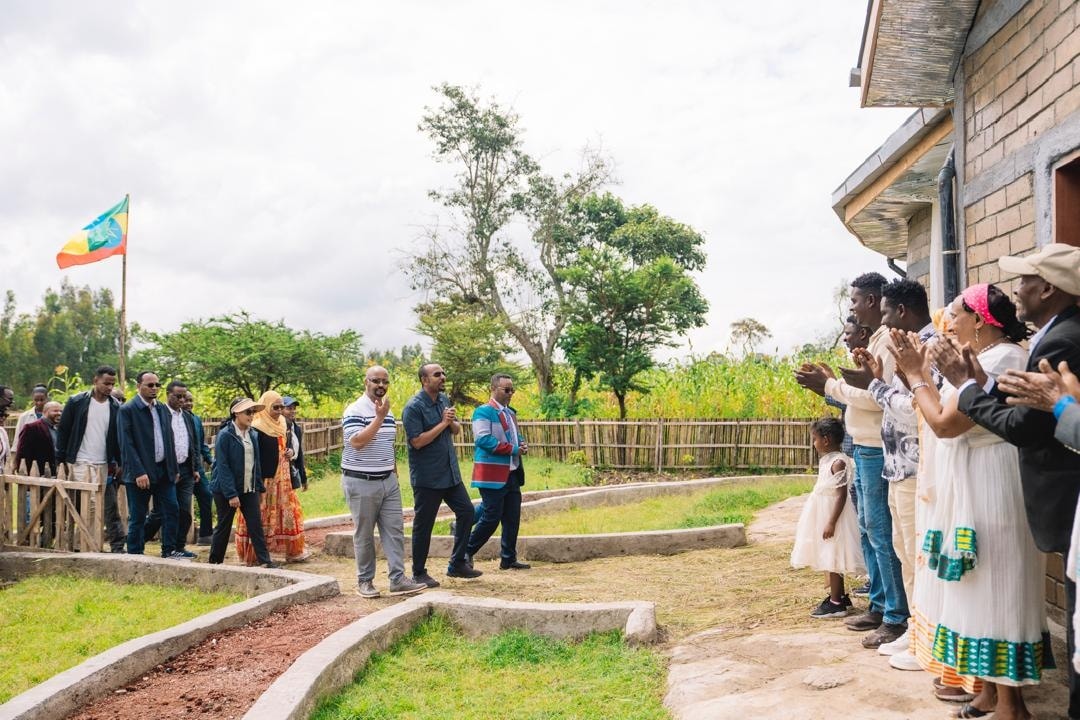
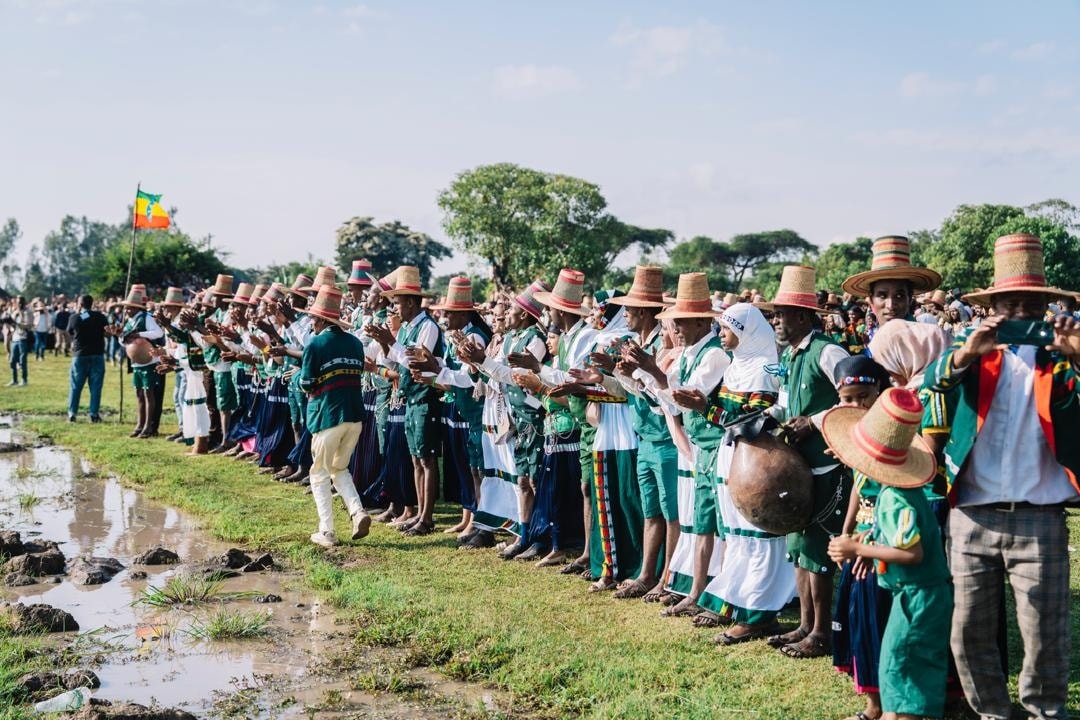
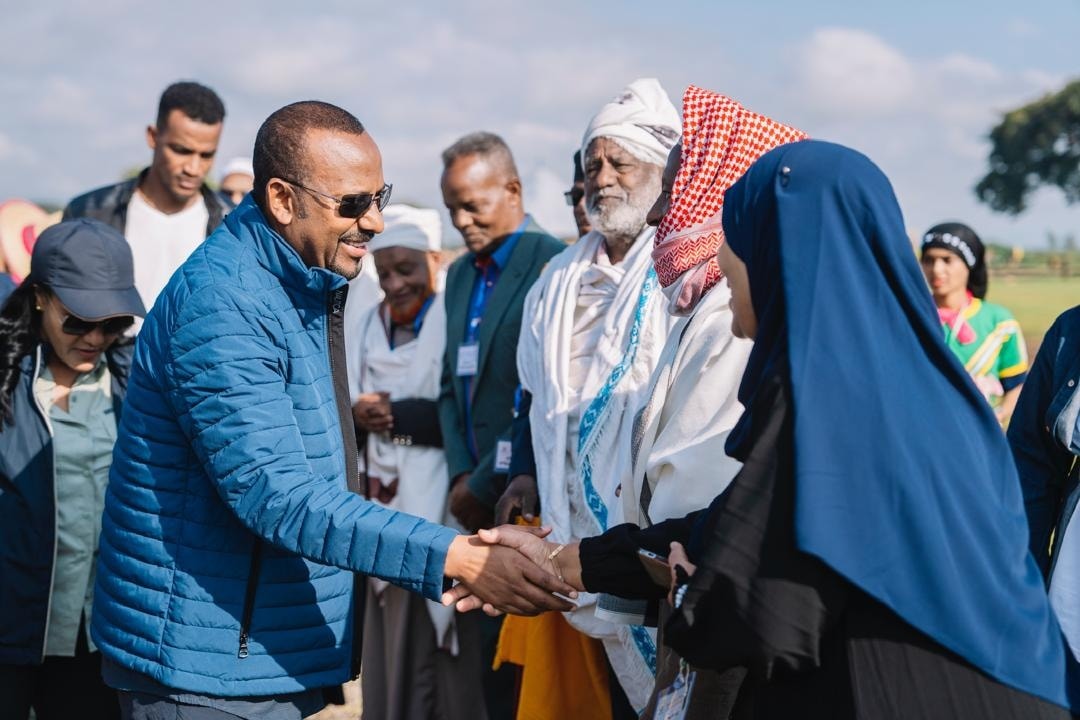
In a significant development for rural communities in Ethiopia, Prime Minister Abiy Ahmed has officially handed over the model rural villages to their residents. This initiative marks a promising beginning in transforming the lives of farmers across the country. The project was launched in early June 2025 as part of the rural corridor development in Wera Dijo Woreda, Sinbita Kebele, Halaba Zone, within the Central Ethiopia Region.
Key Features of the Model Villages
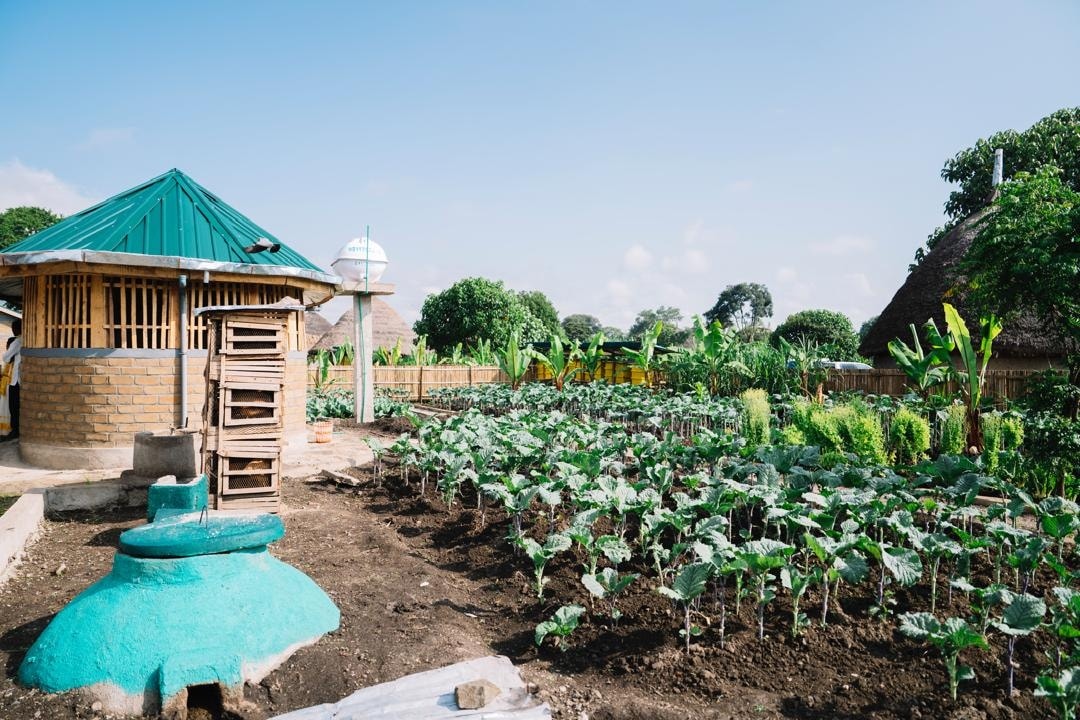
The model villages were constructed using locally available materials and at a low cost, ensuring sustainability and affordability. These villages are designed to enable farmers to lead healthy and dignified lives. According to the Prime Minister, the houses are powered by solar energy and use biogas from animal waste for cooking. They also include independent living spaces, toilets, and service quarters, enhancing the quality of life for the residents.

Separate animal shelters have been built as part of the initiative, which improves hygiene and living conditions. The Premier emphasized that these Rural Corridor Villages will continue to expand as part of the vision to raise rural living standards.
Expansion of the Initiative
Over the past seven years, the Rainy Season Initiative has provided housing for those in need in cities. Now, through the Rural Corridors Initiative, this progress is being extended to rural areas. The Prime Minister encouraged individuals, corporations, and members of the diaspora to support and participate in these efforts to enhance farmers’ livelihoods.
Recognition of Local Leadership
PM Abiy also commended the leadership who completed the Hambericho Mountain stairs. He mentioned that this challenge, set during his last visit, was accomplished impressively through local initiative in a very short time. Looking ahead, he urged local leadership to expand these model villages to 100 houses per zone by next year through collaboration with various stakeholders.
Future Goals and Collaborations
The success of the model rural villages initiative highlights the potential for similar projects to be implemented across other regions. By focusing on sustainable development and community participation, the government aims to create a lasting impact on rural communities. The involvement of local leaders, businesses, and international partners is crucial for scaling up these efforts.
Conclusion
The handover of the model rural villages represents a significant step forward in improving the lives of Ethiopian farmers. With a focus on sustainability, innovation, and community engagement, this initiative sets a positive example for future rural development projects. As the government continues to expand these efforts, it is essential to maintain a collaborative approach to ensure long-term success and widespread benefits for all residents.