
The Rise of Fibre: Is Singapore Ready for the Next Big Food Trend?
Singaporeans, accustomed to seeing protein added to everything from their morning cereal to their after-dinner ice cream, should brace themselves. A new food trend is emerging on the horizon: fibre.

While protein-enhanced products have enjoyed years of popularity, recent data suggests a significant surge in the number of new products boasting high or added fibre, particularly in markets like the United States. This trend is fueled by social media, where countless videos celebrate the benefits of dietary fibre and offer recipes to help people incorporate more of it into their daily meals. There’s even a term for those dedicated to meeting or exceeding their recommended daily fibre intake: “fibermaxxing.”
One industry leader has even suggested that “fibre will be the next protein,” highlighting a growing consumer awareness of its importance. But what exactly is fibre, and why is it suddenly gaining so much attention in Singapore and globally?
Understanding Fibre and its Benefits
Unlike protein, which is essential for building muscle, fibre is a type of carbohydrate found in plants that the human body cannot digest. Instead, it plays a crucial role in feeding beneficial gut bacteria and facilitating the smooth movement of food through the digestive system.
There are two primary types of fibre:
Soluble Fibre: This type dissolves in water, forming a gel-like substance that nourishes gut bacteria. Good sources of soluble fibre include oats, peas, beans, apples, and carrots.
Insoluble Fibre: This type does not dissolve in water and helps to move food through the digestive tract, preventing constipation. Insoluble fibre is abundant in whole wheat flour, popcorn, wheat bran, nuts, green beans, and potatoes.
Studies have consistently demonstrated the health benefits of fibre, including:
- Lowering Cholesterol Levels: Fibre can help reduce levels of LDL (“bad”) cholesterol, which contributes to heart disease.
- Regulating Blood Sugar: Fibre slows down the absorption of sugar into the bloodstream, helping to maintain stable blood sugar levels, which is particularly beneficial for individuals with diabetes or at risk of developing the condition.
- Promoting Weight Loss: High-fibre foods tend to be more filling, helping individuals feel satisfied with smaller portions and potentially leading to weight loss.
- Protecting Against Chronic Diseases: Research suggests that adequate fibre intake may reduce the risk of heart disease, diabetes, diverticulitis, and even colon cancer.
How Much Fibre Do Singaporeans Need?
Most Singaporeans, like their counterparts in other Westernized countries, could benefit from increasing their fibre intake. This is often due to diets that are relatively low in vegetables, fruits, and whole grains.
While specific guidelines may vary slightly, a general recommendation is to aim for approximately 14 grams of fibre for every 1,000 calories consumed. This translates to roughly 25 grams of fibre per day for women and 38 grams per day for men. Many people in Singapore currently fall short of these recommendations.
To put this into perspective, consider the fibre content of common foods:
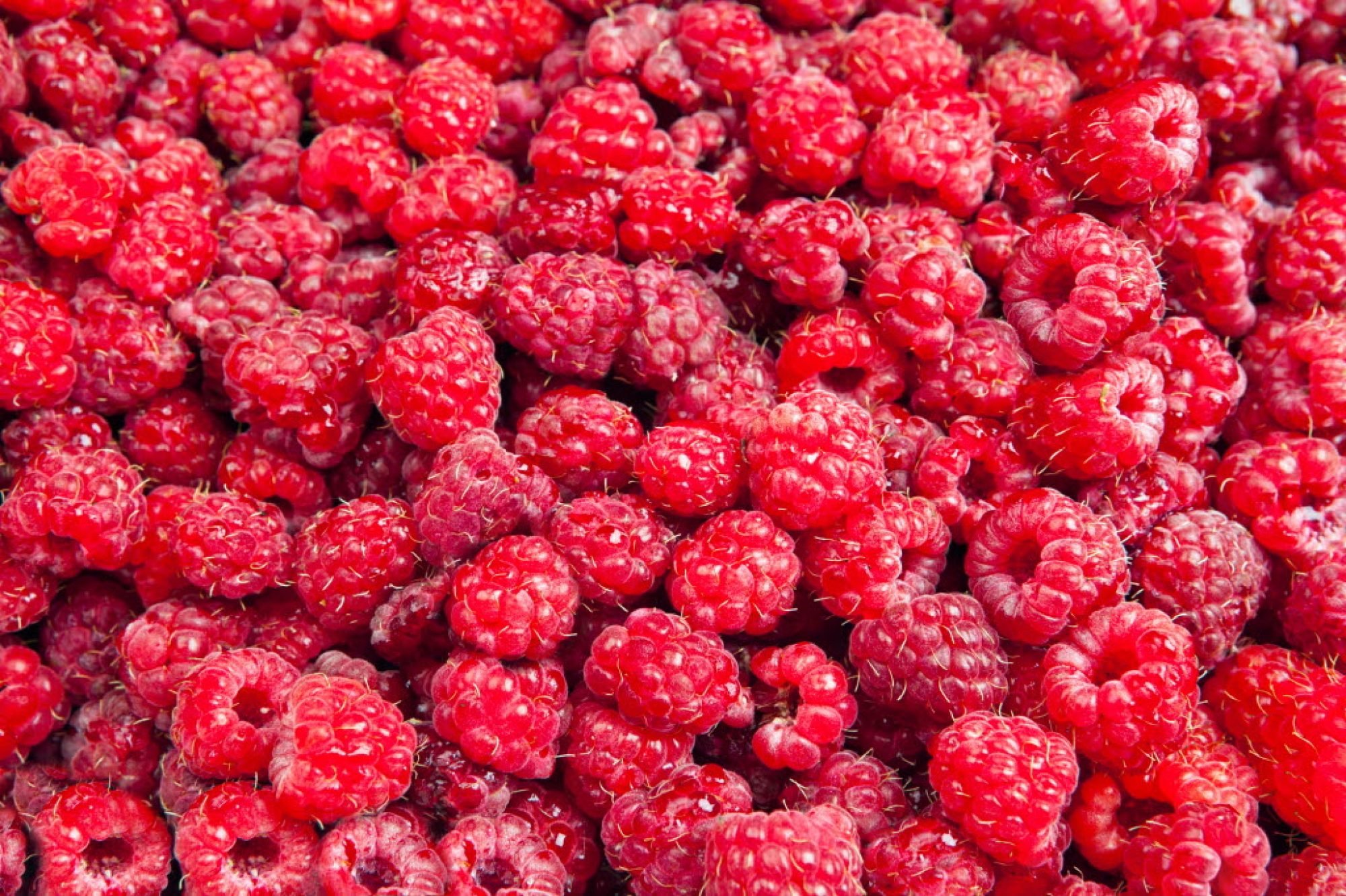
- 1 cup of raspberries: 8 grams of fibre
- 1 banana: 3.2 grams of fibre
- ½ cup of avocado: 5 grams of fibre
- 1 cup of lima beans: 13.2 grams of fibre
Smart Ways to Boost Your Fibre Intake
Experts emphasize the importance of obtaining fibre from whole foods rather than relying solely on packaged products with added fibre. While fortified foods can contribute to overall fibre intake, they may not offer the same comprehensive benefits as naturally fibre-rich foods.
“The way it is consumed as an additive and part of a diet that doesn’t contain a lot of fibre may be different than a naturally fibre-rich diet,” notes one expert. “You can eat a very processed, Western diet and consume foods that are enriched, but we don’t know if it confers the same benefit.”
Whole foods provide a range of other essential nutrients, such as vitamins, minerals, and antioxidants, which contribute to overall health and well-being. For instance, an apple provides not only fibre but also water, vitamins, and minerals.
Here are some practical tips for increasing fibre intake from whole foods:
- Start with Breakfast: Choose a breakfast cereal containing at least 5 grams of fibre per serving. Enhance it with sliced bananas or berries for an extra fibre boost.
- Opt for Whole Grains: Select breads with at least 2 grams of fibre per serving and incorporate other whole grains like brown rice, wholewheat pasta, and quinoa into your meals.
- Bake with Whole Grains: When baking, substitute wholegrain flour for white flour. Add wheat bran to muffins and cookies for added fibre.
- Load up on Fruits and Vegetables: Aim to consume at least five servings of fruits and vegetables daily. When choosing canned options, opt for fruit canned in fruit juice rather than syrup and select low-sodium canned vegetables.

A Word of Caution: Avoiding “Fibermaxxing”
While increasing fibre intake is generally beneficial, it’s crucial to avoid excessive consumption or “fibermaxxing.” There is no officially defined upper limit for fibre intake, but rapidly increasing fibre intake can lead to uncomfortable side effects such as gas and bloating.
It is recommended to increase fibre intake gradually and drink plenty of water to allow the digestive system to adjust. “You’re feeding gut bacteria a food, and you can’t break it down. You rely on them, and if you give them second, third and fourth servings, there’s not enough of them to handle the extra load,” explains one expert.
Certain individuals should also exercise caution when increasing their fibre intake:
- Individuals with Gluten Sensitivity or Allergies: People who are sensitive to gluten or allergic to ingredients like soy, shellfish, or psyllium husk should carefully read food labels, as some foods with added fibre may contain these ingredients.
The Importance of a Balanced Diet
Ultimately, experts caution against focusing solely on one nutrient, whether it’s protein or fibre. “We don’t eat nutrients, we eat foods,” emphasizes one expert. “Ultimately, what you want to be striving for is a healthy diet, and you should choose foods that are considered to be an important part of a healthy diet.”
A balanced diet that includes a variety of whole foods, including plenty of fruits, vegetables, and whole grains, is the key to optimal health and well-being. While fibre plays a vital role, it’s just one piece of the puzzle.