
University Student Suffers Acute Kidney Failure, Coma After Vaping Incident
A 19-year-old university student in Hanoi experienced a sudden and severe health crisis, collapsing and falling into a coma with acute kidney failure after consuming just a few puffs from an electronic cigarette shared among friends. The incident highlights the escalating dangers associated with vaping, particularly when the contents of the e-liquids are unknown.
The young patient was transferred to Bach Mai Hospital, a prominent general medical facility in Hanoi, in critical condition. Upon arrival, medical professionals immediately recognized the severity of his situation, requiring urgent mechanical ventilation and sedation to stabilize him.

Diagnosis and Rapid Deterioration
Medical staff at Bach Mai Hospital diagnosed the student with acute poisoning directly linked to his recent e-cigarette use. The situation escalated rapidly. Merely a day after being weaned off the ventilator and regaining consciousness, the student developed severe kidney failure, a devastating complication that severely impacted his health.
Three days post-admission, while the young man was able to communicate, his kidney function remained critically impaired. Beyond the physical toll, he also exhibited significant mental health challenges, including pronounced anxiety, extreme stress, and noticeable memory loss. The absence of the e-cigarette device at the time of his admission meant that physicians were unable to definitively identify the specific toxic substance responsible for his severe reaction.
Dr. Nguyen Trung Nguyen, the Director of the Poison Control Center at Bach Mai Hospital, commented on the evolving nature of vaping-related illnesses. “In the past, most e-cigarette poisoning cases only caused brain damage,” he noted, “but recently we have seen many cases with severe kidney complications.” This observation underscores a concerning shift in the spectrum of health issues arising from e-cigarette use.
The Challenge of Unknown Toxins and Limited Treatment Options
A significant hurdle in treating such cases is the inability to identify the precise chemical culprits. E-cigarette liquids can contain a complex cocktail of synthetic chemicals, and often, there is no specific antidote available for these substances. Treatment, therefore, relies heavily on supportive care. This includes:
- Respiratory and Circulatory Support: Ensuring the patient can breathe and that their blood is circulating adequately.
- Non-Specific Detoxification: Employing general methods to help the body eliminate toxins.
- Correcting Metabolic Imbalances: Addressing disruptions in the body’s chemical processes caused by the poisoning.
The long-term outlook for individuals who experience severe e-cigarette poisoning remains a significant concern for medical professionals. Many patients continue to suffer from lingering effects even after being discharged from the hospital. These can include persistent memory loss, difficulties with concentration, and behavioral disorders stemming from the neurological damage incurred.
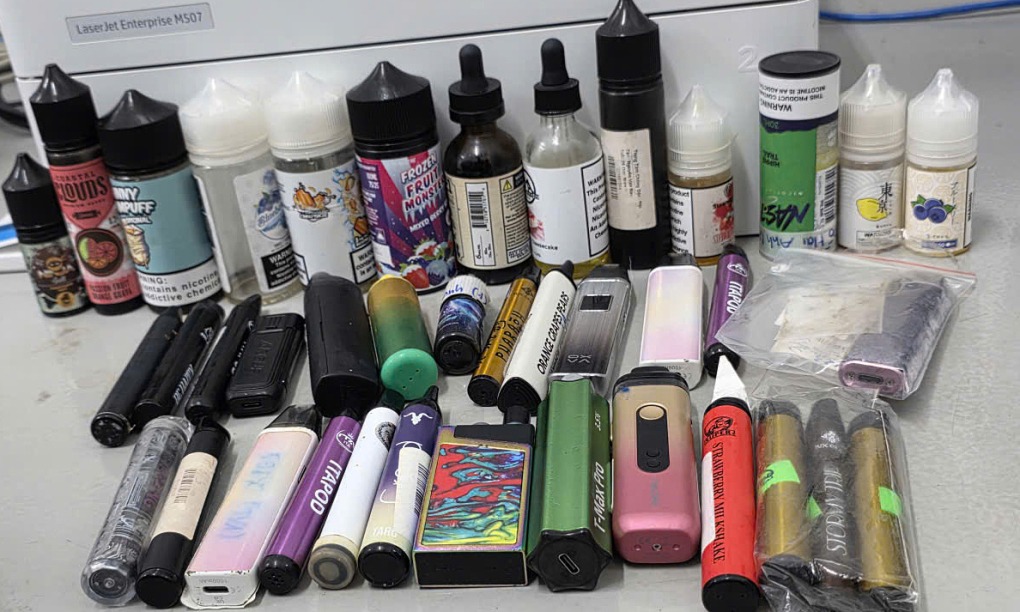
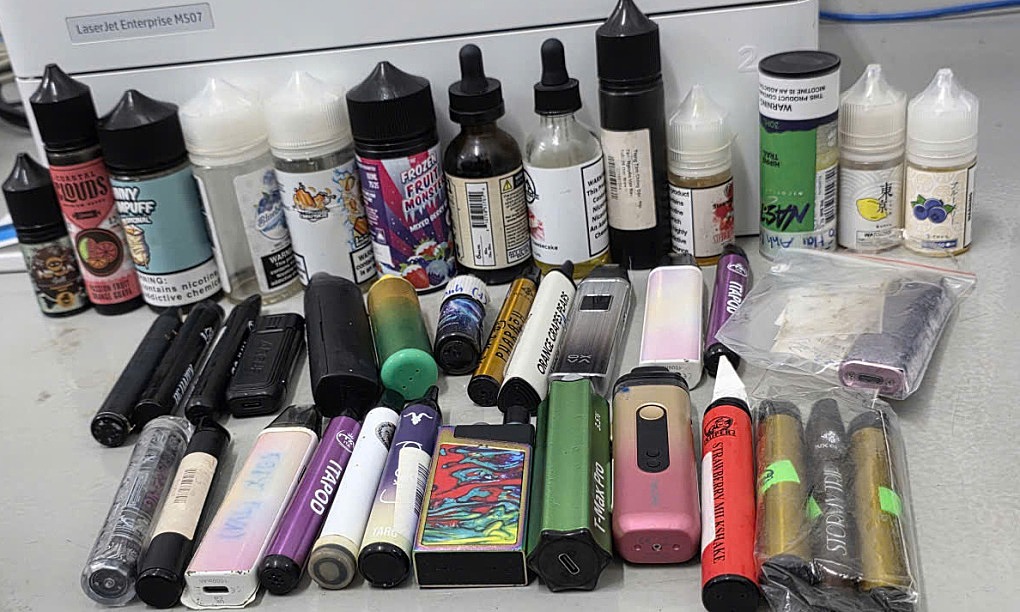
Vaping devices that patients bring to the Poison Control Center at Bach Mai Hospital in Hanoi. Photo by Nhu Loan
Vaping: A Growing Public Health Threat
Medical experts are increasingly sounding the alarm about the burgeoning health threat posed by e-cigarettes, or vapes. Reports of poisoning incidents and severe lung injuries are on the rise, indicating a critical public health challenge. A particularly alarming trend is the growing use of vapes as a delivery system for illicit synthetic drugs.
Recent analyses of e-liquids seized from the market have revealed the presence of a range of dangerous and banned substances. These include potent compounds such as MDMB-BUTINACA, ADB-BUTINACA, synthetic cannabis, and other novel psychoactive substances. The unregulated nature of many of these products means users are often exposed to unknown and potentially lethal chemicals.
These illicit vape products frequently contain thousands of toxic chemicals. Furthermore, they are often loaded with extremely high concentrations of nicotine, frequently formulated as nicotine salts. This formulation is designed to mask the harshness of high nicotine levels, enabling users to inhale massive doses without experiencing the immediate discomfort, thereby increasing the risk of severe overdose and toxicity.
The dangers associated with vaping are now understood to extend beyond those of traditional smoking. Medical professionals emphasize that vapes can contribute to serious health problems, including cancer, cardiovascular damage, and severe cases of pneumonia. Critically, these risks are not confined to the user; individuals exposed to secondhand vapor, especially children and pregnant women, are also vulnerable to these harmful effects.