


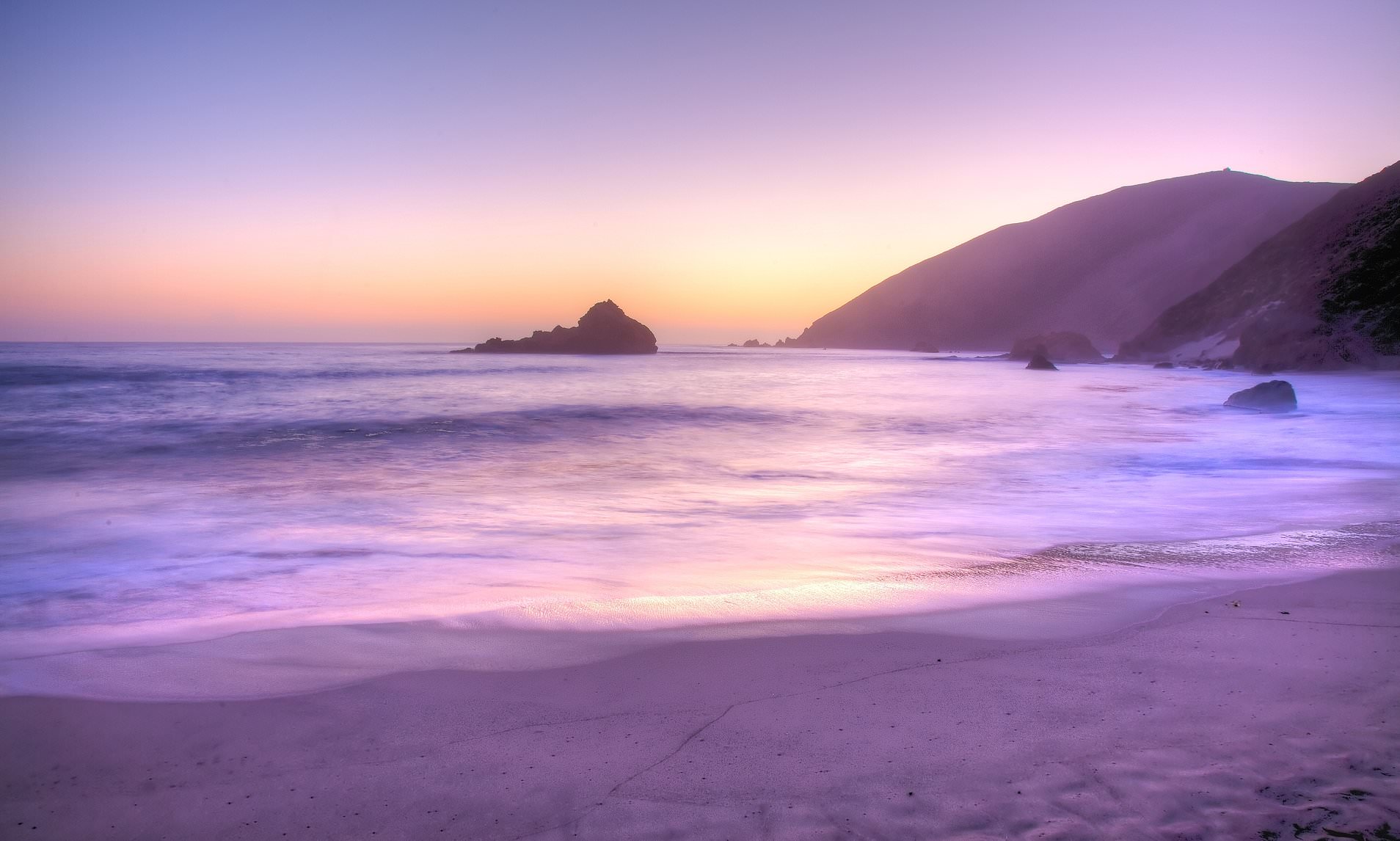

Unique Natural Phenomenon: Purple Sand Beaches
While pink and black sand beaches are relatively common, purple sand is much rarer. The conditions required for a purple sand beach are highly specific and uncommon, making them a unique natural phenomenon. To witness this rare beauty, you’ll need to travel across the pond as most purple sand beaches are found in North America, such as Pfeiffer Beach in California.
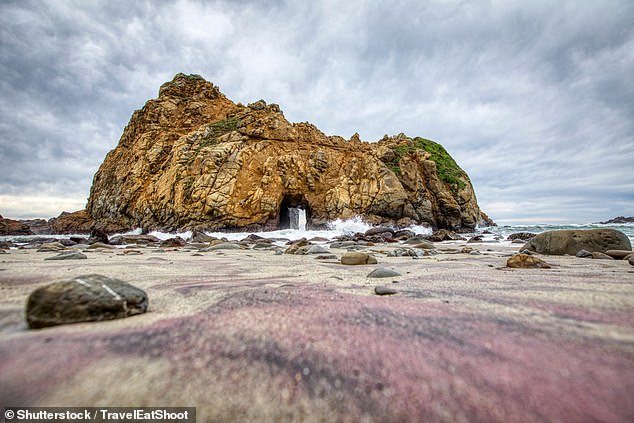
Purple sands are formed when purple minerals, such as garnet, are washed down to beaches from nearby hills or cliffs and accumulate with other sands. The purple color of sand comes from high concentrations of specific minerals that are more resistant to erosion, such as garnet. These mineral-rich rocks are found in the surrounding geology and are eroded, with rain washing the mineral grains down toward the ocean or lakes.

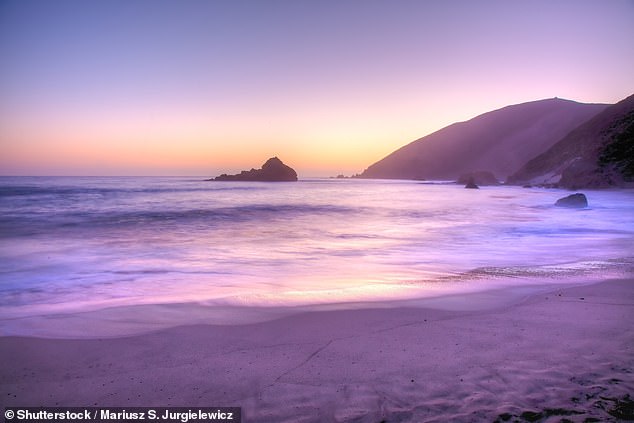
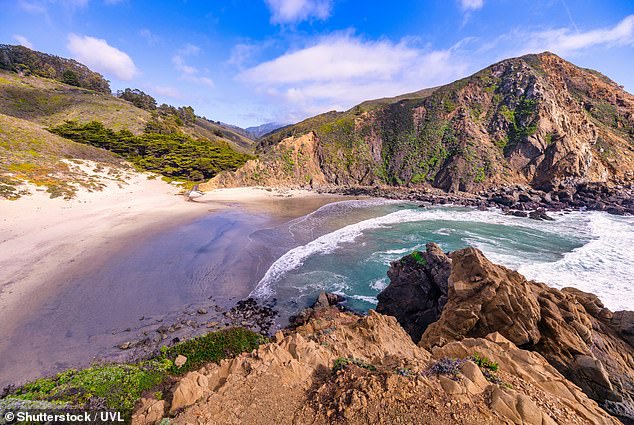
Tan sand, which can be found across most sandy beaches in the UK, is primarily composed of quartz. Purple sand’s distinct hue comes from the garnet’s mineral composition, specifically almandine-pyrope garnet. The sand on these beaches can come in different shades, from lavender to magenta, due to the specific way the garnet was formed, and whether the sand is mixed with other minerals.
In Saskatchewan, Canada, there is a coastal spot called Purple Sands Beach, in Candle Lake Provincial Park, where the sand can appear a range of colors. The sand’s vibrant hues are caused by garnet carried by glaciers from the Canadian Shield and deposited in the lake’s shallow areas. The colors are often more visible after strong winds or large waves churn the sand, and the amount of colored sand can fluctuate with the changing seasons.
These minerals may have been picked up by huge sheets of ice during the last Ice Age and eventually deposited on the lake shores, according to Reader’s Digest. It is normally safe to swim at beaches with purple sand as the garnet isn’t harmful.
Unfortunately, there aren’t any purple sand beaches in the UK. However, some UK beaches feature purple-coloured sandstone, like Caerfai Bay, which is mined for building stone.
Other Interesting Beaches Around the World
Spain’s smallest permanently inhabited island, Nueva Tabarca, stretches just 1,800 metres. The flat, tiny island spans only 400 meters at its widest point – and around 50 people live here year-round.
There are many other fascinating beaches around the world that offer unique experiences. Some UK beaches feature stunning golden sands and crystal-clear waters that could rival the Caribbean. Others, like a breathtaking Scottish beach, might pass for paradise in Thailand, thanks to its silky sands and crystal-clear waters.
There are also hidden gems in the UK that could rival the world’s best beaches. For example, there is an exclusive 7-foot sandy strip that could be Britain’s smallest secret beach oasis. Additionally, there are breathtaking beaches set to steal the spotlight in ‘The Salt Path’ – which of these stunning locations will inspire your next UK coastal adventure?
Each of these beaches offers a unique experience, whether it’s the beauty of the landscape, the clarity of the water, or the tranquility of the surroundings. Whether you’re looking for a place to sunbathe and swim or simply enjoy the natural beauty of the coast, there is something for everyone.

