
Japan’s Economic Outlook and the Role of Fiscal Policy
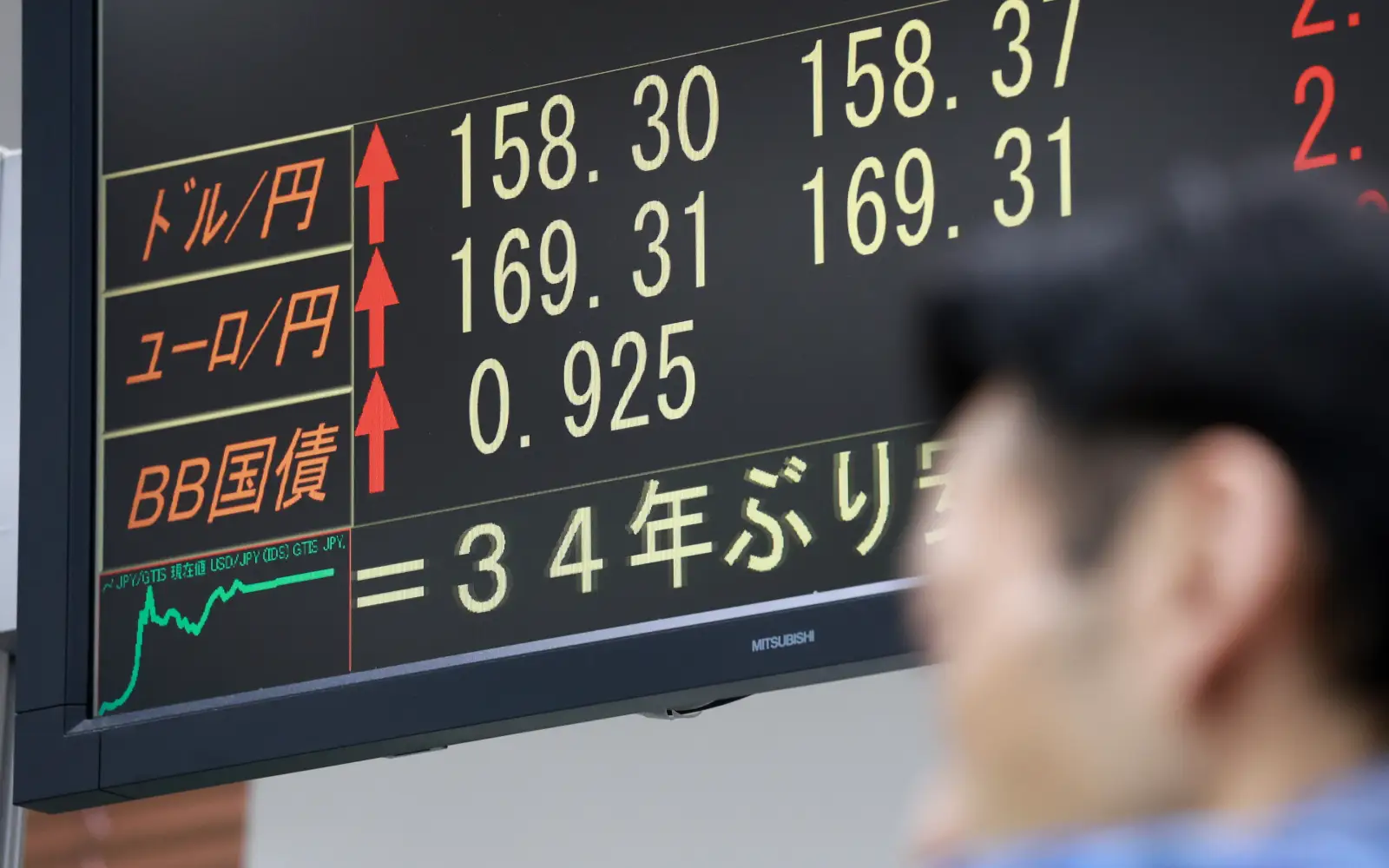
Japan’s current economic landscape is being shaped by a combination of factors, including the weakening yen, rising import costs, and the government’s approach to fiscal and monetary policy. According to Takuji Aida, an economist advising the policy circle of Japan’s likely new premier, Sanae Takaichi, the yen’s weakness can actually benefit the economy if managed properly.
Aida emphasized that while concerns about the impact of a weaker yen on households are valid, these challenges can be mitigated through aggressive fiscal spending. He pointed out that there is a common misconception that a weaker yen is inherently bad, but this mindset needs to change.

“The yen’s current depreciation is beneficial, as it coincides with rising stock prices and growing investor confidence in Japan,” Aida said. He explained that the depreciation has helped drive capital investment and serves as a buffer against US tariffs. This shift in the exchange rate has also made domestic manufacturing more viable at levels around ¥140 or ¥150 to the dollar.
The Impact of Exchange Rates on Manufacturing
The Japanese currency’s appreciation following the burst of an asset-inflated bubble had significant consequences for the country’s economy. It led companies to cut jobs or move operations overseas, which negatively impacted domestic investment. However, the current exchange rate level is helping to reverse this trend, encouraging companies to invest in domestic production.
Aida also highlighted that proactive fiscal policy can help ease the burden of rising import costs. This approach aligns with the economic platform of Sanae Takaichi, who is supported by a group of reflationist-minded ruling party lawmakers. Their policy principles advocate for aggressive government spending to revitalize the economy.
Monetary Policy and Interest Rate Projections
On the topic of monetary policy, Aida suggested that the Bank of Japan (BOJ) is likely to keep interest rates steady until 2027. He noted that the BOJ has already begun moving towards tightening, and it may raise the policy rate to 0.75% by January. After this increase, the central bank is expected to pause to support the government’s spending plans before resuming gradual tightening in 2027.
“In 2027, the effects of (Takaichi’s) proactive fiscal policy will start to kick in, and we’ll see a clear expansion in domestic demand,” Aida said. He added that inflation is likely to pick up in line with domestic demand, prompting the BOJ to begin small, incremental rate hikes.
The BOJ’s Recent Actions and Future Outlook
The BOJ ended a decade-long, massive stimulus program last year and raised interest rates to 0.5% in January. This decision was based on the view that Japan is on the cusp of achieving its 2% inflation target. Governor Kazuo Ueda has signaled the BOJ’s readiness to continue raising interest rates if economic and price developments align with its forecasts.
Aida’s insights reflect a broader shift in Japan’s economic strategy, focusing on both fiscal and monetary measures to stimulate growth and manage inflation. As the country navigates these changes, the interplay between the yen’s value, fiscal policy, and monetary decisions will play a crucial role in shaping its economic future.
Key Points to Consider
- The weakening yen can have positive effects on Japan’s economy when paired with proactive fiscal policies.
- Rising import costs can be offset through strategic government spending.
- The Bank of Japan is expected to maintain a cautious approach to interest rates, balancing inflation control with economic growth.
- The current exchange rate level is favorable for domestic manufacturing and investment.
- The BOJ’s recent actions indicate a commitment to achieving long-term inflation targets while remaining responsive to economic conditions.
By understanding these dynamics, stakeholders can better navigate the evolving economic environment in Japan.