
Global Peacekeeping Forces Face Major Reductions
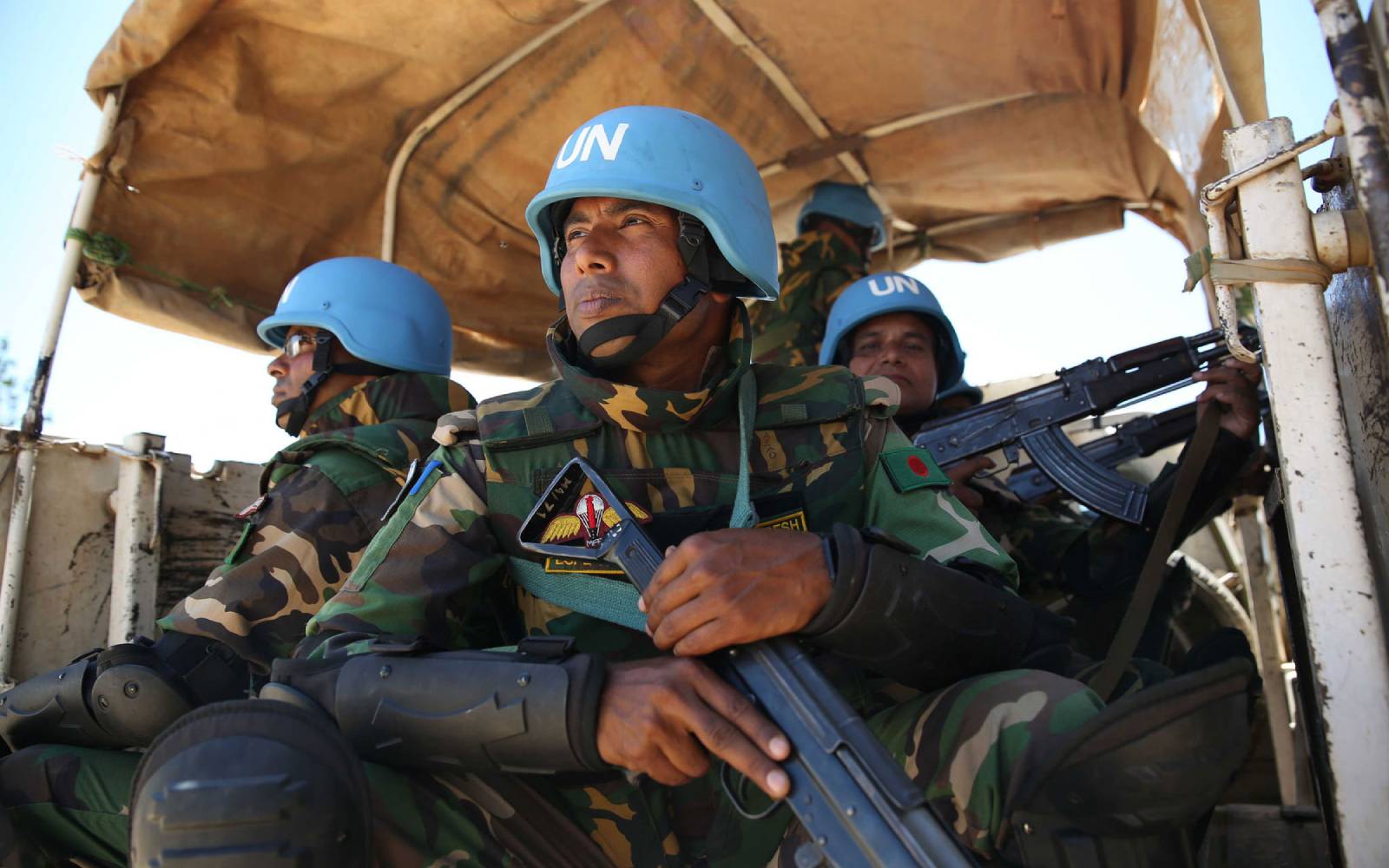
The United Nations (UN) is preparing to cut its peacekeeping forces by approximately 25% due to a significant funding shortfall. This decision comes as a result of reduced financial support from key contributors, particularly the United States. A senior UN official revealed that around 13,000 to 14,000 military and police personnel, along with their equipment, will need to be repatriated. Additionally, a large number of civilian staff involved in various missions will also be affected.
The US was initially expected to contribute $1.3 billion towards the total budget of $5.4 billion for peacekeeping operations in 2025-2026. However, it has now informed the UN that it will only pay about half that amount, or $682 million. This includes $85 million allocated for a new international anti-gang mission in Haiti, which was not part of the original budget. China, on the other hand, is expected to contribute $1.2 billion to the peacekeeping budget. As of July, the UN had $2 billion in unpaid contributions, highlighting the financial challenges faced by the organization.

The current peacekeeping budget is expected to face a shortfall of 16% to 17%. This situation has raised concerns about the effectiveness of peacekeeping missions, particularly in regions where the presence of UN forces plays a critical role in maintaining stability and protecting civilians.
Impact of Funding Cuts
President Donald Trump has long criticized international institutions, claiming they have taken advantage of the US. Since his return to the White House in January, he has overseen significant cuts to US foreign aid. The implications of these cuts are already being felt within the UN system, according to a senior official who noted that there will be consequences in terms of monitoring ceasefires, protecting civilians, and working with humanitarian organizations.
The 25% reduction in troops will affect nine out of the 11 peacekeeping missions currently active. These missions had already developed contingency plans for potential budget cuts. The UN has peacekeepers deployed in several conflict zones, including the eastern Democratic Republic of Congo, southern Lebanon, Central African Republic, South Sudan, and Western Sahara.
Concerns from Human Rights Groups
Louis Charbonneau of Human Rights Watch expressed concern over the potential impact of these cuts. He warned that the reduction in peacekeeping forces could lead to a significant decrease in protection for humanitarian convoys and civilians relying on aid. “We hope the UN will prioritize lifesaving humanitarian and human rights activities,” he added.
Richard Gowan of the International Crisis Group emphasized that the impact of the cuts will vary depending on the specific mission. In places like South Sudan, where peacekeepers provide critical protection to civilians, reducing their numbers could send a dangerous signal. “There was nearly a new war this year, and cutting back peacekeepers sends a very bad signal,” he said.
Looking Ahead
As the UN faces these financial challenges, the global community must consider the broader implications of reduced peacekeeping capabilities. The safety and security of civilians in conflict zones depend heavily on the presence of UN forces. With funding constraints, the organization may struggle to maintain its commitments, potentially leading to increased instability in vulnerable regions.
The situation underscores the importance of international cooperation and the need for consistent financial support from member states. Without adequate funding, the UN’s ability to carry out its vital peacekeeping missions will be severely compromised, leaving many communities exposed to ongoing threats and violence.