
A Survivor’s Story of Survival and Recovery
A survivor of the 7 October 2023 Hamas attack on the Nova Music Festival in Israel has shared his harrowing experience of escaping the massacre. Roey Dray, who was at the festival with a large group of friends and his brother, described how the event turned into a nightmare. Thousands of people were partying late into the night when the music abruptly stopped, replaced by the sound of rockets flying across the sky.
“More and more rockets flew across the sky, more than usual, dozens,” said Dray. At first, he thought they were safe, as rocket attacks were not uncommon. However, the situation quickly changed when Hamas militants approached the festival site.

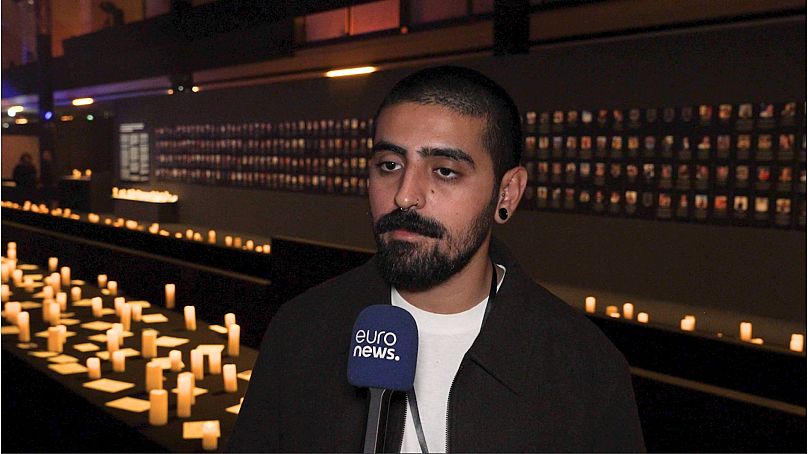
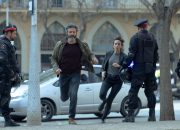
Dray recalled that they had to flee from terrorists shooting at them. Alongside his brother, he ran across the festival grounds, eventually finding a third festivalgoer and driving away. “There was no question in my mind. We’re coming home alive, there’s no other way,” he said. Dray, who is from Beer Sheva, lost three friends during the attack. Their families still carry the pain of their loss.
“I had a responsibility to my friends’ families because I had to tell them how I got here and that their sons, who I was at the festival with, are no longer there,” Dray explained.
Remembering the Victims
Ariel Borok from Tel Aviv lost his sister Anita and her boyfriend Segev in the attack. He lost contact with his sister shortly after the violence began. For days, there was no sign of life, and families searched hospitals in the area. Segev’s father even went to the festival site in hopes of finding him.
“At some point, we thought that maybe they had been abducted to Gaza or that maybe they were dead,” Borok said. He was left with only two possibilities, and the fear was overwhelming. About two days later, he recognized his sister in a video.
“In this video, we saw how Anita and Segev had been shot in their car,” said the 41-year-old engineer. “I just didn’t want to believe it at first.” For the first few months, Borok tried to avoid confronting the reality of the tragedy by focusing on work.
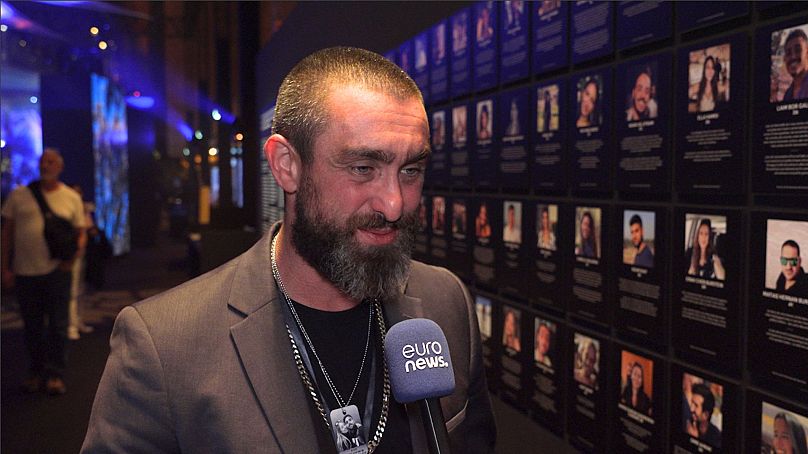
Anita and Segev were known for their happiness, and Borok continues to find strength in remembering them. He has received support from his family and the Nova community. Both Dray and Borok were present at the exhibition “October 7, 06:29 AM – The Moment Music Stood Still” at Berlin Tempelhof Airport.
The day before the exhibition, the last 20 living hostages were handed over to Israel after a ceasefire in Gaza took effect. In Tel Aviv, people celebrated with dancing, singing, and crying. Videos of the reunions spread rapidly on social media. Eleven of the hostages had attended the Nova music festival.
A New Beginning
“Now we can try to heal ourselves,” said Borok, describing the day as both happy and sad. “Some have come back dead,” he added. However, he emphasized that the return of the hostages was a crucial moment for the Israeli community. “Now it’s 8 October,” he explained. “Now we can try to move on, try to heal ourselves.”
For Dray, the return of the hostages was also significant. “We know how Hamas usually behaves, we never thought we would see this day,” he said. Now, he feels more space to breathe and focus on his healing process.
Dray visits the festival site every two months to see how the area has changed. “It has become more of a tourist attraction,” he said. However, for him, the place remains the same. “I know where we pitched our tents, I know where the dance floor was, I know where the toilets were. I can still see it in front of me when I’m there,” he recalled.
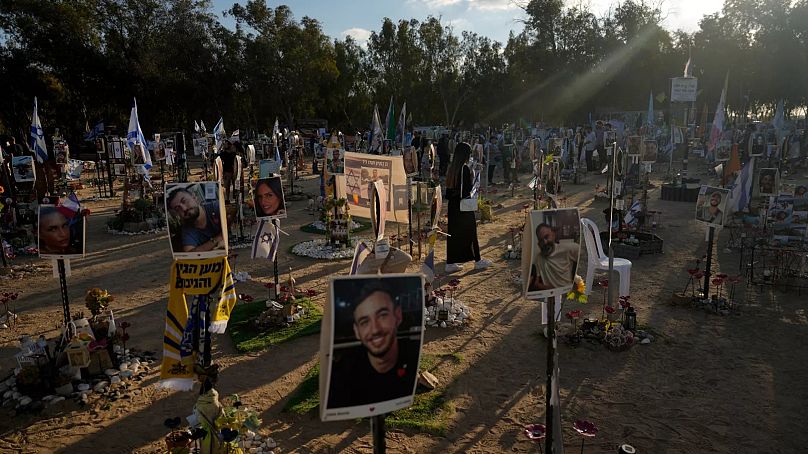
Dray shares his story with locals and refuses to stop talking about his friends. He does this for their relatives and for himself, to keep the memories alive. In Berlin, large parts of the festival site, including the central stage, are on display at Tempelhof Airport, along with remaining artefacts.
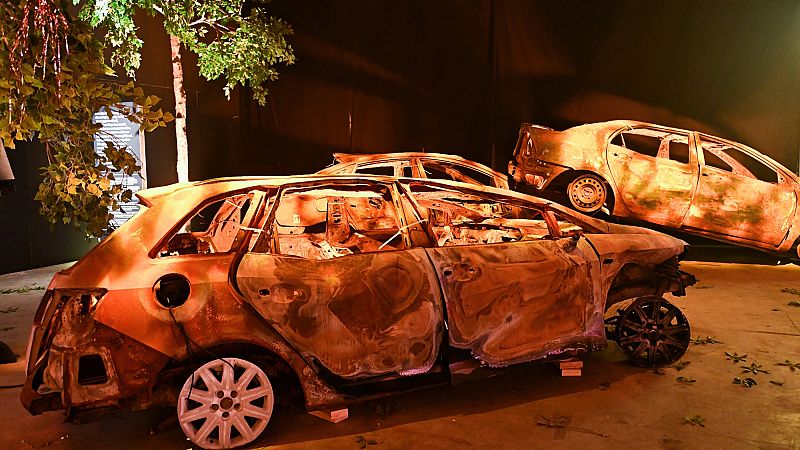
Washing lines hang between the trees, half-full drinks stand at the bar, and a mobile phone is plugged into the charging cable on the camping chair—like the festival visitors had just left. However, upon closer inspection, bullet holes can be seen in the toilet blocks, and the cars in the center of the room are burnt out. Videos with snapshots, witness reports, and pictures can be heard and seen from all corners of the exhibition.
The exhibition has previously been shown in Tel Aviv, New York, Los Angeles, Miami, Buenos Aires, Toronto, and Washington. It will remain in Berlin until 16 November.