
Government Measures to Alleviate Cost of Living Challenges
The UK government has announced a series of measures aimed at helping struggling households cope with the rising cost of living. These initiatives are part of the upcoming Budget, which is expected to address the challenges posed by soaring inflation while ensuring fiscal responsibility.
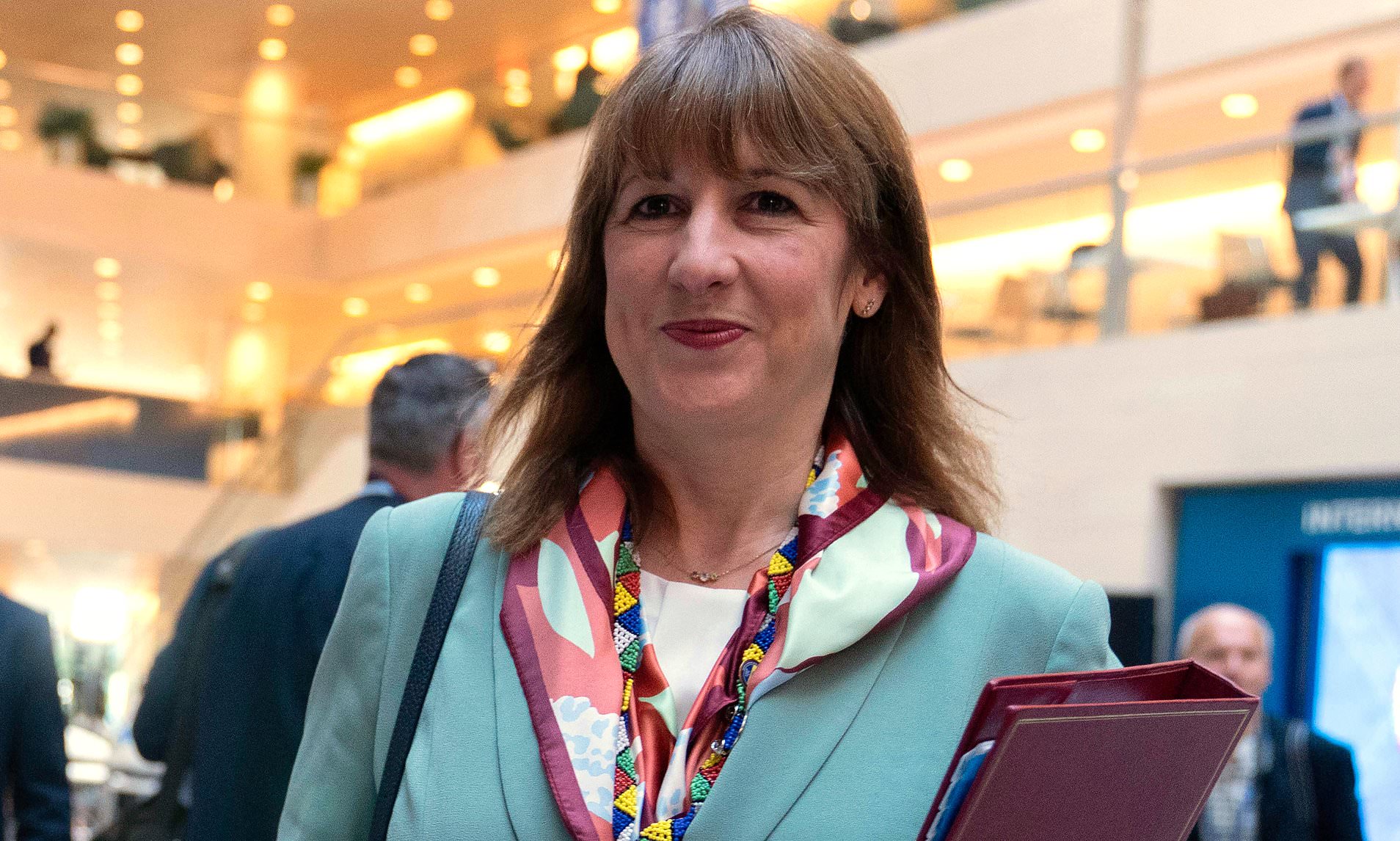
Chancellor Rachel Reeves has emphasized the need for “targeted action” to tackle the cost of living crisis. She highlighted that the government is exploring various options to reduce energy bills and ease financial pressure on families. One of the proposals under consideration is the reduction of VAT on fuel bills, which currently stands at 5%. If implemented, this change could save households approximately £86 per year. However, it is estimated that this move would cost the Treasury up to £1.75 billion annually.

Another potential measure involves lowering green levies that are added to energy bills. These levies contribute significantly to household expenses, costing families over £200 per year. Despite the benefits, this option may not be feasible due to the government’s need to address a £30 billion shortfall in public finances.
During a recent round of interviews, Ms. Reeves acknowledged that inflation remains “too high.” The latest data shows that prices have risen by 3.8% over the past 12 months, with food prices contributing significantly to this increase. The International Monetary Fund (IMF) has also warned that the UK will experience higher inflation than any other leading economy in the coming years.
“We do want to bear down on the costs people face, and are looking at a range of policies in the Budget to further that,” Ms. Reeves stated during her remarks. She emphasized that the government has a role in regulating certain prices, such as energy bills, and pointed out that prescription charges and bus fares have already been capped.

This week, Octopus, the UK’s largest energy supplier, issued a warning that electricity prices could rise by 20% within the next four to five years if the government does not take decisive action. The average annual energy bill for households has now reached £1,755, following a two-per-cent increase in the energy price cap by the regulatory body Ofgem.
Potential Impact of Energy Bill Reductions
The proposed measures to reduce energy bills and potentially abolish VAT on power bills could mark one of the boldest moves by Chancellor Rachel Reeves to address the cost of living crisis. However, these actions may come with significant financial implications for the government. The challenge lies in balancing the need to support households with the necessity of maintaining fiscal stability.
As the government prepares for the Budget, there is growing concern about how these measures might affect inflation. Some analysts argue that slashing energy bills and abolishing VAT could exacerbate inflationary pressures, particularly if the cost of these initiatives is offset through other means.
Additionally, the government faces pressure to navigate the complex landscape of tax hikes amid fears of record-high burdens on households. The ongoing economic challenges highlight the delicate balance between supporting citizens and maintaining economic stability.
Future Outlook
With inflation continuing to rise and the cost of living becoming increasingly burdensome, the decisions made in the upcoming Budget will play a crucial role in shaping the economic future of the UK. The government must carefully consider the long-term impacts of its policies while addressing immediate concerns related to energy costs and financial support for households.
As the situation evolves, it remains to be seen whether the proposed measures will effectively alleviate the financial strain on families or if they will lead to new challenges in the broader economic context. The coming months will be critical in determining the success of these initiatives and their impact on the overall economy.