
A Mother’s Journey: From Fitness to Bowel Cancer Diagnosis
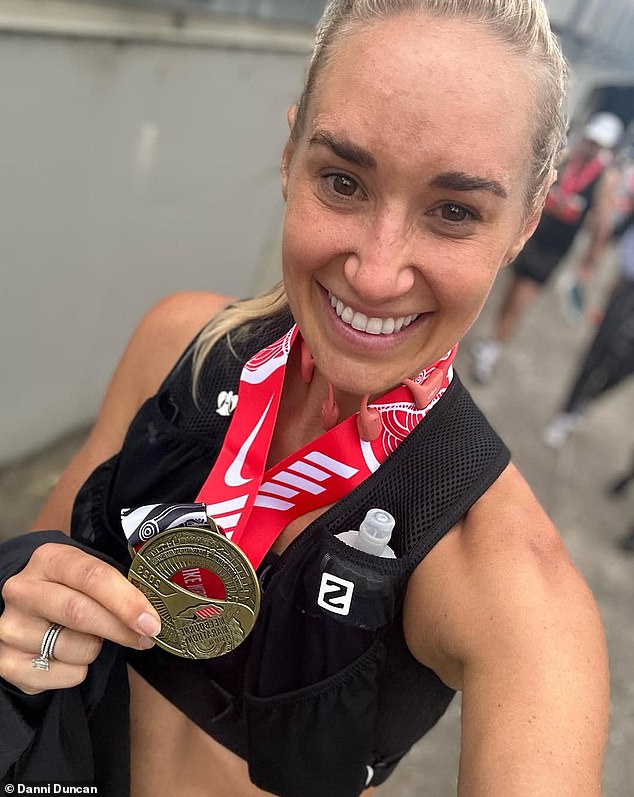
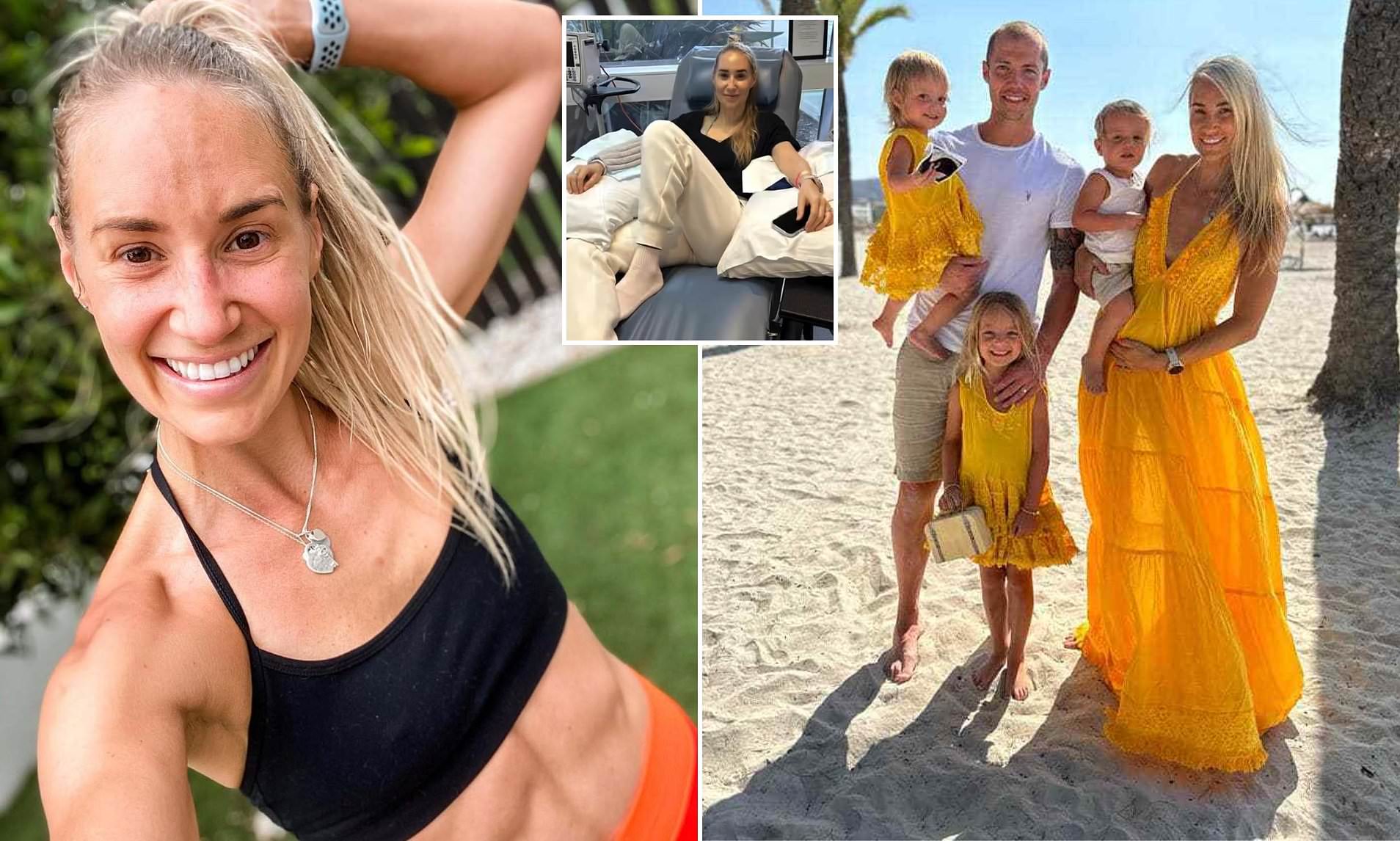
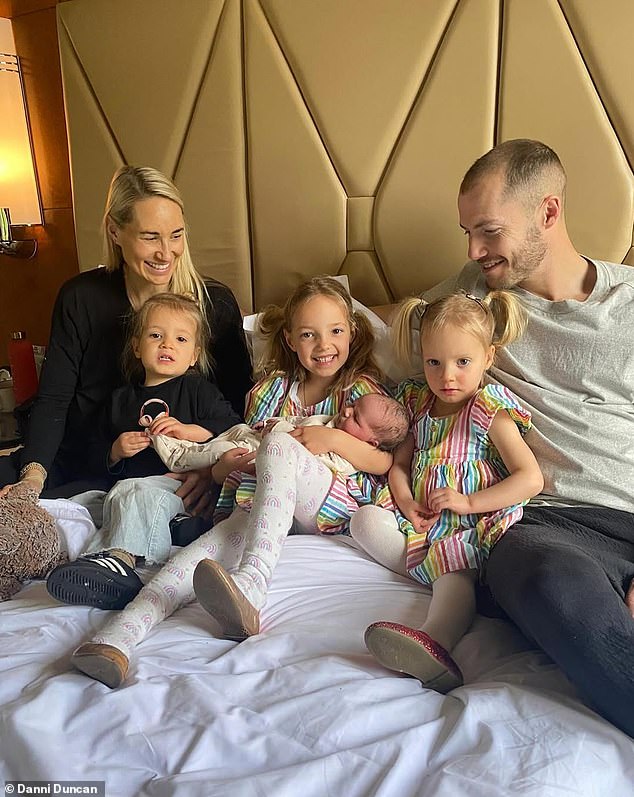
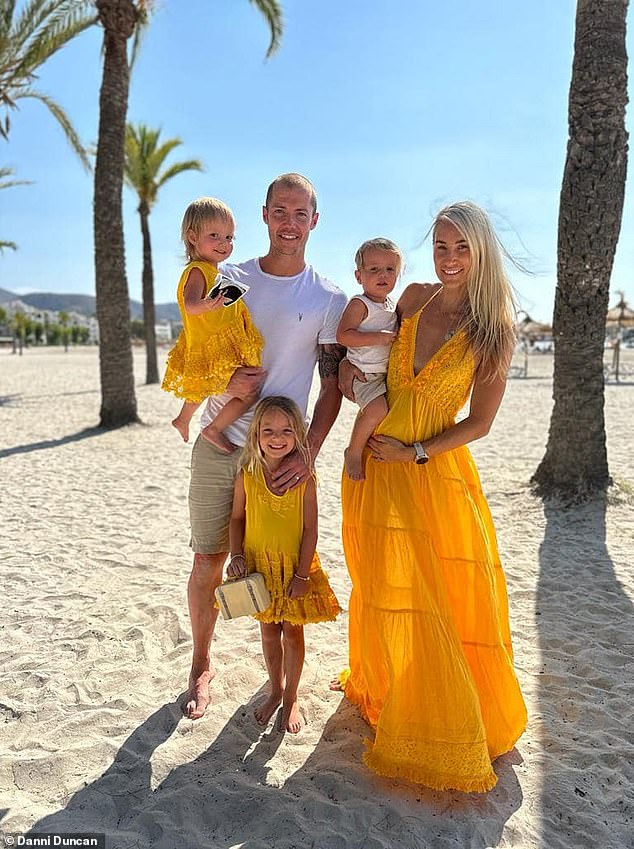
At 39, Danni Duncan was the fittest and healthiest she had ever been. But that changed when she received a shocking diagnosis of bowel cancer, turning her world upside down. As a mother of four, this news was particularly devastating.
Danni, from Melbourne, had just given birth to her fourth child in September 2024 when she began experiencing extreme fatigue that didn’t make sense. At first, she attributed the tiredness and bloating to the demands of caring for a newborn and managing two businesses. However, things took a turn when she struggled to finish a workout at the gym.

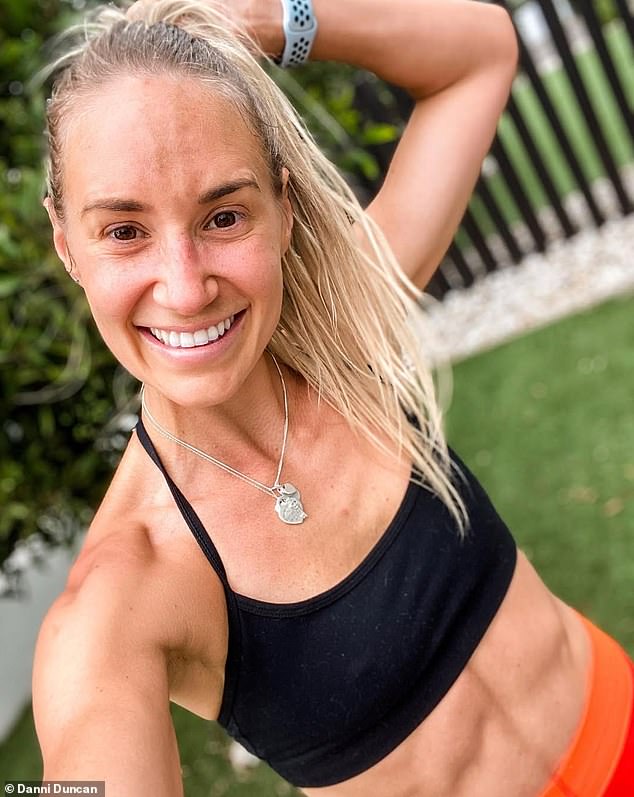
As a fitness and nutrition coach, Danni knew something was seriously wrong. She described feeling as if “life flashed before my eyes” when she was told she had bowel cancer. Despite having no family history of the disease, the diagnosis left her in disbelief. “I couldn’t believe it. My first thought was, ‘No, this can’t be happening, I’m supposed to live to 100.’ I’ve always been fit and healthy. I’m literally one of the healthiest people I know. How has this happened to me?” she shared.
The symptoms escalated quickly. Danni felt dizzy at home and even almost fainted while making breakfast. Her husband urged her to see a doctor, which led to a series of tests. During her appointment, her surgeon suggested that childhood exposure to ultra-processed foods and household cleaning products might have contributed to her cancer diagnosis. This revelation came as a shock to Danni, who recalled growing up on fruits and vegetables but also consuming processed ham and cheese with white sandwich bread.
Understanding the Risks
While the link between ultra-processed foods and cancer is not well established, eating these foods often or in large quantities may contribute to an increased cancer risk. These foods are high in energy, saturated fat, added sugars, and sodium, and low in nutrients such as vitamins and minerals. Consuming too many ultra-processed foods may lead to not eating enough of the foods known to help prevent cancer, such as wholegrains, fruits, and vegetables.
Although the chemicals used in household products are generally of low toxicity, there is currently no evidence that they cause cancer.
The Emotional Struggle
Danni’s biggest challenge was breastfeeding her youngest child, London, who is now 14 months old. Her dream was to breastfeed her for 12 months, which she hadn’t managed with her other children. However, during chemotherapy, she had to stop breastfeeding, which felt like an unnatural and heartbreaking experience. Danni expressed her hope to return to feeding her daughter later this month.
Before her diagnosis, Danni was training and competing in back-to-back marathons. One day, she failed to finish a race, stopping at 30km. She initially blamed it on broken sleep, four kids, and two businesses. Weeks later, she experienced bloating and dizziness, leading her to seek medical attention.
Diagnosis and Treatment
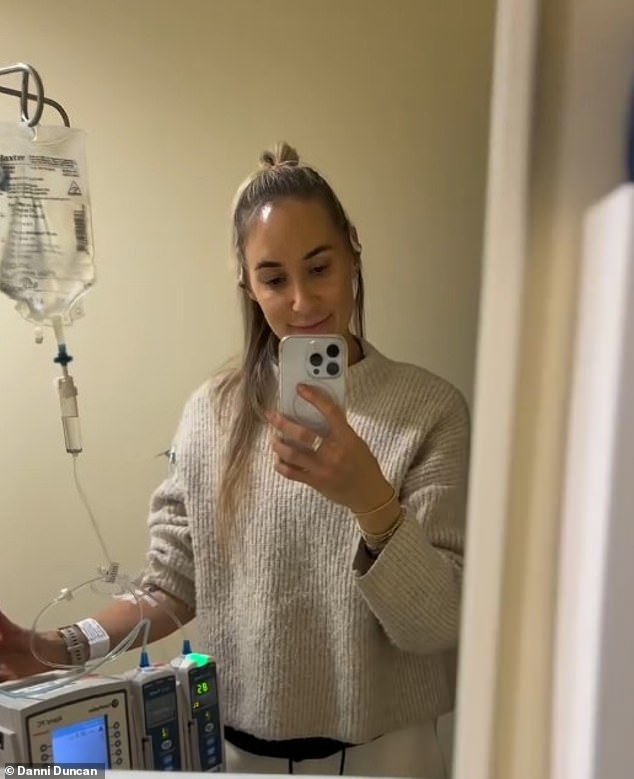
Her tests revealed severe anemia, with a hemoglobin level of 77 and iron levels at 1. This raised concerns about her not having a period despite such low levels. She was booked for an urgent iron infusion and colonoscopy and gastroscopy to determine the source of the blood loss. More than a week later, she discovered a 2.7cm tumor in her bowel.
The only symptoms she experienced were fatigue and bloating. Danni emphasized that the unusual fatigue was a big red flag, as she eats healthy and is very active. However, apart from that and bloating, there were no other symptoms.
In May this year, she was diagnosed with stage 2B bowel cancer, meaning the tumor had gone through the bowel wall but had not yet spread to the lymph nodes. Danni admitted that cancer never crossed her mind. “No blood in stool, no bowel changes, no weight loss. My doctor explained that because of the amount of blood I was losing, I probably did have blood mixed in before passing – so I never saw it.”
Recovery and Advocacy
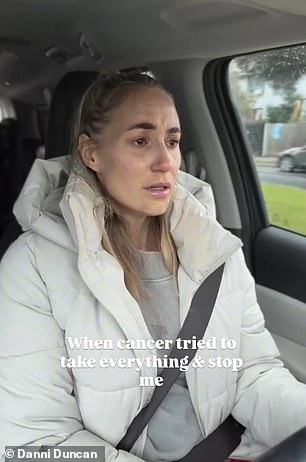
After her post-chemo oncology appointment, Danni received promising news: she is now “cancer free.” However, she will have routine blood tests every three months and yearly colonoscopies and CT scans. By sharing her story, Danni hopes Australians get checked if they notice any unusual symptoms, no matter how minor they are.
She lost a friend recently to bowel cancer, who died within five days of finding out because it had spread to his liver and lungs. Danni emphasized the importance of early detection and awareness, stating that bowel cancer is no longer an old person’s disease. It affects young, fit, healthy adults.
Expert Insights
Weighing in on Danni’s case, colorectal surgeon Dr. Graham Newstead noted that while lifestyle factors such as diet and exposure to chemicals are often linked to the disease, scientific evidence supporting these claims is limited. He explained that the onset of bowel cancer is not fully understood, and while lifestyle factors may play a role, they are not definitive causes.
Dr. Newstead highlighted that increased life expectancy has changed the patterns of bowel cancer occurrence in Australia. Historically, most cases occurred in older people, but now, we are seeing cases in younger individuals. He emphasized the need for awareness among young people, urging them not to ignore symptoms like blood in the stool or persistent changes in bowel habits.
Key Takeaways
Bowel cancer, also known as colorectal cancer, is the fourth most commonly diagnosed cancer and the second deadliest in Australia. If detected early, the chances of successful treatment and long-term survival improve significantly. Common signs include abdominal pain or bloating, constipation, diarrhea, unexplained weight loss, tiredness, weakness, or breathlessness.
Dr. Newstead stressed the importance of recognizing warning signs such as blood in the toilet or on the paper, even if it seems to come from hemorrhoids. Persistent changes in bowel habits, including frequency, consistency, or diameter of stools, are also significant indicators.

Conclusion
Danni’s journey highlights the importance of being vigilant about health symptoms, regardless of age or fitness level. Her story serves as a reminder to advocate for oneself and seek medical attention when something feels off. Through her experience, Danni hopes to raise awareness about bowel cancer and encourage early detection, emphasizing that it is a disease that can affect anyone, regardless of their lifestyle.