
The Rise of Autonomous Vehicles in Los Angeles
There’s something undeniably thrilling about sitting in the passenger seat of a driverless car. Even though self-driving cars have become a common sight on the streets of Los Angeles, they still manage to bring a Cheshire Cat-sized grin to my face. These vehicles are changing the way people move around American cities, and I can’t help but feel a sense of wonder every time I step into one.
The biggest player in this space is Waymo, the dial-a-ride service run by Alphabet, the tech giant behind Google. With operations now spanning Los Angeles, San Francisco, and Phoenix, Arizona, the company has announced plans to introduce robotaxis to London in early 2026. In a recent statement, Waymo expressed excitement about the upcoming launch, saying, “Hello London! Great news. We’re bringing our fully autonomous ride-hailing service across the pond where we intend to offer rides – with no human behind the wheel – in 2026.”

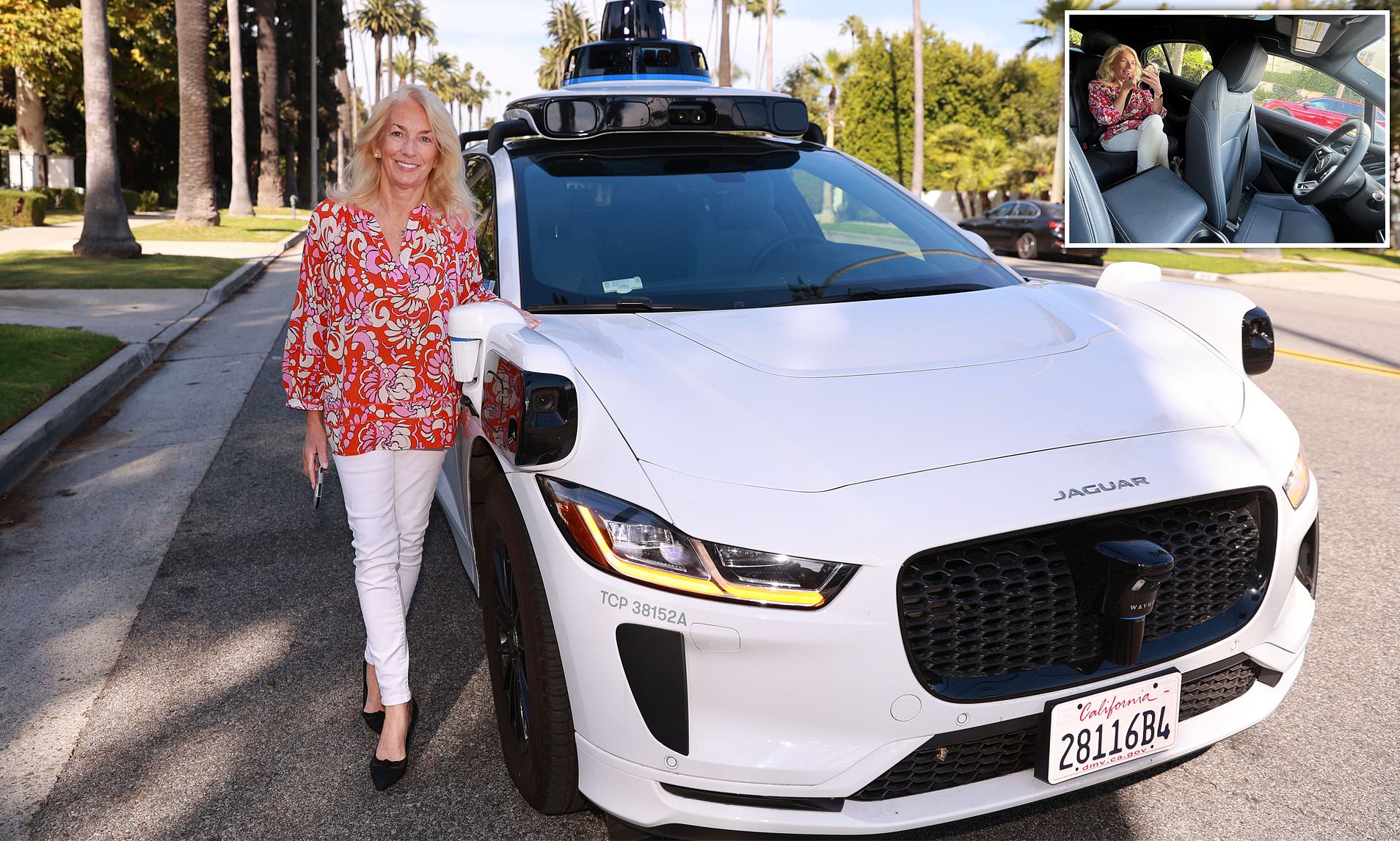
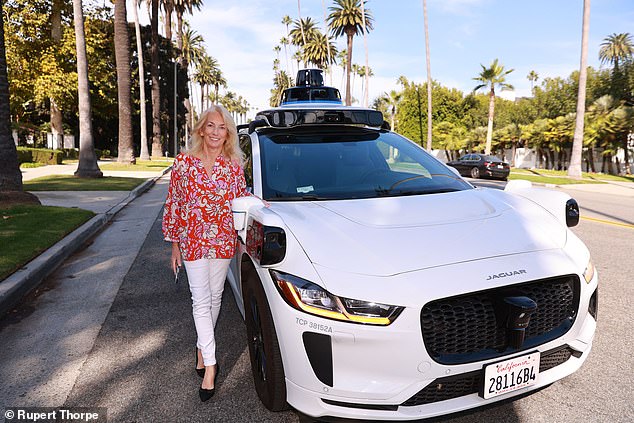
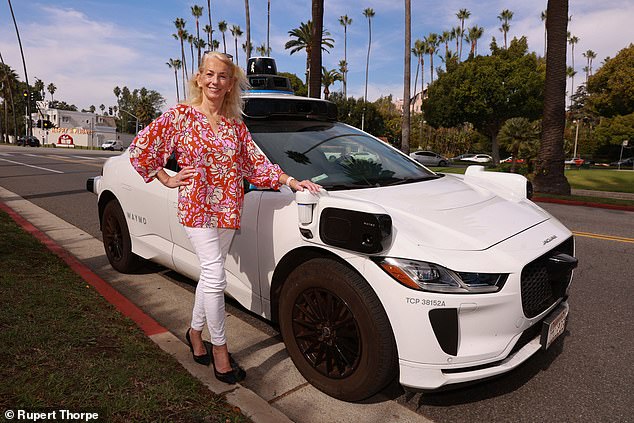
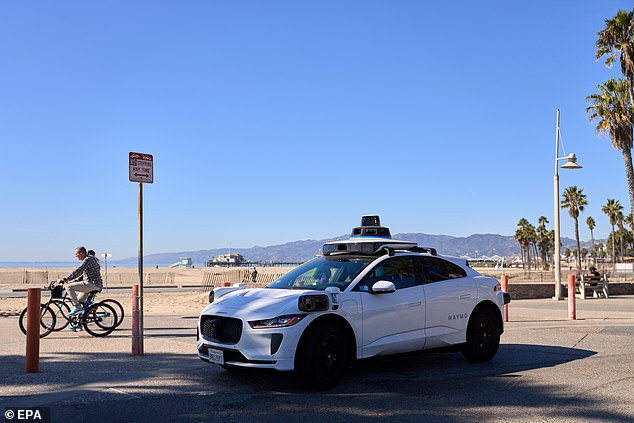
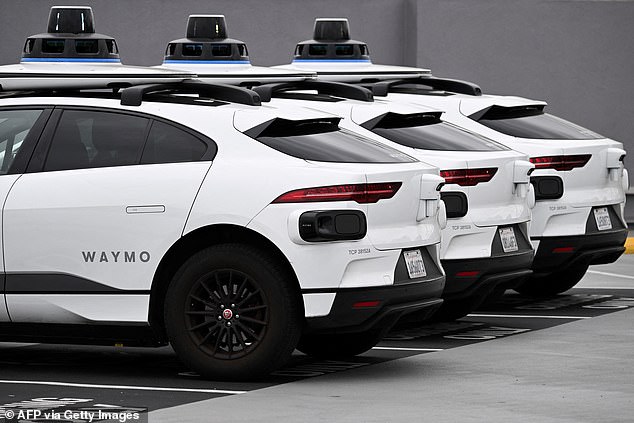
The Waymo app was only made available in LA last November, and since then, its fleet of white, electric I-PACE Jaguars has become a familiar sight on the streets. These vehicles glide past, turning heads as they navigate the city.
For a city with a sparse metro system, simpler ways to get around are desperately needed, especially ahead of major events like the World Cup in 2024 and the Olympics in 2028. LA residents often experience the futuristic joy of robotaxis when out-of-town visitors come to town. My girlfriend, for instance, was captivated by the sight of Waymos zipping past and the super-cute delivery robots that deliver Uber Eats takeaways.
However, safety concerns have been raised. In 2023, I wrote a scathing piece about the chaos caused by robot cars in San Francisco, where some incidents included a car plowing into a bus and another driving through police crime tape. Despite these challenges, technology has advanced rapidly. Waymo claims its vehicles have 79% fewer accidents involving airbag deployment than human drivers.
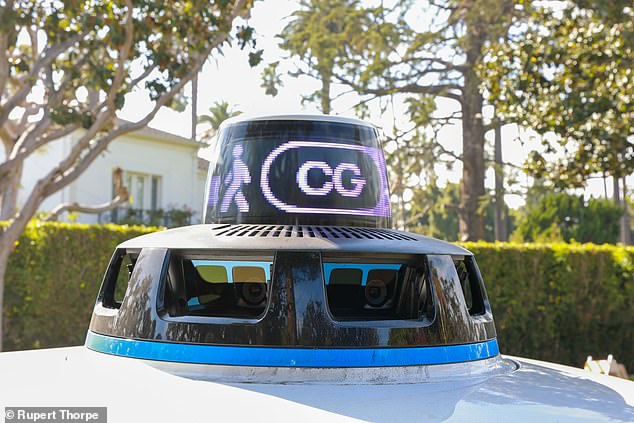
Data from every trip is fed back to the firm, allowing it to continuously improve. The vehicles are equipped with spinning lidars on the roof, which use radar, sensors, and cameras to “see” up to 300 meters in every direction. This data is processed by an AI ‘brain’ that predicts the actions of pedestrians, cyclists, and other drivers.
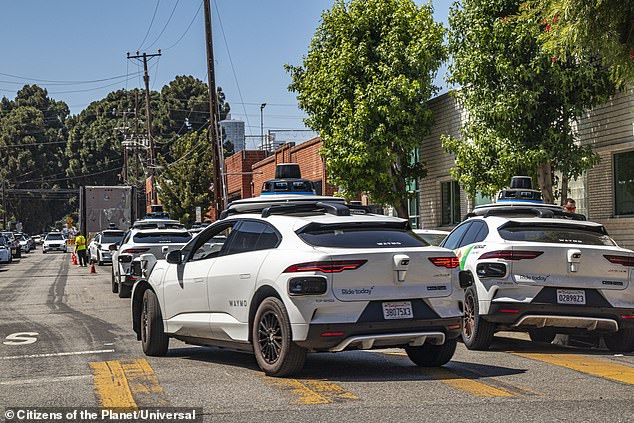
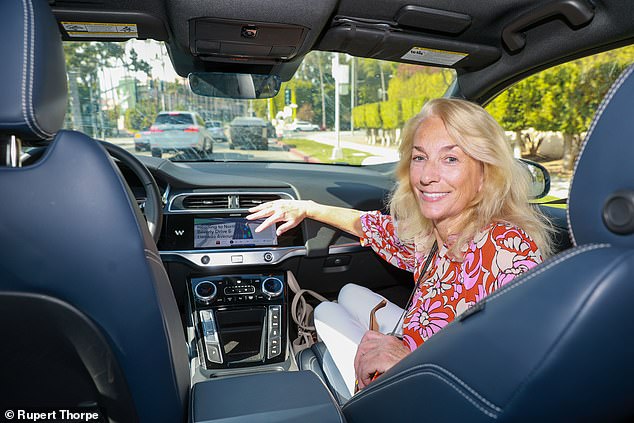
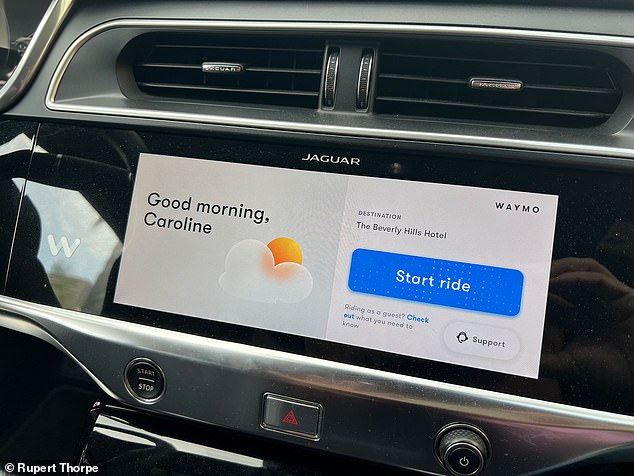
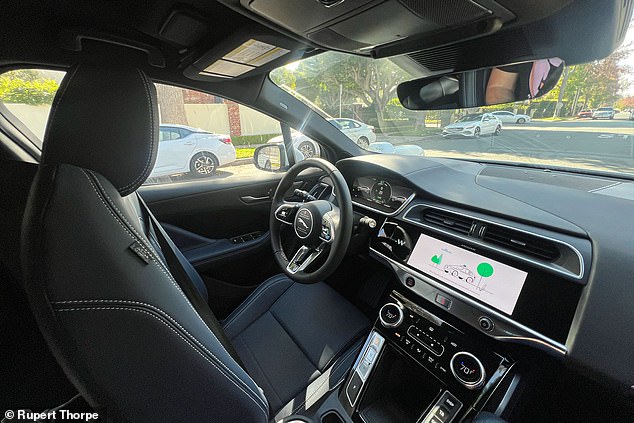
The experience of using a Waymo is smooth and efficient. You call them on the app, and the car arrives within minutes, just like an Uber. The price is similar, and you can track the car on the app. Once inside, the car greets you by name, waits for five minutes, and reminds you to put on a seatbelt. The cars are usually clean and quiet, moving with precision.
While there are challenges, such as navigating roundabouts or dealing with aggressive drivers, the benefits of autonomous vehicles are clear. For women, in particular, the absence of a human driver offers a sense of security, especially after a few drinks late at night.
Waymo’s commercial fleet now totals more than 2,000 vehicles across the US, with plans to expand to Detroit, Las Vegas, and San Diego in 2026. Miami and Washington DC will follow. Earlier this year, it started operating in Tokyo, but that is still in the test phase. London and the UK are the main targets now.
A source revealed that London has been a focus for some time, with plans to launch sooner than expected. While regulatory hurdles remain, the company is close to securing a deal. London will be followed by major cities like Manchester, Liverpool, Birmingham, and Edinburgh.
Waymo’s rivals, including Elon Musk’s Tesla, Chinese company Baidu, and Jeff Bezos’ Zoox, are lagging behind. According to the source, Alphabet’s deep pockets and access to Google’s data give Waymo a significant advantage. The company has focused on safety first, which sets it apart from competitors like Tesla.
Despite its impressive numbers, a tragic incident involving a cat named KitKat remains a point of controversy. A Waymo car accidentally killed the cat, sparking criticism from AI-sceptics. Protesters have placed orange cones around Waymo vehicles, but the cars have since been programmed to maneuver out of such situations.
While these issues are small compared to the advantages of a driverless world, the future looks promising. Autonomous cars are set to revolutionize transportation, much like Henry Ford did for the coach and horse. So buckle up, Britain — the age of driverless vehicles is approaching, and it’s here to stay.