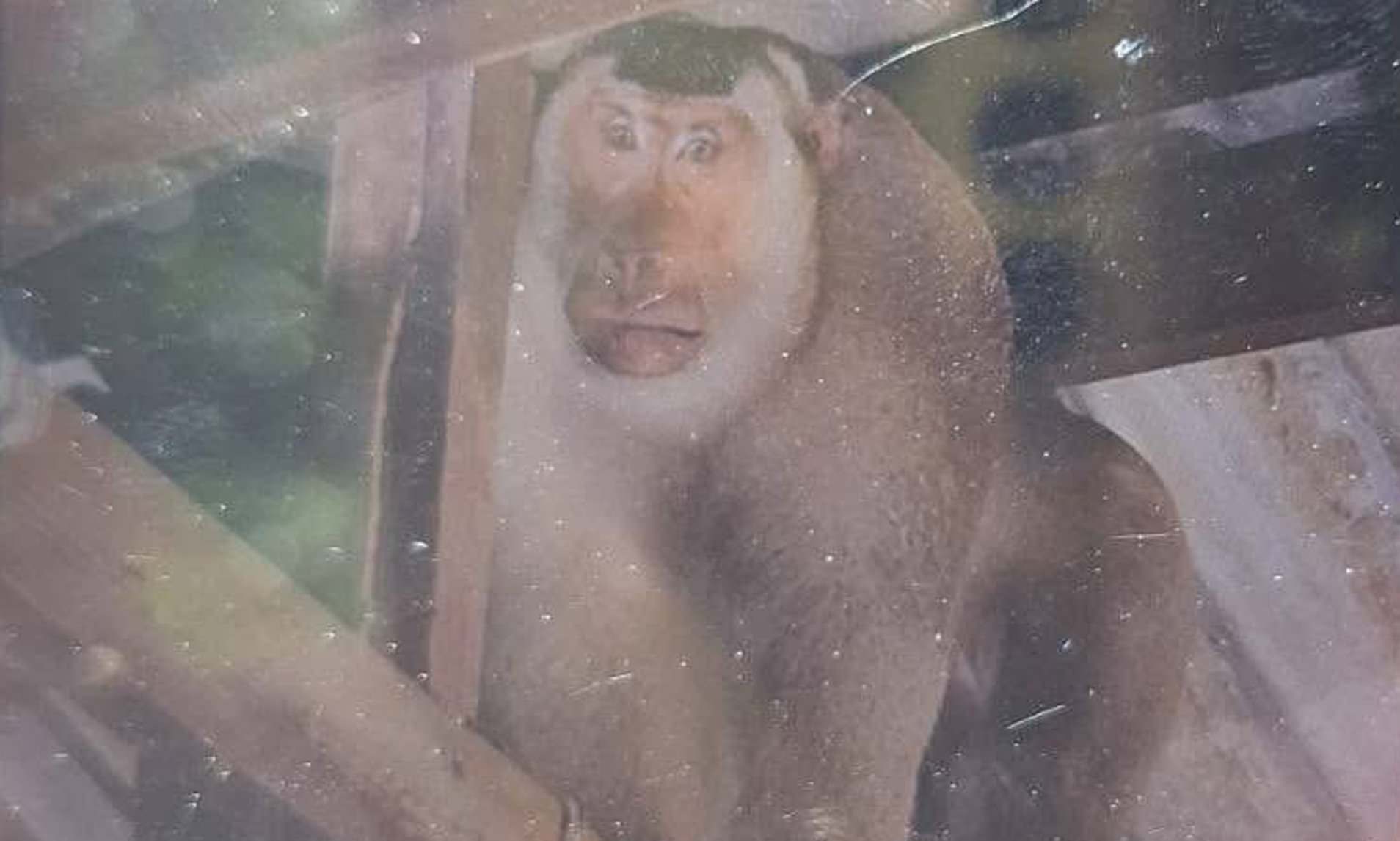

A tragic incident in Thailand has left a pensioner dead after a brutal attack by a wild monkey within his own residence. The victim, identified as 63-year-old Chaiphum Sae-eung, reportedly succumbed to injuries sustained during a confrontation with an aggressive macaque in Yala province.
Initial reports suggest that Chaiphum attempted to defend himself against the intruding monkey, believed to be a male macaque known for terrorising locals in the area. The animal reportedly scratched him repeatedly before inflicting a severe bite on his left leg.

Staggering from the attack and losing blood, Chaiphum was unable to regain his footing. His body was later discovered slumped against a wall, bearing numerous bite marks. The gruesome discovery was made by his nephew, Pipat Sae-eung, who found Chaiphum on December 6 in a pool of blood.
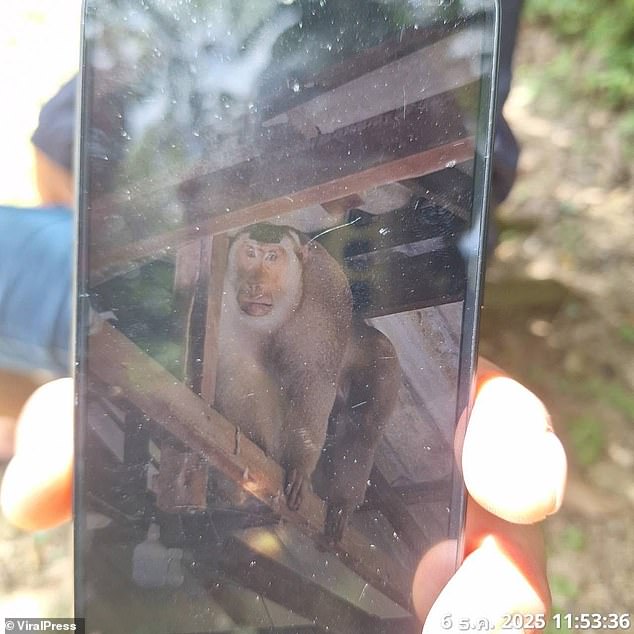
Upon arrival at the scene, police officers found the deceased still clutching a metal rod, presumably used in a desperate attempt to ward off the animal. Dried blood was visible on the floor, along with a mix of animal and human footprints. The suspected killer, a male pig-tailed macaque, was spotted perched on the rafters, seemingly observing the scene below.
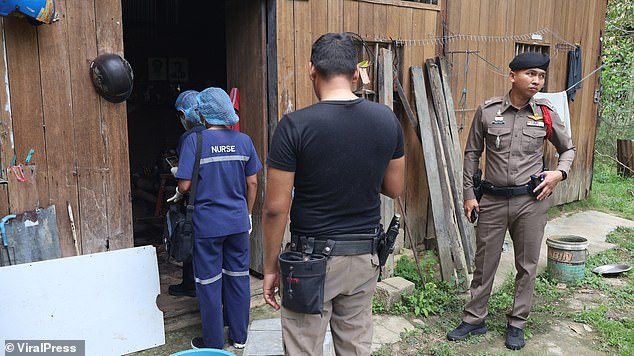

Police Major Jakkarin Laksana of the Betong Police Station provided further details: “We estimate that he had been dead for approximately two to three days, as his body was bloated and emitting a strong odour. His body has been sent to Betong Hospital for a post-mortem examination. At this time, we do not believe any other individuals were involved in his death.”
Local residents have indicated that the monkey in question had been displaying aggressive behaviour in the area, often seen trailing a female. It had reportedly bitten Chaiphum on the shoulder approximately 10 days prior to the fatal attack. In a separate incident just days before, the same monkey allegedly lunged at a family, forcing them to flee their home in fear.
In response to the escalating threat, authorities have launched a hunt for the violent primate, prioritising the safety of the community. A shoot-to-kill order has been issued for the animal.
Police Major Jakkarin stated, “The monkey will be killed if sighted. The risk of it attacking more people is simply too great.”
This incident highlights the growing challenges Thailand faces with its macaque population. The monkeys are becoming increasingly bold, venturing into urban areas, raiding towns, and engaging in confrontations with residents. This escalating conflict raises concerns about public safety and the need for effective wildlife management strategies.
The situation in Thailand reflects a broader global trend of increasing human-wildlife conflict. As human populations expand and encroach upon natural habitats, encounters with wild animals become more frequent, sometimes with tragic consequences. Addressing this challenge requires a multi-faceted approach, including:
Habitat Preservation: Protecting and restoring natural habitats is crucial to reducing the need for animals to venture into human-dominated areas in search of food and shelter.
- This includes establishing protected areas, managing forests sustainably, and promoting responsible land use planning.
- Conservation efforts should also focus on maintaining biodiversity to ensure healthy ecosystems that can support wildlife populations.
Community Education: Educating local communities about wildlife behaviour and safety precautions is essential to preventing conflict.
- This can involve workshops, public awareness campaigns, and educational materials that teach people how to avoid attracting animals, respond safely to encounters, and report incidents to the authorities.
- Community involvement in conservation efforts can also foster a sense of ownership and responsibility, leading to more sustainable solutions.
Population Management: In some cases, managing wildlife populations may be necessary to mitigate conflict.
- This can involve non-lethal methods such as relocation, sterilization, and habitat modification to reduce the number of animals in conflict zones.
- Lethal control should only be considered as a last resort when other methods have failed and the safety of human lives is at risk.
Enforcement of Regulations: Strong enforcement of wildlife protection laws and regulations is crucial to deterring illegal hunting, trapping, and trade.
- This requires adequate resources for law enforcement agencies, as well as effective prosecution of offenders.
- International cooperation is also essential to address transboundary wildlife crime.
Research and Monitoring: Continuous research and monitoring are needed to understand wildlife populations, their behaviour, and the factors that contribute to human-wildlife conflict.
- This information can be used to develop evidence-based strategies for mitigating conflict and promoting coexistence.
- Monitoring programs can also help track the effectiveness of conservation efforts and adapt management practices as needed.
The death of Chaiphum Sae-eung serves as a stark reminder of the potential dangers posed by wild animals and the importance of finding effective solutions to manage human-wildlife conflict. A comprehensive and collaborative approach is needed to protect both human lives and the natural world.