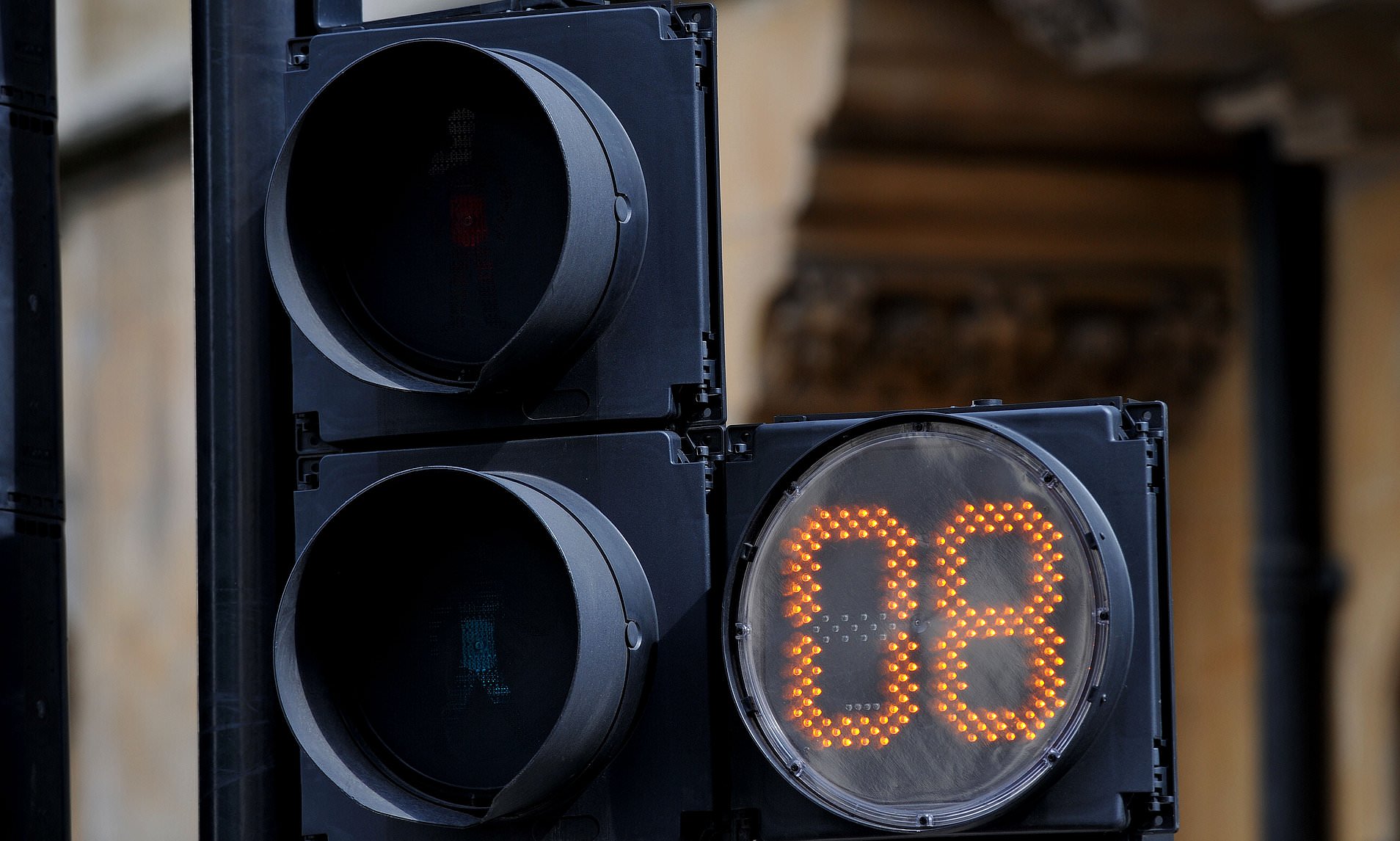

Why are Singapore’s pedestrian crossings a potential hazard for senior citizens? Research suggests crossing times may be too short.
Crossing the road in Singapore might seem like a simple task, but for many senior citizens and individuals with mobility issues, it can be a daunting and potentially dangerous experience. A recent study highlights a critical issue: the timing of pedestrian crossings may not adequately accommodate the walking speeds of older adults, putting them at risk.

The study reveals that standard pedestrian crossing times often fall short of what’s needed for safe passage. This isn’t just a minor inconvenience; it’s a serious concern that can impact the independence, physical activity, and social engagement of older Singaporeans.
The Research Findings: A Closer Look
Researchers analysed the walking speeds of over a thousand adults aged 65 and above. The findings paint a concerning picture:
- Slower Walking Speeds: The average walking speed of the participants was significantly lower than the speed assumed in the design of most pedestrian crossings.
- Insufficient Time: The time allocated for crossing is often insufficient, forcing older adults to rush or risk being caught in the middle of the road when the light changes.
- Mobility Challenges: Age-related factors, such as reduced strength and balance, contribute to slower walking speeds, exacerbating the problem.
Dr. Max Western, from the University of Bath’s Centre for Motivation and Behaviour Change, underscores the gravity of the situation: “Current crossing times might be unrealistic for many older people who face challenges with their mobility. This isn’t just a safety issue – it’s potentially a barrier to independence, physical activity, and social connection, all of which often decline in later life.”
Professor Afroditi Stathi, from the University of Birmingham, further elaborates, “Older adults often face challenges staying active and connected, especially when mobility is reduced. Designing outdoor spaces that work for everyone – such as allowing enough time to cross the road – can boost confidence, support independence, and help them remain engaged in their communities – all key to a better quality of life.”
Implications for Singapore
These findings have significant implications for Singapore, a country with a rapidly aging population. As the number of senior citizens increases, it becomes crucial to create a more age-friendly environment that supports their safety and well-being.
The current pedestrian crossing timings may inadvertently create barriers for older adults, limiting their ability to participate fully in community life. This can lead to:
- Reduced Physical Activity: Fear of not being able to cross the road safely may discourage older adults from walking and engaging in physical activity, which is essential for maintaining their health and independence.
- Social Isolation: Limited mobility can lead to social isolation, as older adults may be less likely to leave their homes and interact with others.
- Increased Risk of Accidents: Insufficient crossing times increase the risk of accidents, potentially resulting in injuries and fatalities.
Recommendations for Improvement
To address this issue, experts suggest several measures that can be implemented in Singapore:
Adjust Crossing Times: The most immediate solution is to adjust pedestrian crossing times to reflect a more realistic walking speed for older adults. A walking speed of 0.7 metres per second is recommended.
Implement Audible Signals: Audible signals can provide valuable cues for visually impaired pedestrians, helping them to cross the road safely.
Install Longer Crossing Distances: Roads can be narrowed, or crossing points extended to allow for longer crossing times without impacting traffic flow.
Raise Awareness: Public awareness campaigns can educate drivers and pedestrians about the challenges faced by older adults and encourage them to be more patient and considerate.
Conduct Further Research: Ongoing research is needed to better understand the mobility needs of older adults and to develop innovative solutions that can improve their safety and independence.
By taking these steps, Singapore can create a more inclusive and age-friendly environment that allows all residents, regardless of age or mobility, to cross the road safely and confidently. This will not only improve the quality of life for senior citizens but also contribute to a more vibrant and connected community for everyone.