



Call for Reassessment of Military Recruitment Age Limits in Ghana
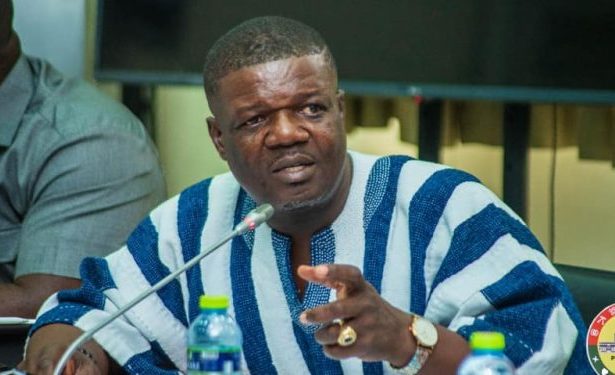
Rockson-Nelson Dafeamekpor, the Majority Chief Whip and Member of Parliament for South Dayi, has raised concerns about the current maximum age limit for enlistment into the Ghana Armed Forces (GAF). He argues that the existing standard may be overly restrictive and could be hindering the country from tapping into a broader pool of potential recruits.
In a recent social media post, the legislator shared that he had received numerous complaints from party supporters and young Ghanaians who felt they were being unfairly excluded due to the age ceiling. This prompted him to conduct a comparative analysis of military recruitment age limits across various countries both within Africa and globally.

Comparative Analysis of Age Limits in Other Nations
The findings from his research revealed that many countries have significantly higher upper-age thresholds for military service than Ghana. For example:
- Benin, Côte d’Ivoire, and Togo allow individuals to join up to the age of 35.
- Tanzania has an exceptionally high limit, allowing enlistment up to 62 years.
- In Nigeria, the age limit varies by role but generally extends to 35 years.
- South Africa sets the maximum at 26 years for graduates.
Outside of Africa, the age limits also vary:
- Australia allows enlistment up to 56 years.
- Germany permits service up to 50 years.
- The United States has a range of 35 to 42 years, depending on the branch of service.
These differences highlight the variability in how different nations approach military recruitment based on factors such as fitness, expertise, and the specific needs of their armed forces.
Recommendations for Ghana
Based on these comparisons, Hon. Dafeamekpor suggested that Ghana could consider increasing its upper age limit to 35 or even 40 years, provided that applicants meet the required medical and physical fitness standards. He emphasized that this change would be particularly beneficial for non-combatant or technical roles, where experience and skill may be more critical than physical age.
“We need new ways of doing things, if other countries are expanding opportunities based on fitness and expertise, Ghana can do the same to tap into a wider pool of qualified and motivated citizens,” he stated.
Public Reaction and Implications
The MP’s suggestion has sparked discussions on social media, with some users expressing support for the idea. They argue that revising the recruitment criteria could help address unemployment issues while ensuring that the Armed Forces attract a diverse range of skills and experiences.
However, others have raised concerns about the potential impact of lowering the age limit. Some believe that maintaining a lower age threshold ensures that recruits are physically capable of handling the demands of military service.
Despite these differing opinions, the conversation has brought attention to the importance of reevaluating policies that may no longer align with the evolving needs of the nation.
Conclusion
As the debate continues, it is clear that the issue of military recruitment age limits is not just about numbers, but about how best to serve the interests of both the armed forces and the broader population. With the right balance of fitness, expertise, and adaptability, Ghana may find that updating its policies could lead to a more inclusive and effective military force.

