
Japan’s Legal System Grapples with “Hostage Justice” Through “Quasi-Attendance” Initiative
Japan’s justice system has long faced international scrutiny for its practices, particularly its reliance on confessions extracted through lengthy, closed-door interrogations. This approach, often dubbed “hostage justice,” has contributed to a conviction rate exceeding 99 percent and raised concerns about wrongful convictions. However, a nascent initiative known as “quasi-attendance” is beginning to offer a limited form of legal support during police questioning, aiming to mitigate some of the system’s most criticized aspects.
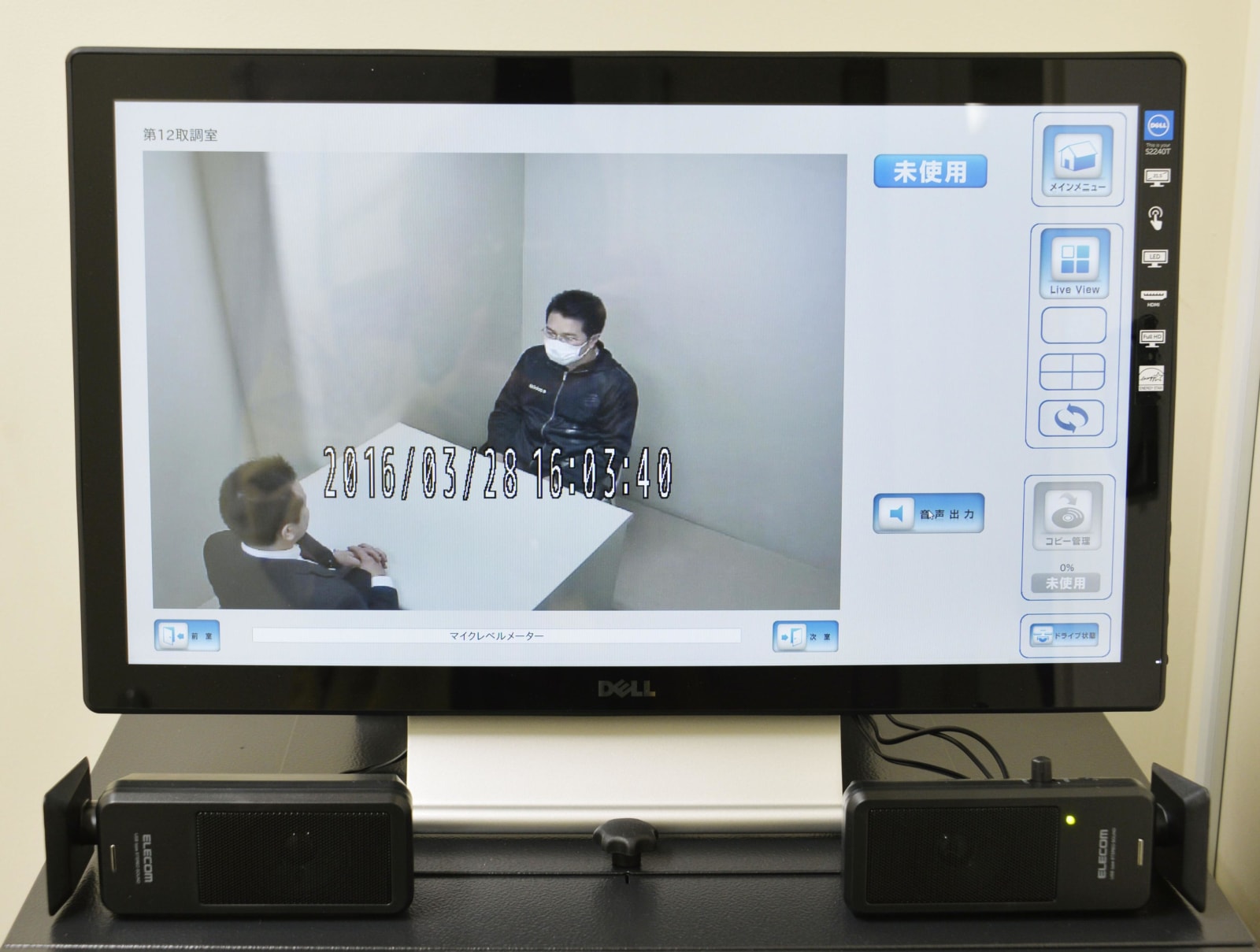
The core of the “hostage justice” critique lies in the fact that, unlike in many other developed nations, Japanese police have historically been able to interrogate suspects without their legal counsel present. This lack of immediate legal representation during questioning can place immense pressure on individuals, potentially leading to coerced confessions.

The quasi-attendance initiative represents a compromise. Under this system, lawyers are permitted to be in the same building as their clients during police interrogations. While they cannot be in the same room, suspects are granted periodic breaks, typically every 15 to 30 minutes, to consult with their legal representatives. This allows for immediate advice and strategic adjustments during the questioning process.
Limitations and Scope of Quasi-Attendance
It is crucial to understand that quasi-attendance has significant limitations. The initiative primarily applies to individuals who are voluntarily being questioned and are free to leave. For those who are in detention, access to legal help during interrogations remains largely restricted. This distinction is critical, as it means the most vulnerable individuals in the criminal justice process may not benefit from this new approach.
The development of quasi-attendance has been spearheaded by bar associations across Japan. By June of this year, a cost-subsidy system had been established to support these efforts. The Japan Federation of Bar Associations (JFBA) has been a vocal advocate for suspects’ right to legal counsel during interrogations, viewing quasi-attendance as a pragmatic, albeit second-best, solution within the current legal framework.
A Growing Trend in Legal Support
While a small number of dedicated lawyers have been implementing quasi-attendance for some time, the practice began to see a notable increase around 2018. Takuya Kawasaki, the secretary general of a JFBA committee focused on realizing in-person counsel attendance during interrogations, explained that this shift was a recognition of existing realities. Lawyers in regions like Kansai took the lead in pioneering quasi-attendance, and the practice has since been expanding nationwide.
By 2024, the JFBA had compiled and analyzed approximately 80 cases where quasi-attendance was utilized.
One illustrative case involved a man in his 40s from Aichi Prefecture. Arrested in 2023 on suspicion of voyeuristic photography on a train, he was later released. During his subsequent interrogations, which totaled 15 hours across four sessions, he participated under the quasi-attendance framework.
A Case Study in Reassurance and Reflected Claims
The man consulted with lawyer Kohei Ishikawa, who advised him to admit to most of the charges while also providing context for his actions. Investigators initially maintained that his behavior was an “outlet for his sexual desire.” However, the man, supported by his lawyer, asserted that “job-related stress was the trigger” and presented a doctor’s diagnosis to substantiate his claim. Through repeated consultations with Ishikawa, the man was able to have certain parts of his statement amended and his own assertions officially recorded. Ultimately, the charges were dropped several months after his arrest.
The individual expressed significant relief, stating, “I would be extremely anxious to undergo questioning alone.” He felt reassured by having his lawyer readily available during the interrogations.
Addressing the Root of “Hostage Justice”
Japan’s lengthy history of alleged wrongful convictions is intrinsically linked to its interrogation practices. The system, with its over 99 percent conviction rate, has earned the moniker “hostage justice” due to the combination of prolonged detention and the pressure to extract confessions.
Conversely, proponents of the current system argue that prosecutions are only pursued when there is a strong likelihood of conviction, and that prosecutors often dismiss cases they receive.
The Justice Ministry’s stance on in-person counsel attendance is that “each case should be judged on its own merit.” However, in practical terms, police and prosecutors have historically been reluctant to permit lawyers direct access to interrogation rooms.
Positive Impacts and Lingering Concerns
Analysis of the cases collected by the JFBA indicates that the quasi-attendance approach has led to several positive outcomes. Investigators reportedly adopted a more courteous demeanor, response strategies could be adapted more effectively to the circumstances, and lawyers were able to build trust with investigators and verify evidence during their meetings.
While the majority of analyzed cases involved voluntary investigations, the JFBA acknowledges the possibility that this approach may also be implemented in situations involving detained individuals.
Despite these developments, some police officials have voiced concerns that legal advice provided by lawyers during interrogations could impede their ability to uncover the truth from suspects.
Lawyer Kohei Ishikawa strongly emphasized, “Suspects have the right to legal assistance. Given the spate of illegal interrogations, having a lawyer present is essential.”
The Justice Ministry is currently adopting a cautious “wait-and-see” approach. The institutionalization of direct in-person counsel attendance is anticipated to be a lengthy process, requiring significant time and further legal evolution.