
Urgent NHS Vaccination Drive Targets Children Amidst ‘Super-Flu’ Epidemic
The National Health Service (NHS) in England has launched an urgent vaccination drive, specifically targeting children, in a concerted effort to curb the rapid spread of a severe influenza outbreak. The epidemic, dubbed ‘super-flu’, has disproportionately affected schoolchildren, with concerningly low uptake of the readily available free vaccines. Official figures from the UK Health Security Agency reveal that children aged five to 14 currently represent the demographic with the highest number of positive flu tests, a statistic that has prompted swift action from health authorities.
The severity of the current flu strain, identified as H3N2 (subclade K), has led some educational institutions to implement temporary closures, creating ‘firebreaks’ in an attempt to halt its transmission. Health officials are expressing significant concern that infected children and teenagers could inadvertently transmit the virus to vulnerable elderly relatives during the upcoming Christmas festivities, underscoring the critical need for widespread vaccination before the end of the school term.

To address this, NHS England is intensifying its efforts to boost last-minute vaccine uptake. This includes direct outreach to school staff and parents, as well as making unannounced visits to schools with notably low vaccination rates. The initiative aims to ensure that as many eligible children as possible receive the nasal spray or jab, offering them crucial protection against the prevalent virus. Furthermore, there are calls for ministers to extend free vaccine provision to all teaching and support staff in England. This measure is considered vital to ensure schools can safely reopen and operate effectively in the New Year, minimizing further disruption to education and maintaining essential community services.
Hospitals Brace for Impact as Flu Cases Soar
Meanwhile, the nation’s healthcare infrastructure, including hospitals, general practitioner (GP) surgeries, and ambulance services, is preparing for a significant surge in patient numbers. The current infection rates show no signs of abating, placing immense pressure on already stretched resources.
Health Secretary Wes Streeting has issued a public appeal to parents, strongly advising them to keep children at home from school if they exhibit any flu-like symptoms. This recommendation is a critical step in preventing further community transmission and protecting both classmates and wider family members.
The impact of the ‘super-flu’ is particularly acute in the North East and Yorkshire regions, which have recorded the highest rates of hospitalisation. The number of patients currently admitted to hospitals in England with influenza is at a record high for this point in the year. This represents a stark increase of over 50 per cent compared to the same period last year and a staggering tenfold rise compared to 2023. The occupancy rate in hospitals is also critically high, with approximately 95 per cent of beds already in use, leaving little room for additional admissions.
Professor Meghana Pandit, NHS national medical director, has described the current outbreak as an “unprecedented wave of super-flu,” cautioning that the peak of the epidemic is “not yet in sight.” This assessment highlights the persistent and escalating nature of the crisis, demanding continuous vigilance and adaptive strategies from the healthcare sector.

Frontline Workers and Doctor Strikes: A Complex Challenge
While free flu vaccinations are readily available to all frontline health workers, including doctors and nurses, concerningly low uptake has been observed. NHS data indicates that only 43.2 per cent of these essential personnel have received their flu jab this year. This statistic is particularly worrying given their direct exposure to patients and their critical role in managing the escalating healthcare demands.
Adding to the strain on the NHS, a potential strike by resident doctors scheduled for December 17th has drawn sharp criticism. Sir Keir Starmer, a prominent political figure, has labelled any such industrial action as “reckless” and a direct threat to patient safety and lives. He articulated that such a strike would place the NHS and its patients in “grave danger,” particularly at this “most precarious moment since the pandemic.” The prospect of strikes occurring amidst the current ‘super-flu’ epidemic has been described as “beyond belief.”
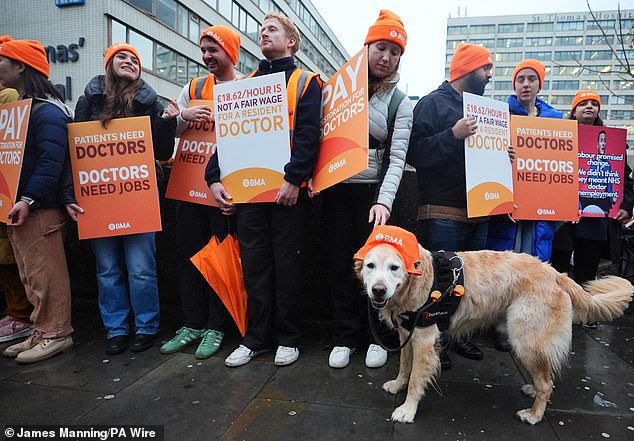
The British Medical Association is currently conducting an online survey to gauge the wishes of resident doctors regarding potential strike action, with the survey closing imminently. The government has put forth a proposed deal aimed at resolving the dispute. This offer includes the reimbursement of training and exam fees, with the latter being backdated to April. Many junior doctors have expressed concerns about a lack of specialist job opportunities following the completion of their foundation training. In response, the government is proposing to create approximately 4,000 additional specialty training places within trusts to address this issue.
Sir Keir Starmer has urged the doctors to accept the proposed deal, stating his message is simple: “take it.” It is noteworthy that resident doctors have already benefited from a significant pay rise of 28.9 per cent, which represents the highest increase within the public sector. The ongoing discussions and potential for industrial action amidst a severe public health crisis present a complex and challenging scenario for the NHS and the nation.