
Germany’s Economic Outlook and the Path Forward
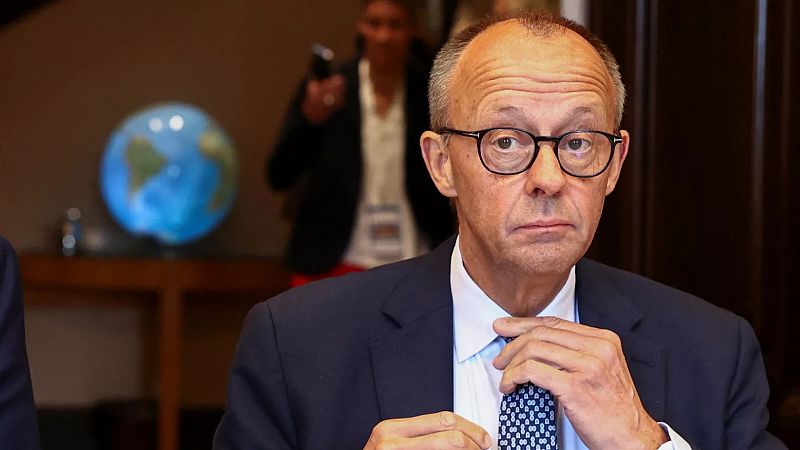
Germany’s new government has announced its economic forecast, projecting minimal growth of 0.2% for this year, with expectations of 1.3% growth in 2025 and 1.4% in 2027. This near-stall in growth highlights a challenging economic landscape for Europe’s largest economy and raises important questions about the effectiveness of Chancellor Friedrich Merz’s ambitious plans.
Merz’s government has outlined a comprehensive strategy to rejuvenate the German economy, including a €500 billion investment in infrastructure, faster approval processes for investments, and significant efforts to boost digitalization. These measures are seen as crucial for addressing long-standing issues that have hindered economic progress.

The implications of these forecasts extend beyond Germany, influencing European demand, supply chain resilience, and the continent’s ability to compete globally with the US and China. Despite the current projections being slightly better than those from the previous government, which had predicted zero growth in 2024, the overall outlook remains cautious.
For the past two years, the German economy has experienced contraction, with little sign of significant growth. Since taking office in early May, Merz’s administration has prioritized revitalizing the economy, recognizing the urgent need for action.
Key Challenges and Strategies
Economy Minister Katherina Reiche emphasized the importance of immediate action on competitiveness and innovation. She highlighted that a substantial portion of the expected growth will stem from increased government spending. However, this will only be effective if investments are made quickly, requiring efficient planning and approval processes—areas where Germany has historically lagged.
Reiche stated, “To secure long-term growth, we must end the reform backlog—reduce energy costs, foster private investment, address the tax burden that is high by international standards, dismantle bureaucracy, open markets and enable innovation.” These points underscore the multifaceted approach needed to stimulate economic growth.
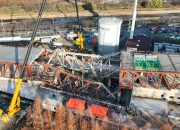
Merz’s government has initiated a program aimed at encouraging investment and establishing a fund to support Germany’s aging infrastructure over the next 12 years. Additionally, the administration has pledged to reduce bureaucratic hurdles and accelerate the country’s digital transformation.
Investment and Confidence
In July, a group of dozens of companies pledged to invest at least €631 billion in Germany over the next three years. While some of this investment was already planned, the commitment was intended to signal confidence in the German economy. This move reflects the broader recognition of the need for both public and private sector collaboration to drive growth.
Historically, Germany has been a major exporter, dominating global trade in engineered products such as industrial machinery and luxury cars. However, the country has faced increasing competition from Chinese firms, along with other factors that have heightened economic risks. These include US President Donald Trump’s tariffs and trade threats, which have further complicated the global economic environment.
Conclusion
As Germany navigates these challenges, the success of Merz’s economic strategies will be critical. The government’s focus on infrastructure, digitalization, and reducing bureaucratic barriers represents a step toward addressing long-standing issues. However, the path to sustained growth will require not only bold policies but also swift implementation and continued collaboration between the public and private sectors. The coming years will be pivotal in determining whether Germany can reclaim its position as a leading economic force in Europe and beyond.