


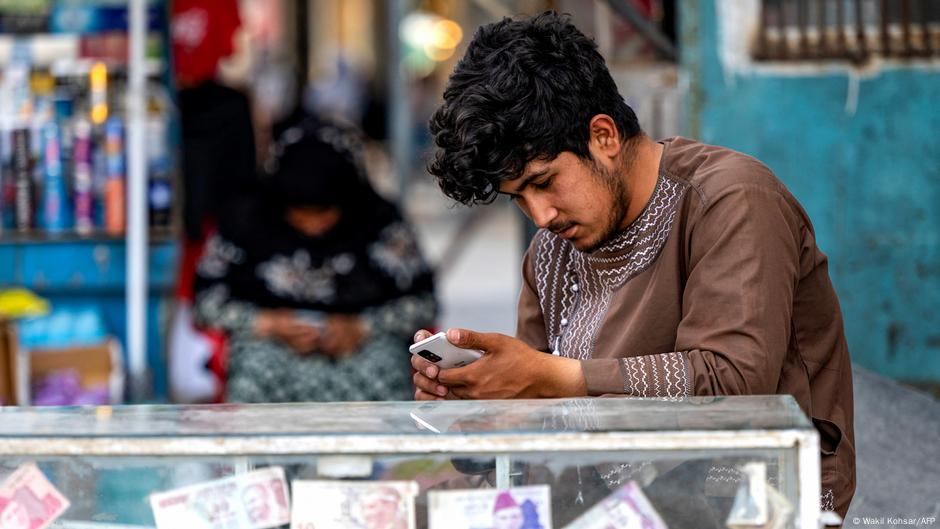

Social Media Restrictions in Afghanistan Raise Concerns
Access to major social media platforms like Facebook, Instagram, and Snapchat has been significantly limited in Afghanistan. This development follows a two-day disruption of internet and telecommunications services by the Taliban last week. The restrictions have left many users unable to access these platforms without the use of virtual private networks (VPNs), which allow them to bypass local internet controls.
According to global internet monitoring organization NetBlocks, there is evidence that access to social media platforms such as Instagram, Facebook, and Snapchat is now restricted on multiple providers in Afghanistan. The group shared this information on X, highlighting the growing concern over digital freedoms in the country.

The Taliban had previously banned TikTok in 2022, signaling an ongoing effort to control online content. Local reports indicate that social media users began noticing these restrictions late on Monday. Some individuals reported a complete loss of access in certain regions, while others experienced slow or intermittent connectivity.
Residents from the capital city, Kabul, and Mazar-i-Sharif, a northern city, told German news agency dpa that they were unable to access Instagram and Facebook without using a VPN. These tools enable users to circumvent government-imposed internet restrictions, but their use is often seen as a workaround rather than a long-term solution.
Platforms Still Accessible
Despite the restrictions on some platforms, several other social media services remain functional. According to dpa, WhatsApp and X are still accessible in parts of Afghanistan. However, journalists from AFP have reported difficulties accessing social media platforms on their mobile devices in various provinces. They also noted a significant slowdown in internet speeds, further complicating communication and information sharing.
The Taliban has not officially confirmed the restrictions, according to several news agencies. This lack of clarity has added to the uncertainty surrounding the situation. Meanwhile, data from GSMA, a global association for mobile phone operators, indicates that just over half (51%) of Afghanistan’s estimated population of 44 million have a mobile connection.
Recent Internet Suspension
This latest round of restrictions comes after the Taliban ordered a total internet ban for nearly 48 hours at the end of September. The suspension, which lasted from September 29 to October 1, effectively cut the country off from the outside world. During this period, people across Afghanistan faced severe limitations in accessing information, communicating with loved ones, and conducting business.
Human rights organizations have criticized the internet cuts, arguing that they have serious implications for the population, especially women and girls. These groups have raised concerns about the impact of such measures on freedom of expression, access to education, and overall quality of life.
As the situation continues to evolve, the international community remains closely watching how these restrictions affect daily life in Afghanistan. With many relying on social media for news and communication, the ongoing disruptions highlight the broader challenges of maintaining digital connectivity in the region.

