
Political Controversy Surrounds John Swinney’s Independence Claims
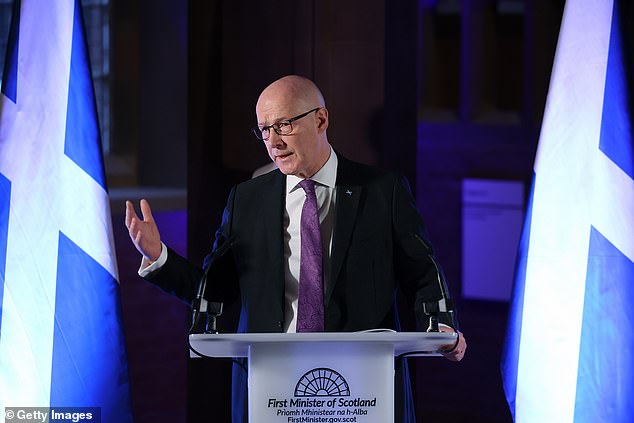
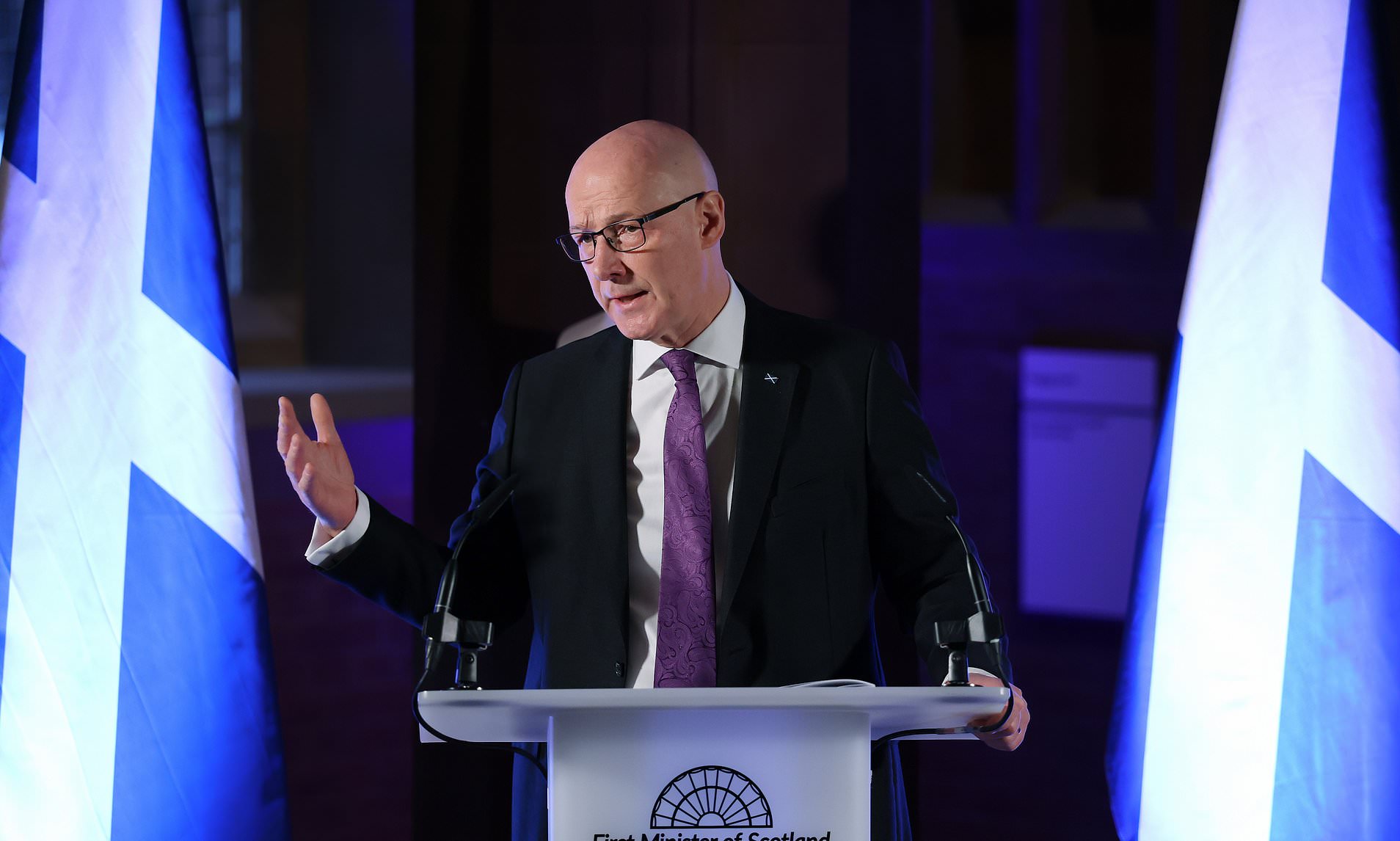
John Swinney, the First Minister of Scotland, has faced significant backlash for his recent claims regarding the potential financial benefits of Scottish independence. His assertion that households could be £10,200 better off under independence was labeled as “baseless” and “detached from reality” by critics. This claim was made in a taxpayer-funded paper released ahead of the SNP conference in Aberdeen, drawing sharp criticism from opposition parties.
The Scottish Conservatives accused Swinney of “squandering” public funds on a “fantasy” designed to appease party members. The 90-page document, which outlined the case for separation, failed to address critical issues such as income tax, public finances post-separation, and a timeline for establishing a Scottish pound or rejoining the European Union. These omissions raised further questions about the feasibility of the independence plan.

Swinney defended his position, arguing that leaving the UK was essential as Scotland had reached the limits of devolution in improving living standards. He denied allegations that his government had “run out of steam,” but he remained vague on key details. When asked whether personal tax burdens would increase outside the UK, Swinney refused to provide a definitive answer, stating that his “best guess” was that the “income tax profile” would remain unchanged.
He also claimed that the Bank of England would assist Scotland in the event of a currency crisis if the country initially used Sterling after leaving the Union. However, this assertion was met with skepticism, particularly given the lack of concrete plans for economic transition.
Deputy Scottish Tory leader Rachael Hamilton criticized Swinney’s actions, calling the paper another example of the SNP’s “independence obsession.” She stated that it was unacceptable for taxpayers’ money to be spent on what she described as a “fantasy.” Similarly, Labour MSP Michael Marra condemned the £10,000 figure, noting that it was based on a 2023 think-tank paper about the UK as a whole. He urged Swinney to feel “embarrassed” by these “baseless claims.”
Clash Over Education Failures
The controversy extended beyond economic issues, as Swinney faced criticism over his handling of education. During heated exchanges at Holyrood, he clashed with former Scottish Tory leader Douglas Ross. Ross, who chairs the education committee, questioned the SNP’s biggest failure on education during its 18 years in power. Despite the party’s broken promise to close the attainment gap between rich and poor pupils, Swinney avoided answering directly. Instead, he focused on listing the government’s “achievements” and deflecting blame.
This reluctance to acknowledge shortcomings has fueled accusations that Swinney is in denial about the challenges facing Scotland’s education system. Critics argue that the SNP has prioritized its independence agenda over addressing pressing issues such as funding cuts and declining educational outcomes.
Ongoing Debates and Questions
As the debate continues, several questions remain unanswered. Why is John Swinney accused of being in denial about SNP austerity as Scotland faces millions in cuts? Has his push for independence ignored critical areas like health and education, as many critics insist? Is his relentless campaign for another independence referendum just “fantasy politics” while public services struggle?
Additionally, why is Swinney standing firm against lowering Scotland’s school leaving age despite calls for reform? And why does he continue to blame both the Tories and Labour for Scotland’s problems, even though the SNP has been in power for so long?