
Major Air Travel Disruptions Across the US
Air travel in the United States is currently experiencing significant disruptions on Wednesday, as multiple air traffic control alerts have led to slowdowns at airports nationwide. The Federal Aviation Administration (FAA) has issued flow control alerts due to equipment problems that are affecting several control centers. These issues have resulted in a reduction of the number of flights allowed to take off or land at any given time.
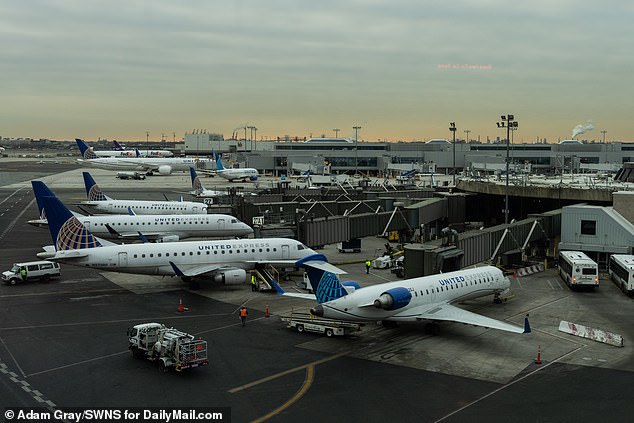
The FAA has implemented metering flights to manage the flow of air traffic and prevent congestion while engineers work to resolve the equipment issues. As a result, some flights could face delays of more than five hours, while others might experience shorter delays lasting just a few minutes. Major US hubs such as New York, Los Angeles, Chicago, Denver, Atlanta, and Miami have all been impacted by these disruptions.

The alerts, labeled FCAGD1 and FCAGD3, cover nearly all flights from the surface up to 60,000 feet, affecting both domestic and international routes. FCAGD1 is causing the longest delays, with an average of more than two hours, while FCAGD3 is less severe, resulting in most delays lasting only a few minutes and a maximum of 15 minutes.
Impact on Airports and Airlines
The current disruptions come at a challenging time for airports, which are already facing staff shortages due to the government shutdown. This has forced major air traffic control towers to go dark, compounding the challenges faced by travelers. The situation is still developing, and further updates are expected.
The problem is likely linked to a widespread technical failure in radar, communications, or flight management systems. Flights are being rerouted or held on the ground, and airlines such as Delta, American, and United are reporting major scheduling disruptions.
The FCAGD1 alert imposes heavy restrictions, allowing as few as five to 17 flights per hour. In contrast, the FCAGD3 program manages lighter traffic, permitting seven to 14 flights per hour with average delays of three minutes and a maximum delay of 15 minutes.
Ongoing Challenges and Concerns
Travelers across the country are experiencing significant inconvenience as a result of these disruptions. Many are facing hours-long delays and uncertainty about their travel plans. The situation has raised concerns about the reliability of the US air traffic control system and its ability to handle unexpected technical failures.
The combination of equipment problems, staff shortages, and the ongoing government shutdown has created a perfect storm for air travel in the US. Passengers are advised to check with their airlines for the latest updates and to plan accordingly.
As the FAA works to resolve the issues, the focus remains on ensuring the safety and efficiency of air travel. However, the current situation highlights the vulnerabilities in the system and the need for continued investment in modernizing air traffic control infrastructure.