



China’s Rapid Advancement in Aviation Technology
The People’s Republic of China (PRC) has witnessed an unprecedented surge in aviation technology over the past four decades. From possessing technology reminiscent of the 1950s in the 1980s, China has rapidly evolved to producing stealthy combat aircraft. The majority of new military aircraft types introduced in the last two decades have been of Chinese origin. Today, the People’s Liberation Army Air Force and People’s Liberation Army Naval Air Force boast a diverse and impressive array of aircraft. Here’s a look at ten of China’s most notable aircraft:

- Shenyang J-8 ‘Finback’
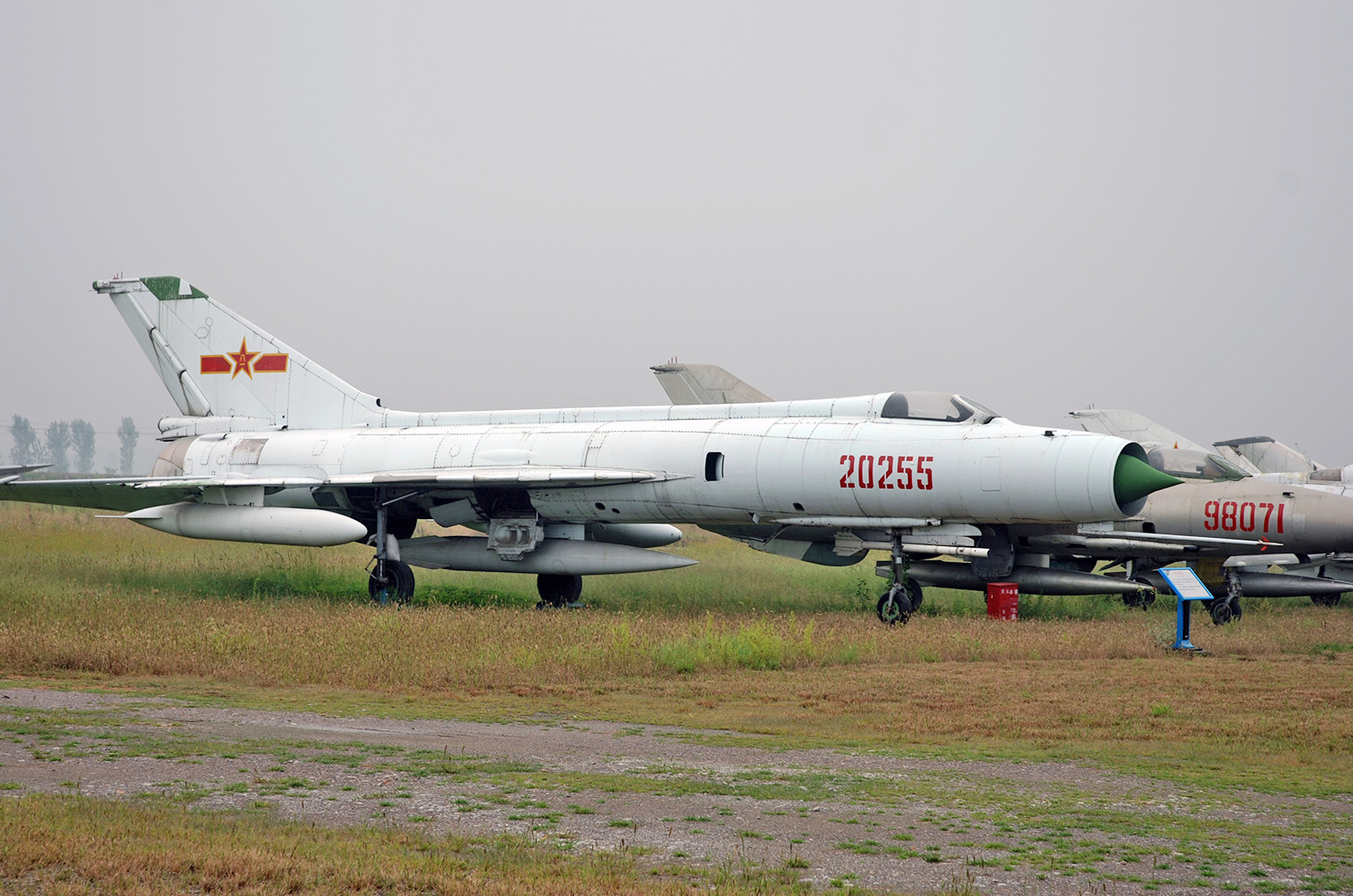
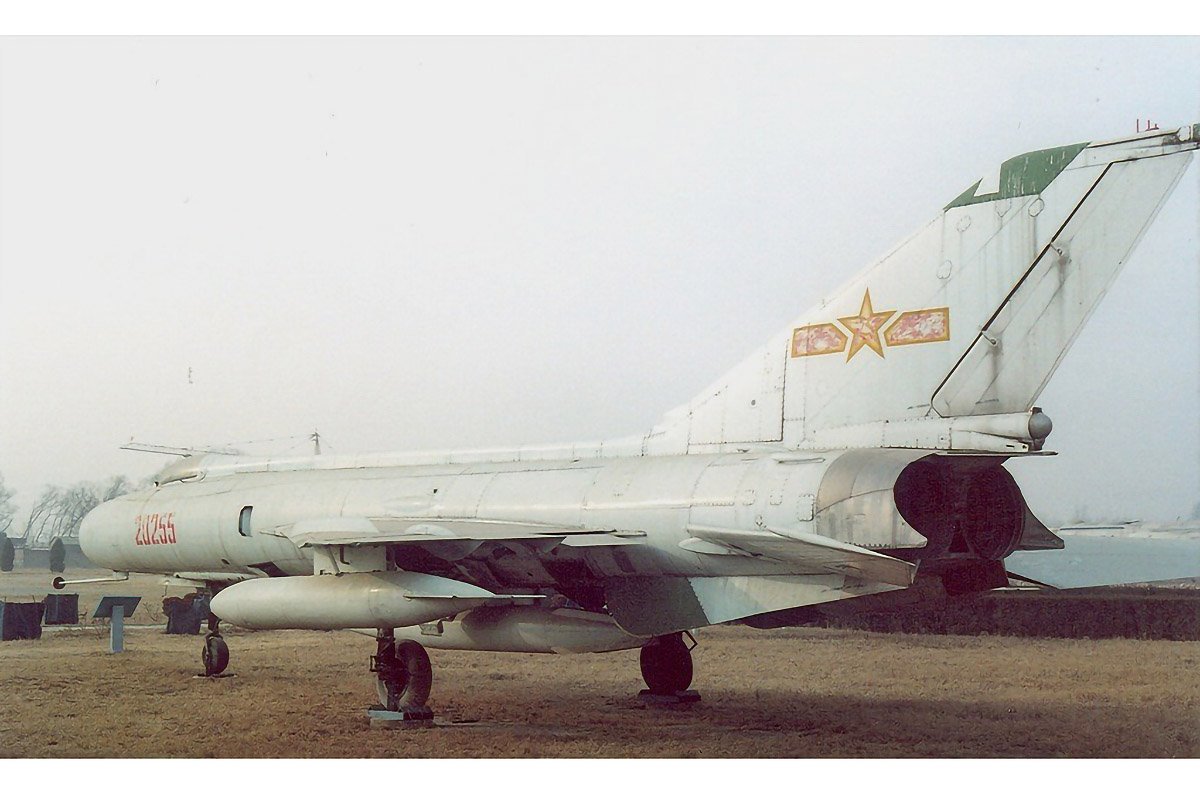
The J-8 series began as an upscaled version of the MiG-21, with the air intake located in the nose, similar to its Soviet counterpart. However, the Cultural Revolution significantly hampered its development, and despite its first flight in 1969, it only entered service in 1980.
Although the initial design was already becoming obsolete, the J-8II variant addressed many of its shortcomings. This version featured conventional side air intakes, replacing the nose intake to accommodate a larger, more modern radar. Designated “Finback-B” by NATO, the J-8II was substantially different, almost qualifying as a new aircraft altogether.
A notable incident involving the J-8 occurred on April 1, 2001, when one collided with a United States Navy Lockheed EP-3E Aries II aircraft approximately 112 km southeast of Hainan Island. The US aircraft was likely conducting a Signals Intelligence (SIGINT) mission, monitoring Chinese electronic emissions. During a series of aggressive maneuvers, one of the two J-8s made contact with the EP-3.
The J-8B crashed, and its pilot, Wang Wei, was killed after a parachute malfunction. The EP-3E was forced to make an emergency landing on Hainan Island, where all 24 crew members survived, and the aircraft was impounded. It is believed that the Chinese gained valuable intelligence from the EP-3.
- Xi’an Y-20
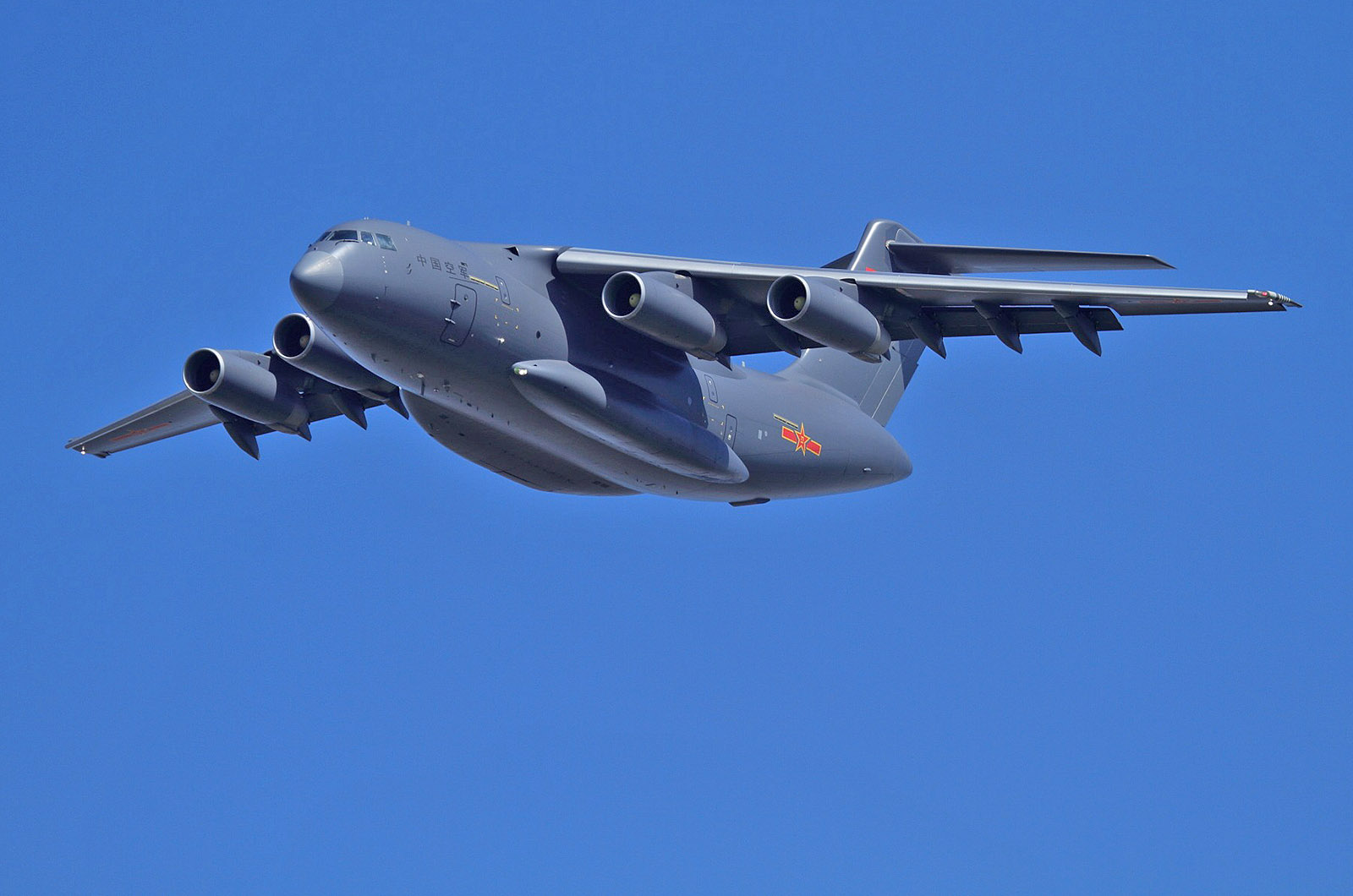
The Xi’an Y-20 is a large, four-engine strategic airlifter with a length of 47 metres and a maximum take-off weight of around 220,000 kg. It features a standard modern transport aircraft configuration, including a shoulder-mounted wing and a broad T-tail.
The Y-20 demonstrates a remarkable capacity for transporting heavy equipment. It is purported to be capable of flying 7,800 km while carrying two Type 15 light tanks (each weighing over 33 tons) or a single Type 99A Main Battle Tank (weighing over 50 tons).
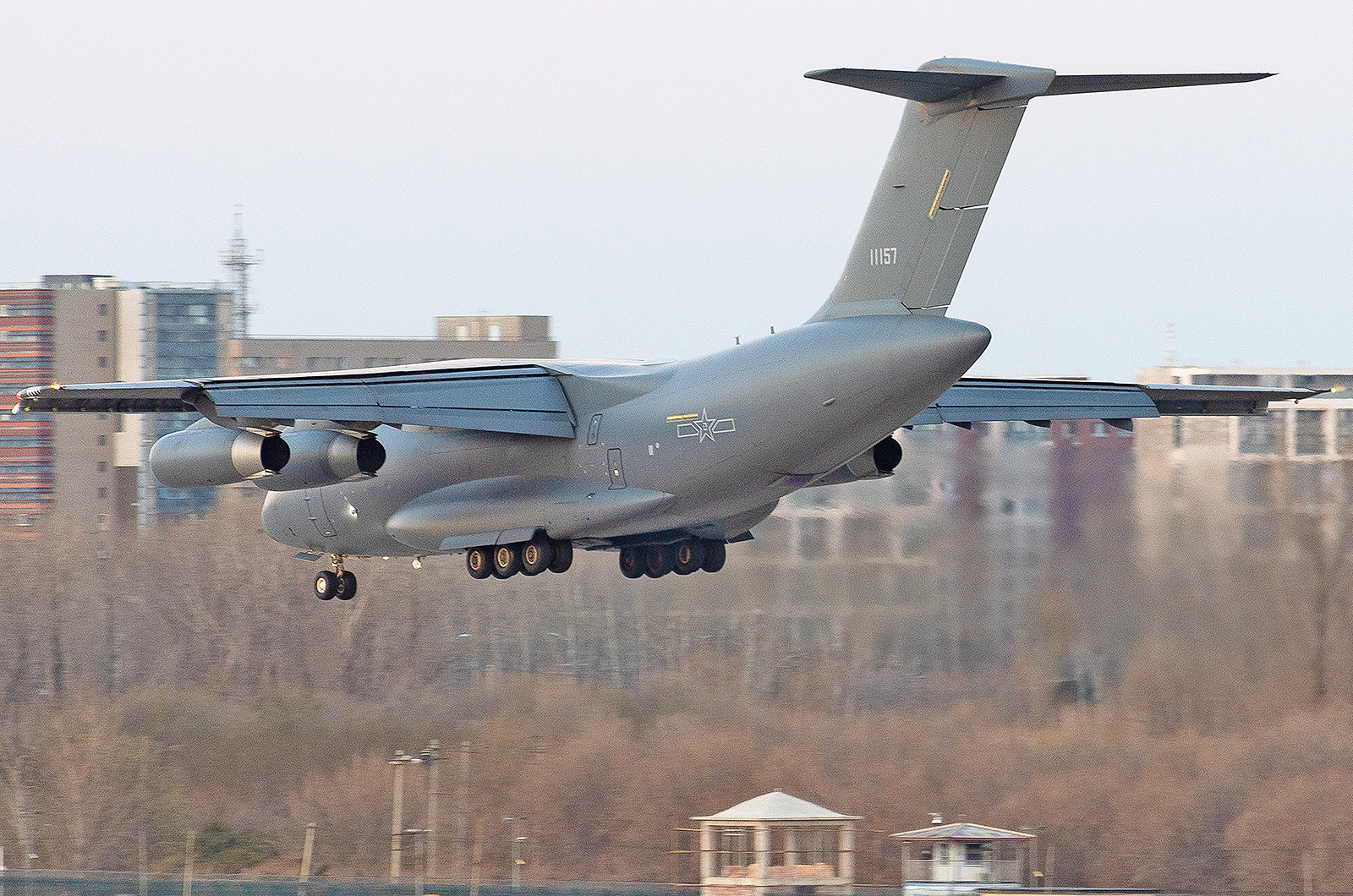
Xi’an employed Model-Based Definition (MBD) during the Y-20’s development, utilizing 3D Computer Aided Design software to streamline the process. Espionage is also suspected to have played a role; in 2016, a Chinese hacker pleaded guilty in Los Angeles for accessing documents related to the American Boeing C-17 transport plane.
Mastering advanced engine technology has proven to be a significant challenge for China. The Y-20 initially utilized an outdated Soviet engine type, but in 2023, it was upgraded with the indigenous Shenyang WS-20 turbofan. Tanker and AEW&C variants of the Y-20 are also in development.
- Xi’an JH-7 ‘Flounder’
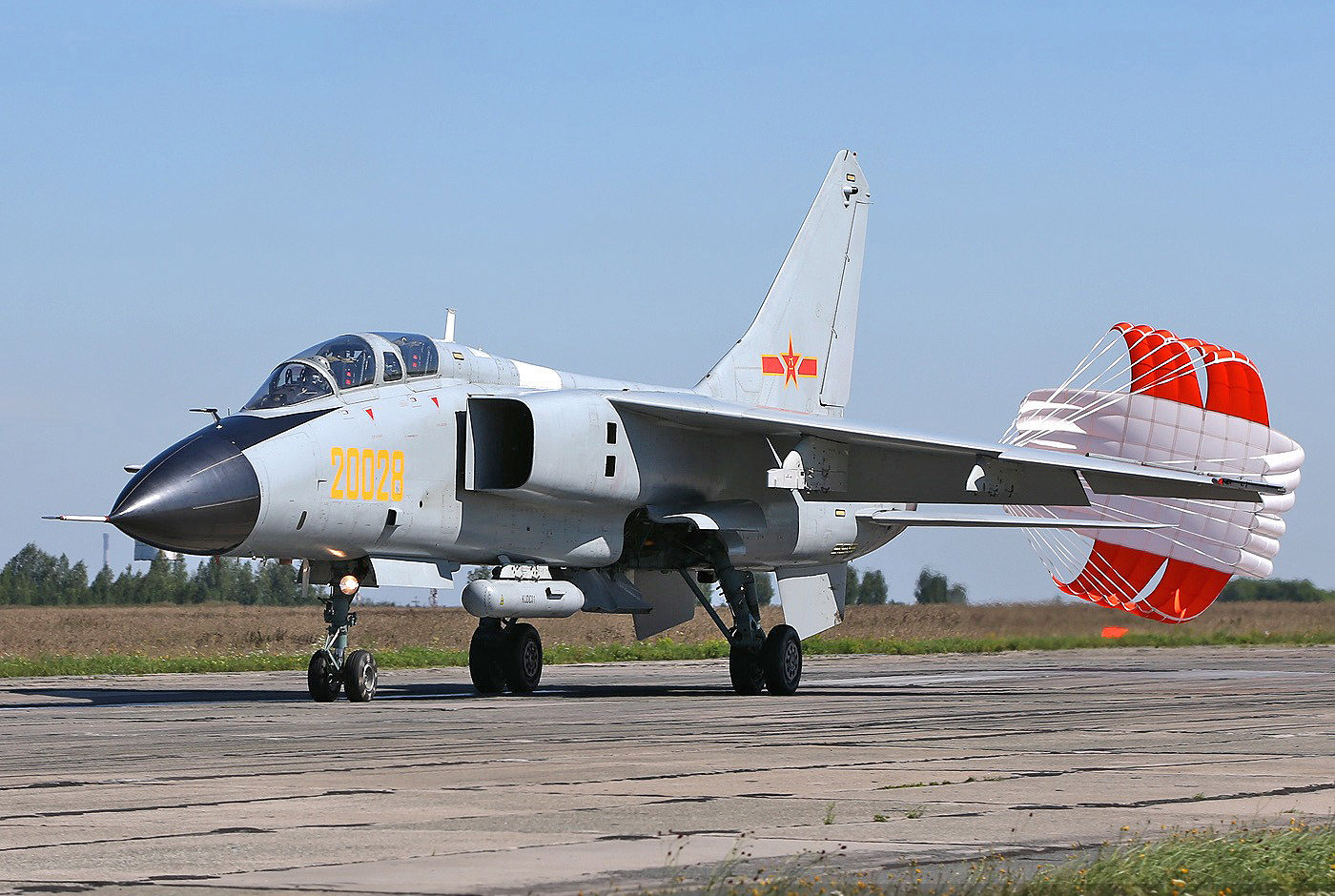
The Xi’an JH-7 is a large, twin-engine fighter bomber, comparable in weight class to the European Panavia Tornado. It is powered by two Xian WS-9 Qinling turbofans, which are essentially license-produced Rolls-Royce Speys. The Spey engine also powered several other aircraft types, including some British F-4s.
The Xi’an JH-7 first flew in 1988 and entered service in the 1990s. It has the NATO reporting name ‘Flounder’. It features a conventional configuration and a high-set wing. It has been compared to the Anglo-French Sepecat Jaguar in overall layout, although there are significant differences.
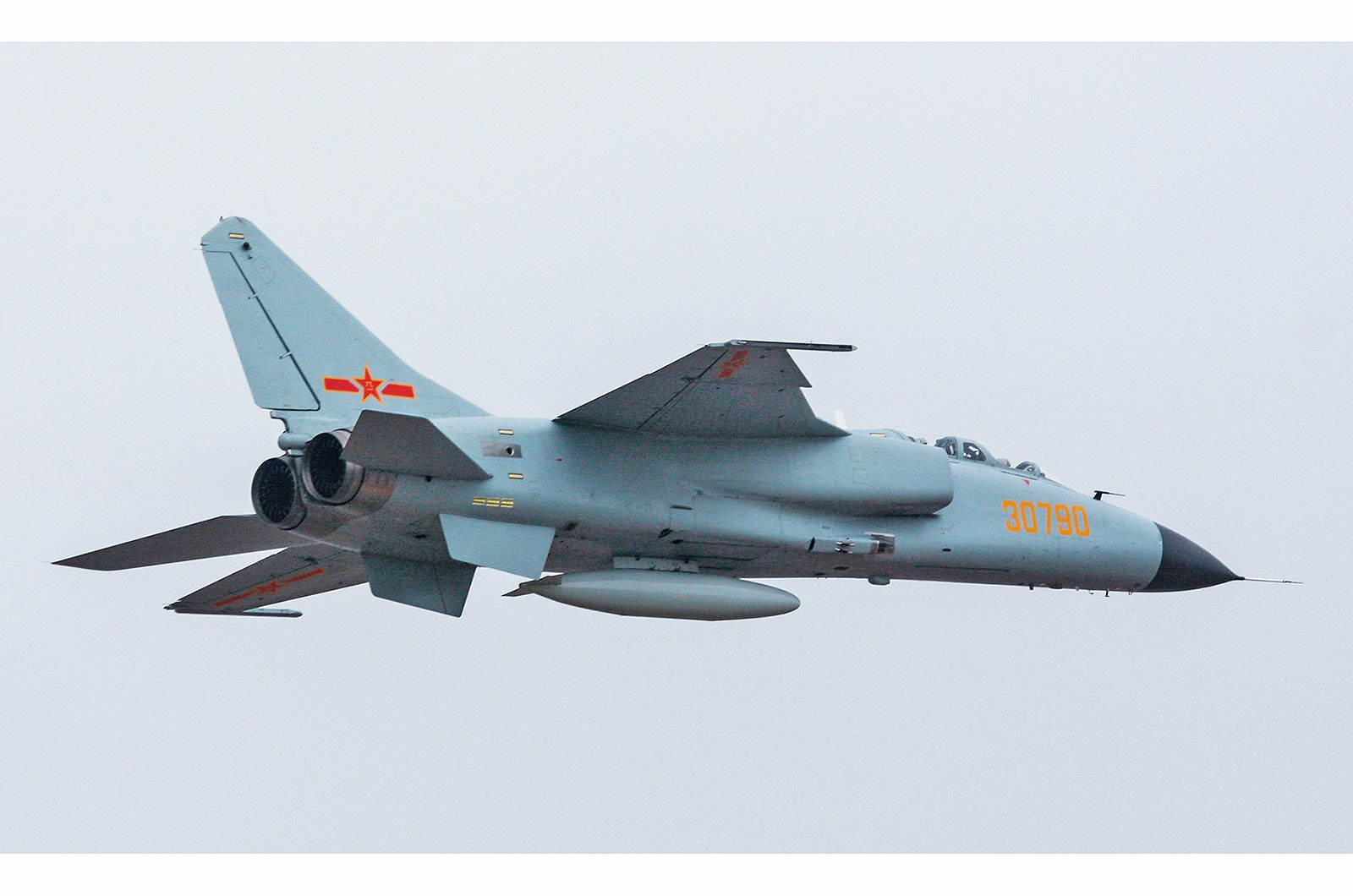
The JH-7 has proven to be a versatile aircraft, compatible with a range of weapons for various missions, including unguided rocket pods, air-to-air guided missiles, guided anti-ship missiles, and anti-radiation missiles for targeting radars. It is also equipped with a Soviet-designed 23mm twin-barrel GSh-23L autocannon with 300 rounds.
The improved JH-7A was designed to meet more advanced precision-strike requirements. It incorporates more modern materials for a lighter and stronger airframe and boasts a significantly improved maximum weapons payload of approximately 9000 kg. It is believed to be capable of deploying nuclear weapons.
- Chengdu J-7 ‘Fishcan’
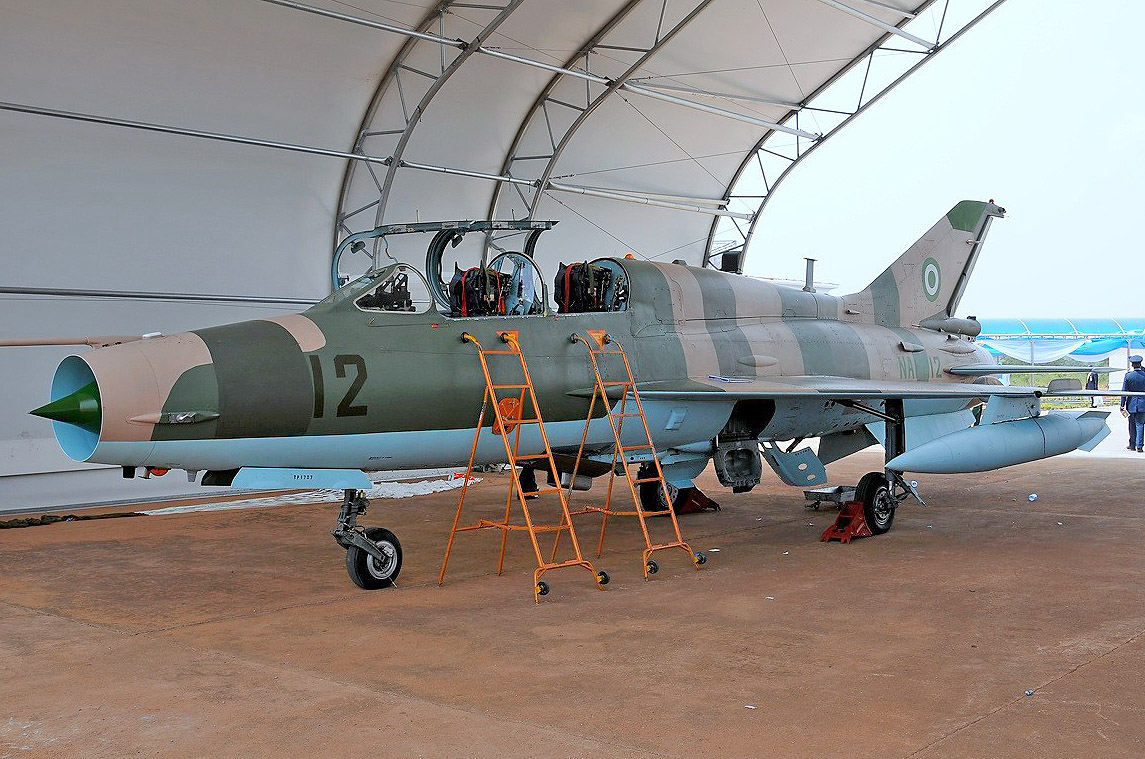
Production of the Chengdu J-7 (NATO code-name Fishcan) concluded in May 2013, marking the end of a highly successful program that spanned nearly half a century and produced over 2000 aircraft, which were widely exported.
The Chengdu J-7 was a license-produced version of the Soviet MiG-21. Its development followed the success of the J-6, a Chinese-manufactured MiG-19. The relationship between the USSR and China initially presented challenges during development.
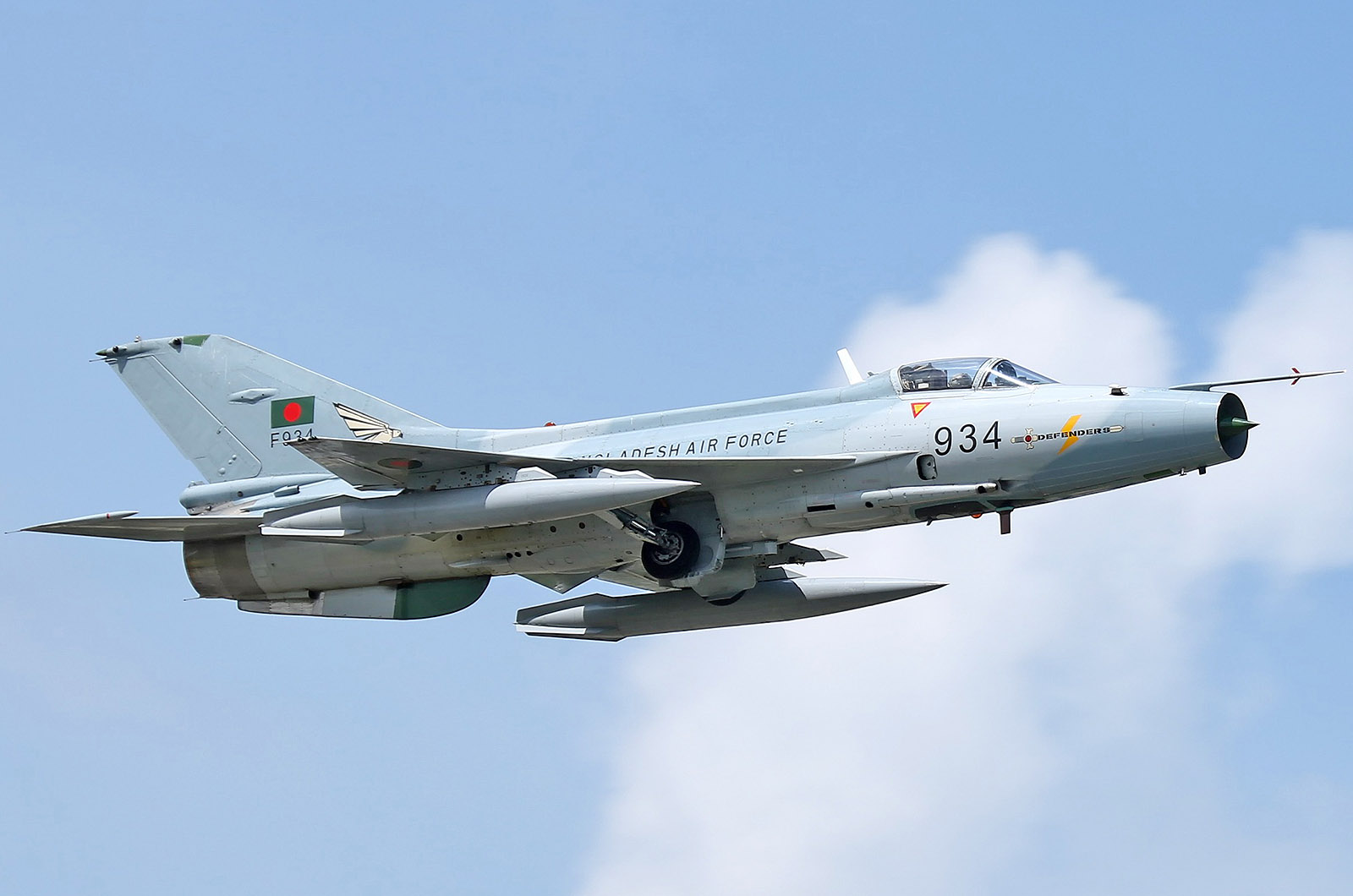
The J-7 (and MiG-21) were fast, agile, and relatively inexpensive to manufacture, reflecting the Communist military doctrine of prioritizing numerical superiority over technological advancement. It was an impressive dogfighter for its time, and its small size made it difficult to detect by radar or visually.
Upgrades in weapons, sensors, and Human Machine Interface ensured the J-7 remained relevant. It also led to the development of various training aircraft, and even an uncrewed concept was explored. The aircraft has served or continues to serve with the air forces of numerous countries, including Albania, Bangladesh, China, Egypt, Iraq, Iran, Myanmar, Namibia, Nigeria, North Korea, Pakistan, Sri Lanka, Sudan, Tanzania, and Zimbabwe.
- Shaanxi KJ-500
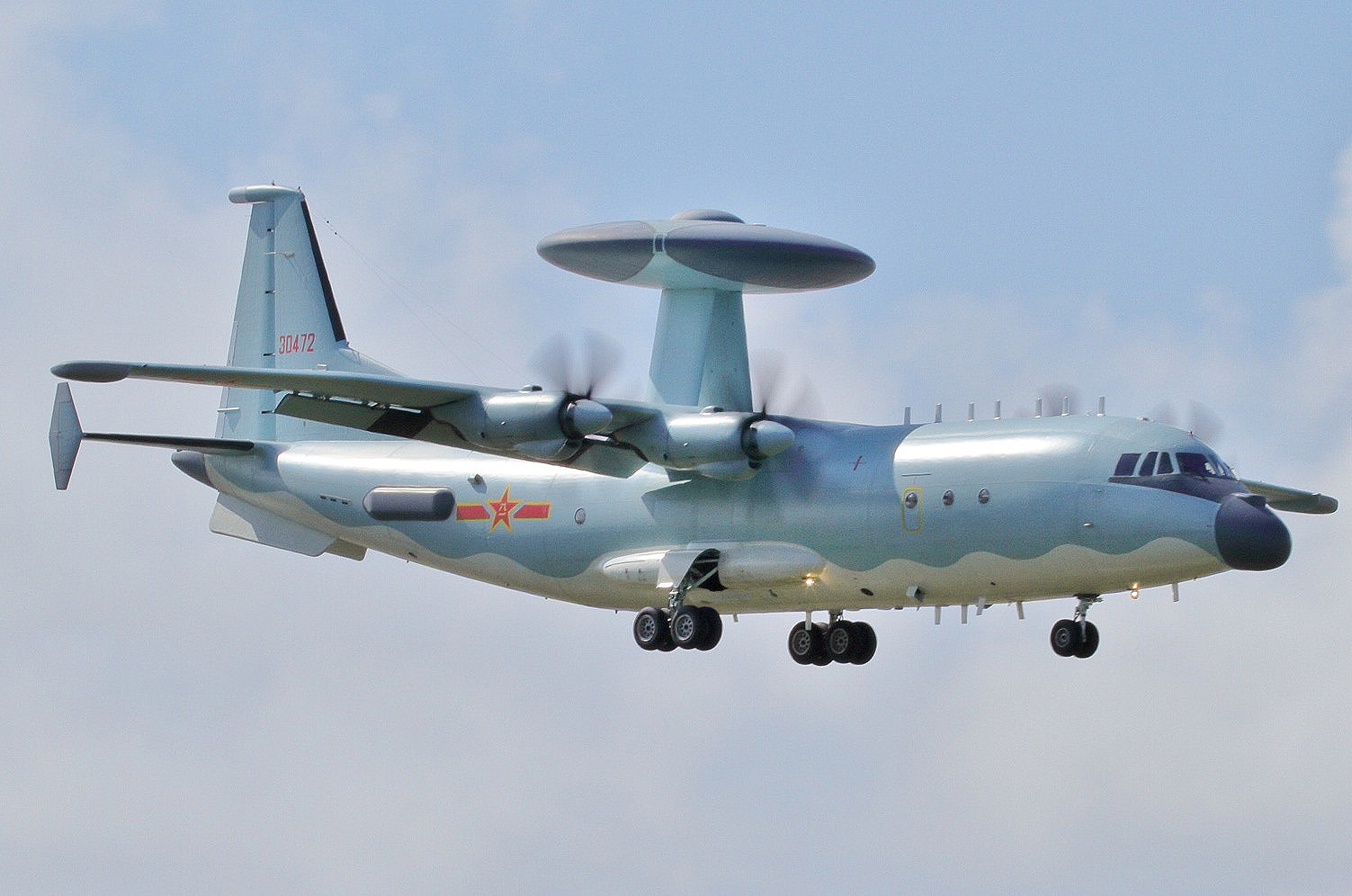
Airborne Early Warning & Control (AEW&C) aircraft function as flying radar stations. They are capable of detecting aircraft, waterborne vessels, ground vehicles, missiles, and even artillery rounds. They also coordinate military actions by performing ‘command and control’ of the battlespace.
The KJ-500 is based on the airframe of the Shaanxi Y-9 transport, a modernized version of the Shaanxi Y-8F, which itself is a Chinese copy of the Soviet (later Ukrainian) Antonov An-12. The relationship between the Y-9 and Y-8 is similar to that of the US C-130 legacy series and the C-130J Super Hercules.
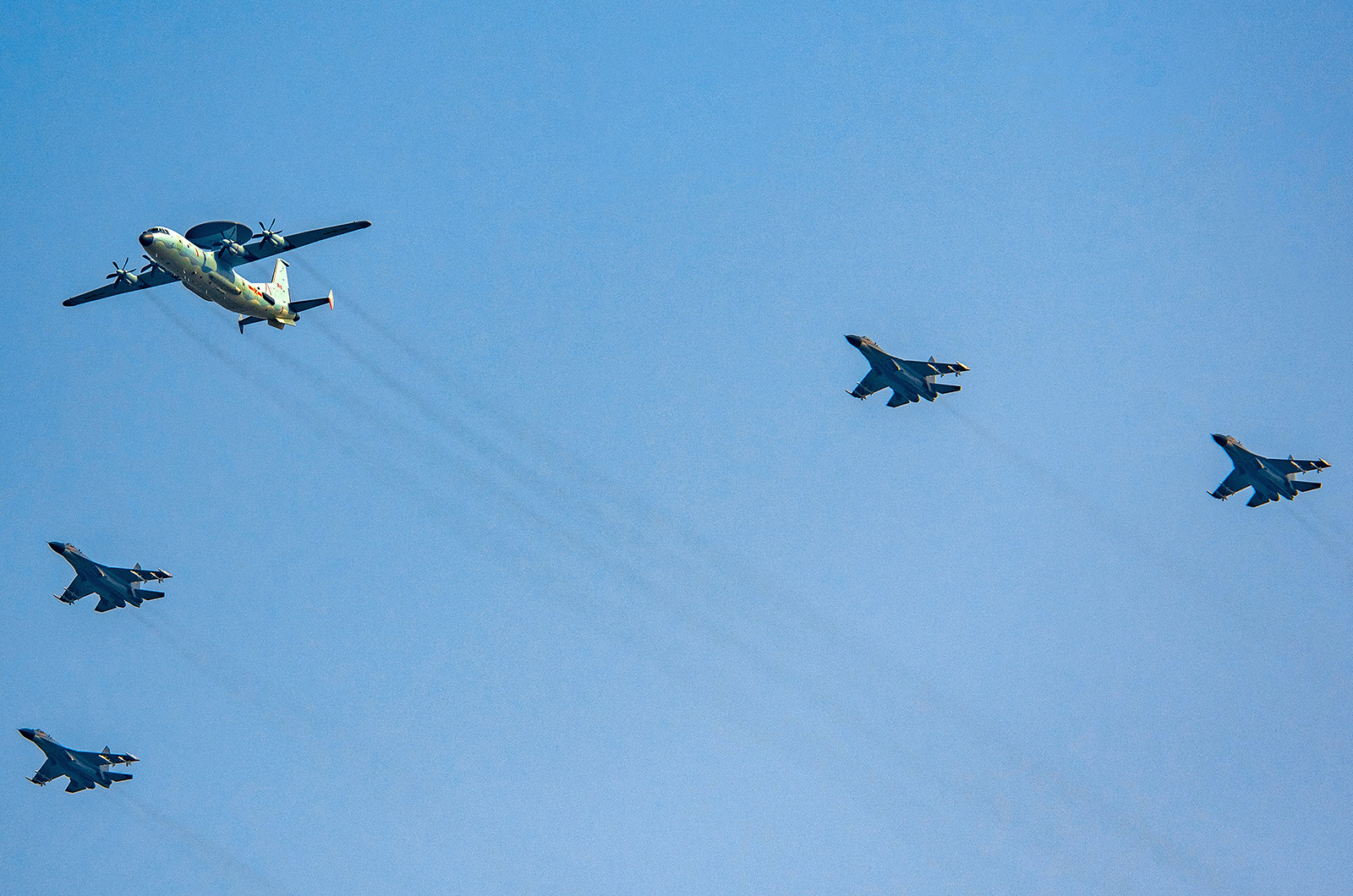
The key feature of the KJ-500 is its fixed dorsal radome, a large disc fairing on top of the fuselage that does not rotate like the rotodomes of older AEW aircraft. Most modern radars are steered electronically rather than mechanically. The radome houses three Active Electronic Scanning Array (AESA) radars arranged in a triangle, providing 360-degree coverage.
The KJ-500 is highly regarded by some Western defence analysts, who believe it will significantly enhance China’s defensive and offensive capabilities. A variant, the KJ-500H, capable of being air-refuelled for extended endurance missions, was showcased at the Zhuhai Airshow in 2022.
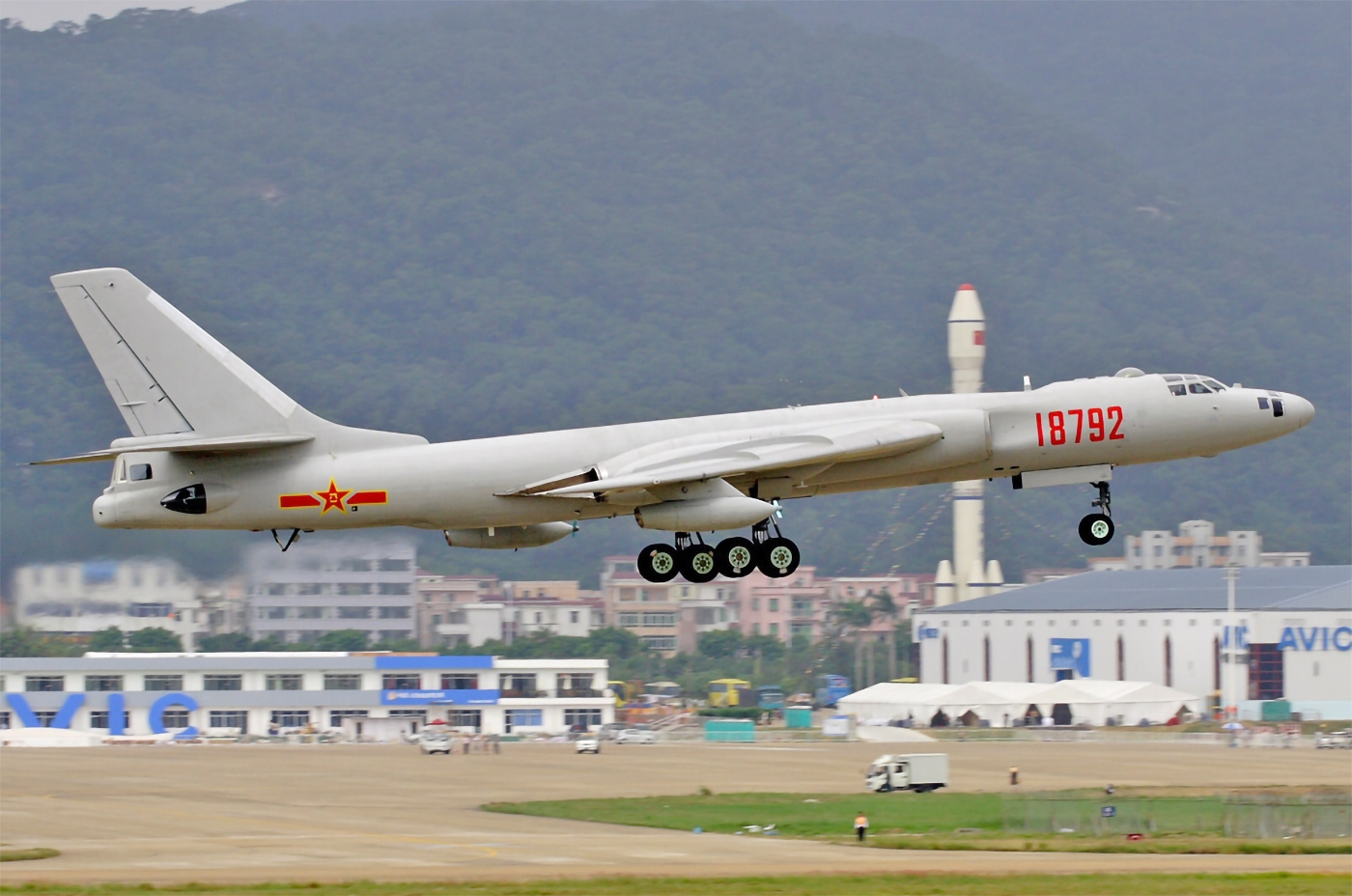
- Xi’an H-6
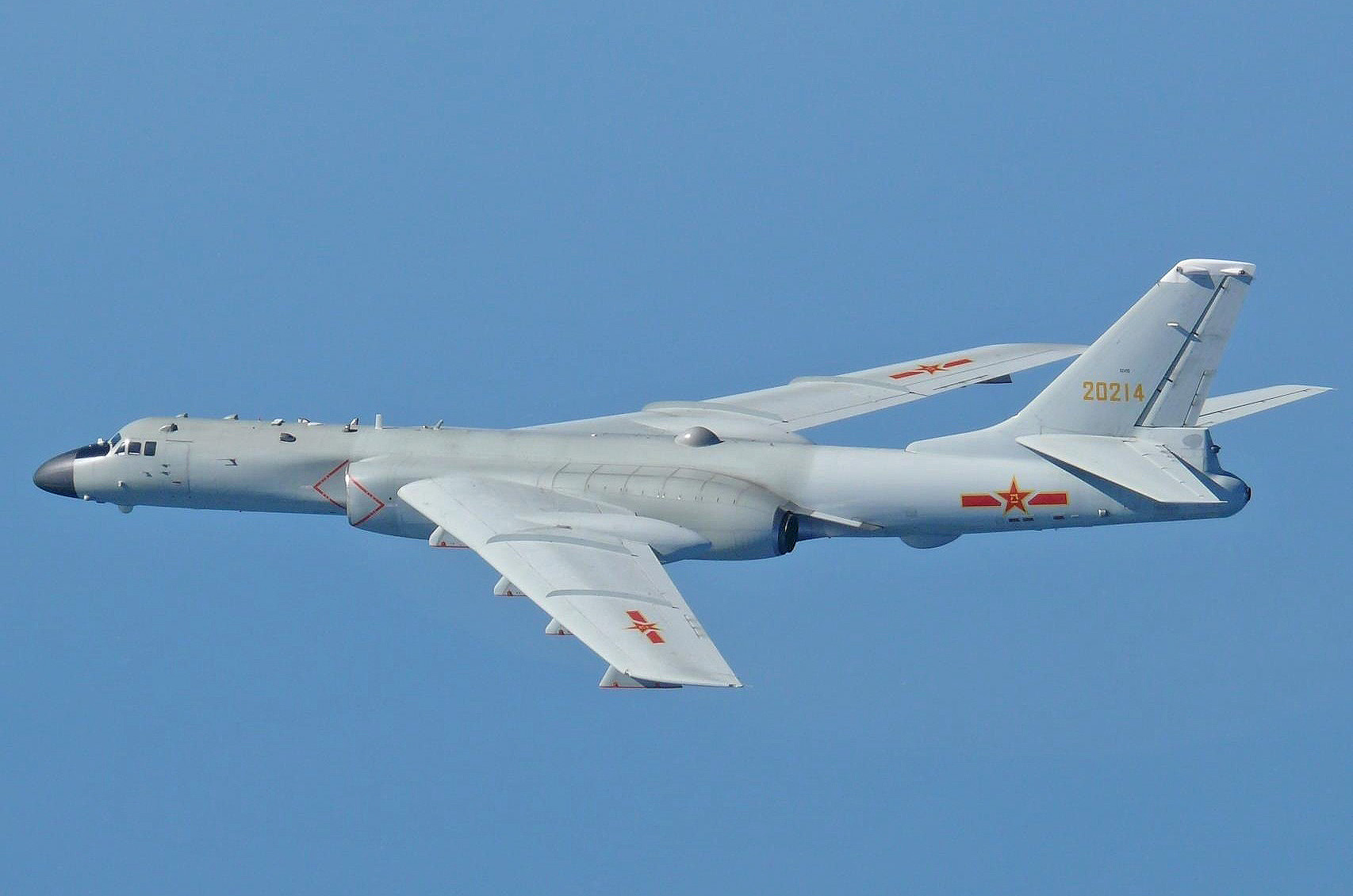
Although the Sino-Soviet nuclear force concept of the 1950s was abandoned, it led to the establishment of a Chinese assembly line for the Soviet Tupolev Tu-16 design, along with all supporting design information. The Tu-16 is a twin-engine long-range bomber that first flew in 1952.
The Chinese version, known as the H-6, first flew in 1959. It has a maximum weapon payload of approximately 9000 kg. It can carry free-fall bombs, anti-shipping missiles, cruise missiles, and potentially nuclear weapons, as well as up to six defensive 23 mm automatic cannons.
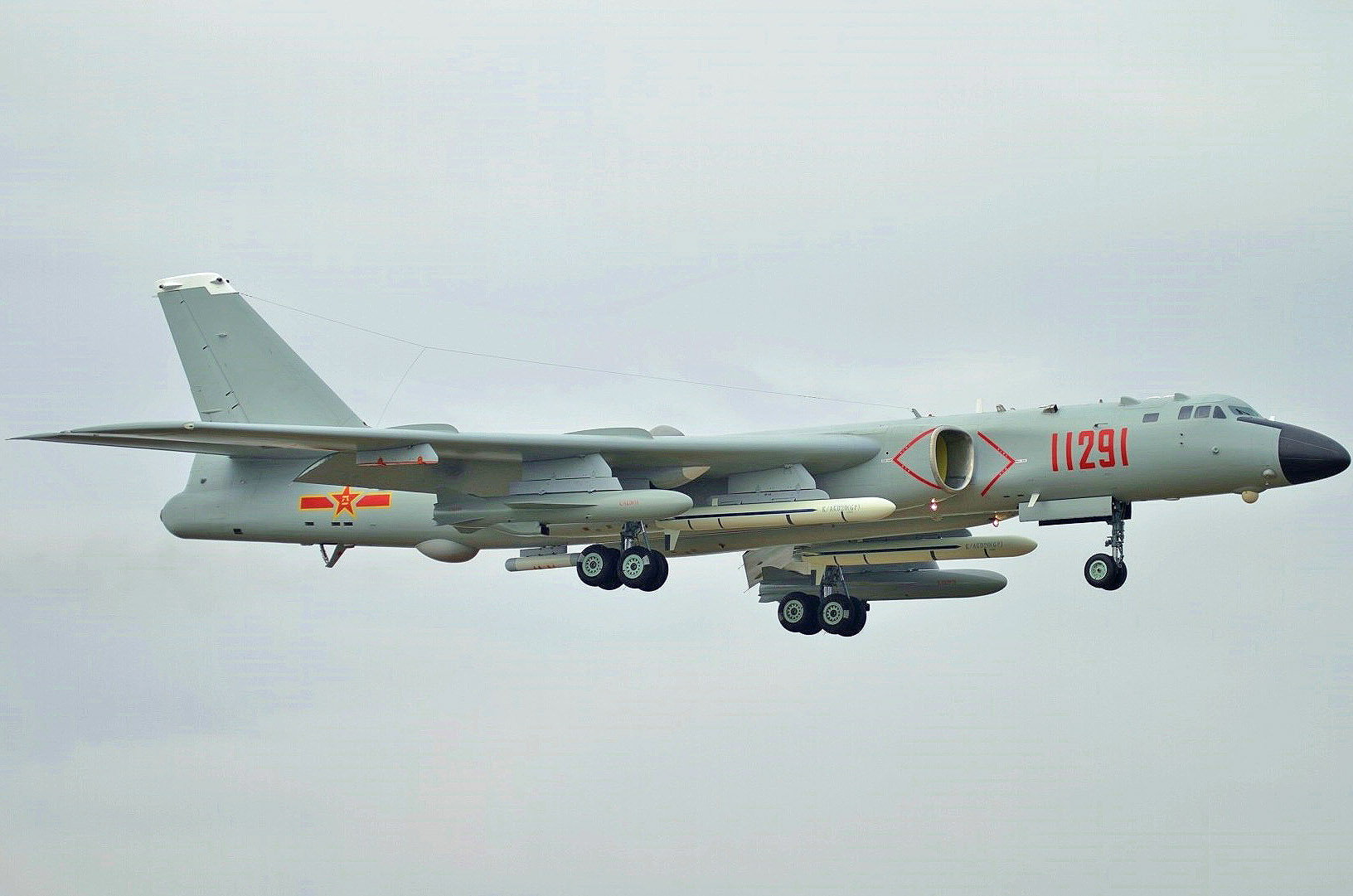
In 2014, the Yellow River in Inner Mongolia froze, blocking the flow of water and creating a risk of mass flooding. In a successful solution, at least three Xian H-6 aircraft dropped 24 unguided bombs, which all hit the target and broke the ice.
The most advanced variant is the H-6K, featuring superior systems and engines. It is designed for attacks with modern long-range missiles. A regiment of 18 H-6Ks could launch a salvo of 100 supersonic missiles (likely YJ-12) with a range of up to 500km, posing a significant threat to any naval force. It can also fire YJ-21 Air-Launched Ballistic Missiles.
- Shenyang J-16
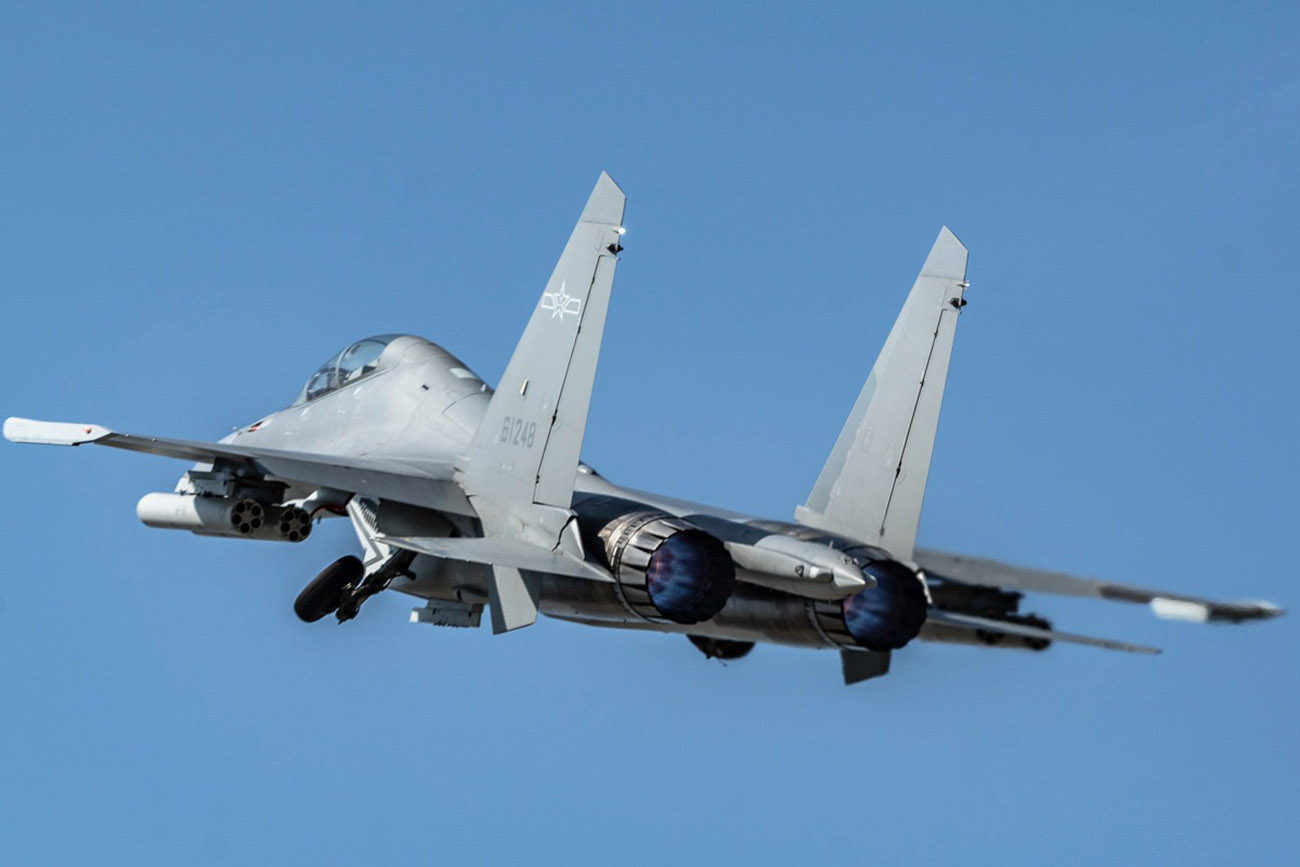
The Su-27 ‘Flanker’ was one of the most feared Soviet fighter aircraft during the final years of the Cold War. It excelled in various aspects, including turn rate, high alpha performance, climb rate, weapons capacity, and long range.
While similar in configuration to the MiG-29, the Su-27 is significantly larger, measuring approximately 22 meters in length compared to the MiG-29’s 17 meters. The Flanker series proved to be highly adaptable, with numerous derivatives developed after the Cold War.
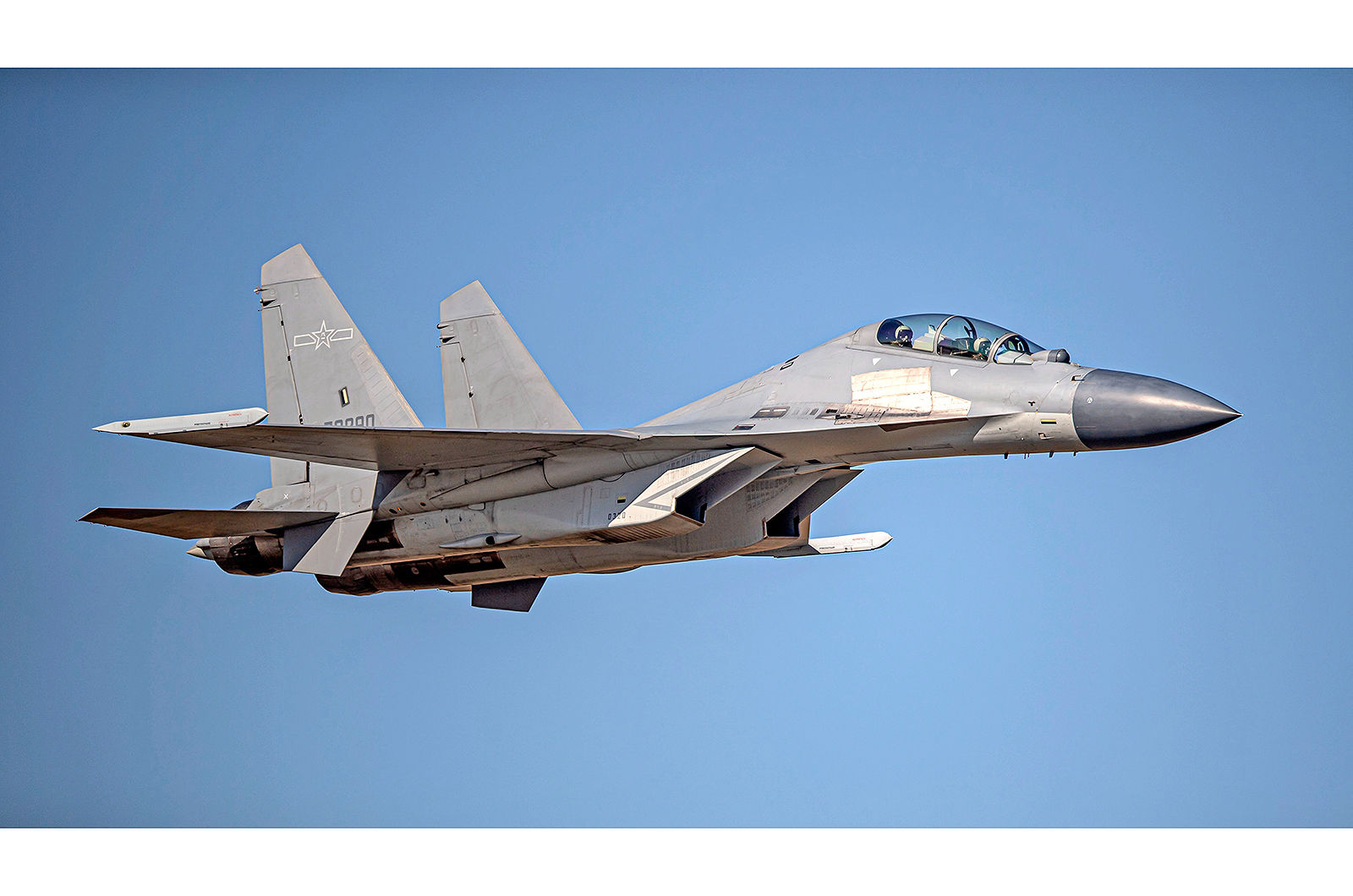
The ‘Flanker’ combines a clever aerodynamic design with a fuselage that contributes significantly to lift, along with a high power-to-weight ratio at lighter fuel loads. Shortly after the Cold War, Flanker air displays astonished Western audiences with extremely high alpha maneuvers and controlled maneuvers at extremely low speeds.
China possesses a wide array of officially and unofficially developed Flanker variants and derivatives. The Shenyang J-16 is the most radically Chinese Flanker derivative and is available in large numbers. The J-16D is an electronic warfare (EW) variant equipped with wingtip EW pods and other specialized mission equipment.
- Chengdu J-10
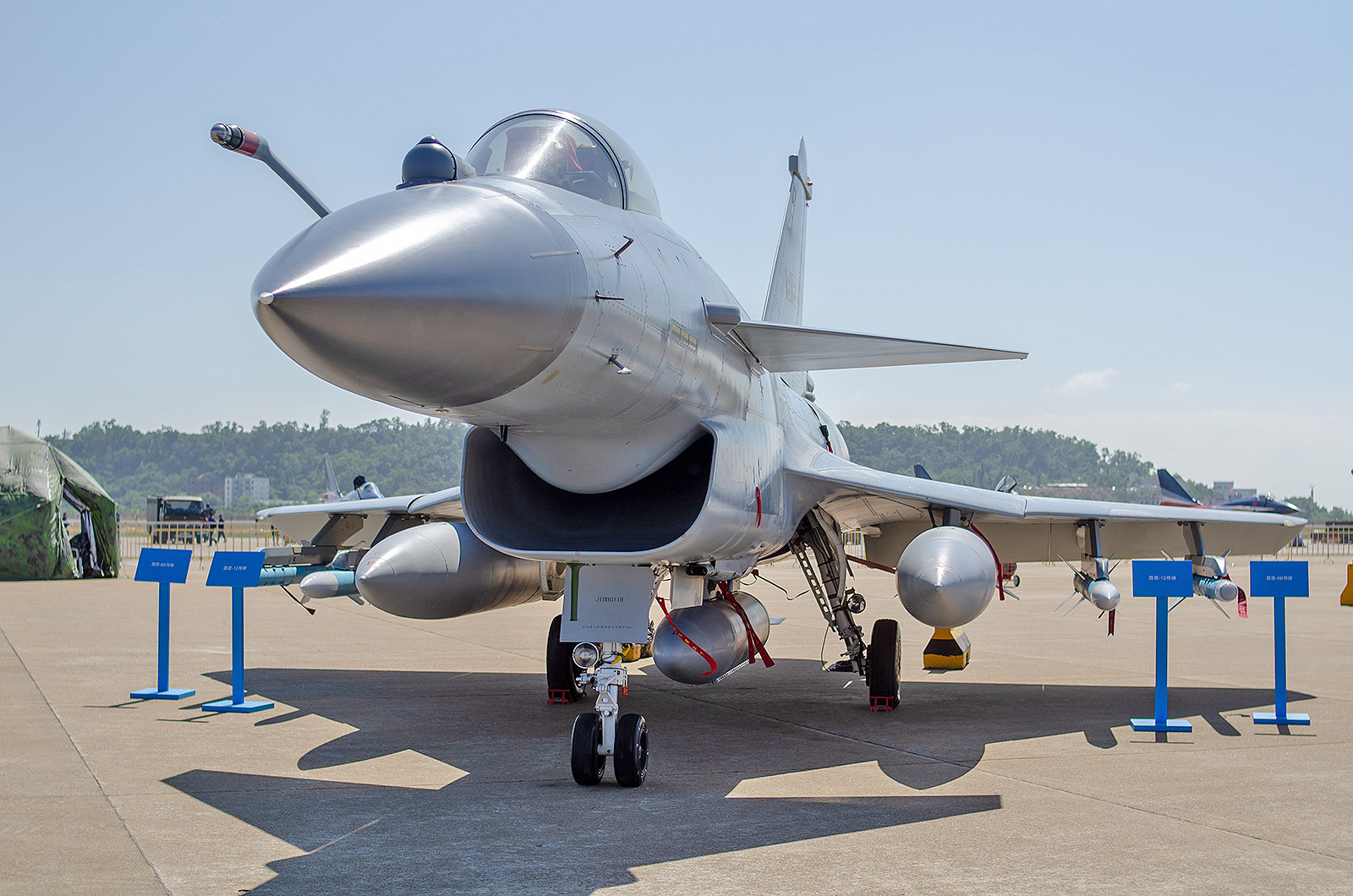
The J-10 is a medium-weight, multirole, single-engine combat aircraft that first flew in 1998. It features a tailless delta canard configuration, a design favored in Europe and also used by the larger Chinese J-20. With an estimated 580 aircraft in service, it forms the backbone of the People’s Liberation Army Air Force.
The J-10 is based on CAC’s experiences with the cancelled J-9 project, which underwent numerous iterations during its development. The cancelled Israeli Lavi project of the 1980s likely influenced the J-10’s flight control system (FCS) development and integration, avionics, and overall program management.
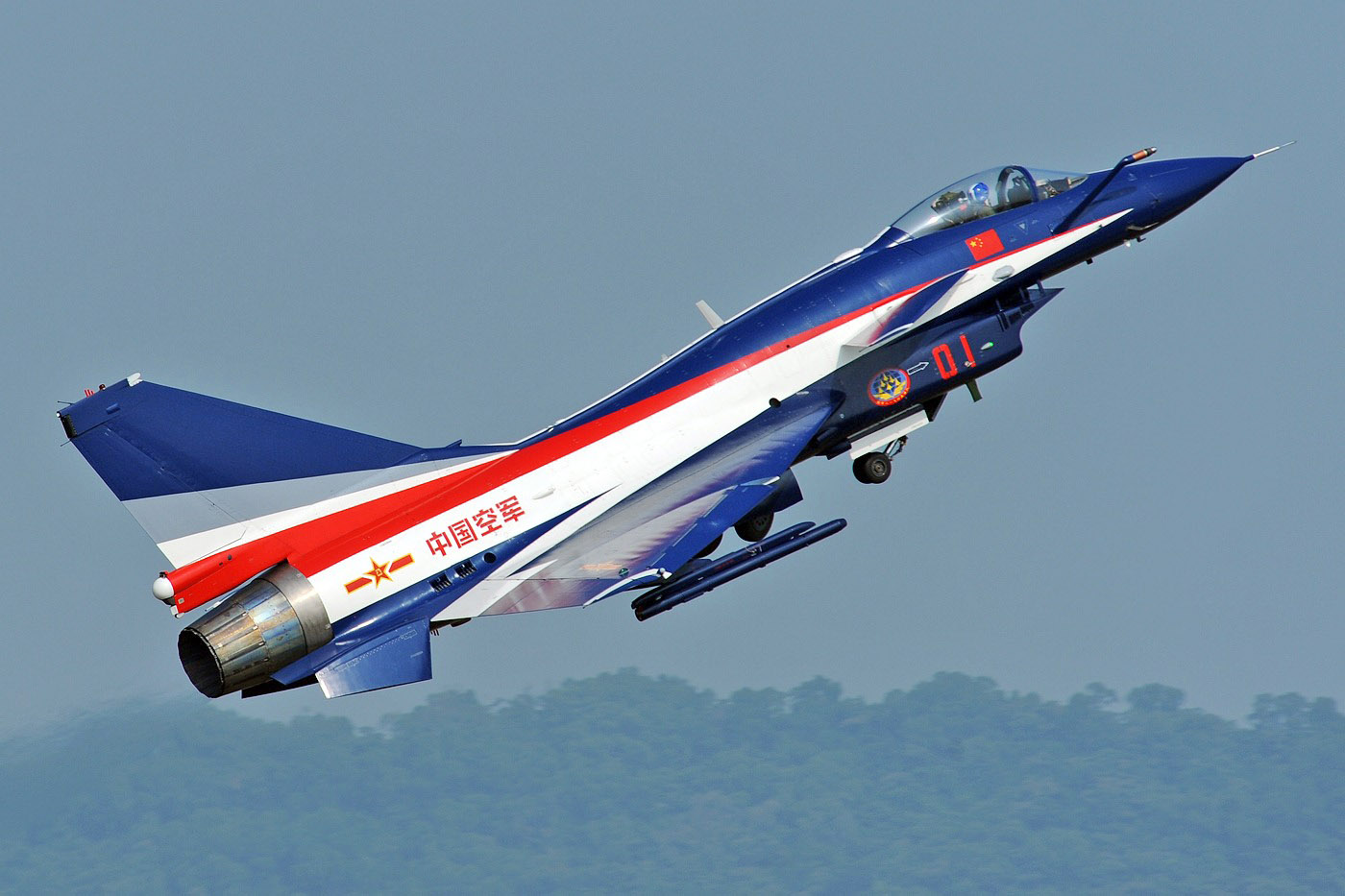
The J-10 appears to be an excellent all-rounder, well-equipped with modern sensors and weapons. It boasts a small turn radius, excellent low-speed performance, and modest runway length requirements.
The J-10C’s arsenal includes the long-range PL-15 missile, making it a formidable aircraft. The J-10B variant introduced refinements that enhanced stealth, notably a new divert-less supersonic intake. Potential weaknesses of the J-10 include high fuel consumption and relatively low range.
- CAC/PAC JF-17 Thunder
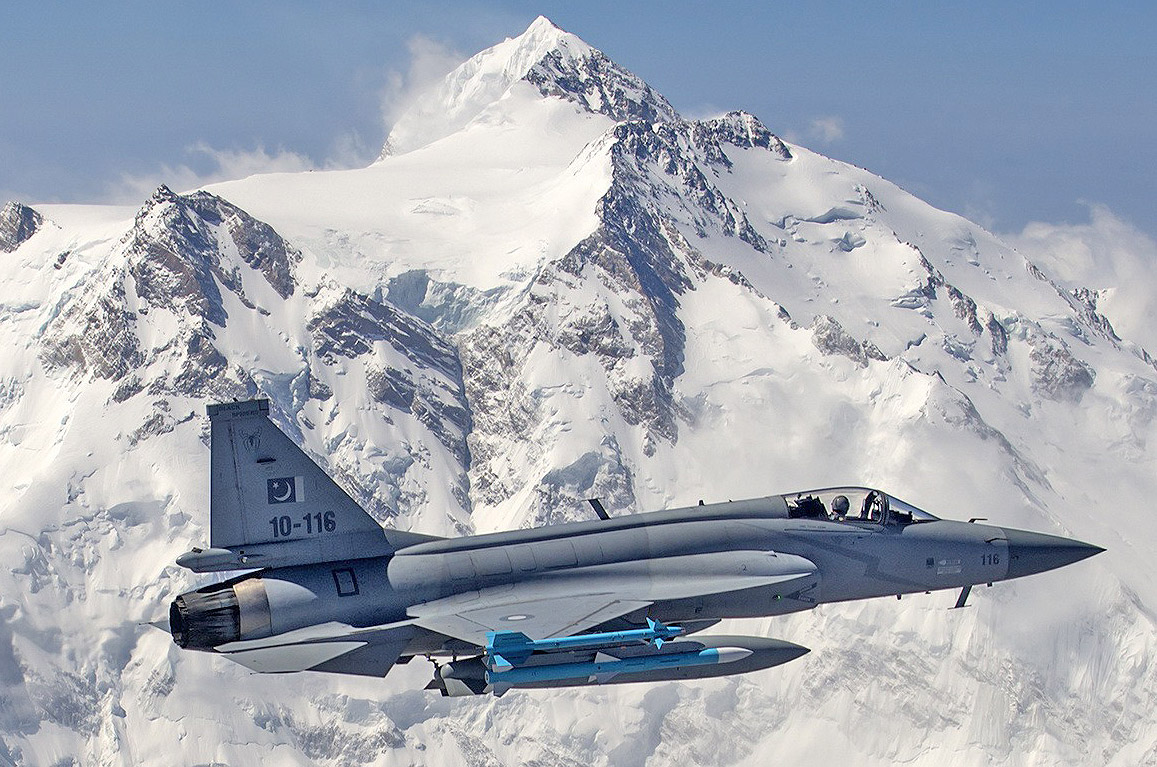
The CAC/PAC JF-17 Thunder is a joint Chinese/Pakistani fighter aircraft. According to a JF-17 pilot, it is, ‘Underrated, reliable and effective’. The JF-17 is a light fighter operated by Pakistan, Myanmar and Nigeria (with others coming soon). While the Gripen utilizes one Hornet engine to great effect, the JF-17 gets by with one MiG-29 engine.
One of the major advantages of the JF-17 is its independence from US foreign policy decisions, as it is equipped with modern Chinese weapons and avionics. This is not the case with the Pakistan Air Force’s United-States-supplied F-16s.
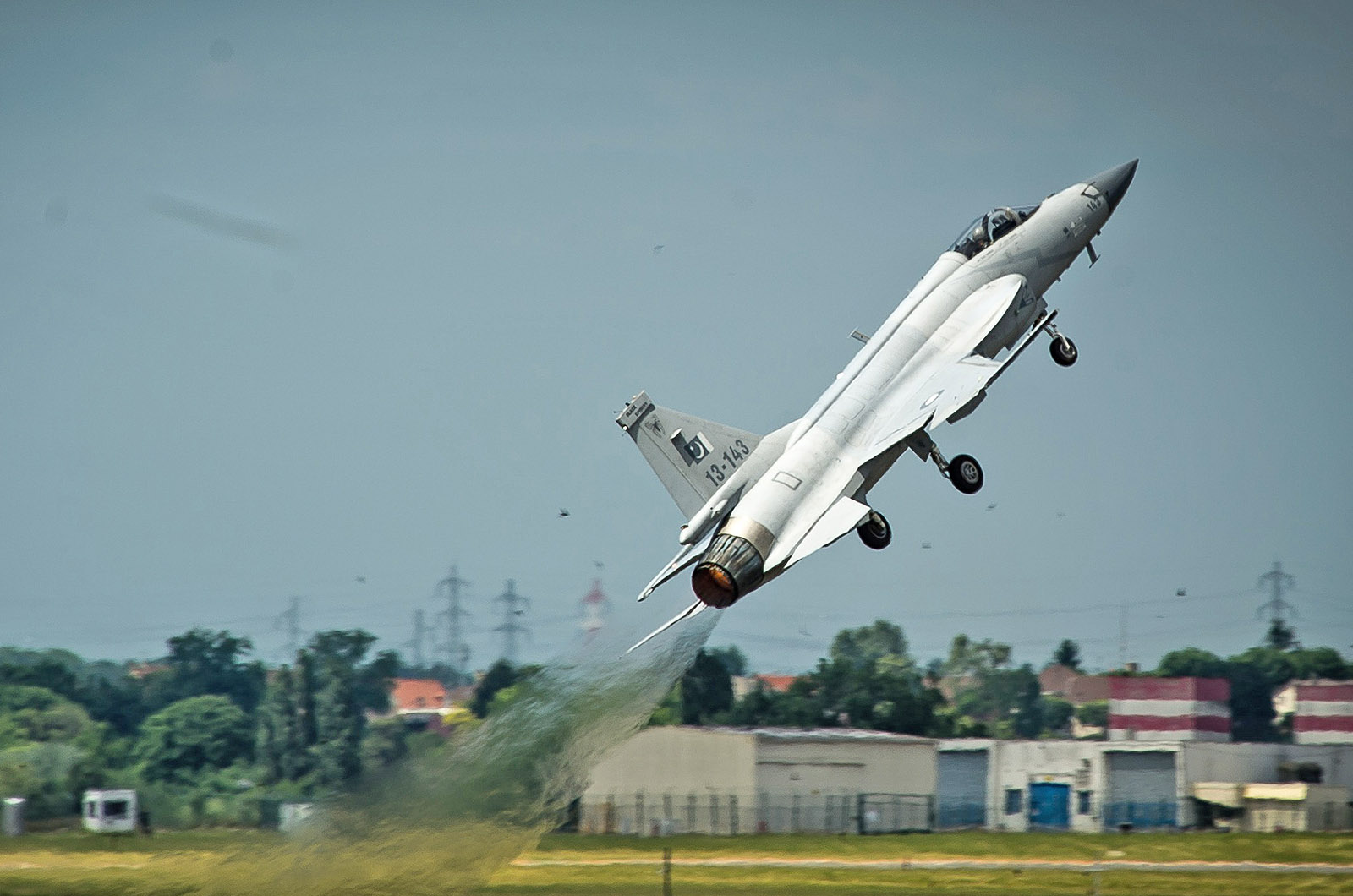
The most noteworthy feature of the JF-17’s generally conventional design is its diverterless supersonic inlet (DSI), which uses a ‘bump’ and forward-swept inlet to simplify the intake compared to variable-geometry designs. This serves to slow and smooth the air entering the jet engine.
According to the pilot, the best thing about the JF-17 is the ‘Continuous upgrades of indigenous (Pakistani) and Chinese weapons and electronic counter-measure suites’. He also noted the impressive long range capabilities of certain weapons, including the REK/IREK, CM-400 and C-802AK cruise missiles.
- Chengdu J-20 ‘Mighty Dragon’
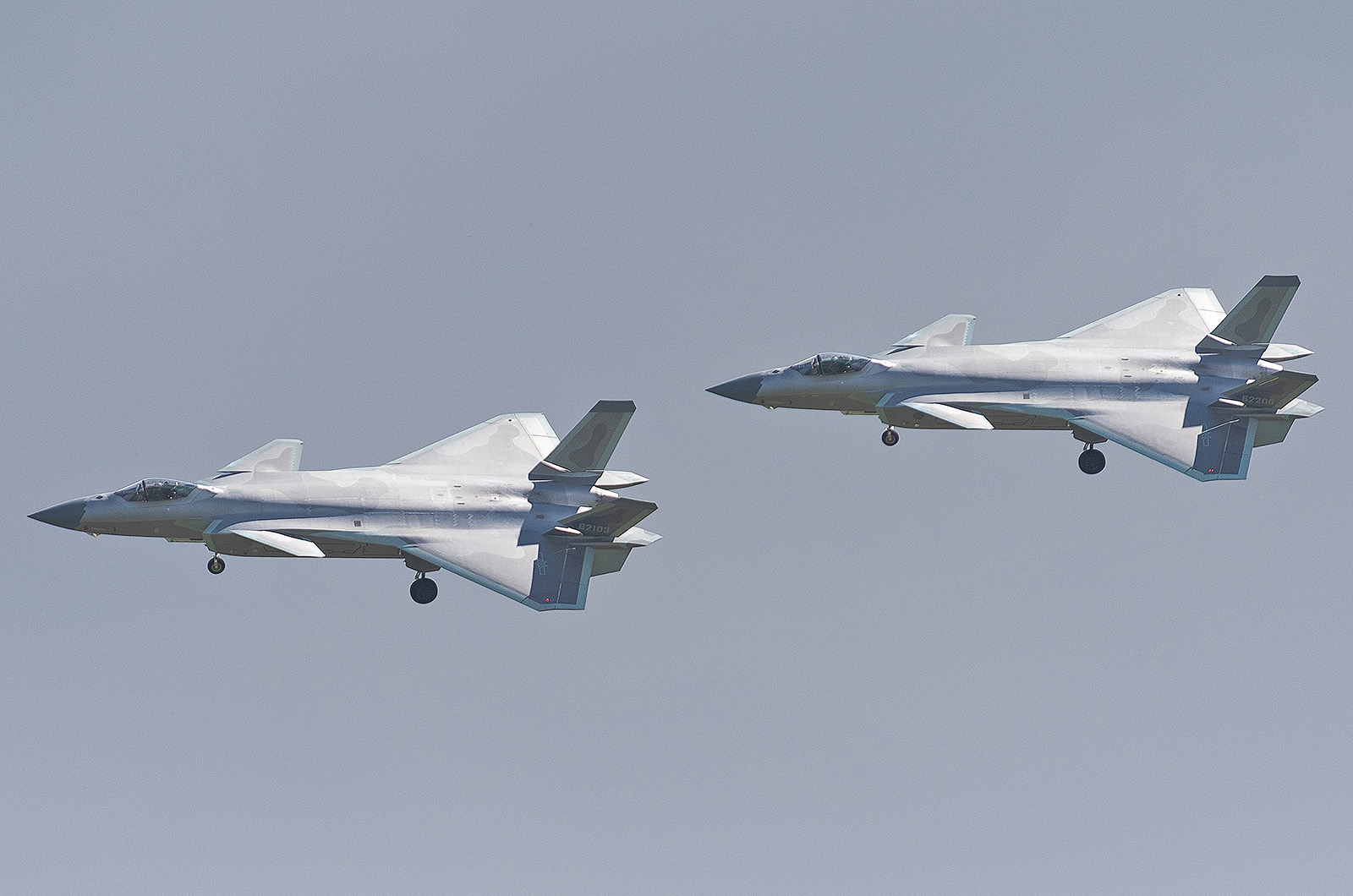
China was the second nation globally to introduce an indigenous stealth fighter into operational service. With its extremely long-range anti-air weapons, this relatively stealthy platform could prove formidable. It is the first stealth aircraft to adopt the tailless canard delta configuration.
Unlike other fighters with the canard-delta arrangement, the canard is not closely coupled to the wing, which allows for the carriage of significantly more fuel and a long internal weapons bay with sufficient volume for a wide range of weapons.
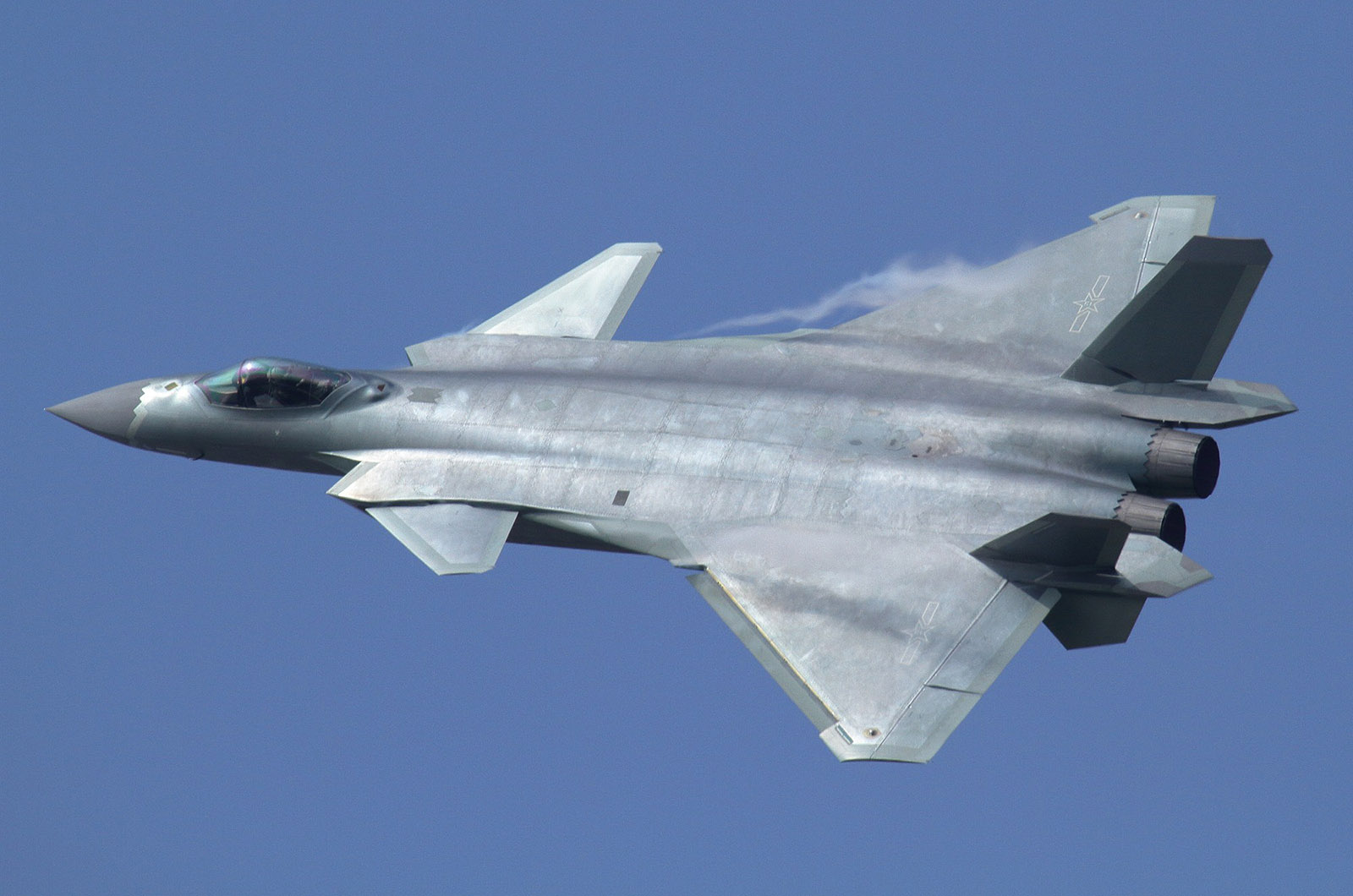
The J-20’s stealth capabilities, supercruise ability, and modern weaponry suggest it is a capable aircraft with a unique role and configuration. Achieving its full potential depends on China’s ability to overcome historical challenges in engine development and stealth technology.
The J-20 is likely less stealthy than the F-22 and F-35, and at least one F-35 pilot has stated that he does not believe the J-20 is low-observable in a meaningful sense. The true extent of its stealth capabilities, like those of any modern serving aircraft, remains undisclosed to the public.

