



Understanding the West Nile Virus Threat
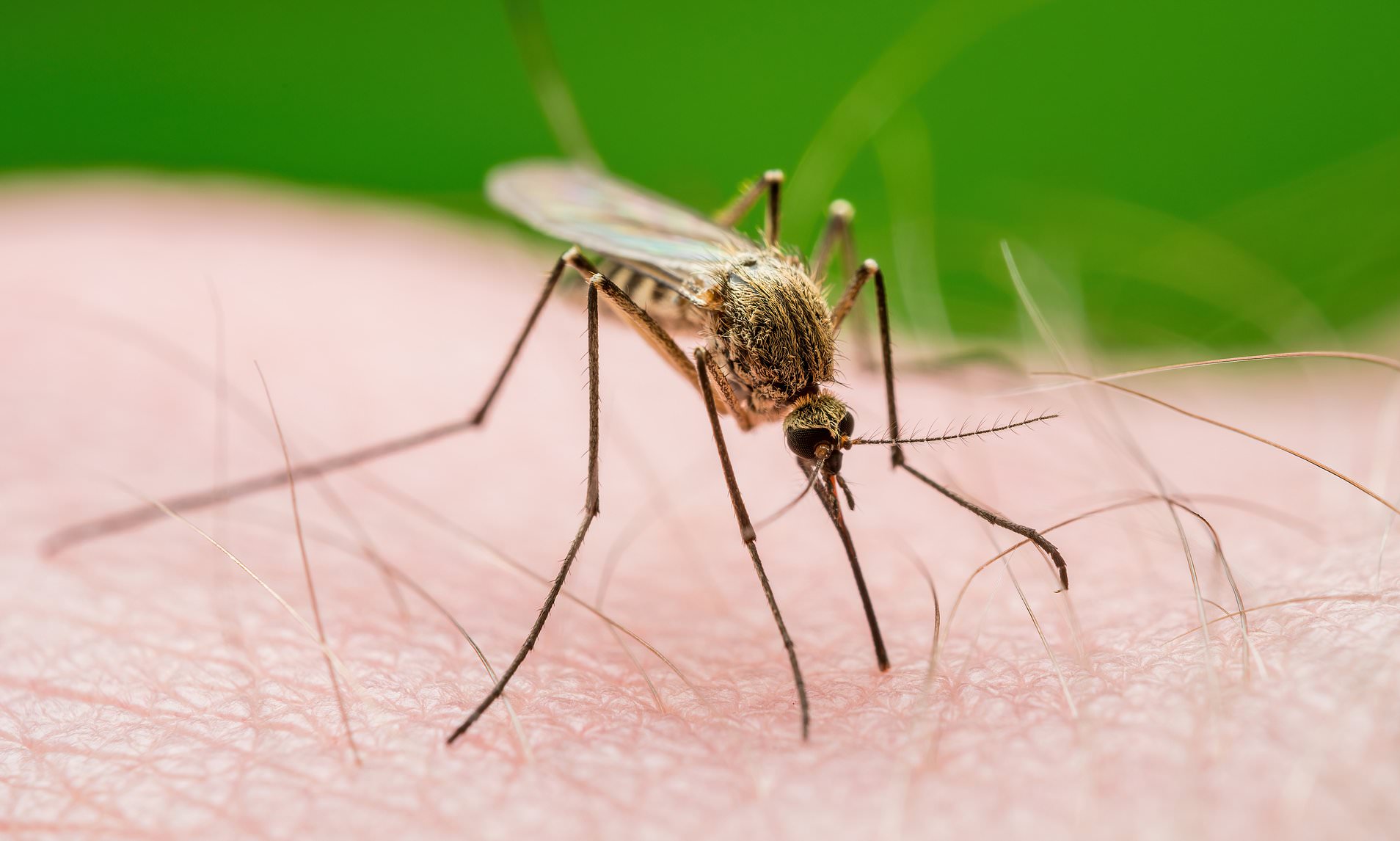
The West Nile Virus (WNV) has recently been detected in mosquitoes in Tarajal, a neighborhood located six miles from the center of Malaga. This discovery has prompted health officials to place the area on alert until at least the beginning of November. The virus is primarily transmitted through the bite of infected mosquitoes, which often carry the virus after feeding on infected birds.


In addition to Tarajal, other areas such as La Luisiana in Seville and Tahivilla in Tarifa have also received warnings about the presence of the virus. The Andalusia Health and Consumer Department confirmed that mosquitoes in these locations are carrying the virus. Based on the proximity of these infected insects to local populations, authorities have implemented precautionary measures.
The alert is currently set to last until November 5, but it may be extended if necessary. Locals in Malaga will receive guidance on how to protect themselves from potential exposure to the virus.
Symptoms and Risks of the West Nile Virus
Most people infected with the West Nile Virus do not show any visible symptoms. However, some individuals may experience mild symptoms such as headaches, fever, body aches, vomiting, diarrhea, or a rash. In more severe cases, the virus can affect the central nervous system, leading to hospitalization or even death.
A recent case in Antequera, Malaga, highlighted the risks associated with the virus. A horse tested positive for WNV, and the area was classified as high risk. Earlier this year, the virus was found in mosquitoes in Nottinghamshire, marking its spread beyond traditional regions such as Africa, the Middle East, and South Asia.
In July, an individual in Maricopa County, Arizona, was diagnosed with the West Nile Virus. Tragically, the person passed away, becoming the 17th human case in the area. This case falls under the one percent of patients who develop a severe form of the virus, which can cause dangerous swelling of the brain.
Severe Cases and Vulnerable Populations
The severe form of the virus occurs when it crosses the blood-brain barrier and infects the brain and/or spinal cord. This can lead to conditions such as encephalitis, meningitis, or paralysis. Officials revealed that the victim was an older adult with underlying health conditions, making them more susceptible to the virus.
The spread of the West Nile Virus raises concerns about public health, especially in regions where the virus was previously uncommon. As climate change continues to influence weather patterns, there is a growing concern about the increase in mosquito-borne diseases. Warmer temperatures provide ideal conditions for mosquitoes to thrive, potentially leading to more cases of the virus.
Climate Change and the Spread of the Virus
With the monsoon season bringing increased mosquito breeding opportunities, there is a heightened risk of more tragic cases similar to the one in Arizona. The question remains: Is the deadly West Nile Virus now creeping into Britain’s backyard, threatening to transform the landscape of public health?
As the virus spreads across 14 states in America this season, many are wondering whether their backyards could harbor deadly risks. The connection between climate change and the surge in West Nile Virus cases is a pressing issue that requires attention and proactive measures to protect vulnerable populations.

