
The Great Ketchup Conundrum: To Chill or Not to Chill?
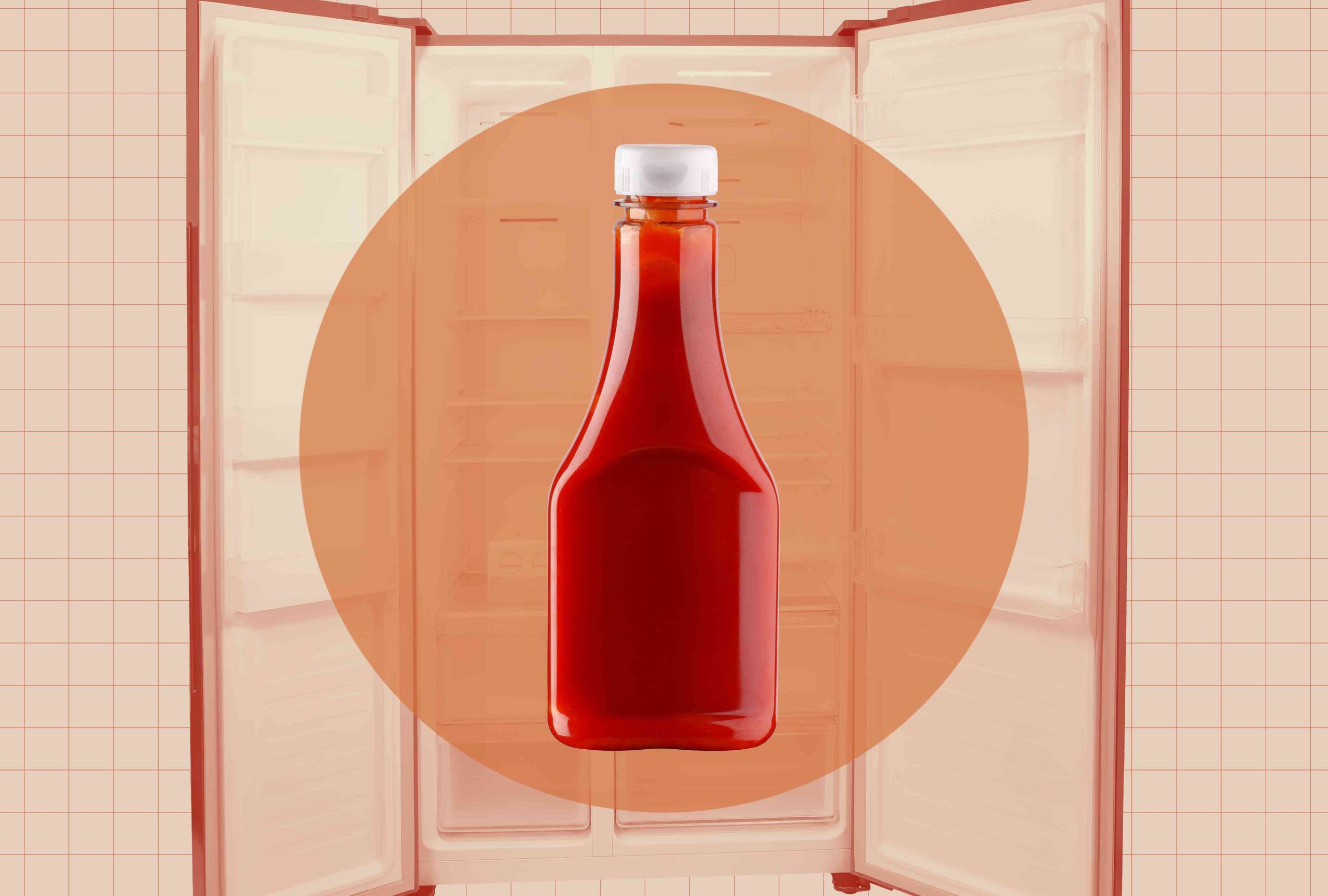
Ketchup, the beloved tangy-sweet condiment, graces everything from crispy french fries to savory meatloaf and humble hamburgers. While its exact origins are debated, with roots potentially tracing back to China, its place on the American table is as iconic as apple pie. But once that seal is broken, where does this popular staple belong: the pantry or the refrigerator?
For many, the answer seems obvious – the fridge, alongside other common condiments like mustard, mayonnaise, and relish. However, a common sight at casual eateries, like giant plastic jugs of ketchup often seen refilled and unrefrigerated, can cast doubt on this seemingly simple rule. Are these restaurant staples safe to consume?

To settle this age-old debate, industry experts and manufacturers like Conagra Brands, makers of Hunt’s Tomato Ketchup, are in agreement: an opened bottle of ketchup is best stored in the refrigerator.
Why Refrigeration Reigns Supreme for Ketchup
“Once opened, ketchup should be stored in the refrigerator for best results,” states Jennifer Sargent, a culinary specialist at Conagra Brands. She explains that while the natural acidity of tomatoes, combined with distilled vinegar, makes ketchup inherently resistant to bacterial growth, refrigeration is key to maintaining its optimal quality. “Due to the acidity of tomatoes, ketchup is naturally shelf-stable, but refrigeration ensures a better flavor and texture experience over a longer period of time.”
The fundamental ingredients of ketchup – tomato concentrate, vinegar, and sweeteners – create an environment that is generally inhospitable to spoilage. However, as food scientist Bryan Quoc Le, Ph.D., author of 150 Food Science Questions Answered, points out, even acid-resistant yeasts can thrive at room temperature.
“Technically you could keep ketchup in the pantry, but certain yeasts that are acid-resistant can proliferate at room temperature,” Le explains. “These are not dangerous but can greatly impact the taste and flavor of the ketchup. Some ketchup bottles that have been improperly manufactured or stored have been known to explode due to the growth of yeasts in the bottles.”
While the risk of a dangerous pathogen is low, the potential for compromised flavor and texture, and even a dramatic bottle eruption, makes a strong case for chilling.
Maximizing Ketchup’s Flavor and Longevity
While storing ketchup at room temperature might not pose an immediate food safety threat, especially if consumed quickly, refrigerating it is the superior method for preserving its intended taste and appealing texture. An opened bottle kept in the refrigerator can maintain its quality for a considerable duration, often guided by the “best by” or “use by” dates printed on the packaging.
“Always check the ‘best by’ or ‘use by’ date on your ketchup bottle to ensure freshness,” advises Sargent.
Dennis Littley, a food industry veteran and chef at Ask Chef Dennis, elaborates on the benefits of refrigeration: “Refrigeration keeps ketchup fresh for longer by slowing down oxidation and bacterial growth. While an unopened bottle can sit in the pantry for months, an opened one should be refrigerated to maintain its best quality. If left out at room temperature, ketchup can develop off flavors, darken in color and even separate over time.”
Identifying When Ketchup Has Gone Bad
Restaurants may opt for room-temperature storage for high-volume items like ketchup, especially if they go through bottles within a few weeks. However, for home use, and to ensure the best possible experience, refrigeration is recommended. Several factors can impact ketchup’s quality and indicate spoilage.
“If it’s kept out, it’s best to keep the bottle in a cool place away from sunlight, as ultraviolet light and heat can damage the flavor,” notes Le. “Ketchup rarely suffers from pathogens, as the pH is quite low due to the acidity of the product. If there is the rare instance that mold is growing in the ketchup, then it is no longer safe to eat, as mold can release mycotoxins that affect your health.”
Beyond the potential for mold, which is a definitive sign to discard the product, other indicators signal that your ketchup is past its prime. Littley offers practical advice for assessing quality:
- Color Changes: A significantly darker hue than its original bright red can indicate spoilage or oxidation.
- Off Smells: Any unusual or unpleasant odor is a clear warning sign.
- Texture Alterations: While some natural separation of liquid is normal, excessive wateriness, clumping, or a change in overall consistency suggests the emulsion has broken down.
- Visible Mold: This is the most critical indicator of spoilage and a health hazard.
To further prolong freshness, Littley suggests a few simple practices:
- Clean the Cap: Wipe away any dried residue from the cap after each use to prevent crustiness and potential spoilage.
- Seal Tightly: Ensure glass bottle caps are screwed on tightly to prevent moisture ingress.
- Expel Air: For plastic bottles, squeeze out excess air before closing the cap to minimize oxidation.
The Verdict: Chill Out with Your Ketchup
In conclusion, the consensus among experts is clear: once opened, an unlocked bottle of ketchup belongs in the refrigerator. This simple step is the most effective way to preserve its vibrant flavor, appealing texture, and overall quality for an extended period. Always heed the “use by” dates, and when in doubt, trust your senses. If your ketchup exhibits a dramatically altered color, an unpleasant smell, or any signs of mold, it’s time to bid it farewell.