



The Evolving Role of the UK Chancellor in Global Finance
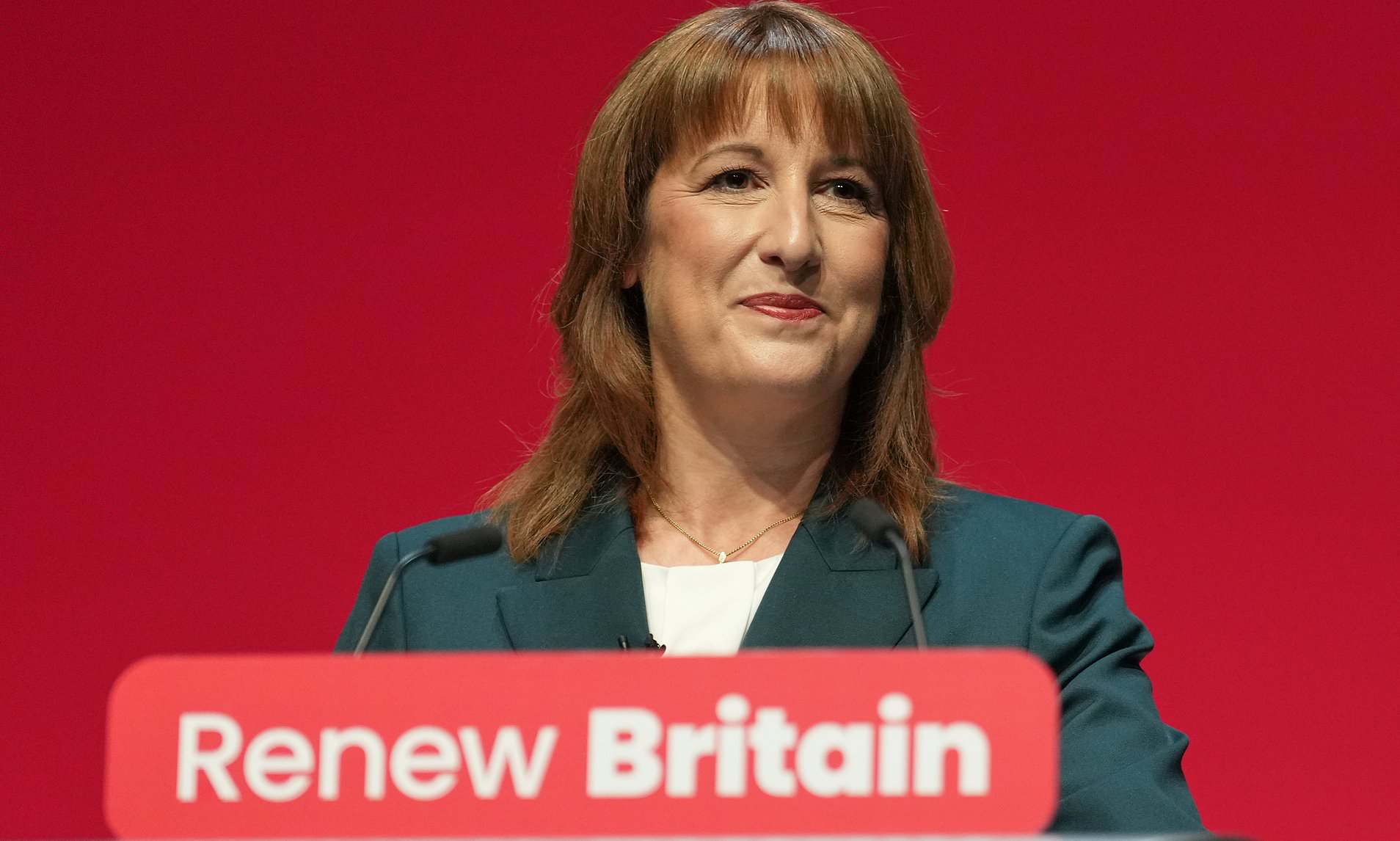
Rachel Reeves, the current UK Chancellor, is attending her second annual meeting of the International Monetary Fund (IMF) and G7 leading finance ministers. However, she has quickly become a seasoned figure in these high-stakes discussions. Political instability and elections across the Western world have placed her in an unexpected position: she is now the second-longest serving member of the G7 club.
Historically, British finance ministers have approached global meetings with bold visions to improve the world. For instance, Gordon Brown was known for his proactive efforts at the IMF and World Bank, working alongside the late James Wolfensohn to secure debt relief for some of the world’s poorest nations. This kind of international development focus has significantly diminished in recent years, with the poorest countries receiving minimal attention at G7 summits.

The current agenda is dominated by discussions on how to utilize and release approximately $300 billion in frozen Russian assets to support Ukraine. This shift reflects a broader trend where Western democracies are increasingly focused on leveraging external resources, even if they come from questionable sources.
The growing debt burden in Western nations has forced governments to adopt innovative methods of using other people’s money. As a result, the Labour Chancellor no longer holds a significant influence in the international development debate. A substantial portion of aid funding has been redirected towards national defense and the costs associated with the UK’s asylum policies. This reallocation mirrors similar trends across the developed world, driven by the fiscal changes brought about by the pandemic and the ongoing impact of the Ukraine conflict.
Reeves has not helped her case by attributing all economic challenges to 14 years of Conservative mismanagement, particularly under Liz Truss. While Truss was indeed a poor leader whose unfunded tax cuts caused market turmoil, it was Labour’s pressure that forced the weak Tory government into making overly generous energy bill subsidies. There is an acknowledgment within the Treasury that some critical budgetary decisions made last year were flawed.
Empowering the Office for Budget Responsibility has backfired, leaving the government with little flexibility to respond to new, gloomier economic forecasts. National economies are dynamic, adapting to both global and domestic events. The target of making the UK the fastest-growing economy in the G7 has become increasingly unrealistic, as evidenced by the latest stagnant GDP data, which showed only a 0.1% growth in August.
This lack of economic momentum has left the Chancellor mired in budget policy details. A year ago, Reeves projected confidence in Britain through strict fiscal rules. However, the absence of budget flexibility has become a major obstacle. This situation led to the second financial event in March, resulting in the welfare cut debacle and diverting attention from ambitious public investment initiatives.
Reeves is determined to avoid repeating these mistakes in November. However, creating more fiscal space to handle economic volatility would likely require higher taxation. A government that has struggled to control welfare costs is unlikely to gain public support for increased taxes. Health benefits have evolved into a form of universal income for those who choose not to work, and higher taxes on the wealthiest individuals could further harm economic growth.
The Pharmaceutical Industry and the UK’s Struggle to Retain Investment
The Chancellor has attempted to offer a small gesture to Britain’s disenchanted pharmaceutical industry. She acknowledges that the increase in the levy paid by medicine manufacturers to the NHS is too high and is open to negotiation. However, the damage has already been done.
AstraZeneca has moved to a full New York share quote, alongside its London primary listing, and is redirecting $50 billion in investment to the US. CEO Sir Pascal Soriot, who once saved Astra from Pfizer, is now a close ally of Donald Trump. Similarly, GSK plans to invest $30 billion in the US. These massive investments could have transformed the UK’s homegrown research and development in life sciences. The loss of such opportunities highlights a concerning lack of strategic foresight.

