
Rachel Reeves and the Potential Tax Raid on Middle England
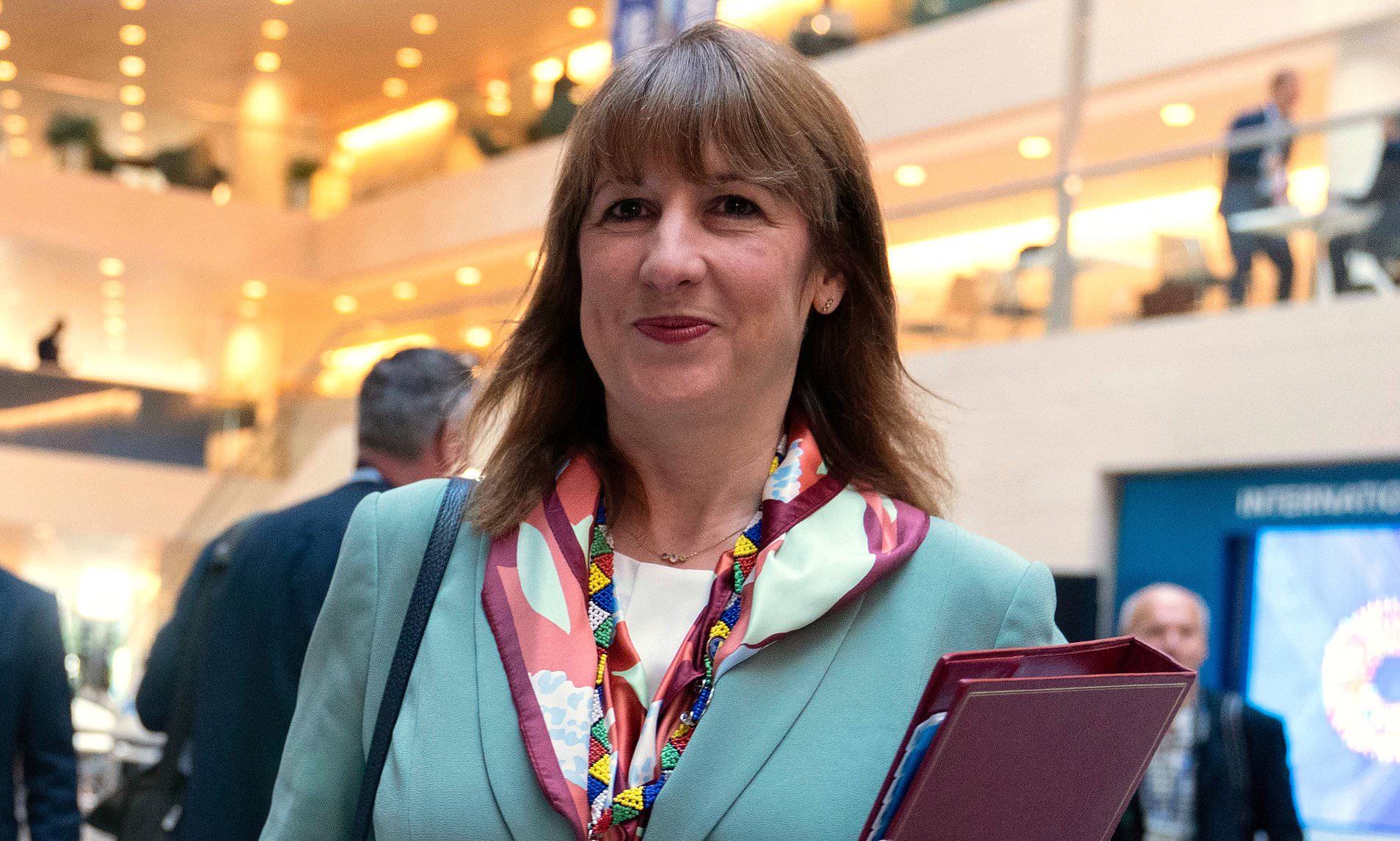
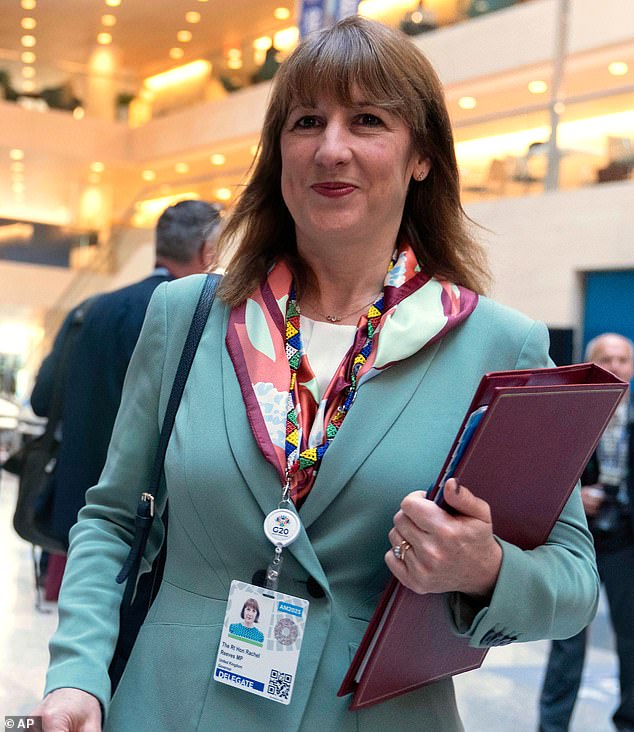
Chancellor Rachel Reeves has raised concerns about a potential tax raid on Middle England, suggesting that those with the “broadest shoulders” would need to pay billions more. Her remarks came as official figures revealed that the UK economy flatlined over the summer, setting the stage for a Budget that could target the better-off.
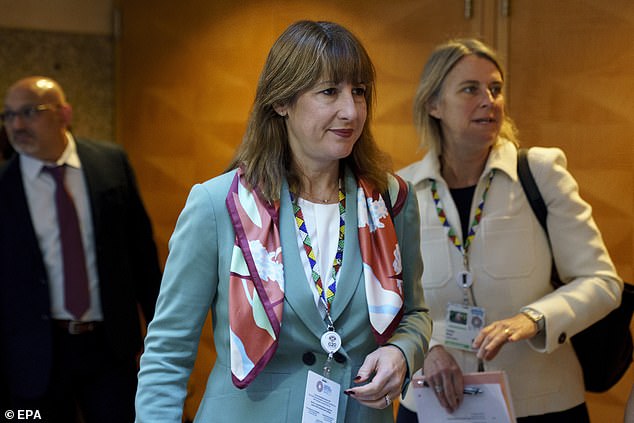
During the International Monetary Fund’s annual meetings in Washington, the Chancellor hinted at possible measures that could affect property, pensions, and savings. While she ruled out a specific wealth tax, her comments suggested that she might look for alternative ways to generate revenue. This has intensified speculation that inheritance tax, retirement schemes, or landlords could be targeted.

Ms. Reeves emphasized that those with the most resources should contribute their fair share, pointing to her actions from last year’s Budget. She indicated that her judgment on who to target would be based on assets rather than wages, highlighting that wealth is different from income.
The Challenge of Raising Revenue
To meet her Budget rules, Ms. Reeves will need to raise taxes and cut spending significantly to fill a financial black hole of tens of billions of pounds. She mentioned the need for more headroom, which would require either more tax revenue or reduced spending on public services like the NHS.
The Institute of Fiscal Studies estimates that £42 billion may need to be raised to avoid a repeat of the so-called ‘Groundhog Day’ scenario. Shadow chancellor Sir Mel Stride criticized the approach, stating that under Labour, nothing is safe—neither homes, nor pensions, nor savings. He urged the Chancellor to focus on controlling government spending rather than increasing taxes.
Impact on Businesses and Economy
A new poll revealed that firms are preparing to cut jobs, raise prices, and reduce investment if tax rises are included in the Budget. The survey from the Institute of Chartered Accountants in England and Wales found that many businesses have already taken similar actions following last year’s tax raid.
Alan Vallance, chief executive of the institute, warned that Britain faces a damaging cliff edge if the Chancellor decides to raid businesses again at the next Budget. He highlighted that business confidence is fragile, investment is stalling, and decision-making is slowed by complexity, cost, and uncertainty.
The economy grew by a meagre 0.1 per cent in August, following a 0.1 per cent contraction in June, indicating a stagnation over the summer. Experts fear that speculation ahead of the Budget could further dampen growth.
Targeting Businesses and Potential VAT Increases
Whitbread, the owner of Premier Inn, has cautioned the Chancellor against further “punitive” tax increases for businesses. Dominic Paul, the company’s boss, said Labour’s workers’ rights bill is making it harder to grow.
Meanwhile, the Tories have warned that ministers are running out of options and plotting a taxi tax grab. Labour has not ruled out applying VAT to private hire fares, sparking speculation that cabbies could be hit at the Budget.
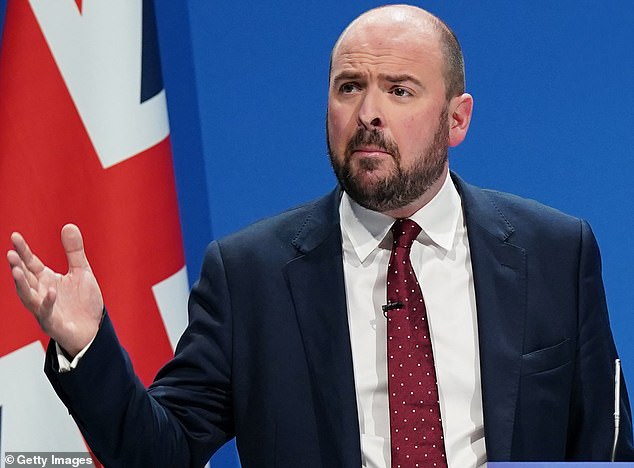
Shadow transport secretary Richard Holden questioned the Treasury on its assessment of applying 20 per cent VAT to private hire vehicle journeys on vulnerable users. Treasury Minister Dan Tomlinson stated that the Government is carefully considering the issue and will publish a detailed response soon.
Currently, most taxi operators do not charge VAT as their drivers are self-employed and earn less than £90,000. However, industry experts estimate that such a tax could raise £750 million annually by adding £2 to £3 to the cost of a typical £12 journey.
Balancing Cost of Living and Public Finances
Despite the potential tax hikes, the Chancellor promised to help struggling households in the Budget, with measures to cut energy bills. Ms. Reeves highlighted the need for targeted action to address cost of living challenges while managing inflation.
The BBC reported that one plan being considered is a reduction in the VAT on fuel bills, currently at five per cent. Scrapping this could save households £86 a year but would cost the Treasury up to £1.75 billion.
Another option is lowering some green levies added to energy bills, which cost families over £200 a year. However, this could prove too expensive given the £30 billion black hole in public finances.
Inflation and Economic Outlook
In interviews during the IMF meeting, Ms. Reeves admitted that inflation is “too high,” with prices rising 3.8 per cent in the 12 months to August. The IMF predicts that inflation will be higher in the UK than in any other leading economy this year and next.
She noted that the Government has a role in regulating prices, citing caps on prescription charges and bus fares. However, Octopus, the UK’s largest energy supplier, warned that electricity prices could rise by 20 per cent within four or five years unless the Government changes course.
Households’ average annual energy bills reached £1,755 this month after Ofgem raised the price cap by two per cent.