
Overview of the BUDI95 Subsidy Programme
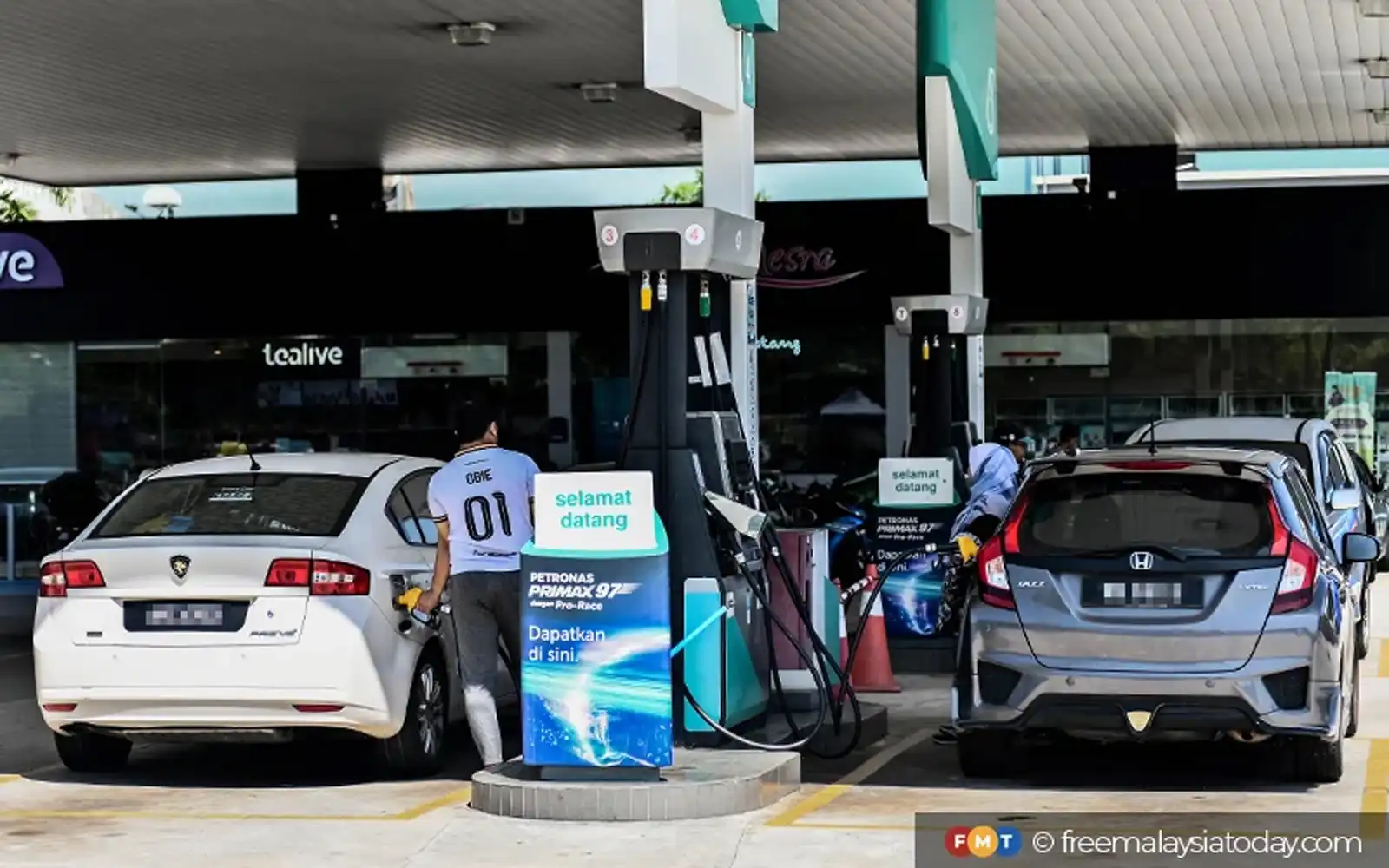
As of 4pm today, more than 10 million Malaysians have benefited from the BUDI95 targeted subsidy programme. This represents a participation rate of 62.5% among the 16 million eligible recipients. The finance ministry reported that the total subsidised fuel sales under the programme amounted to RM727.7 million. This figure corresponds to 365.7 million litres of petrol purchased at the subsidised price of RM1.99 per litre.
The targeted RON95 petrol subsidy under BUDI95 has received an encouraging response since its launch on September 27. The ministry stated in a recent statement that this shows Malaysians are ready to embrace a transparent and efficient targeted subsidy system that provides direct benefits to the people. It also reflects the effectiveness of the MyKad digital verification system at petrol stations, which has operated smoothly.

The initiative was rolled out in stages. Initially, it was introduced to police and military personnel on September 27, followed by Sumbangan Tunai Rahmah (STR) recipients on September 28, and finally to all eligible Malaysians on September 30. BUDI95 transactions have continued to rise, with a peak of over three million transactions a day on weekends.
The ministry emphasized that the government remains committed to implementing the targeted subsidy system effectively and transparently. It continues to monitor and improve the system in collaboration with relevant agencies.
SARA Aid Distribution
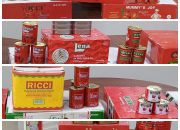
A total of 15.7 million Malaysians aged 18 and above have received the one-off Sumbangan Asas Rahmah (SARA) aid between August 31 and October 6. This aid was mainly intended for the purchase of essential goods. The figure represents 71% of the total 22 million SARA recipients.
The ministry reported that the total transaction value to date has reached RM1.34 billion. The SARA payment system has undergone significant upgrades to handle the surge in transactions following its implementation. Previously, the system processed 540 approved transactions per minute in April 2025. Now, it is capable of handling nearly 2,700 approved transactions per minute smoothly.
The ministry was responding to Khoo Poay Tiong (PH-Kota Melaka), who asked about the main issues faced by retailers and the public in implementing the programme and the immediate measures taken by the government to facilitate the initiative.
Key Developments and Progress
The BUDI95 and SARA programmes have shown remarkable progress in their respective implementations. Both initiatives have been designed to provide direct financial support to eligible citizens, ensuring that the benefits reach those who need them most. The use of digital systems such as MyKad has streamlined the process, making it more efficient and secure.
For the BUDI95 programme, the phased rollout ensured that priority groups were served first, allowing the system to be tested and refined before being extended to the general public. This approach helped in identifying potential challenges and addressing them proactively.
Similarly, the SARA programme’s success can be attributed to the continuous improvements made to the payment system. The increase in transaction capacity from 540 to 2,700 transactions per minute demonstrates the government’s commitment to enhancing the efficiency of its services.
Both programmes highlight the importance of transparency and accountability in public welfare initiatives. By leveraging technology and maintaining open communication with the public, the government has been able to build trust and ensure the smooth operation of these critical support systems.
Future Outlook
Looking ahead, the government is expected to continue monitoring the performance of both the BUDI95 and SARA programmes. Regular assessments will help identify areas for improvement and ensure that the systems remain effective in meeting the needs of the population.
Additionally, the government may explore further enhancements to the digital infrastructure supporting these programmes. This could include expanding the use of mobile applications, improving user interfaces, and increasing the availability of customer support services.
As these initiatives continue to evolve, they serve as a testament to the government’s dedication to providing equitable access to essential resources. With ongoing efforts to refine and optimize these systems, Malaysians can look forward to a more efficient and responsive framework for receiving financial assistance.