




A Fascinating Discovery in Colombia
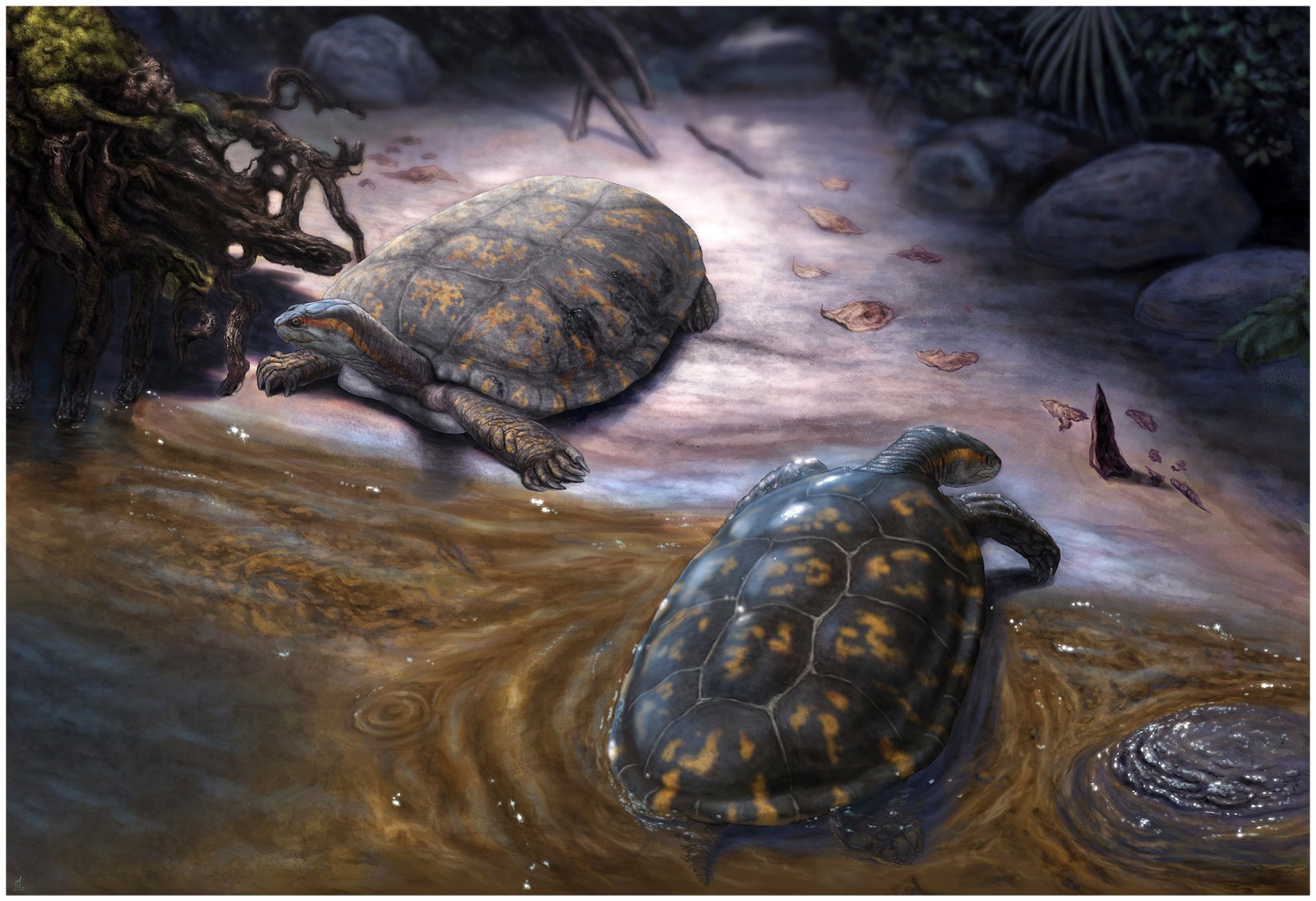
Researchers in Colombia have made a remarkable discovery—an ancient turtle fossil that dates back 13 million years. This significant find was made by local farmers and includes a skull and a complete shell. The species, named Shakiremys Columbiana, pays tribute to Grammy Award-winning singer Shakira, who has become a prominent figure in Colombian culture.

The fossil was discovered in La Victoria, located within the Tatacoa desert, which is recognized as one of the world’s largest paleontological sites. This area provides valuable insights into the Miocene epoch, a time when the region was filled with lakes and rivers, creating an ideal habitat for various prehistoric creatures.
Andres Felipe Vanegas, director of the Tatacoa Natural History Museum, shared that the analysis of the turtle’s shell revealed it was adapted to different water currents. A CT scan of the fossil’s brain and ears showed it had a unique set of characteristics that distinguish it from other turtles of its group.
Honoring a Cultural Icon
Mr. Vanegas explained that the decision to name the genus after Shakira was influenced by her stature in Colombia and her dedication to educational causes. He mentioned that he is a fan of her work and highlighted her international recognition as a Colombian singer-songwriter. Additionally, she has supported numerous educational initiatives through her Pies Descalzos foundation.
“Shakira is very special, just like this turtle,” he added. With over 80 million records sold worldwide, Shakira has played a pivotal role in popularizing Spanish language music on an international scale. Her contributions to both music and education have made her a beloved figure not only in Colombia but around the globe.

Recent Paleontological Discoveries
This discovery follows several recent paleontological findings in Colombia. During the summer, scientists uncovered teeth marks on the fossil of a 13-million-year-old giant “terror bird.” These marks suggest the bird may have been consumed by a larger predator. The fossil, first discovered 15 years ago, indicates a possible ‘battle to the death’ between the terror bird and another creature.
Researchers believe the flying reptile could have been overpowered by a caiman, a crocodile-like predator. However, they have yet to confirm whether the terror bird was killed by the caiman or if the larger reptile merely scavenged its remains. The terror bird, which could reach heights of 2.5 meters, is a fascinating subject for further study.
Ongoing Research and Exploration
These discoveries highlight the importance of continued research and exploration in paleontology. Each new finding adds to our understanding of prehistoric life and the environments in which these creatures thrived. As scientists continue to analyze fossils and uncover more evidence, we gain deeper insights into the history of our planet.
The Tatacoa desert remains a crucial site for such research, offering a wealth of information about the past. Local and international researchers collaborate to study the area, contributing to the global scientific community’s knowledge base.
By preserving and studying these fossils, we can better appreciate the rich biodiversity that once existed and how it has shaped the world we live in today. The connection between cultural icons like Shakira and scientific discoveries underscores the interdisciplinary nature of modern research and the ways in which different fields can intersect to enhance our understanding of history and the natural world.

