
The Ten Best Fighters Operational at the Start of World War II
During the global conflict that began in 1939, fighter aircraft played a crucial role. However, the available types were limited, and choosing the right one was a challenge for air force leaders. Here are ten of the best fighters operational at the start of the biggest war in history.
10: Mitsubishi A5M ‘Claude’
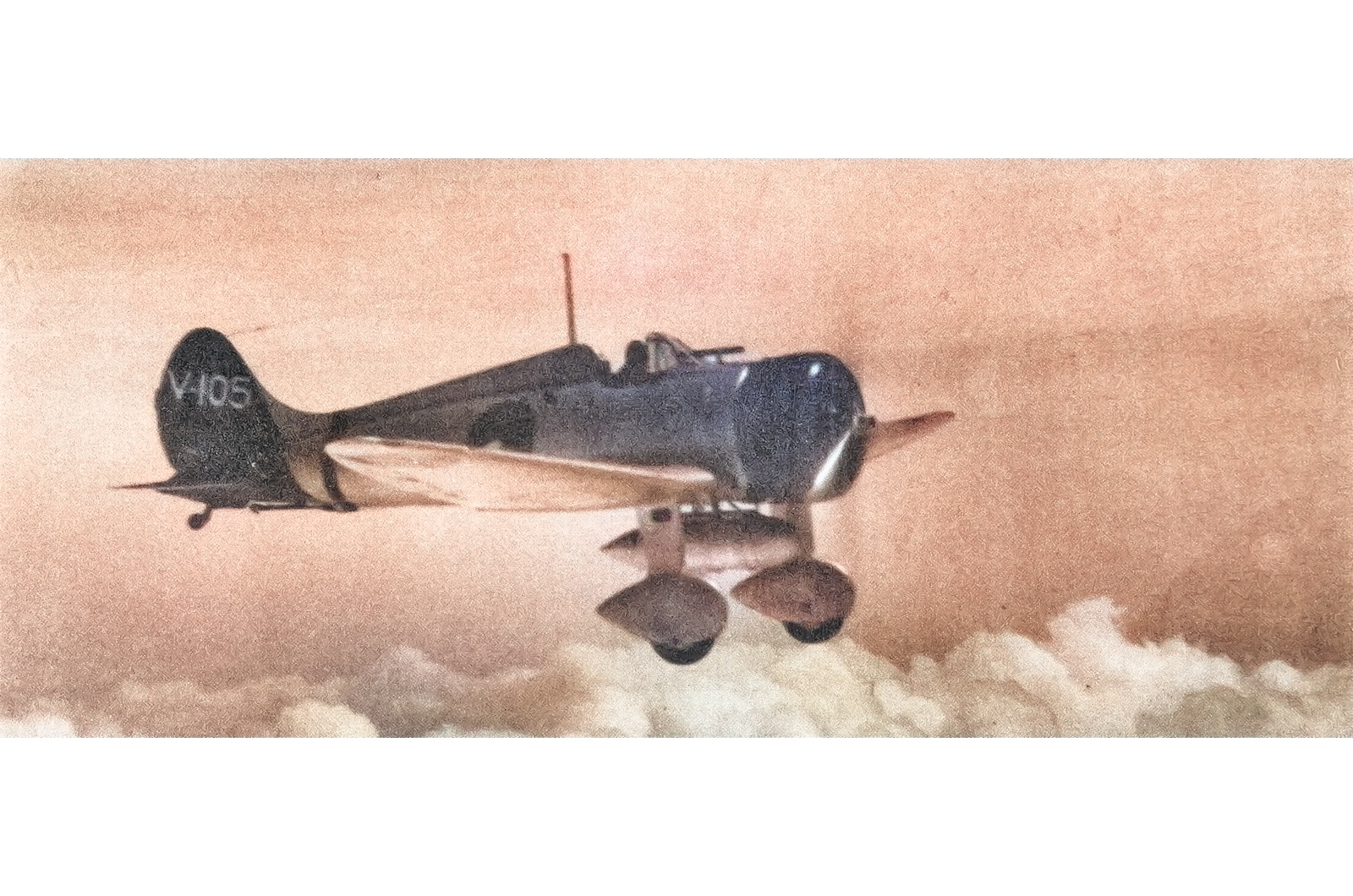
The Mitsubishi A5M ‘Claude’ was the go-to carrier fighter in 1939. While other classics like the Grumman F4F Wildcat or the Mitsubishi A6M “Zero” had not yet entered service, the A5M stood out as a reliable option. It was maneuverable, fast, and long-ranged, dominating over China and proving to be as good as its land-based counterparts.

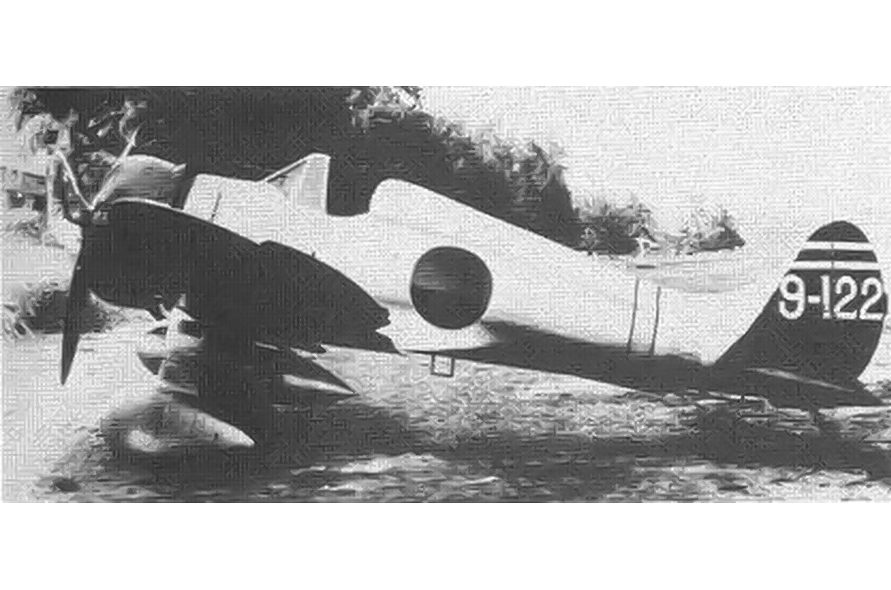
In the second Sino-Japanese War, the A5M had the upper hand against most of its foes. Its superb maneuverability and resilience made it a formidable aircraft. However, its top speed of 250–280 mph (402–451 km/h) was outdated by 1939, and its armament of two light machine-guns was weak compared to British aircraft, which had four times the firepower.
9: Fokker G.1
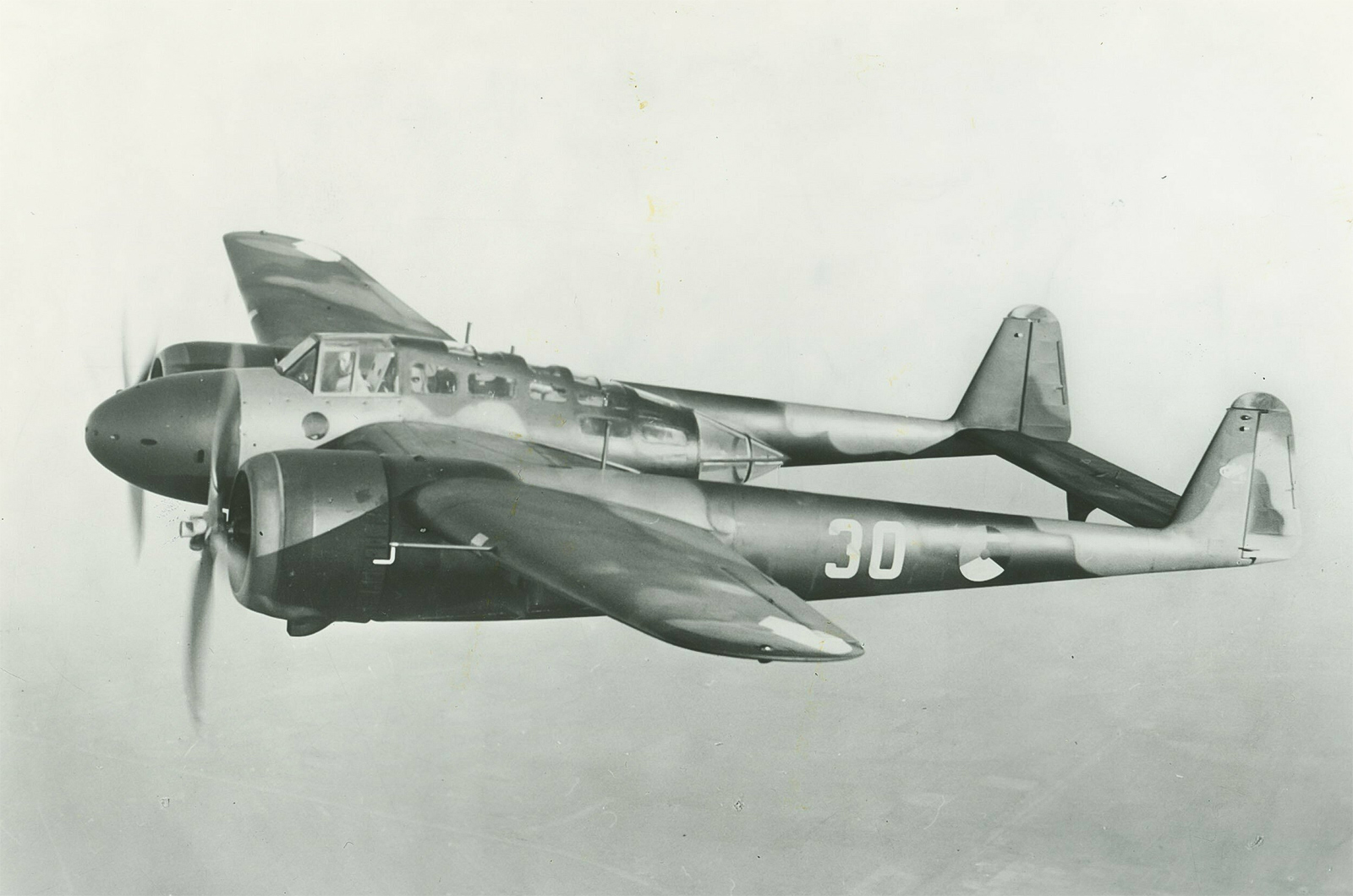
The Fokker G.1 was a radical design with a twin-boom configuration, earning it the nickname “La Faucheur” (the Reaper) from the French press due to its eight nose-mounted machine guns. It caused a sensation when first revealed in Paris and was tasked with policing the Netherlands’ neutrality. Its first “victory” was the accidental shooting down of a British RAF Whitley bomber.
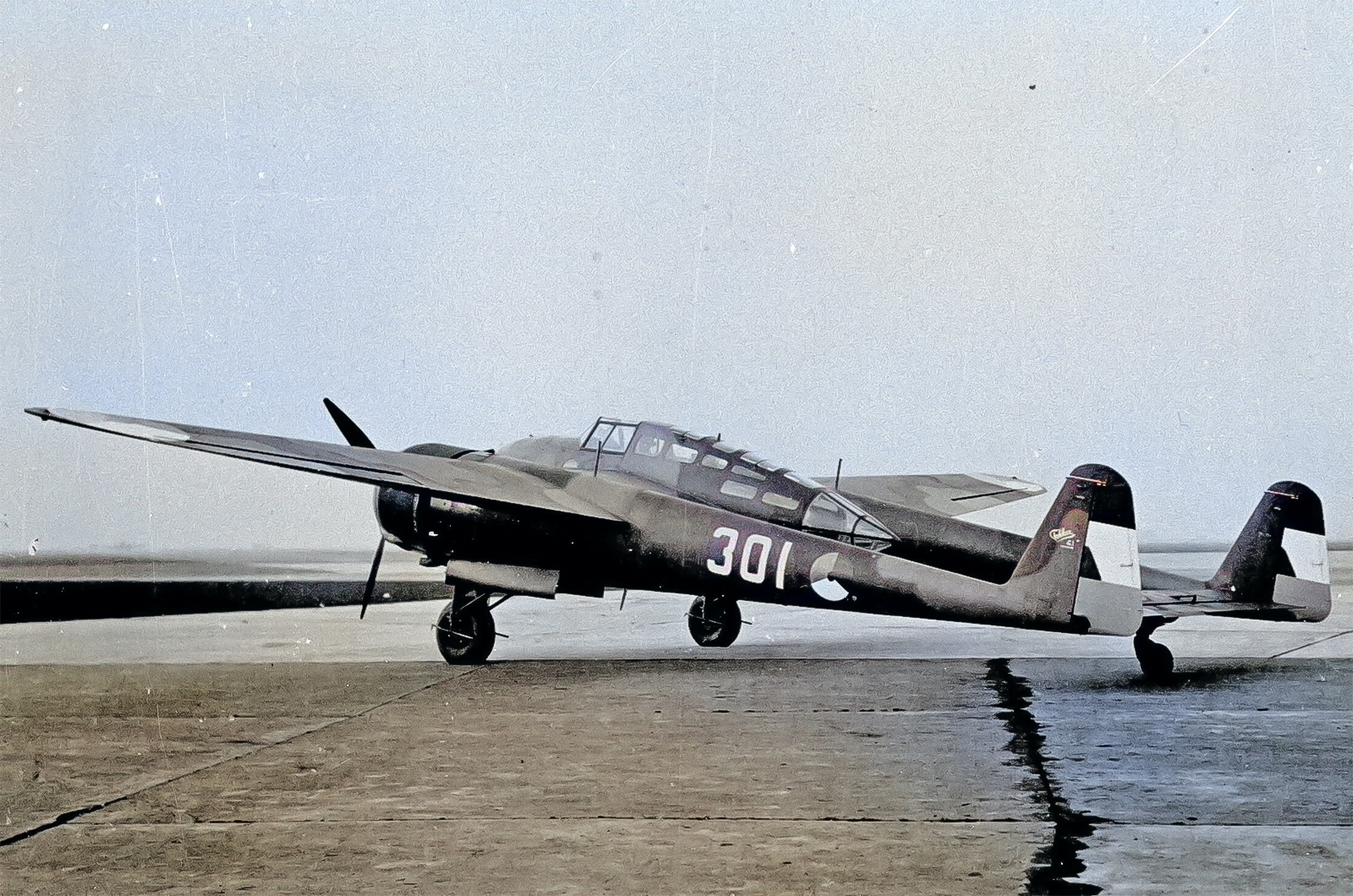
During the German invasion in May 1940, the Fokker G.1 operated effectively despite being outnumbered, scoring at least 14 victories. In 1941, two Dutch test pilots escaped to the UK in a Fokker G.1, which was later scrapped in 1945 after being used for climate testing on a wooden airframe.
8: Messerschmitt Bf 110C
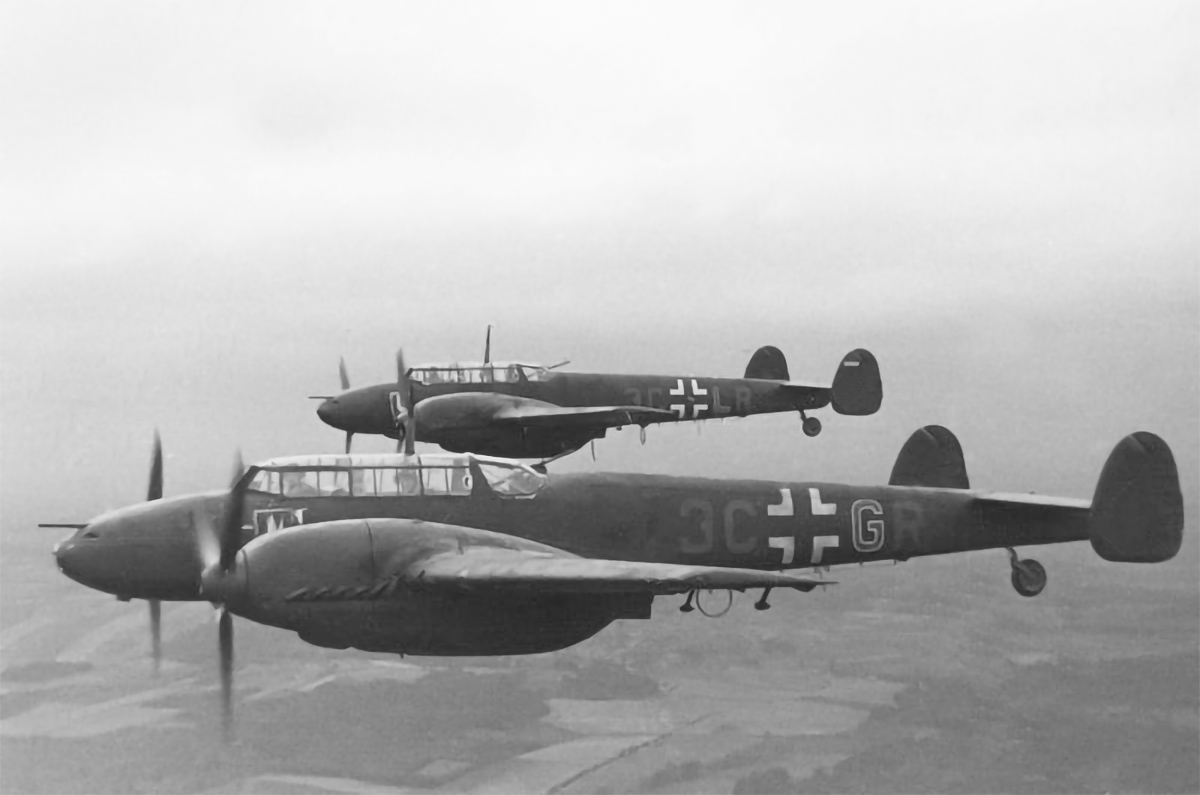
The Messerschmitt Bf 110C was the best twin-engined fighter of 1939, appearing invincible when first committed to action. It was fast, powerful, and had excellent range and firepower. However, its large size made it less maneuverable, and it struggled against modern single-engined fighters.
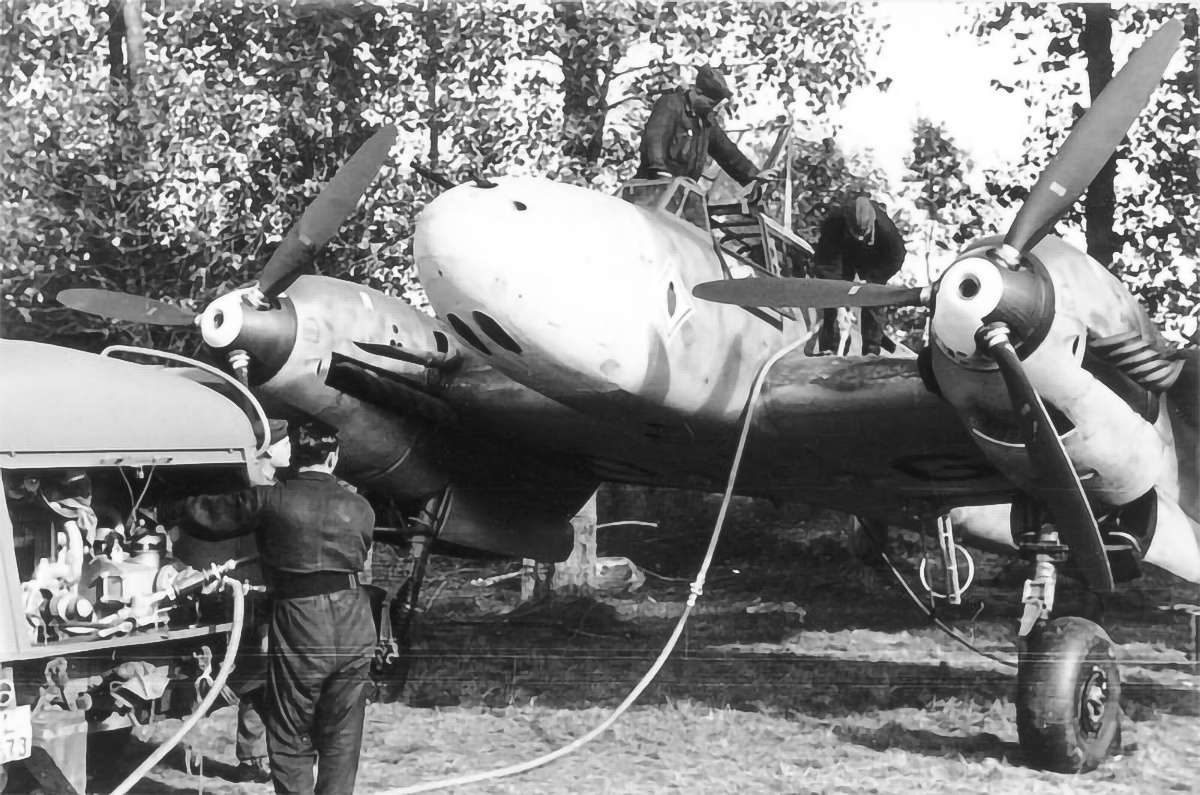
Despite its shortcomings, the Bf 110 was successful over Poland, France, Norway, and the Low Countries. Later attempts to replace it with the Bf 210 proved disastrous for the Luftwaffe. Britain’s Bristol Beaufighter and Westland Whirlwind were not yet in service, giving the Bf 110 an early advantage.
7: Bloch MB.152
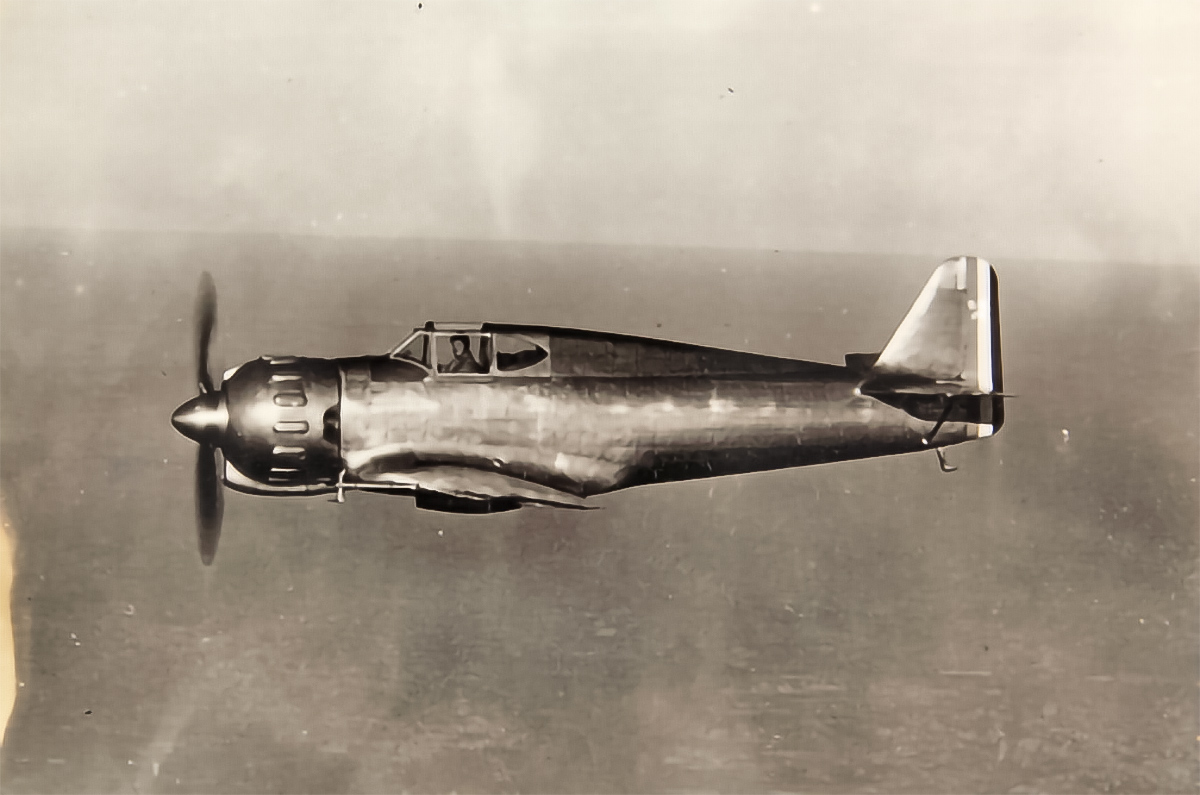
The Bloch MB.152 was the best French fighter available in 1939, though its prototype failed to fly initially. It featured a radial engine, making it unique among its contemporaries. The aircraft’s nose was canted to counteract propeller torque, an ingenious but unattractive solution.
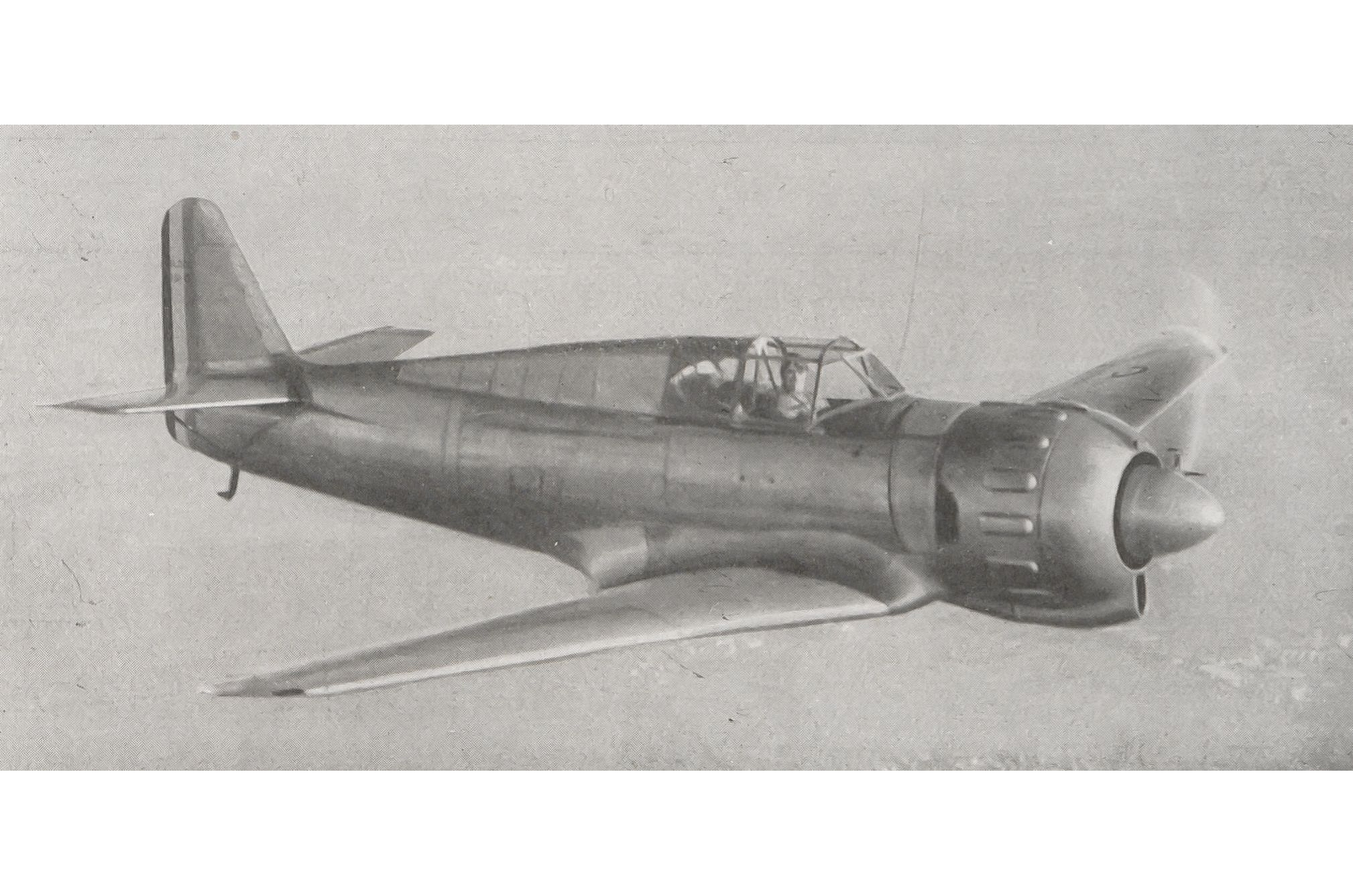
The MB.152 was resilient, with one aircraft returning to base with over 360 bullet holes. It was well-armed with two 20-mm cannons and two light machine-guns. However, it was slower than the Bf 109s it faced and carried only 60 rounds per cannon. Better aircraft like the Dewoitine D.520 were in development but arrived too late to affect the German invasion.
6: Curtiss P-36/Hawk 75/Mohawk
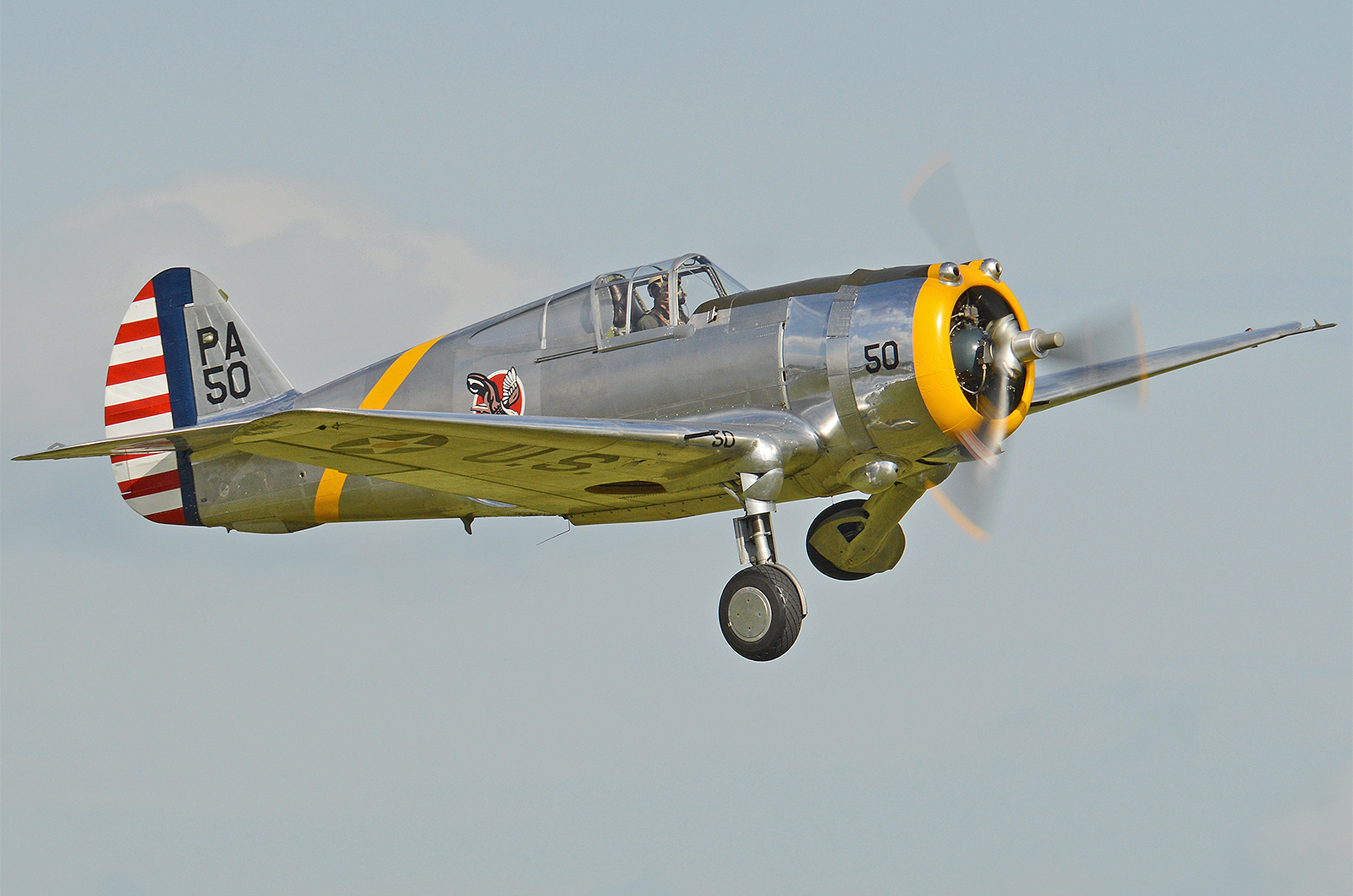
The Curtiss P-36/Hawk 75/Mohawk was the best American fighter of 1939 and the shiniest aircraft on this list. It scored the first aerial victory on the Western front of World War II, claimed by French pilots in September 1939. Two years later, it also scored the first aerial victory for the US over Pearl Harbor.
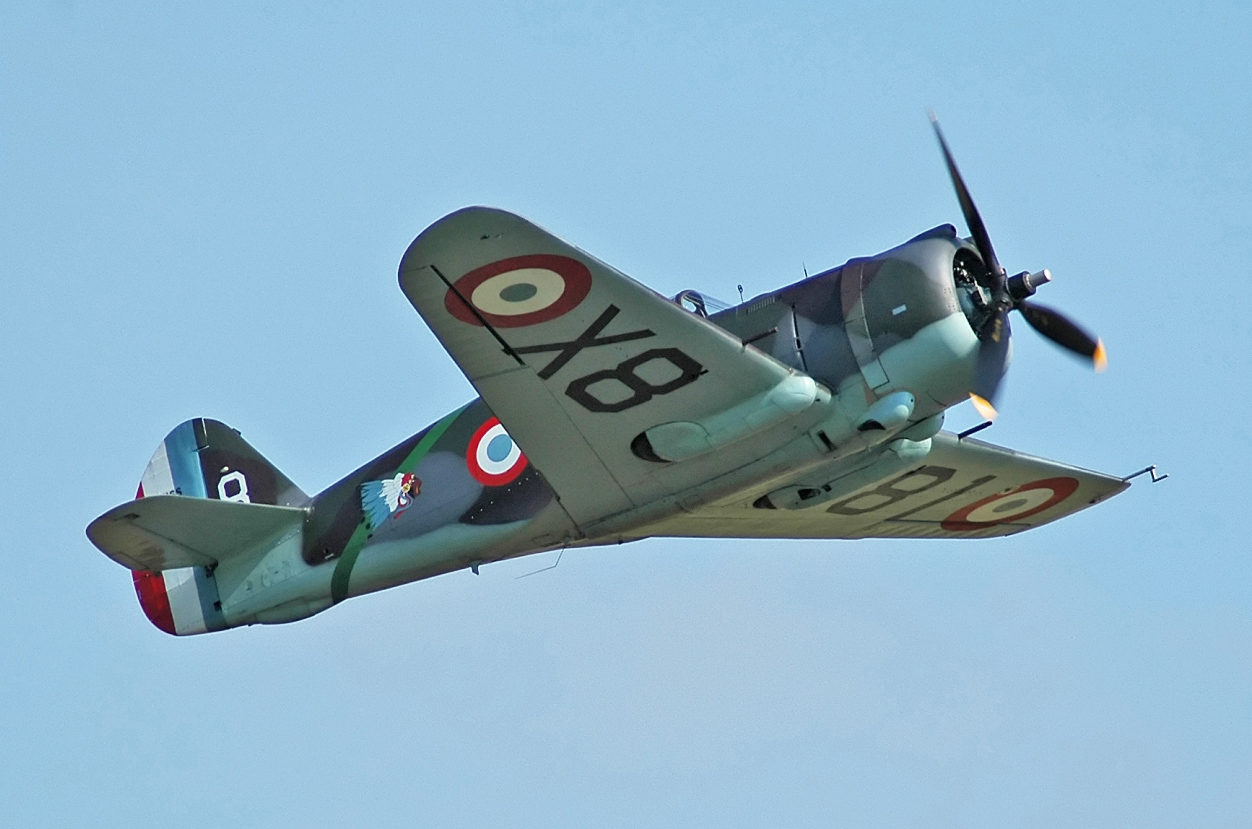
Despite limited service with U.S. forces, the Hawk 75 flew successfully over France, accounting for a third of all French victories. Survivors were later used effectively by Finland, the RAF, and Argentina until 1954. It was tough, nimble, and well-armed but lacked speed.
5: Polikarpov I-16
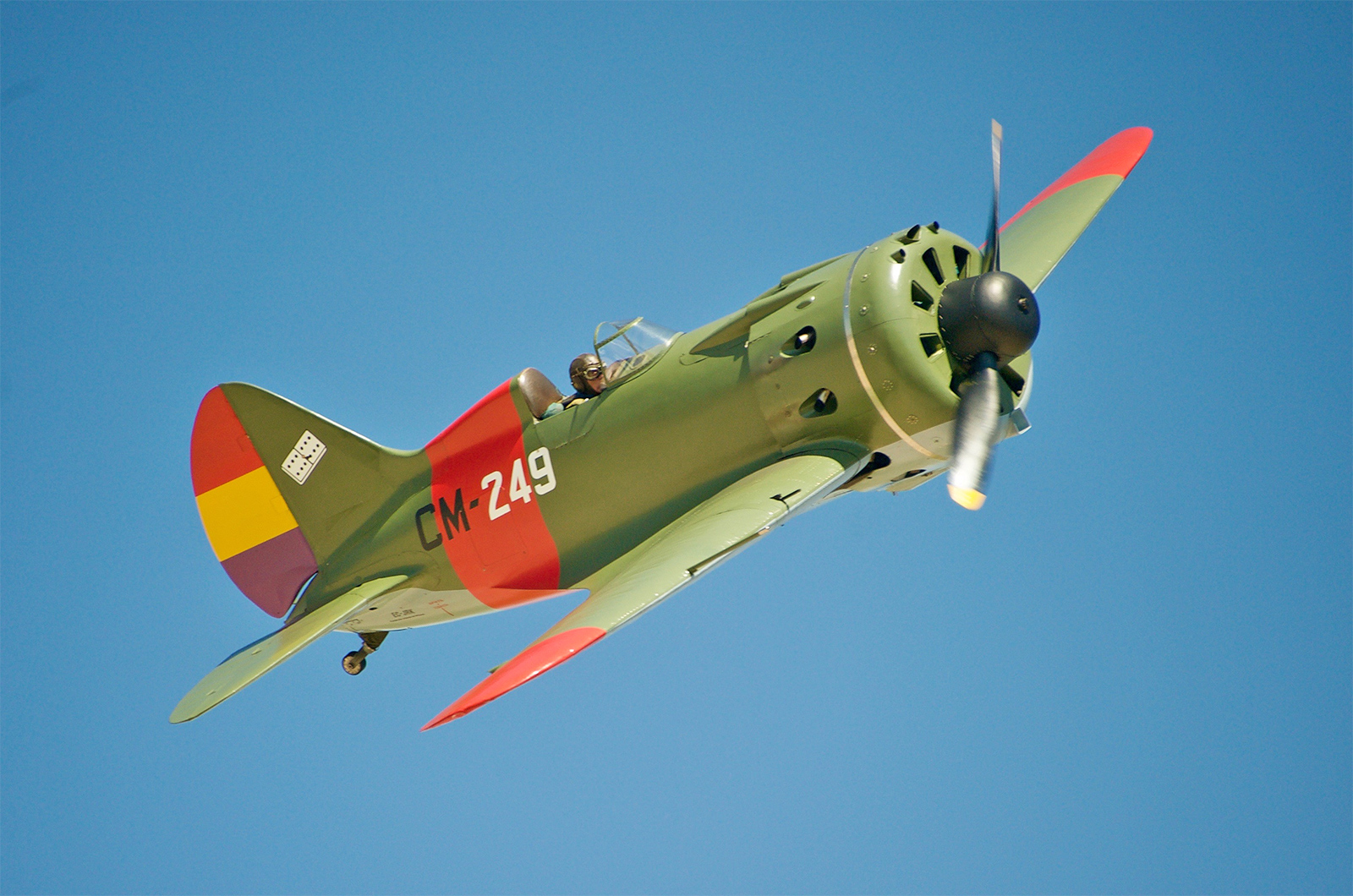
By 1939, the Soviet I-16 was no longer at the cutting edge of combat technology but still posed a threat. It was the most advanced fighter in the world when it entered service in 1934, with a distinctive appearance. It was faster than nearly all contemporary fighters and highly maneuverable but difficult to fly.
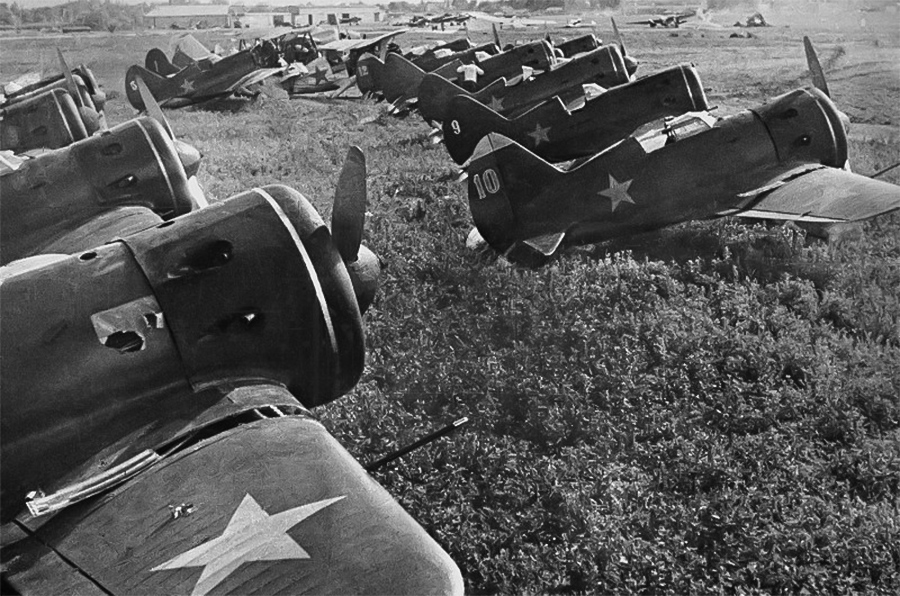
Western pilot Mark Hanna noted that the I-16 was more comfortable to fly than the Hurricane, though he found the Hurricane more effective in combat. The I-16 was a formidable aircraft, but its limitations became apparent against more advanced designs.
4: Hawker Hurricane I
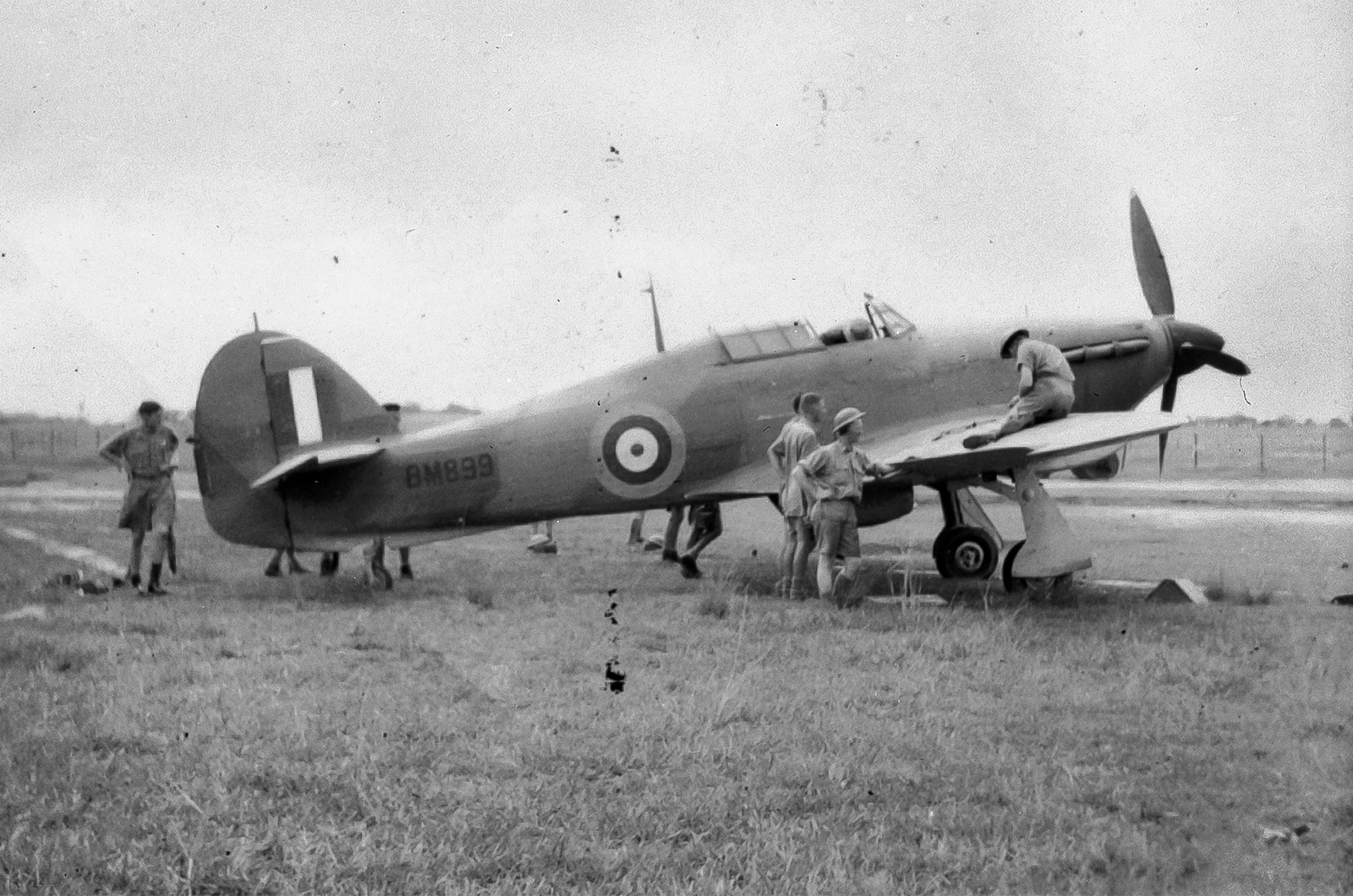
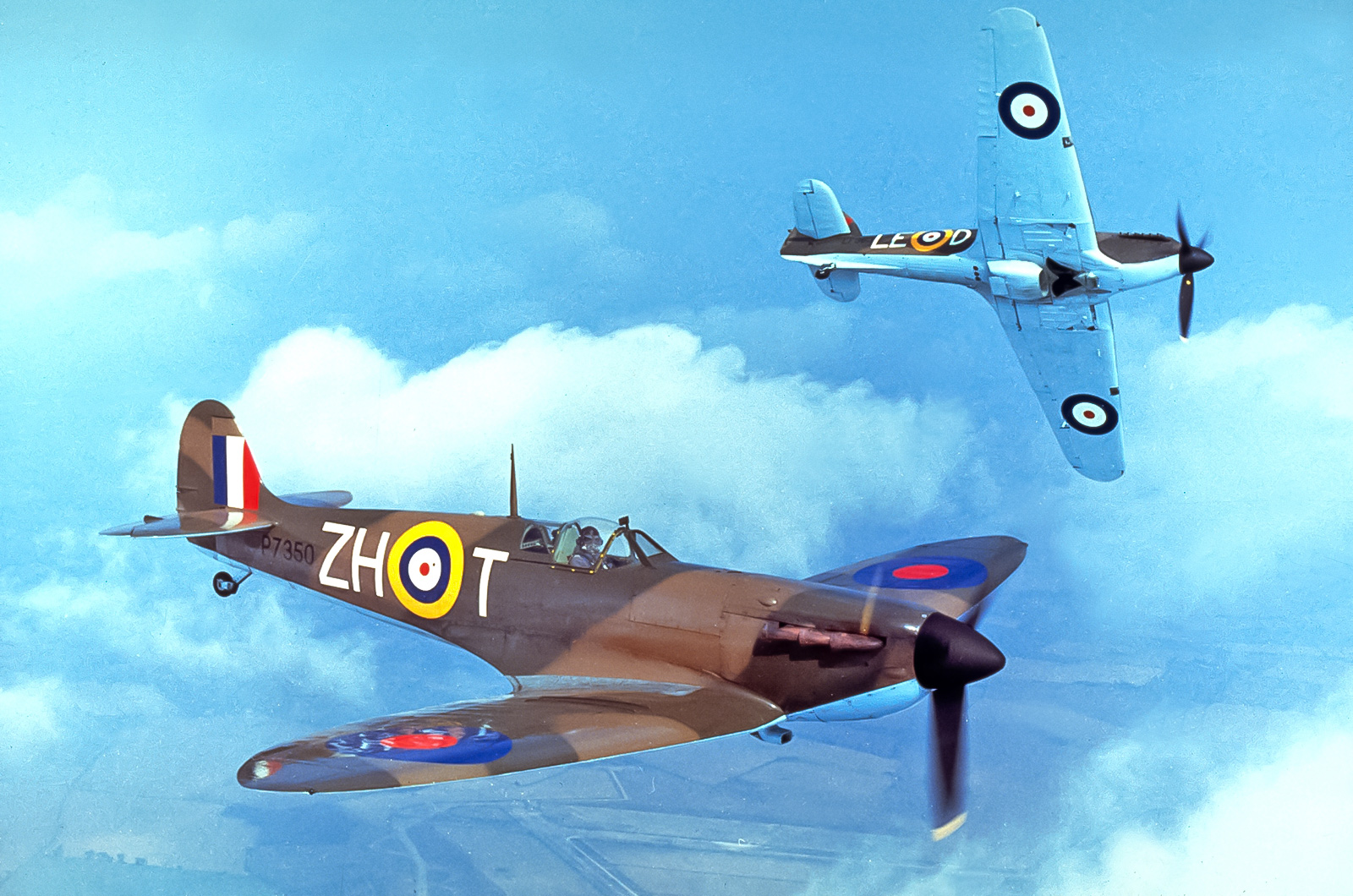
The Hawker Hurricane I first flew in 1935 and was available in large numbers in 1939. It was well-armed and able to withstand battle damage better than other British fighters. Despite its lack of speed, it was responsive and easy to fly, making it a valuable asset during the early stages of the war.
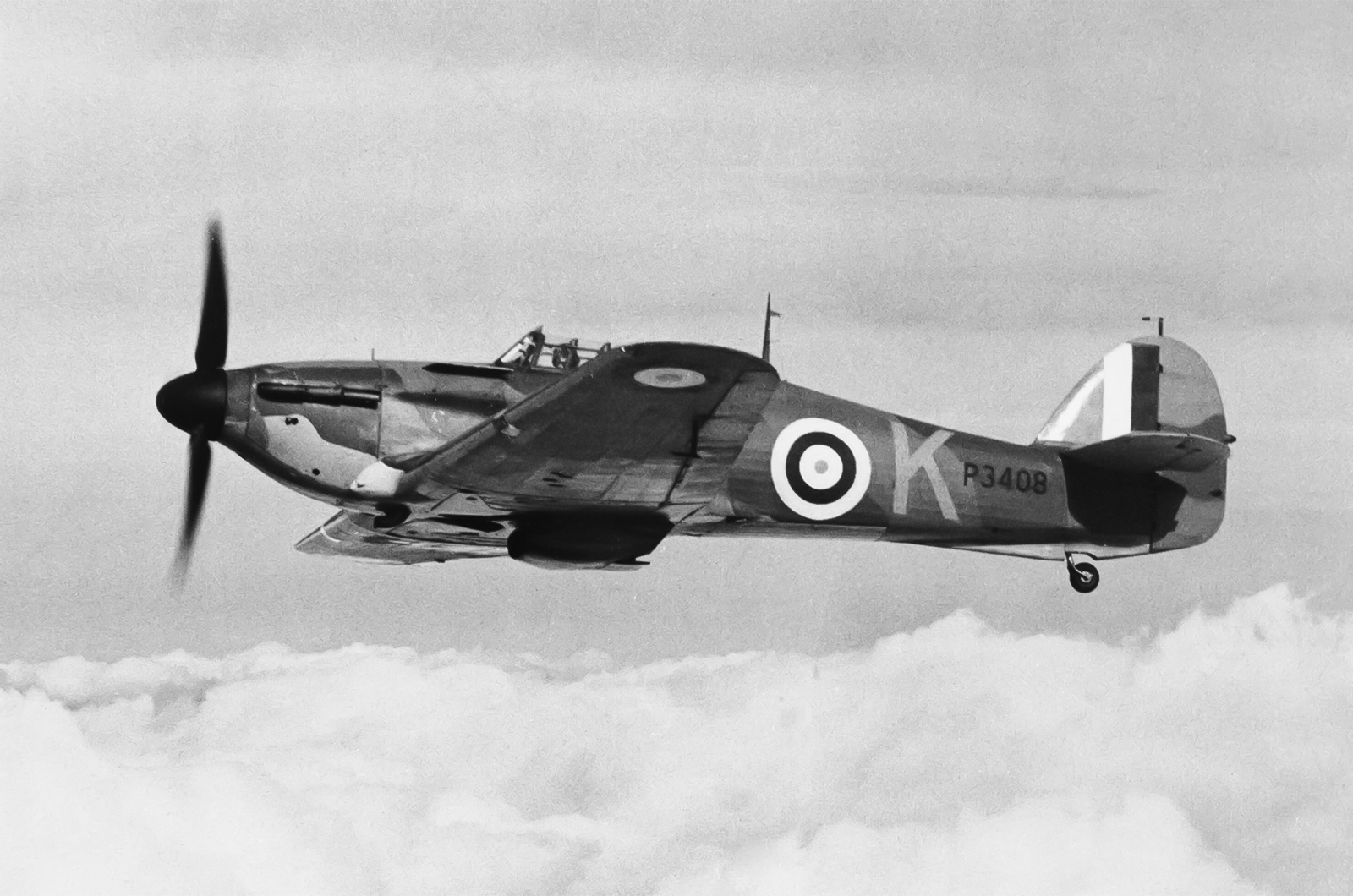
However, the Hurricane was prone to catching fire in the cockpit, and its fuel tank could reach 3000 degrees Celsius in seconds if hit. Its simplicity and sturdiness would prove invaluable later, particularly during the Battle of Britain.
3: Macchi MC.200 Saetta
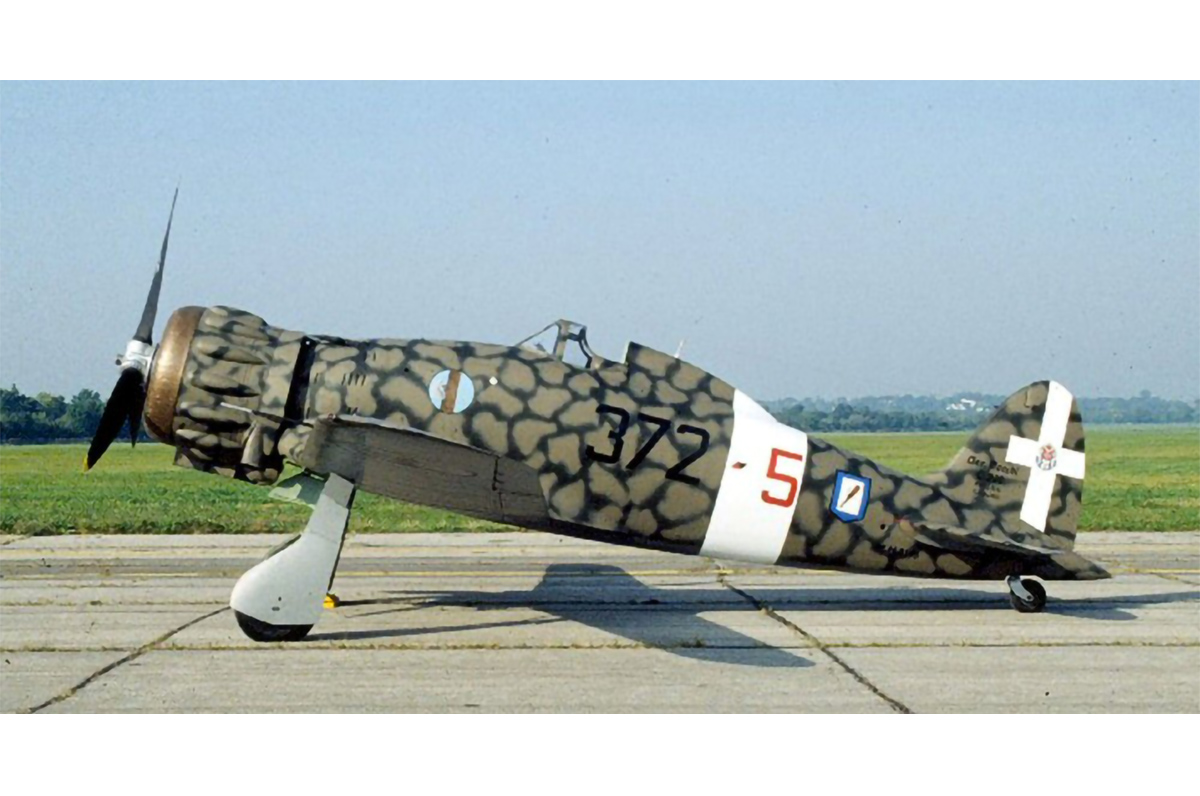
The Macchi MC.200 Saetta entered service just a month before the outbreak of World War II and was Italy’s premier fighter for several years. Despite its open cockpit, which was considered retrograde by some, it was quick and maneuverable. Later models, such as the Macchi C.202 Folgore, were significantly faster and more effective.
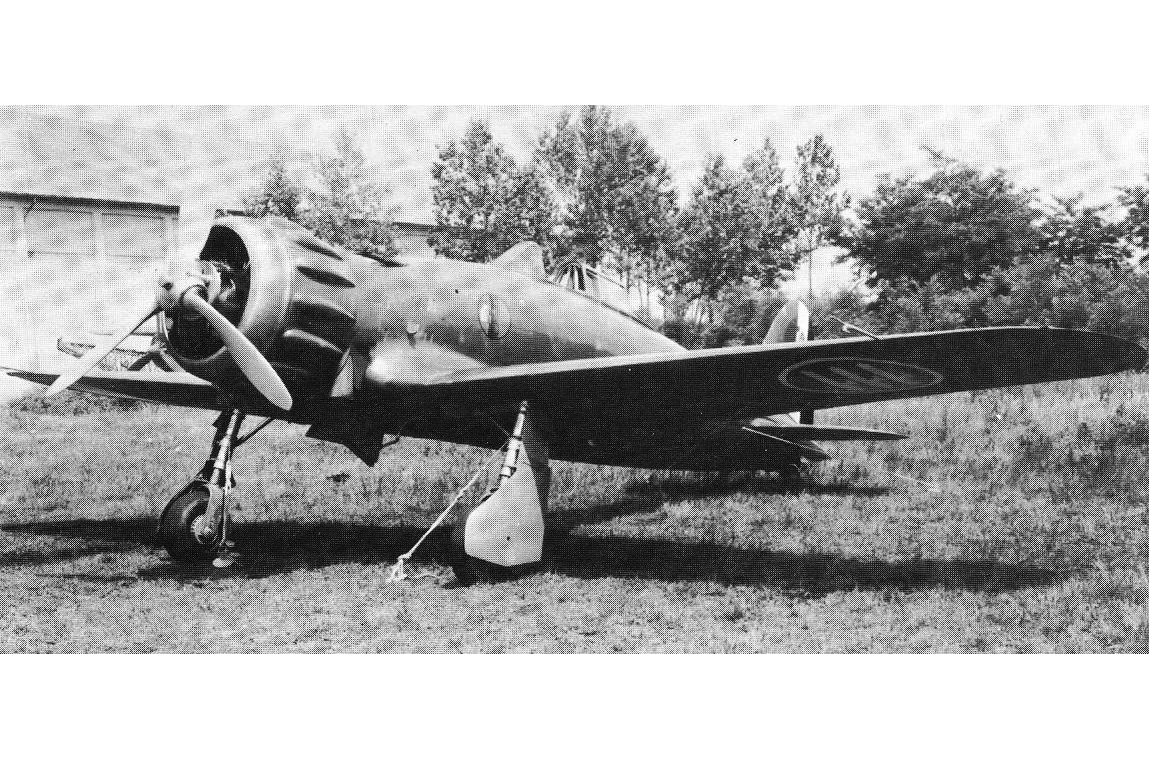
However, the MC.200 lacked engine power and had only two machine-guns, making it vulnerable to Hurricanes. It achieved a good kill ratio over the Soviet Union but was ultimately outclassed by more advanced designs.
2: Supermarine Spitfire I
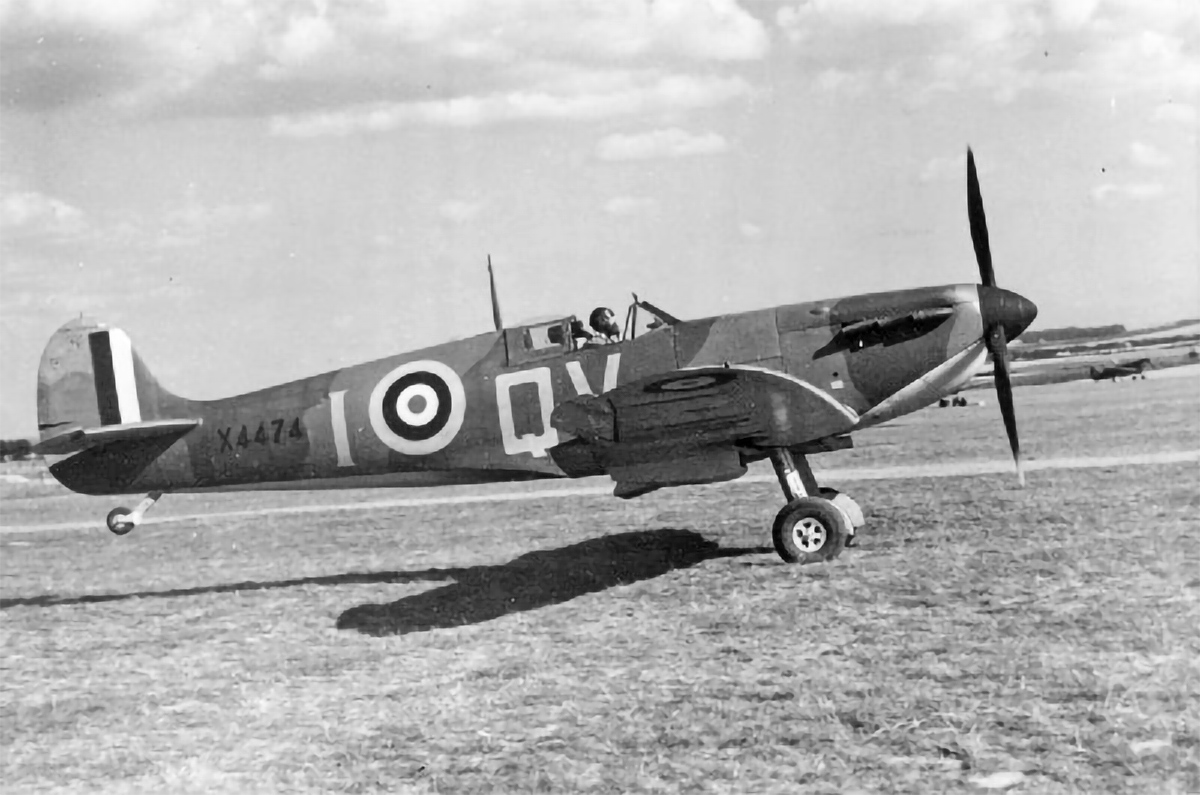
The Supermarine Spitfire I first flew in 1936 and entered service in 1938. It was a revolutionary aircraft, featuring a streamlined design and superior performance. It was the fastest aircraft in service in 1939, though it suffered from a fixed-pitch wooden airscrew that limited its rate of climb.
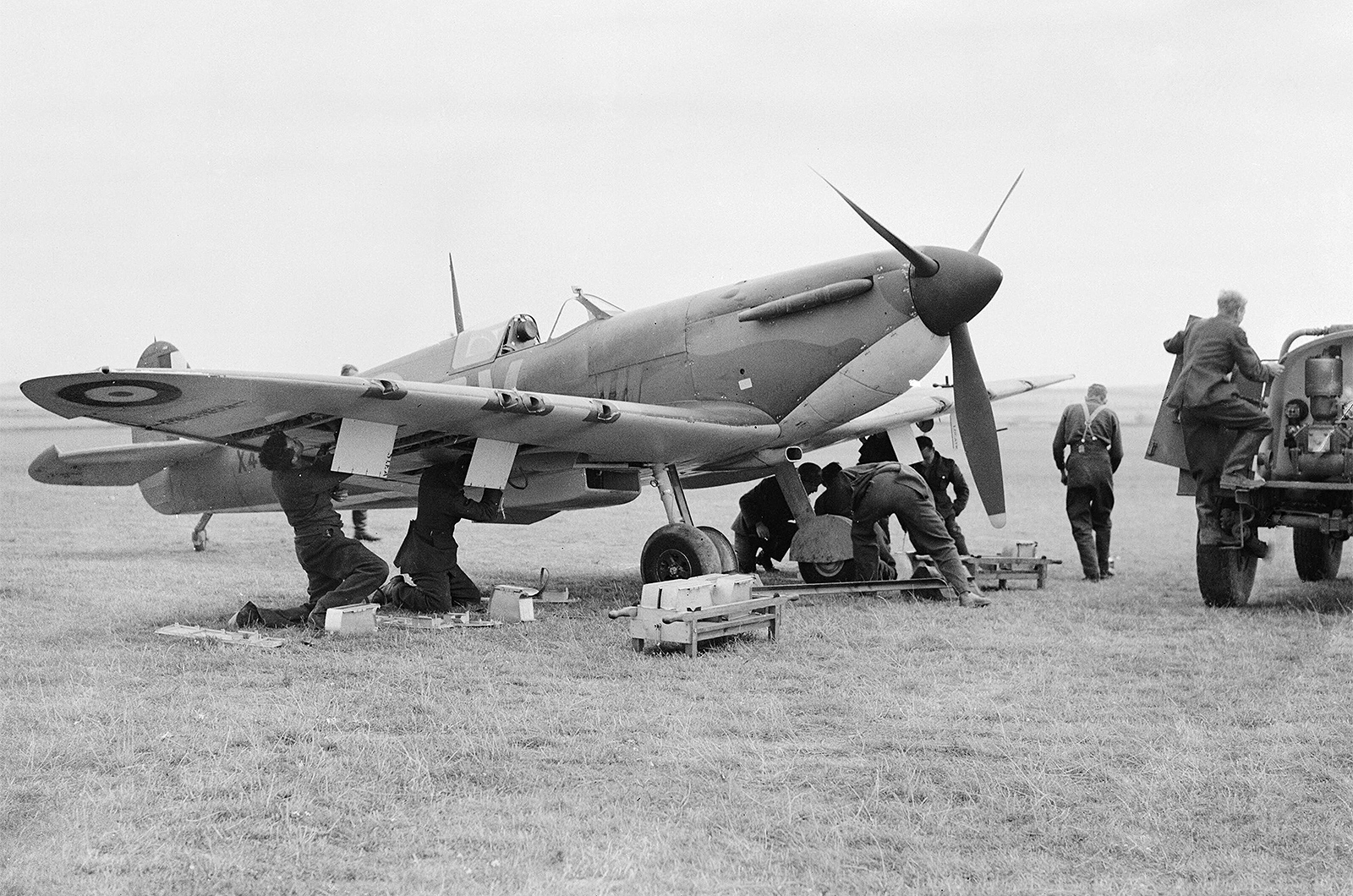
The Spitfire was well-armed with eight Browning machine-guns and highly responsive. However, it had a short range and was prone to overheating. Despite these issues, it was a fine handling aircraft with devastating firepower.
1: Messerschmitt Bf 109
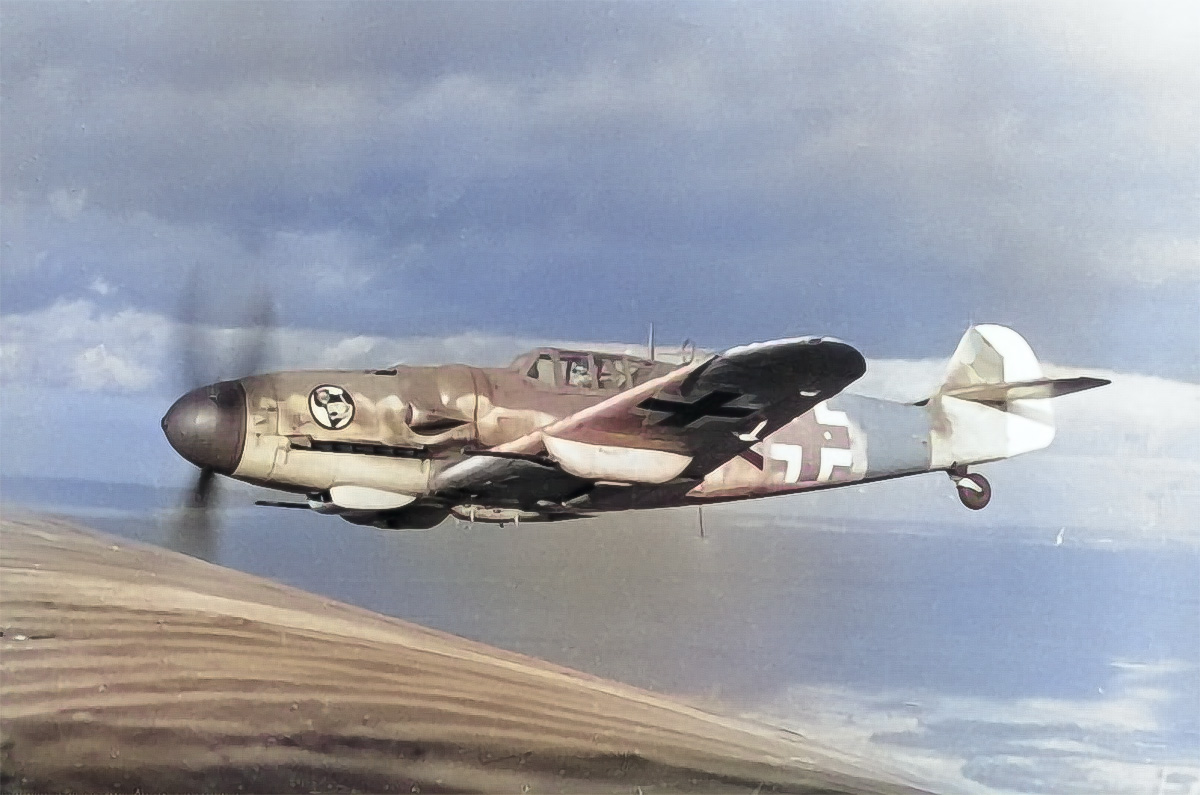
The Messerschmitt Bf 109E was the most formidable aircraft of the Spanish Civil War and the finest fighter in service at the outbreak of World War II. It was refined through experience in Spain, armed with cannons, and featured a fuel injection system that gave it an edge over British aircraft.
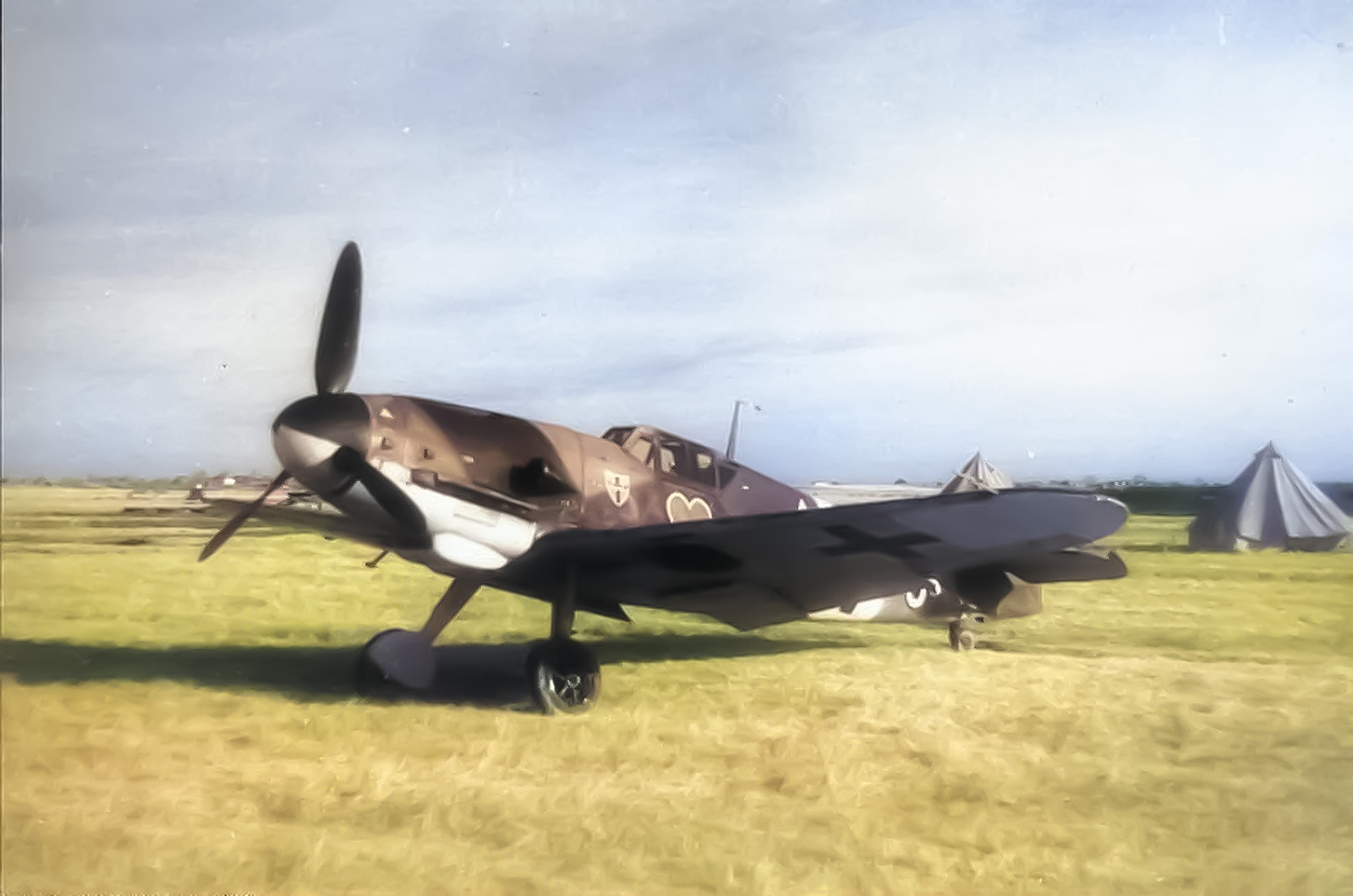
It had a variable pitch airscrew that maximized engine efficiency and speed. Germany built over 2000 Bf 109s by 1939, compared to just 300 Spitfires. The Bf 109 was more difficult to fly but was considered the world’s finest fighter at the time.