



The Burden of Wind Farm Logistics on Scottish Police
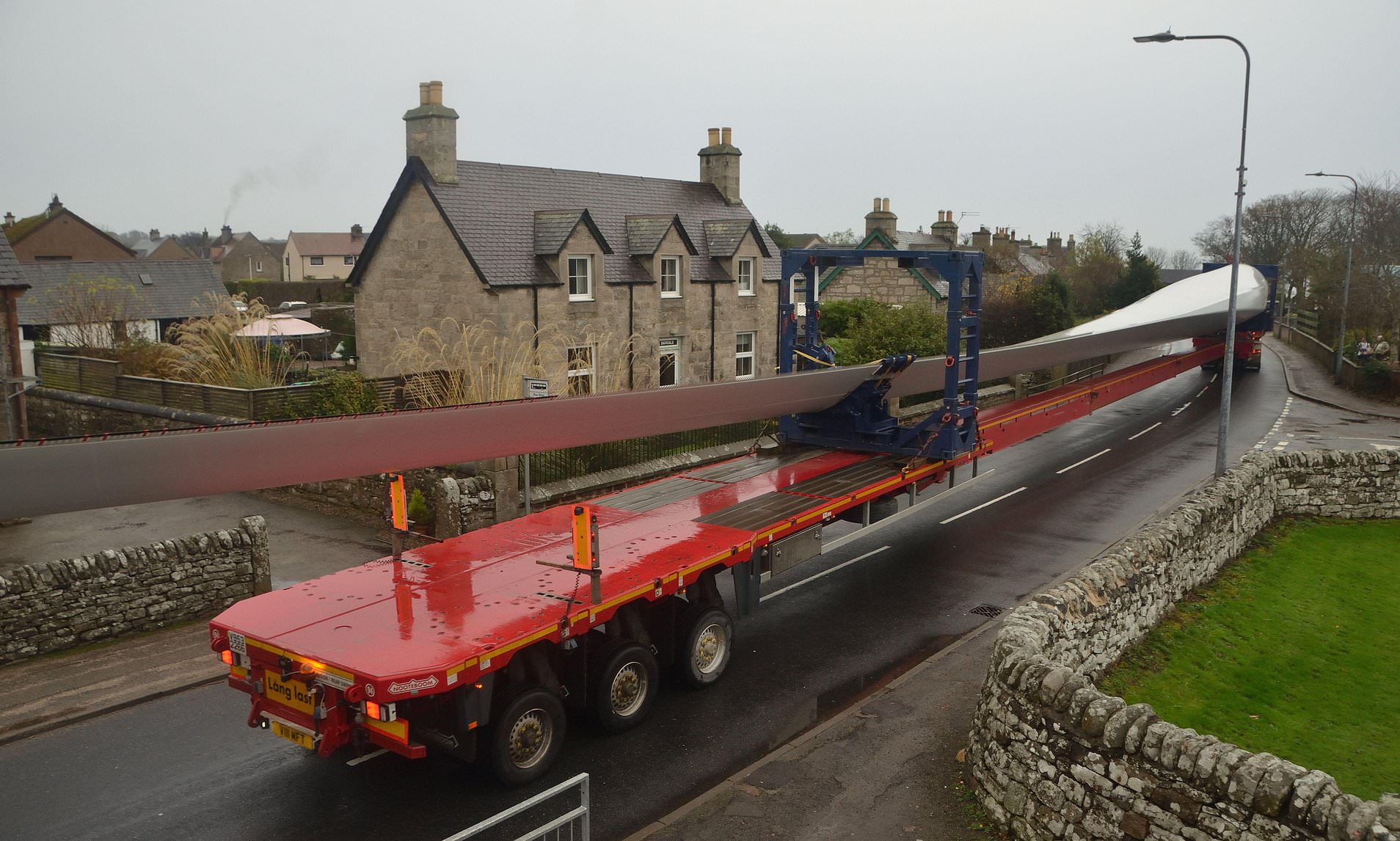
In recent years, Scotland’s police force has found itself increasingly stretched due to the logistical demands of transporting massive wind farm components. These parts, which can be as long as a football pitch, are often transported by slow-moving lorries that have become a common sight in many Scottish towns and villages.
According to new data, at least 3,636 escorted journeys involving wind turbines have been recorded since the 2017/18 financial year. However, experts believe the actual number is significantly higher, as the movement of other wind farm equipment is not always clearly documented.

Critics argue that this transportation not only places an undue burden on police resources but also causes damage to roads and disrupts local communities. Edward Mountain, a Conservative MSP representing the Highlands and Islands, expressed concern over the impact of these operations on rural areas.
“Residents and businesses already hate to see giant lorries lumbering through our countryside, damaging roads and causing huge inconvenience,” he said. “They will be even more furious that police officers have been called out to assist.”


Police Scotland acknowledges that escorting abnormal loads is not a core part of its duties. Instead, it relies on specially trained officers who undertake these tasks on their rest days. For journeys that take longer than an hour, the force can recoup costs from the hauliers involved.
Campaign groups such as No Ring of Steel Kyle of Sutherland (NORoS) have raised concerns about the disruption caused by wind farm transportation. They highlight the impact on daily life, including disruptions to schools, work commutes, and the tourism industry.
The pressure on police resources comes at a time when officers are instructed not to pursue full investigations into certain minor crimes without leads. Between August 2023 and February 2024, over 12,000 public-reported crimes were classified as ‘directly filed,’ meaning they were not investigated further.
This shift in policing strategy has been attributed to the growing pressures on staff. Police Scotland has also called for a minimum funding increase of £104.9 million to maintain current staffing levels, considering factors like pay awards and increased national insurance contributions.
Last year, Scotland’s police regulator suggested exploring the possibility of outsourcing the escorting of abnormal loads to a third-party agency. This recommendation has prompted collaboration between Scottish Renewables, Police Scotland, Transport Scotland, and the Scottish Government to explore how such an arrangement could work.
Morag Watson, Director of Onshore at Scottish Renewables, emphasized the importance of transporting large components as abnormal loads for onshore wind projects. She noted that without this logistics capacity, it would be impossible to install the turbines needed for a secure and reliable energy supply across the country.
However, she also acknowledged that changes in legislation may be necessary to facilitate this transition. “Scottish Renewables, Police Scotland, Transport Scotland, and the Scottish Government are working together to scope how an external agency carrying out abnormal load escorts would work, what legislative changes would be needed and how these changes can be made,” she said.
As the debate continues, the balance between renewable energy development and the needs of local communities and law enforcement remains a pressing issue in Scotland.

