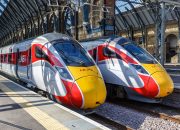

The allure of the night train is experiencing a significant revival across Europe, driven by a growing appreciation for ‘slow travel’ and increasing awareness of the environmental impact of short-haul flights. This shift in traveller preferences has breathed new life into overnight rail services, with new routes being introduced and existing ones reinstated. Passengers are increasingly embracing the convenience of departing from one city and waking up hundreds of kilometres away, often in a different country, the next morning. Here’s a curated list of some of the most compelling overnight rail journeys Europe has to offer.
The Nightjet Network: A European Sleeper Powerhouse
The resurgence of sleeper trains in Europe owes a substantial debt to the Austrian state-owned railway company, OBB. Since launching its Nightjet brand in 2016, OBB has become a pivotal player in revitalising overnight rail travel. A quick glance at the departure board at Vienna’s main station in the early evening reveals a scene more akin to an airport than a traditional train station, with an impressive array of destinations accessible by comfortable overnight services. This expansion is largely due to OBB’s significant investment in sleeper train infrastructure and its strategic partnerships with other European railway operators.

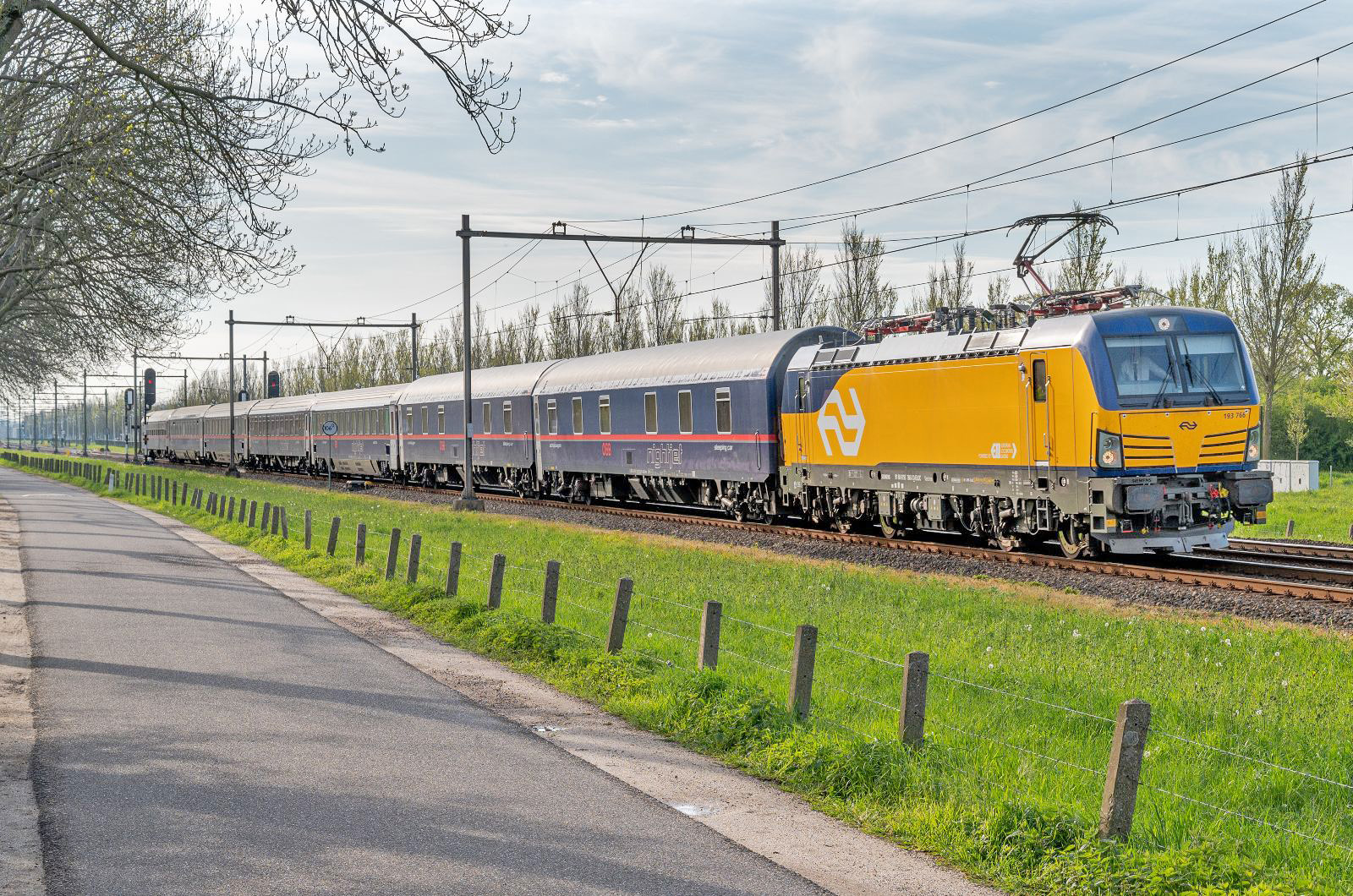
The Nightjet network effectively connects major cities across the Netherlands, Belgium, Germany, Austria, Switzerland, and Italy, offering a convenient city-centre to city-centre travel experience. Currently, the Nightjet brand operates 19 distinct trains, not including various service extensions or collaborations with other rail companies. OBB is also actively investing in its fleet, with a new generation of Siemens-built carriages already in service on the popular Hamburg – Vienna / Innsbruck routes, with further deployments planned.
- Journey Time: Varies significantly depending on the route. For a comprehensive list, consult https://www.nightjet.com/en/.
- Fares:
- From €49 (approximately US$54, £41) for a couchette in a 6-berth compartment.
- From €59 (approximately US$66, £49) for a couchette in a 4-berth compartment.
- From €89 (approximately US$99, £74) for a bed in a 2-bed sleeper.
- From €129 (approximately US$143, £108) for a single-bed sleeper.
Vienna to Bucharest: The Dacia Express Experience
While the Dacia Express from Vienna to Bucharest was once a higher-ranked contender, a recent change has slightly diminished its appeal. The discontinuation of its dedicated restaurant carriage at the end of last year is a notable loss, as its culinary offerings, particularly the mixed grill, were legendary. The train, composed entirely of modern Romanian rolling stock, now features only a small buffet carriage serving light refreshments for the 18-hour journey.
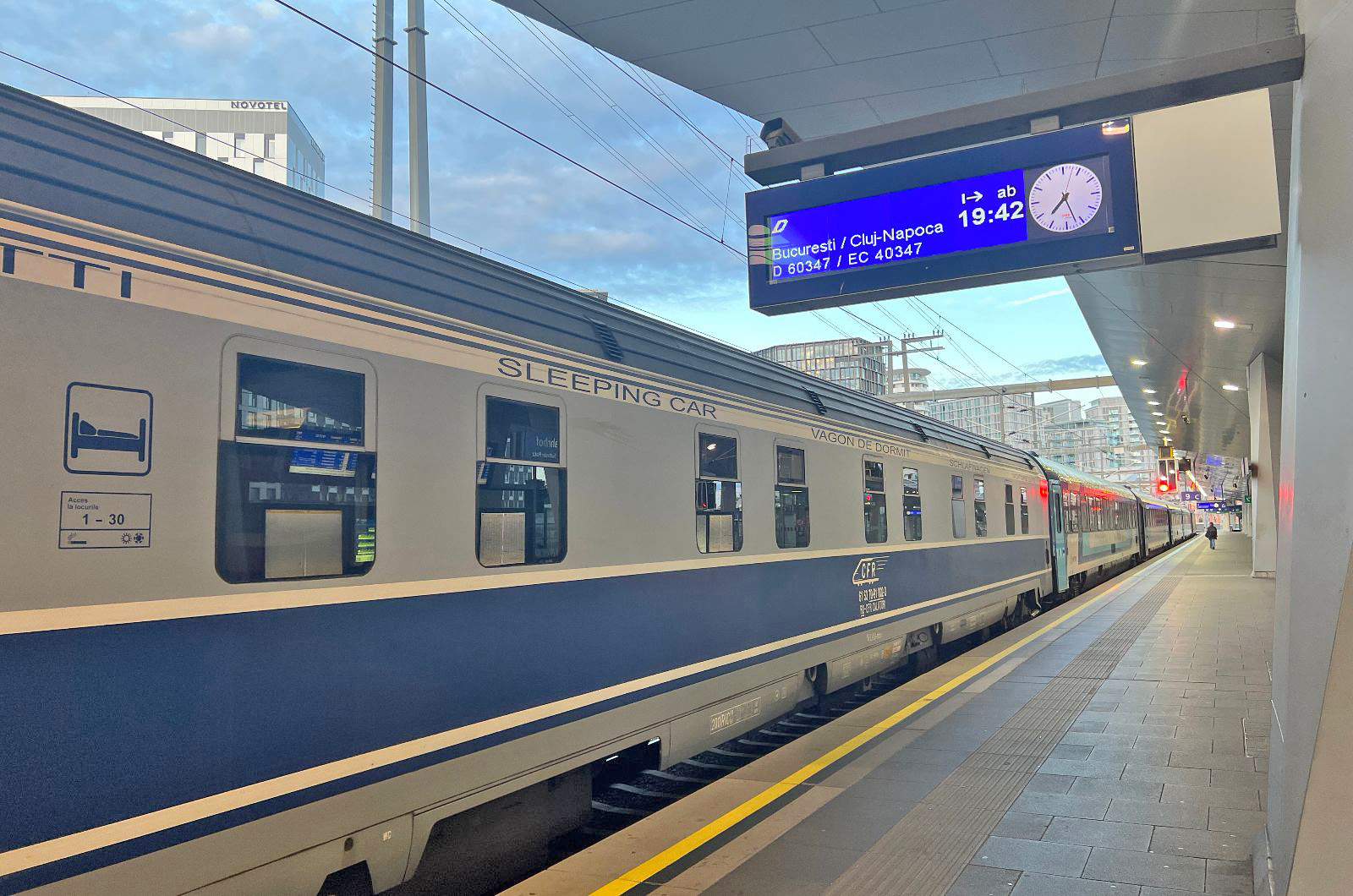
Travellers on the Dacia Express should anticipate being woken in the middle of the night for passport checks as the train crosses the border between Hungary and Romania. However, this provides ample opportunity to catch up on sleep during the morning hours. Anecdotal evidence suggests that speed is not the primary focus of this journey; the train often travels at a pace comparable to heritage railways. Nevertheless, this slower pace allows passengers to fully appreciate the ever-changing scenery, with the Transylvanian landscapes and the Carpathian Mountains being particular highlights.
The Dacia Express, much like the sleeper trains serving Sicily, sees a minority of tourists onboard. During a past journey, fellow passengers included a Dutch couple volunteering in a small village, who had previously fundraised to connect it to the main electricity and water networks.
- Journey Time: 18 hours.
- Price:
- From €59 (approximately US$66, £49) for a couchette in a 6-berth compartment.
- From €69 (approximately US$77, £58) for a couchette in a 4-berth compartment.
- From €79 (approximately US$88, £66) for a bed in a 3-berth sleeper.
- From €99 (approximately US$110, £83) for a bed in a 3-berth sleeper (note: this appears to be a duplicate entry from source).
- From €159 (approximately US$177, £133) for a bed in a single-berth sleeper.
Brussels to Berlin / Prague: European Sleeper’s New Route
The burgeoning popularity of sleeper trains is further evidenced by the emergence of European Sleeper, an open-access operator founded in 2021. This company successfully revived the Brussels to Berlin sleeper train route in 2023 and subsequently extended the service to terminate in Prague earlier this year. This development offers a remarkable connectivity option: travellers from London can now reach Prague with just one change. A lunchtime Eurostar from London to Brussels, followed by a seamless transfer to the overnight train, allows passengers to wake up in the Czech Republic. This perfectly encapsulates the significant advantages offered by modern sleeper train services.
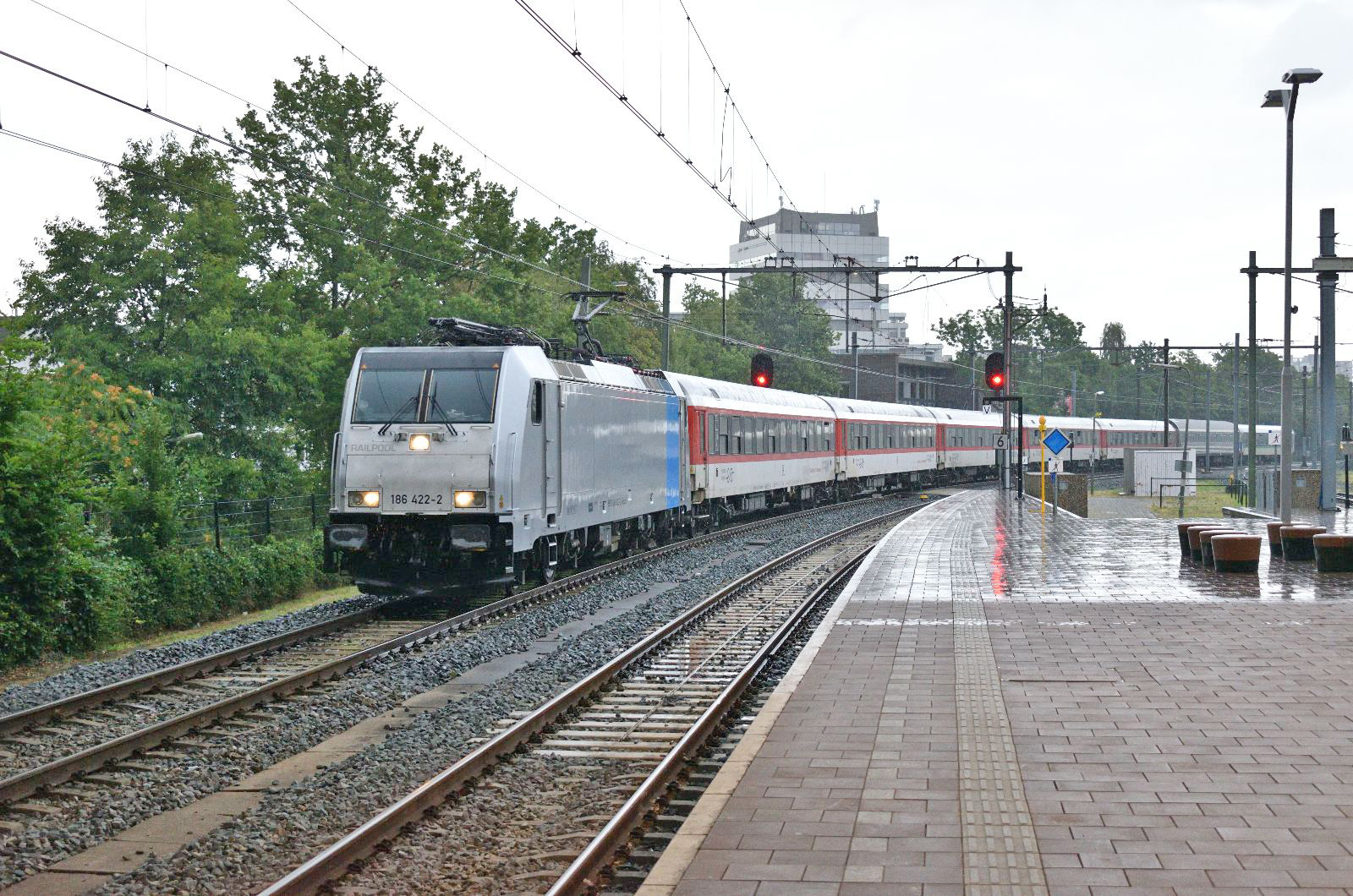
Sleeper trains typically require substantial subsidies or high fares to remain viable. Therefore, it is highly encouraging that European Sleeper is able to provide an affordable and much-needed cross-European connection. While this is currently the company’s sole route, plans are in motion to introduce services to Barcelona and further into Scandinavia. For those who cherish the experience of falling asleep in one city and arriving hundreds of miles away the following morning, these expansion plans are a very positive prospect.
- Journey Time: 15 hours and 30 minutes.
- Price:
- From €49 (approximately US$54, £41) for a seat.
- From €79 (approximately US$88, £66) for a couchette in a 6-berth compartment.
- From €159 (approximately US$177, £133) for a bed in a single-bed sleeper.
Stockholm to Narvik: Arctic Circle Adventures
The Stockholm to Narvik overnight train offers an 18-hour journey running seven days a week, connecting the Swedish capital with settlements well within the Arctic Circle, ultimately reaching the world’s northernmost standard-gauge railway station. The ever-changing vistas from the window are a constant delight on this lengthy trip. Travelling this route (in reverse, from Narvik to Stockholm) in 2023, the scenery transformed from dramatic Norwegian mountains and fjords to vast expanses of forestry on either side of the Arctic Circle, passing through mining communities.
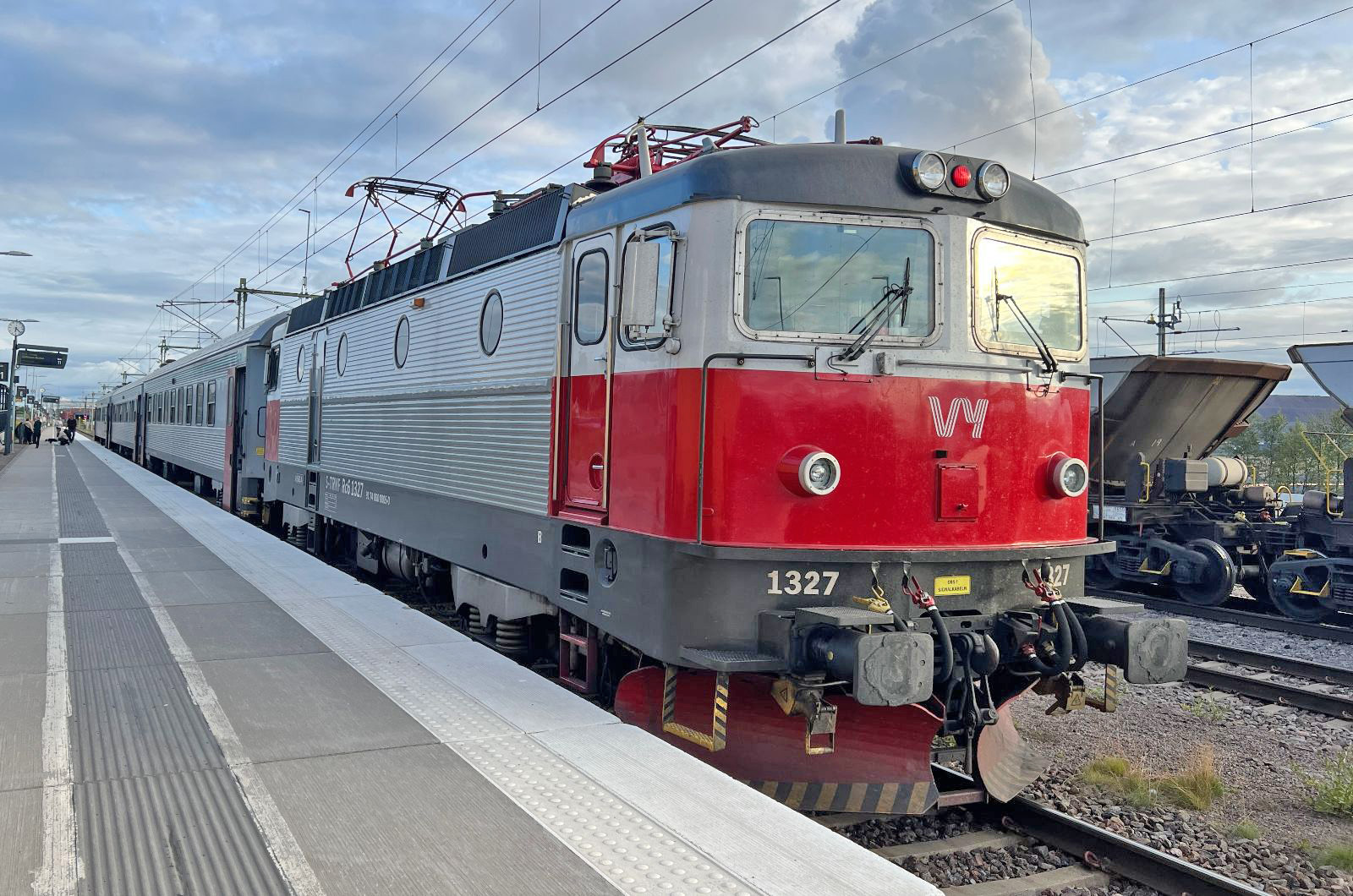
Waking up the next morning revealed a landscape increasingly dotted with civilisation before arriving in Stockholm mid-morning, a perfect time for onward travel or exploring the capital. For those arriving in Narvik, bus connections are available to northern destinations like Tromsø. The experience of this journey differs significantly between seasons. A summer trip in August 2023 featured sunsets around 11 pm, while a winter journey would likely involve the majority of the travel time spent in darkness.
- Journey Time: 18 hours.
- Prices from: 500 SEK (approximately €50, US$56, £42).
Villach to Edirne: Car-Carrying Convenience
A select few car-carrying trains still operate in Europe, and the Optima Express, connecting Austria and Turkey, stands out as one of the most practical remaining options. Operated by the private company Optima Tours, the journey typically spans two nights and one day, or vice versa, depending on the booking date. The train is equipped with covered car-carrying wagons and comfortable couchette carriages.
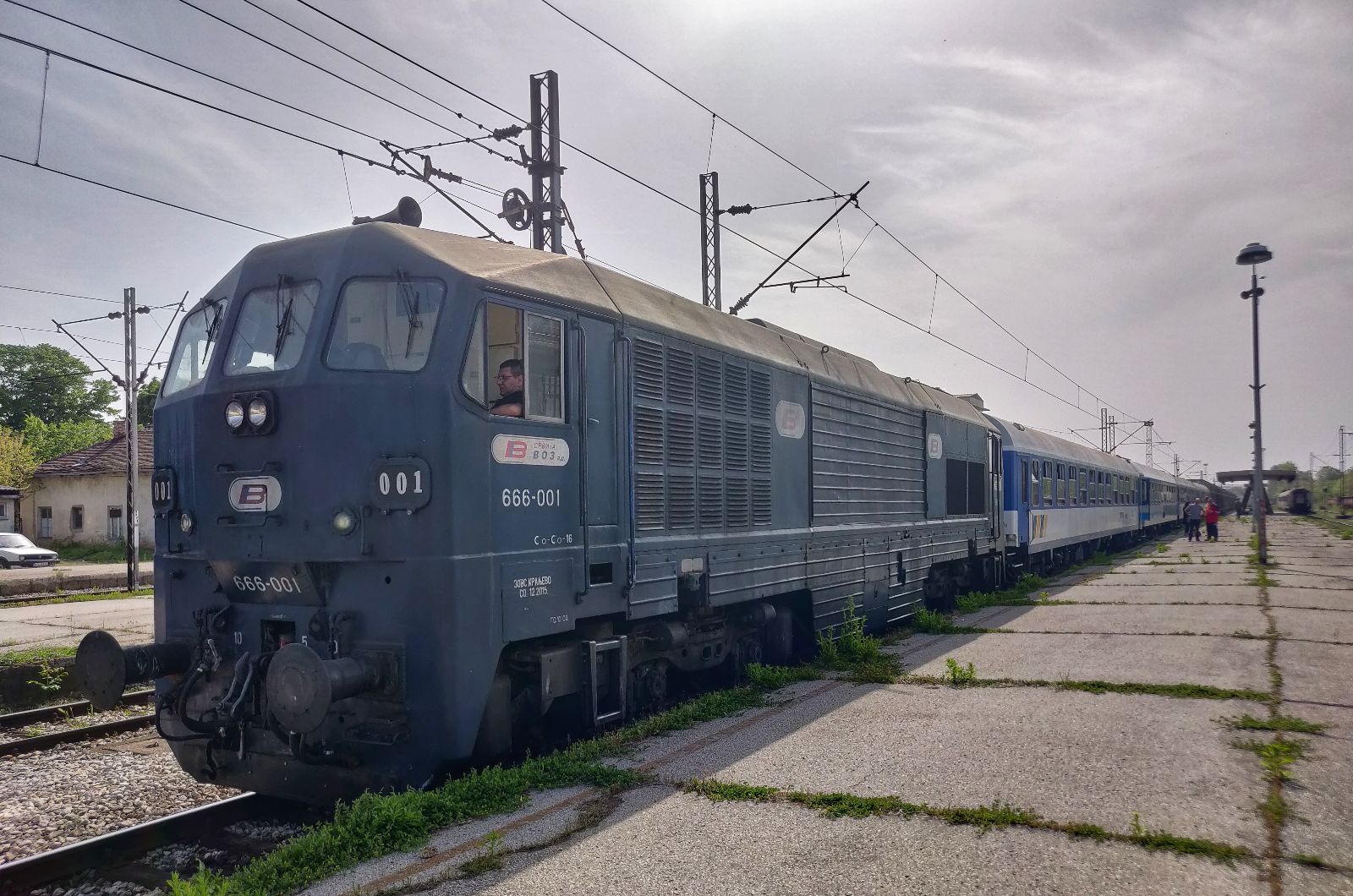
According to Optima Express’s website, the train can accommodate vehicles up to 270cm in height. It is advisable to consult the dimensions of larger vehicles before booking. The train also features a restaurant car that doubles as a communal area and cinema outside of meal times. Similar car-carrying services are also available from Hamburg to Villach and Hamburg to Innsbruck/Munich, operated by Urlaubs Express.
- Journey Time: Two nights and one day, or two days and one night.
- Price:
- From €164 (approximately US$182, £137) in a six-person compartment.
- From €560 (approximately US$622, £468) for sole occupancy.
- Additional cost of up to €560 (approximately US$622, £468) for a car.
Budapest to Split: The Adriatic Express
Hungarian Railways (MAV) offers another noteworthy overnight journey with the Adria train from Budapest to Split. This service shares many of the appealing qualities of the Corona train, with a particular highlight being its restaurant car. This carriage formerly served on the Hungarian governmental train and, like its counterpart on the Romania route, offers a diverse menu of freshly prepared meals. Waking up to a freshly cooked breakfast while catching glimpses of the Adriatic Sea appearing through the hillsides is a truly memorable experience.
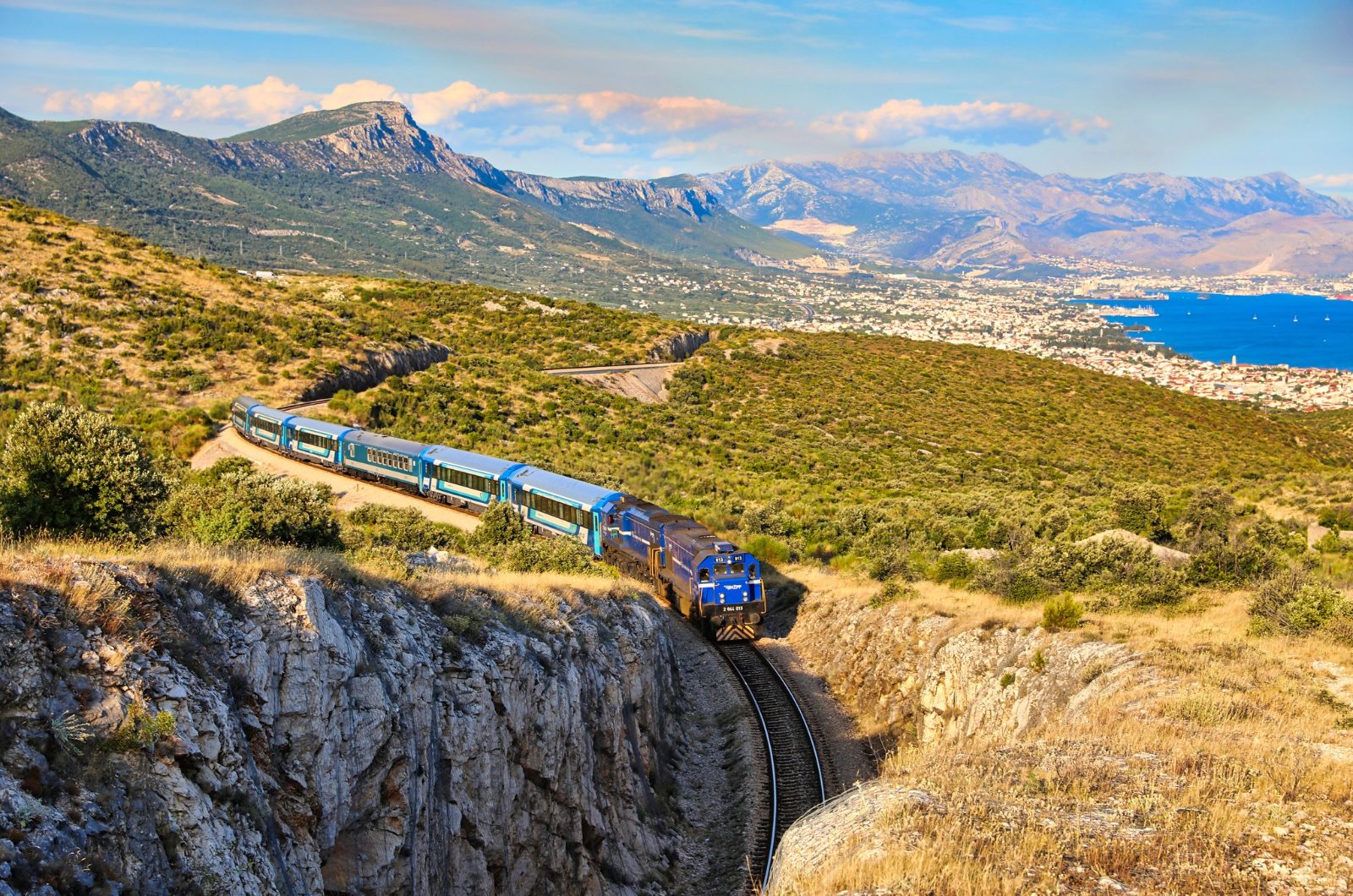
It is important to note that this train operates only during the summer months, three times a week in each direction. Eastbound services run on Tuesdays, Fridays, and Sundays, while westbound services depart on Mondays, Wednesdays, and Saturdays. Despite these operational constraints, it represents a civilised and hassle-free way to reach the Adriatic coast, avoiding the inconveniences of airport transfers. The unique provenance of its restaurant carriage adds an extra layer of historical charm.
- Journey Time: 15 hours.
- Prices:
- From €49 (approximately US$54, £41) with a couchette in a 6-berth compartment.
- From €59 (approximately US$66, £49) with a couchette in a 4-berth compartment.
- From €64 (approximately US$71, £54) for a bed in a 3-bed sleeper.
- From €79 (approximately US$88, £66) for a bed in a 2-bed sleeper.
- From €119 (approximately US$132, £99) in a single-bed sleeper.
London to Fort William: The Caledonian Sleeper’s Highland Charm
The United Kingdom currently features two primary sleeper train routes: the Night Riviera from London Paddington to Penzance and the Caledonian Sleeper from London Euston to various Scottish destinations, including Edinburgh, Glasgow, Aberdeen, Inverness, and Fort William. Of these, the service to Fort William is arguably the most captivating. Departing from the capital, passengers awaken in the remote Scottish Highlands, an area characterised by minimal mobile reception and a higher likelihood of spotting deer than cars.
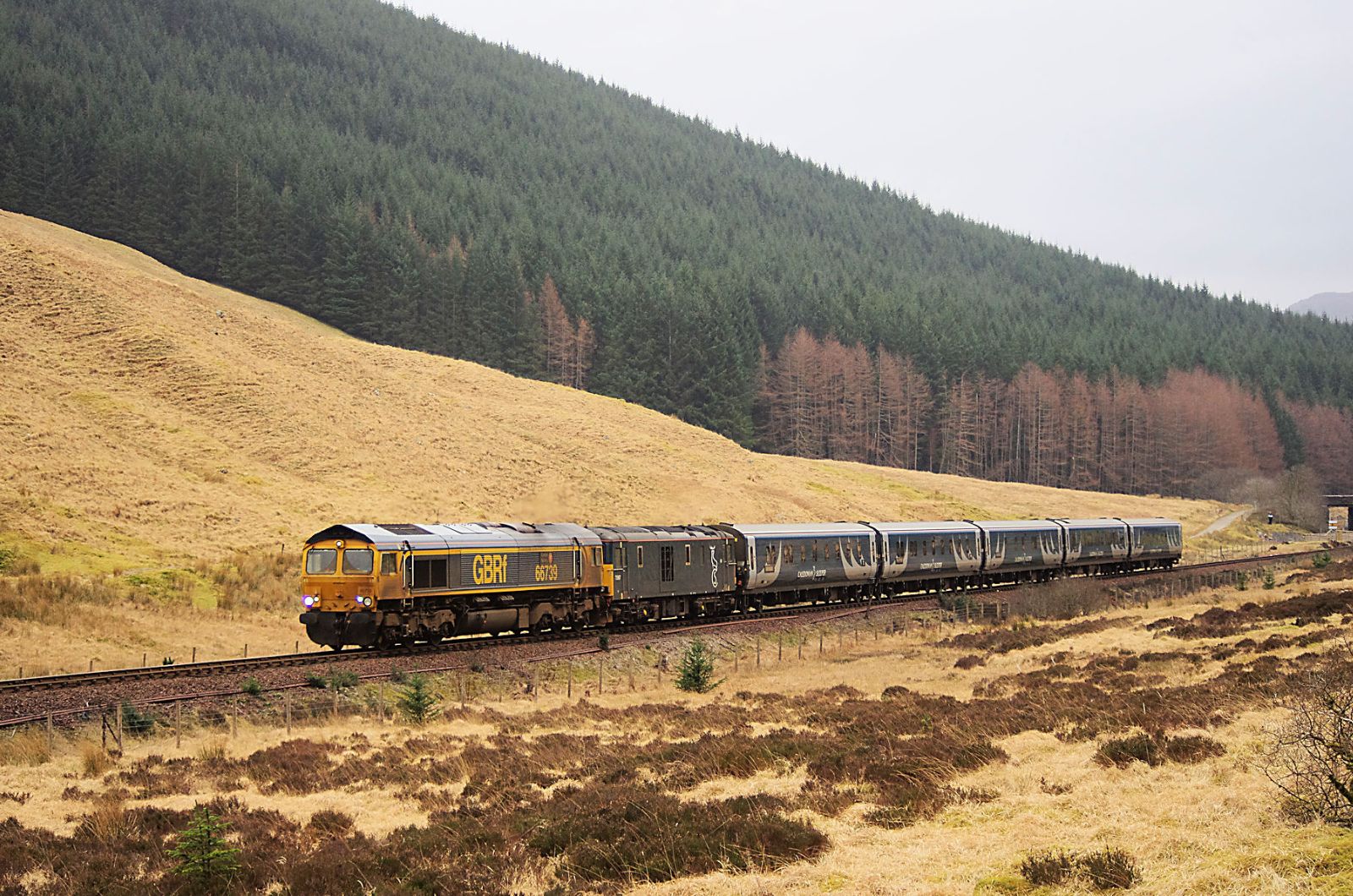
The route traverses the West Highland Line, renowned as one of the UK’s most scenic railway lines. It passes through Corrour, Britain’s most remote and highest railway station. The Fort William portion of the train stops here, making it an ideal departure point for hikers, as the nearest road is 10 miles away. While booking a ticket on the morning departure can be a gamble, the sleeper train conveniently connects with The Jacobite, a steam-hauled service that continues along the iconic West Highland Line extension to Mallaig. The Jacobite, which has been operating in various forms for four decades, gained significant fame through its appearances in the Harry Potter films, particularly its journey across the Glenfinnan Viaduct en route to the fishing village of Mallaig. For those interested in multi-modal travel, Mallaig station is conveniently located near the ferry port, offering sailings to the Isle of Skye and other nearby islands.
- Journey Time: 13 hours.
- Price:
- From £40 (approximately US$44, €48) for a seat.
- From £140 (approximately US$155, €167) for a berth.
Budapest to Brasov: The Corona Sleeper
Among the various sleeper trains connecting Hungary and Romania, the Corona sleeper train, operated by MAV, is consistently rated as the superior option. Designed to link the Hungarian-speaking region of Romanian Transylvania with the Hungarian capital, the Corona distinguishes itself through the quality of its rolling stock. Typically, the train comprises impeccably maintained Soviet-era sleeping carriages with wooden panelling, complemented by an immaculate restaurant car where breakfast and dinner are cooked to order, and local beer is available on tap.
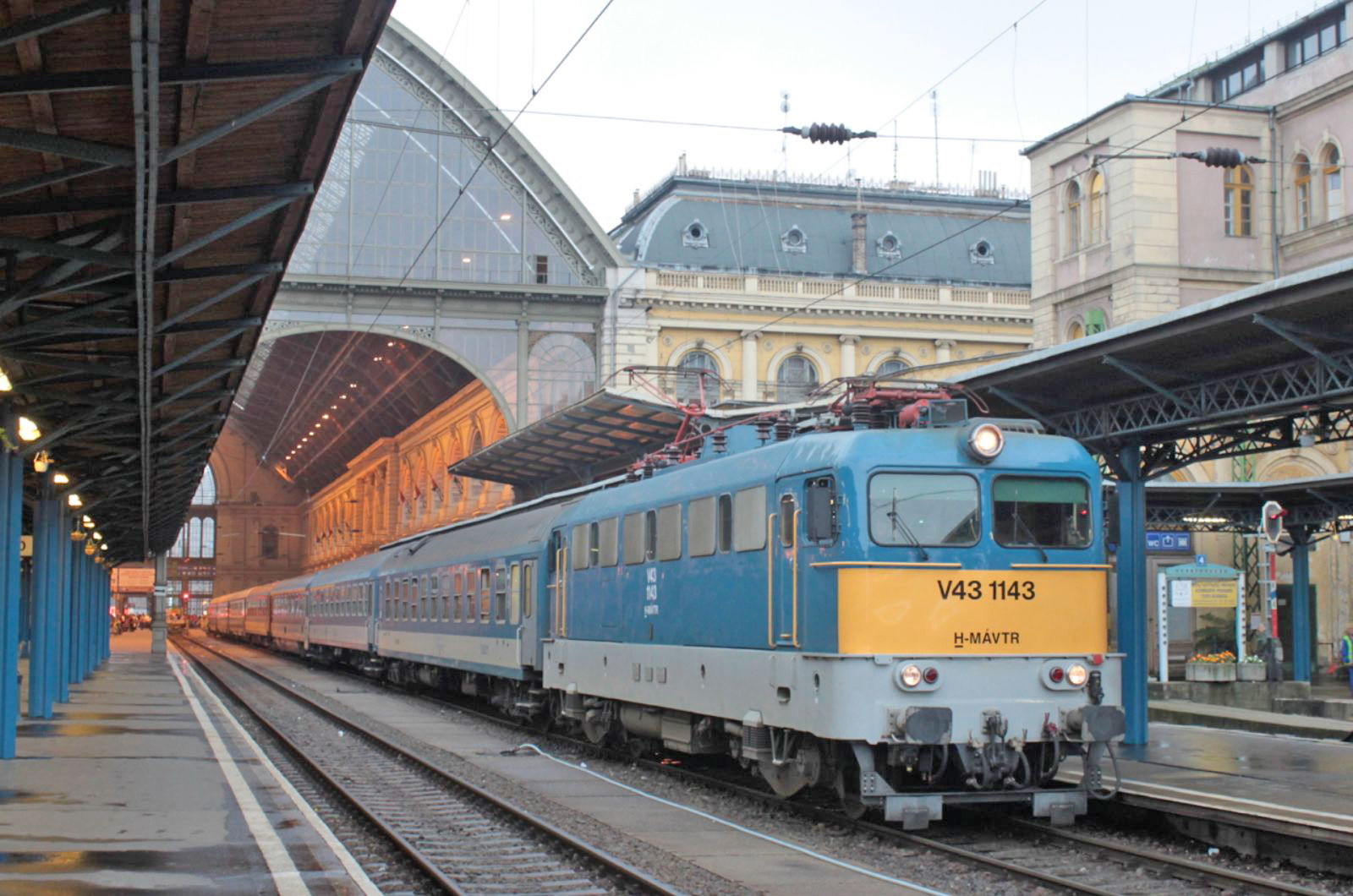
A note of caution, applicable to other trains between these two countries such as the Ista and the Vienna-originating Dacia Express, is that Romania is not part of the Schengen Area, necessitating manual passport checks at the border. Eastbound, these checks occur at a relatively civilised hour, around 9:30 pm Hungarian time, allowing for an uninterrupted night’s sleep. However, westbound, the process is less accommodating, with two separate checks (one to exit Romania, one to enter Hungary) occurring approximately half an hour apart, often around 4:00 am. The abrupt knock on the door and the shout of “PASSPORTS” from a border official are guaranteed to rouse even the deepest sleeper.
- Journey Time: 14 hours.
- Price:
- From €39 (approximately US$43, £33) with a couchette in a 6-berth compartment.
- From €46 (approximately US$51, £38) with a couchette in a 4-berth compartment.
- From €69 (approximately US$77, £58) for a bed in a 3-bed sleeper.
- From €84 (approximately US$93, £70) in a single sleeper.
Milan to Sicily: The Train Ferry Voyage
The primary attraction of the Milan to Sicily sleeper train is its unique method of crossing the Strait of Messina. In the absence of a bridge or tunnel, the entire train is loaded onto a ship, the last remaining train ferry in Europe. While the actual crossing takes about 20 minutes, considerable time is allocated for delays at either end, as train sections destined for Palermo and Siracuse are handled separately.
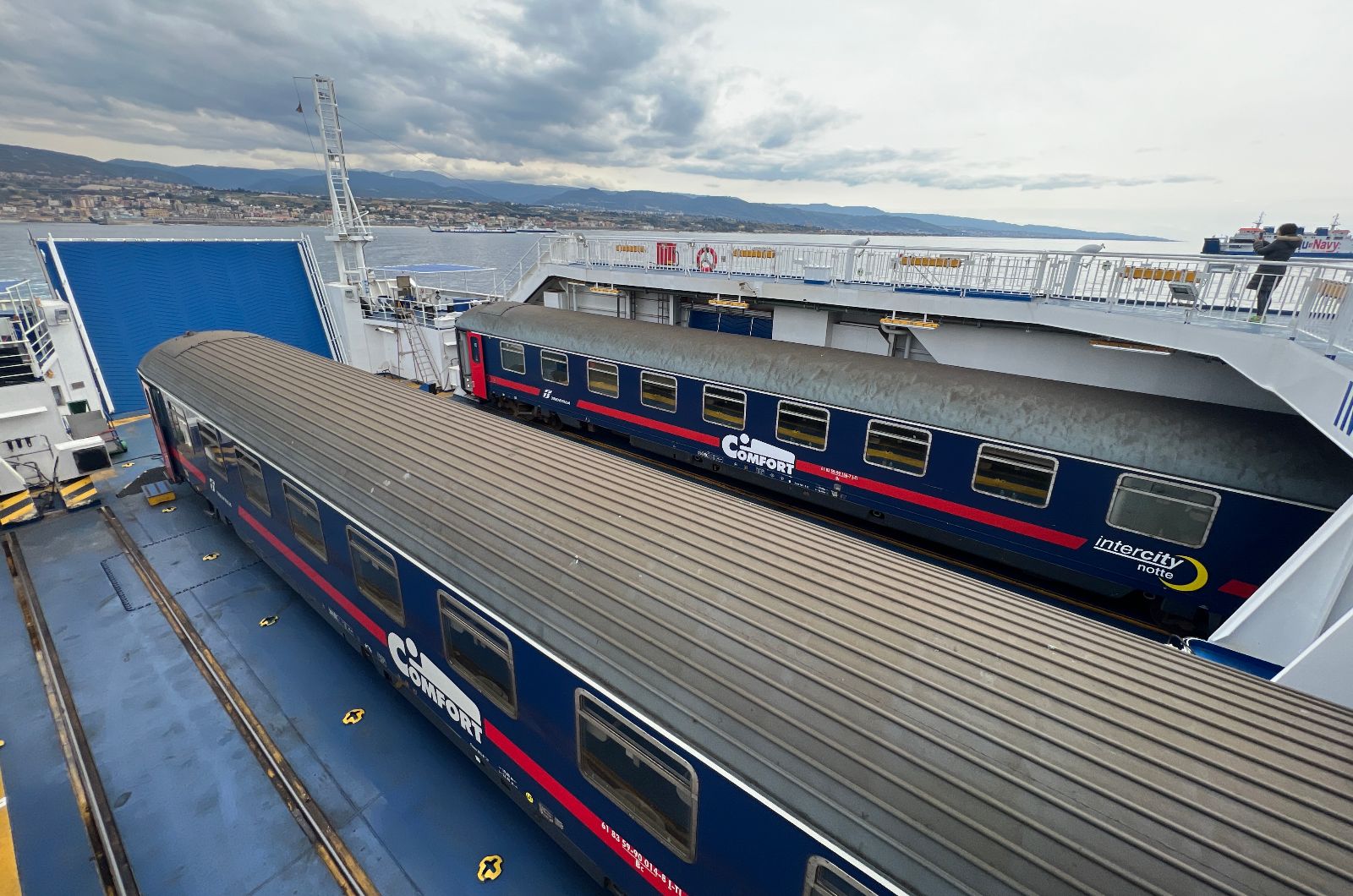
For rail enthusiasts, the operational aspects are particularly interesting. The yards and the ferry itself are not electrified, requiring the use of vintage diesel shunters to manoeuvre the carriages on and off the vessel. For many Sicilians, these sleeper trains represent a vital link to the mainland, with tourists forming a minority of the passengers. During a February 2023 journey, fellow passengers returning to the island after working away and visiting a hospital for surgery expressed surprise at the boarding and disembarking procedures for the ferry. It is worth noting that the southbound journey, undertaken during daylight hours, offers extensive views along the Tyrrhenian Sea, and passengers on the Siracuse portion can also enjoy vistas of Mount Etna.
- Journey Time: 21 hours (to Palermo), 19 hours 30 minutes (to Siracuse).
- Price:
- From €39.99 (approximately US$44, £33) in a four-person couchette.
- From €84.90 (approximately US$94, £71) in a single-bed sleeper.
Venice Simplon-Orient-Express: The Epitome of Luxury Rail
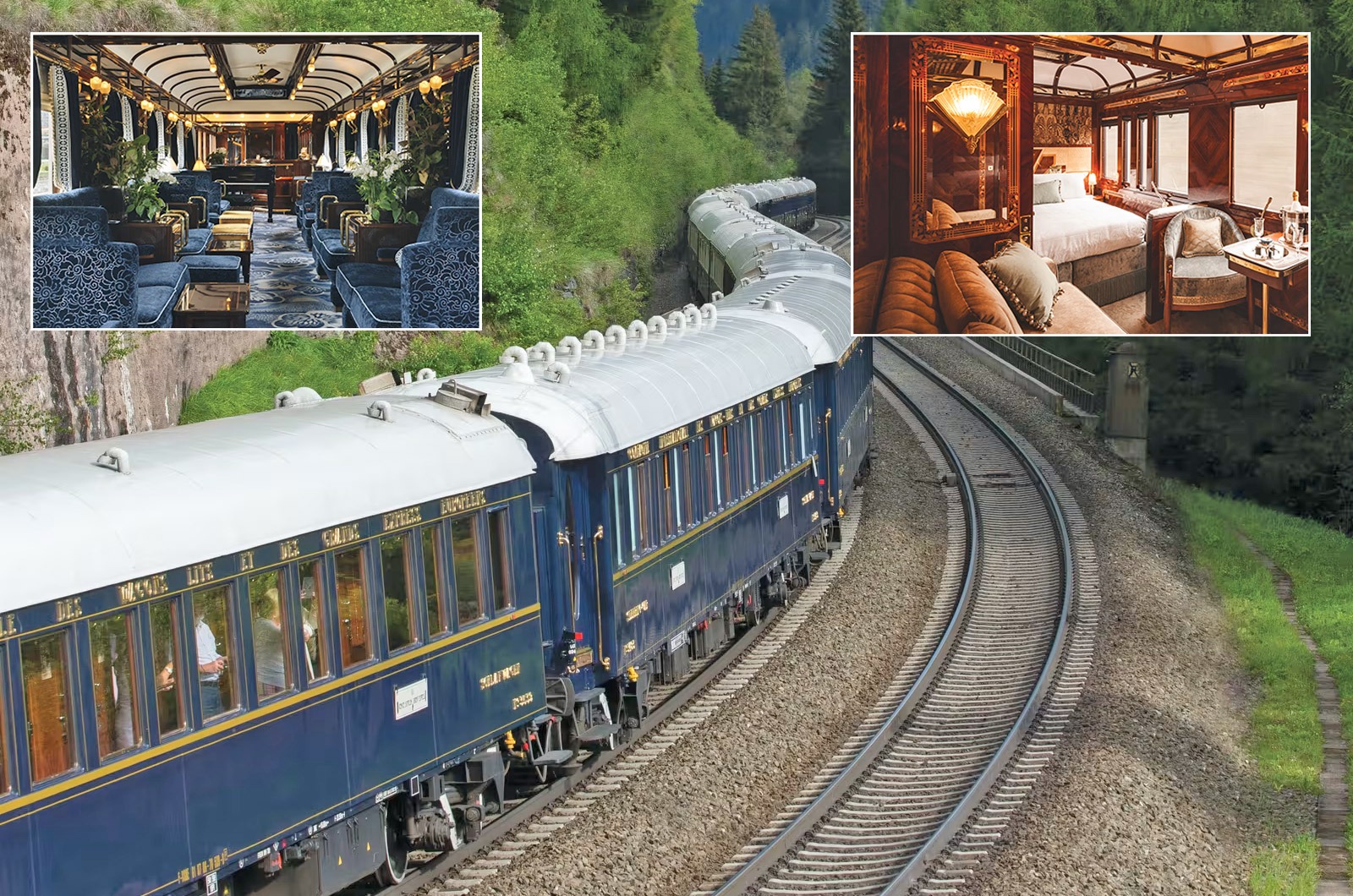
The Venice Simplon-Orient-Express offers the most opulent travel experience between London or Paris and Venice. It features meticulously restored carriages from the 1920s, 1930s, and 1950s, and typically operates once a week. Prior to 2024, passengers travelling from London would board the Belmond British Pullman from London Victoria to Dover, then travel beneath the Channel Tunnel in a coach before joining the main train at Calais. From 2024 onwards, passengers will take a Eurostar to Paris and then transfer to the luxurious train. The train boasts a piano bar carriage and two restaurant carriages, with all meals included in the substantial fare.
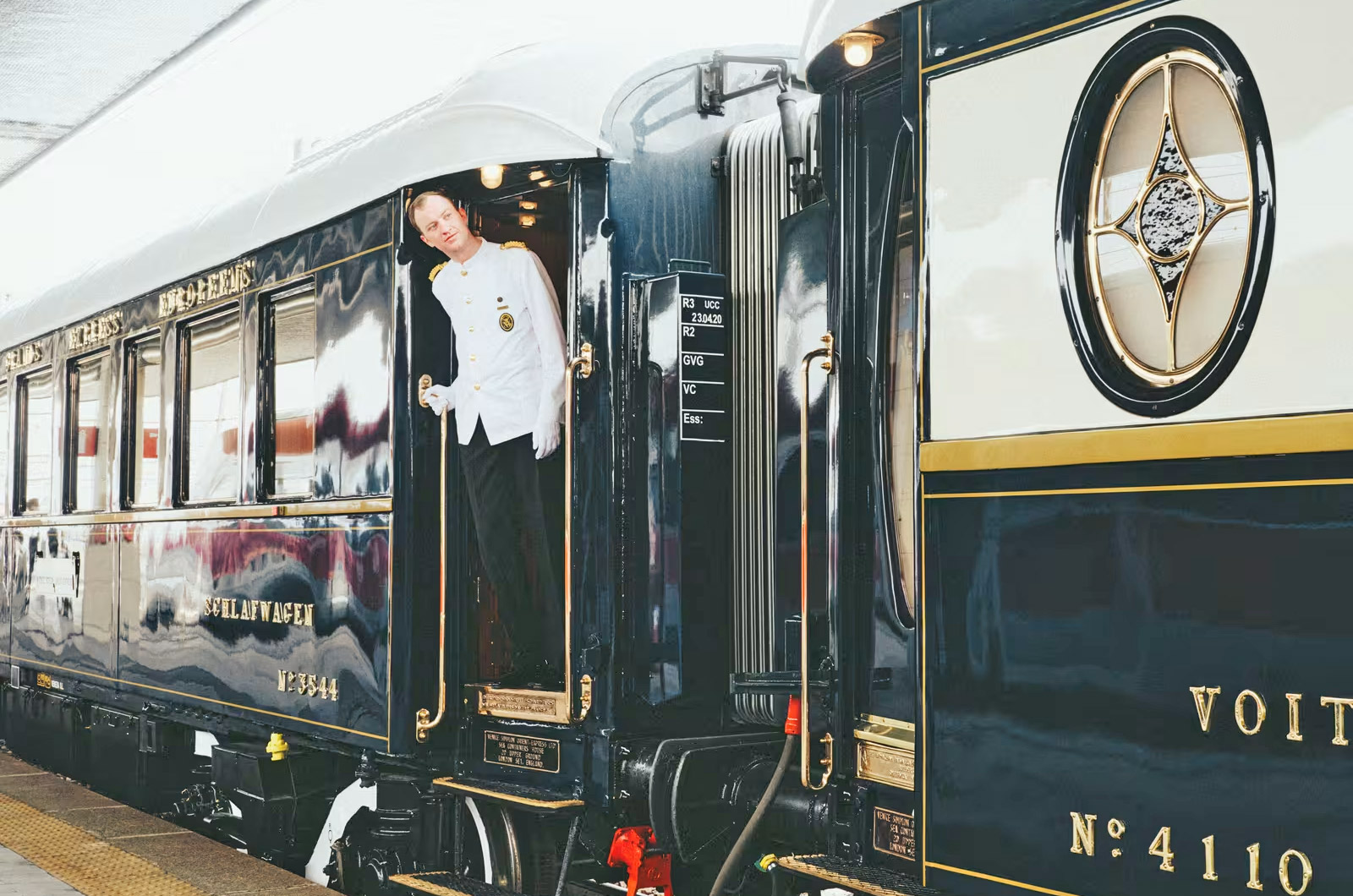
For many, whether they are dedicated rail enthusiasts or not, a journey on the Venice Simplon-Orient-Express is considered a once-in-a-lifetime experience, partly due to its iconic name. The mention of the Orient-Express instantly conjures images of unparalleled luxury on rails. It is important to clarify that the “original” Orient Express was a service, not a single set of carriages. Throughout its long history, the Orient Express utilised various rolling stock and required multiple sets of coaches to operate simultaneously. Nevertheless, the carriages forming the Venice Simplon-Orient-Express are beautifully restored and have been in service as part of this tourist-focused train since the early 1980s.
- Journey Time: 26 hours.
- Prices: From £3353 (approximately US$4500, €4010).