
The Rise of ‘K-Scrub’: A Unique Korean Cultural Export Captivating Global Tourists
Korean bathing culture, particularly the practice of “K-Scrub” and “K-sesin” (scrubbing), has surged in popularity, emerging as a distinctive cultural export and a must-experience for international visitors. This trend has been amplified by its appearance in popular Korean media and its adoption by global celebrities, cementing its status as a unique facet of Korean heritage.
The growing fascination with Korean bathhouses, known as jjimjilbangs, has transformed them into significant tourist destinations. In a notable shift, some hotel bathhouses are now seeing a higher proportion of foreign clientele than Korean patrons. To accommodate visitors who may feel apprehensive about the communal nature of traditional public bathhouses, the concept of “one-person scrub shops” has gained traction. These intimate establishments offer a private space for individuals to enjoy bathing and scrubbing services.


Celebrity Endorsements and Media Buzz Fueling K-Scrub’s Global Appeal
The visibility of Korean bathing culture in popular entertainment has undeniably contributed to its burgeoning fame. This year, Jin, a member of the globally renowned K-Pop group BTS, was seen experiencing a jjimjilbang alongside the lead actor of the popular Japanese drama The Solitary Gourmet. Furthermore, scenes depicting characters from the hit Netflix animation KPop Demon Hunters visiting a public bathhouse after a performance have further cemented the image of ‘K-Scrub’ and ‘K-sesin’ in the global consciousness. These cultural touchpoints have transformed what was once a local custom into an international phenomenon.
The “Secret” of Korean Skin: How Scrubbing Became a Tourist Must-Do
A pervasive belief that “Koreans’ smooth skin secrets lie in scrubbing” has propelled K-Scrub into a must-do activity for tourists visiting South Korea. Evidence of this trend is apparent in the booking patterns of upscale establishments. During the Chuseok holiday last year, the Westin Chosun Seoul introduced a package that included scrub services. The uptake was overwhelmingly international, with foreigners constituting 84% of the participants.
A representative from Westin Chosun Seoul expressed surprise at this demographic, stating, “We expected many Koreans to want to cleanse their bodies and minds during the holiday while enjoying a hotel stay, but it was surprising that foreign customers outnumbered Korean ones.” While guests from East Asian countries like China and Japan, where bathing traditions are familiar, were present, the largest contingent hailed from the United States (23%), followed by Europe (11%). In response to this demand, the hotel has enhanced its offerings, providing Korean-style scrub services and bath amenities for guests booking stays of two nights or longer. This dedicated service, named Onki, was launched last month and is available for bookings until August 31st of next year.
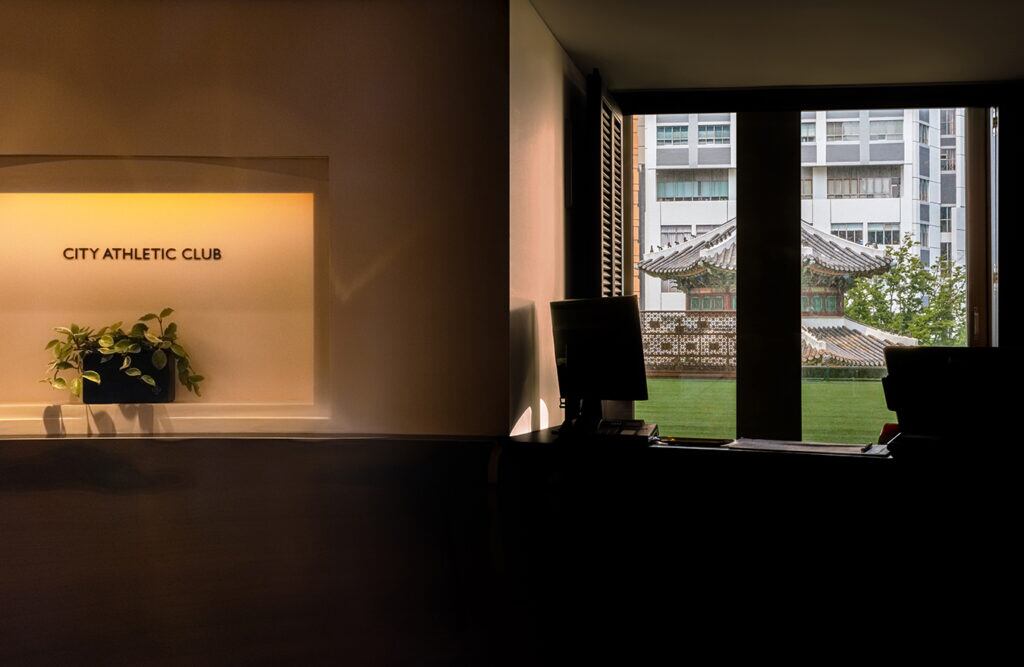
The City Athletic Club, the bath facility at Westin Chosun Seoul, has witnessed a remarkable surge in scrub service sales, reaching an all-time high in October of this year. Similarly, Centum Spa Land, a well-known jjimjilbang and bath complex in Busan’s Centum City, reported that a significant 50% of its visitors this year have been foreigners, underscoring the widespread appeal of this unique service.
Souvenirs of Smoothness: K-Scrub Products Abroad
The memorable experience of Korean scrubbing has led many foreigners to seek out related products as souvenirs. Scrub towels and soaps are now widely available and promoted in multiple languages, including English, Japanese, and Chinese, in popular shopping districts. Underground malls near the Banpo Express Bus Terminal and street vendors in Myeongdong prominently display these items. A Daiso store in Myeongdong, frequented primarily by international shoppers, reported that sales of scrub towels, such as the popular “Italian towels,” were eight times higher than in other branches, highlighting the strong demand.
Navigating Cultural Nuances: One-Person Shops and Gendered Services
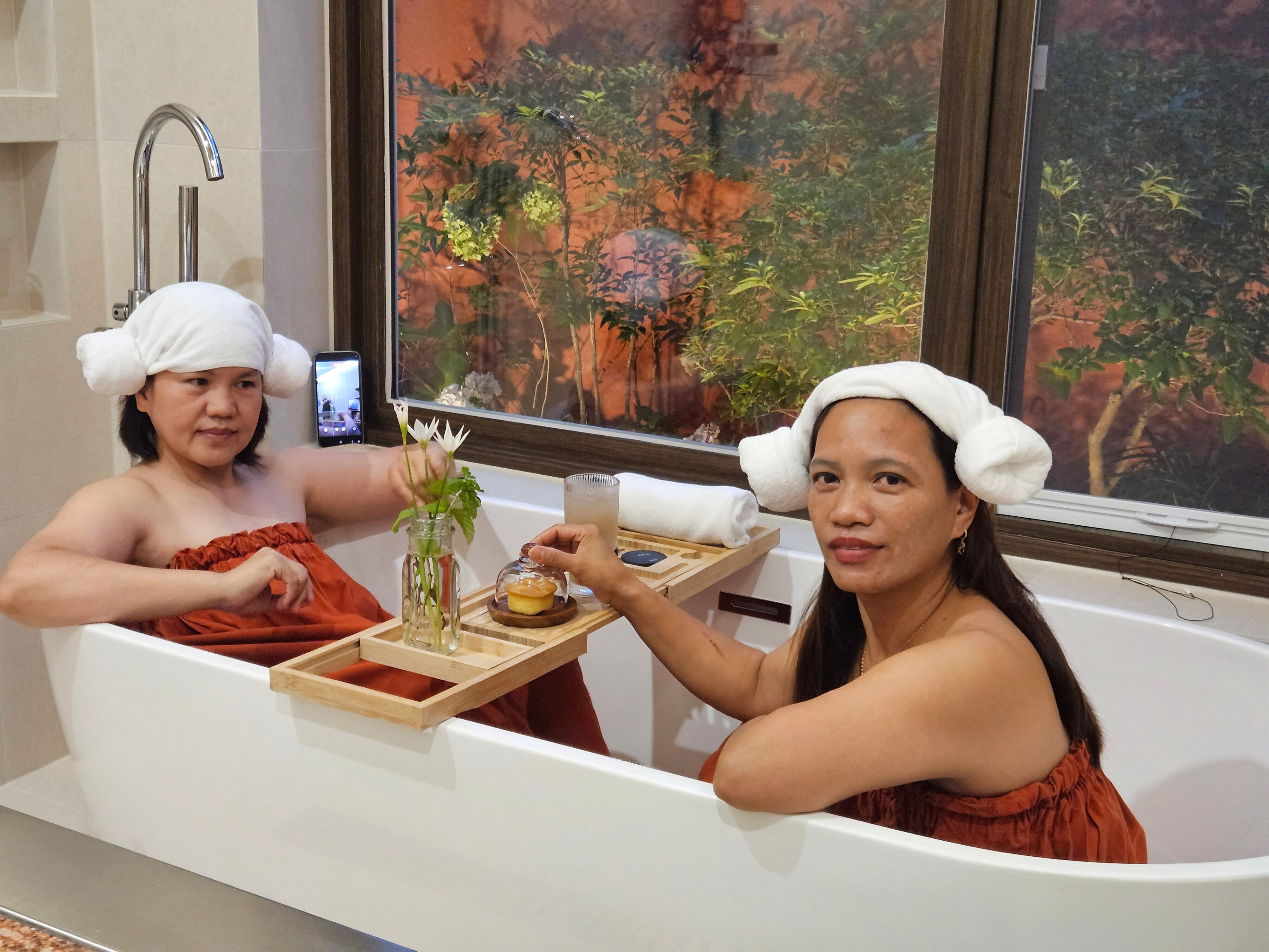
The cultural differences associated with public bathing have spurred the growth of one-person scrub shops, specifically designed to cater to foreigners who may find traditional communal bathhouses intimidating. In Seoul’s Seongbuk-gu, the Dano Pungjeong one-person scrub shop boasts a clientele composed of 80% foreigners. Each private room is equipped with a bathtub and a scrub bed, offering an exclusive experience. The establishment actively promotes its services and provides directions in English and Japanese via Instagram, attracting visitors from the United States, the Middle East, and various Asian countries. The recent proliferation of similar one-person scrub shops in areas like Hongdae, Gangnam, and Seongsu further indicates the growing demand for these tailored services among international tourists.
Addressing Sensitivities: The Importance of Gendered Services
A critical aspect of providing K-Scrub services, especially in more intimate settings, is clearly communicating the gender of the scrubbers. For male customers, it is paramount to inform them that services will be performed by a male scrubber. A spokesperson from Westin Chosun highlighted the challenges, noting, “In some countries, physical contact between men is perceived as a homosexual signal, so we repeatedly ask for consent before a male scrubber proceeds. Even with prior notice, many still feel awkward.” This underscores the need for cultural sensitivity and clear communication to ensure a comfortable and positive experience for all clients, regardless of their origin.