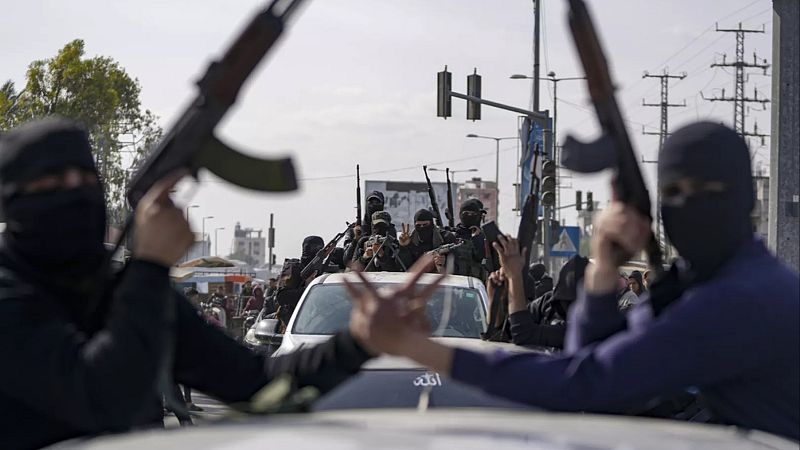

Hamas Demands Release of High-Profile Prisoners in Peace Talks
As part of ongoing peace talks, Hamas has made a significant demand from Israel: the release of several high-profile militants who are currently serving long prison sentences. According to Israeli security sources, this request is considered a “red line” that Israel is unwilling to cross. The sources warned that if Hamas continues to insist on these names, it could lead to war and the collapse of any potential deal.
The list of individuals Hamas wants released includes four prominent figures: Marwan Barghouti, Ahmad Sa’adat, Hassan Salameh, and Abbas al-Sayed. Each of them has been linked to major attacks against Israelis and is seen as a key figure within their respective groups.

Key Figures in the List
Marwan Barghouti is a senior Fatah leader arrested by Israel in 2002. He was sentenced to five life terms for his role in attacks carried out by the al-Aqsa Martyrs Brigades. Ahmad Sa’adat, the former general secretary of the Popular Front for the Liberation of Palestine (PFLP), was given a 30-year sentence for organizing the 2001 assassination of Israeli Tourism Minister Rehavam Ze’evi.
Hassan Salameh, a senior Hamas commander, was sentenced to 46 life terms for orchestrating bus bombings in Jerusalem and Tel Aviv during the 1990s, which resulted in the deaths of dozens of Israelis. Abbas al-Sayed, a Hamas leader from Tulkarem, received 35 consecutive life terms for masterminding the 2002 Park Hotel bombing in Netanya, which killed 39 people and injured over 140 others.
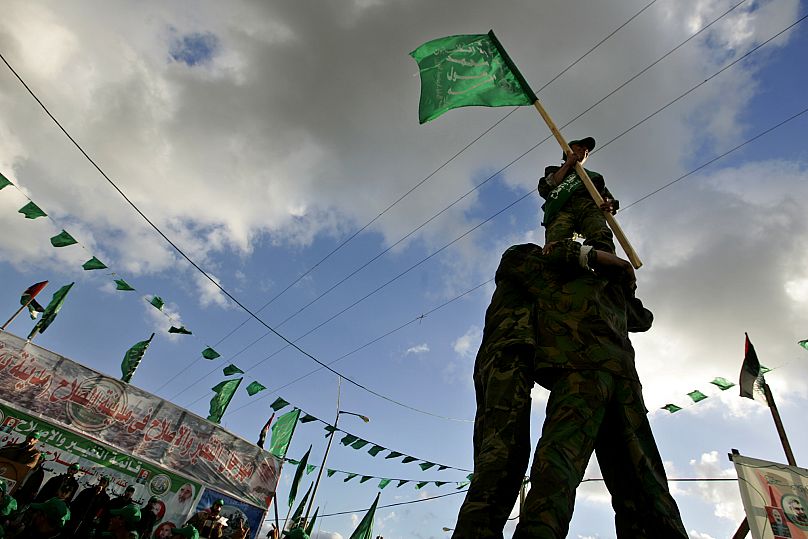
Why Does Hamas Want Their Release?
Hamas has repeatedly raised the issue of releasing these four individuals during past negotiations with Israel, but their demands have always been rejected. Each of these figures holds significant value for the armed group. Sa’adat, as the leader of PFLP, is seen as a symbol of Palestinian resistance. Hamas views Salameh as a national hero and a symbol of loyalty among veteran fighters. The inclusion of al-Sayed on the list shows Hamas’ determination to demand the release of those involved in mass-casualty attacks.
According to verified sources in Palestine, Marwan Barghouti is the most important individual on the list for Hamas. The group sees him as a valuable ally in its struggle against Israel. His release is believed to be crucial for Hamas’ long-term influence in Palestinian politics, despite the fact that one of the main goals of the peace deal is the removal of Hamas from power.
Israeli Security Sources Warn Against Compromise
Israeli security sources have confirmed that the demand to release these four individuals is a “red line” that the negotiating team will not cross. They warned that demanding the release of these so-called “terrorists” would spell more war and the complete destruction of Gaza.
Hamas has consistently tied the release of these prisoners to the return of the hostages it still holds. This indicates that the group considers these prisoners essential to its negotiation strategy. However, the Israeli government has remained firm in its stance, stating that the immediate release of all 48 hostages, as outlined in President Trump’s plan, is non-negotiable.
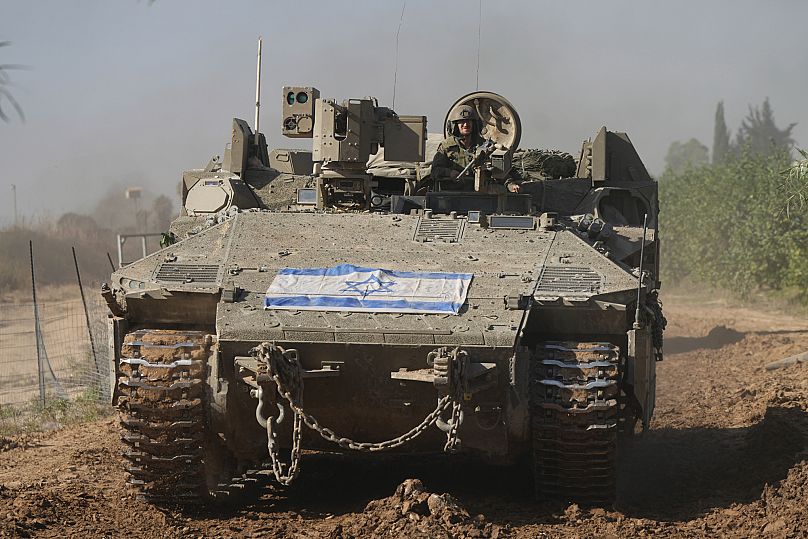
Indirect Talks in Egypt
The Israeli government has refused to comment on Hamas’ demands while the negotiations in Egypt are ongoing. However, government sources have expressed cautious optimism about the talks, despite concerns that Hamas might attempt to manipulate the process.
Prof Nathan Brown, a Middle Eastern politics expert at George Washington University, pointed out that it is unlikely all parties have fully agreed to Trump’s plan. He explained that the plan announced by the U.S. differs from the one worked out between the U.S. and key Arab states. Israeli Prime Minister Benjamin Netanyahu has clearly stated that he rejects the idea of a Palestinian state, which was a key provision for the Arab states.
Brown noted that Hamas has only agreed to ceasefire provisions, with the rest of the details still up in the air. He emphasized that serious negotiations are just beginning, and the parties are still far apart.
Hamas’ Conditions for Hostage Release
Hamas has agreed to release all remaining Israeli hostages but insists on further discussions on several key points outlined in the U.S. peace plan. Khalil al-Hayya, a senior Hamas official and leader of the negotiating team in Egypt, said that the group needs “real guarantees” of a lasting ceasefire as part of any deal to return the remaining 48 hostages, of which 20 are believed to be still alive.
The White House map outlines three stages of Israeli troop withdrawal from Gaza. However, the map does not align with Israel’s military maps of militarized areas, and there is no clear timeline for future withdrawals.
Concerns Over Future of Hamas Members
Hamas is also concerned about the future of its members and associates if Trump’s plan is implemented. In an exclusive interview, Israeli Prime Minister Benjamin Netanyahu stated that “Hamas’ rule has to come to an end.” He added that if Hamas does not agree to the peace deal, the U.S. will back Israel in taking strong action against the group.
“Let’s hope we can finish it the easy way and not the hard way,” Netanyahu said.