



Poland’s Stance on Extradition of Ukrainian Suspect in Nord Stream Case
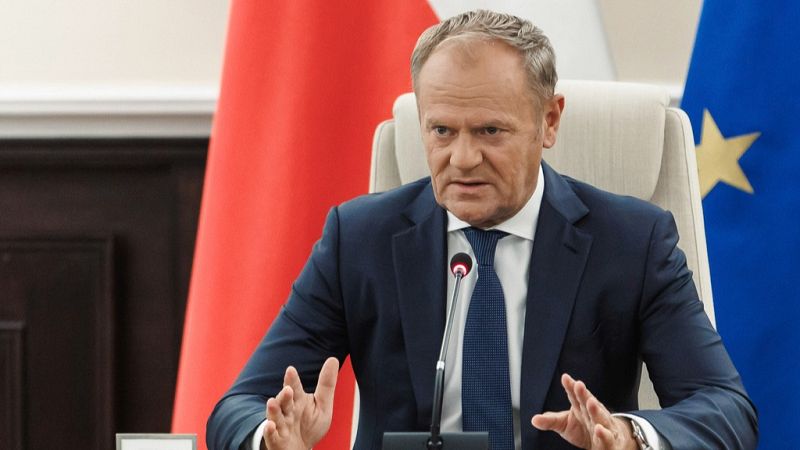
Poland’s Prime Minister, Donald Tusk, has made it clear that extraditing a Ukrainian man to Germany for his alleged involvement in the 2022 Nord Stream pipeline explosions is not in the country’s interest. The suspect, identified as Volodymyr Z, was detained near Warsaw in late September and is currently under custody while Polish authorities consider Germany’s extradition request.
A Polish court recently extended Volodymyr Z’s detention by 40 days to evaluate the European arrest warrant issued by Germany. Tusk emphasized that the final decision rests with the judiciary and that the government would not interfere in the process. However, he reiterated Poland’s longstanding opposition to the Nord Stream pipelines, which it believes have made Europe overly reliant on Russian energy.

“The problem of Europe, the problem of Ukraine, the problem of Lithuania and Poland is not that Nord Stream 2 was blown up, but that it was built,” Tusk stated during a press conference. He added that it is not in Poland’s interest to hand over this citizen to a foreign country.
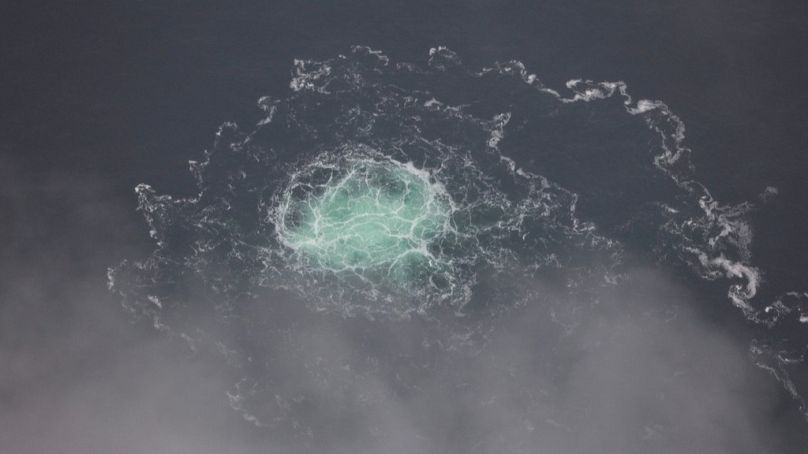
The explosions occurred on 26 September 2022, causing significant damage to the Nord Stream pipelines, which were designed to transport Russian natural gas to Germany beneath the Baltic Sea. This event heightened tensions amid the ongoing war in Ukraine, prompting European countries to seek alternatives to Russian energy sources following Moscow’s full-scale invasion in early 2022.
According to the German Federal Prosecutor’s Office, Volodymyr Z is a trained diver and part of a group suspected of renting a yacht and planting explosives on the pipelines near the Danish island of Bornholm. Despite these allegations, Volodymyr Z has denied any wrongdoing and plans to challenge his extradition to Germany, as reported by his Polish lawyer.
Another Ukrainian individual, Serhii K, was arrested in Italy last month in connection with the explosions. An Italian appeals court approved his extradition to Germany, but Serhii K is appealing the decision to Italy’s highest Cassation Court.
Background on the Nord Stream Pipeline Explosions
The explosions ruptured the Nord Stream 1 pipeline, which had been Russia’s primary natural gas supply route to Germany until Moscow cut off supplies at the end of August 2022. The incident also damaged the Nord Stream 2 pipeline, which had never become operational due to Germany suspending its certification process just before Russia’s full-scale invasion of Ukraine in February 2022.
Moscow has accused the United States of carrying out the explosions, a claim that Washington has consistently denied. The pipelines have long been criticized by the US and some of its allies, who argued they posed a risk to Europe’s energy security by increasing dependence on Russian gas.
In 2023, media reports in Germany suggested that a pro-Ukraine group may have been involved in the sabotage of the pipelines. However, Kyiv rejected these suggestions, and German officials expressed caution regarding the accusations.
Ongoing Investigations and International Reactions
The investigation into the Nord Stream explosions continues, with multiple countries involved in the search for those responsible. The case has sparked debates about energy security, international relations, and the role of various actors in the conflict.
As the legal proceedings unfold, the situation remains complex, with implications for both regional and global politics. The outcome of the extradition cases involving Volodymyr Z and Serhii K could have far-reaching consequences for diplomatic relations and the pursuit of justice in one of the most controversial incidents in recent European history.

