
A Stunning Archaeological Discovery in Lystra
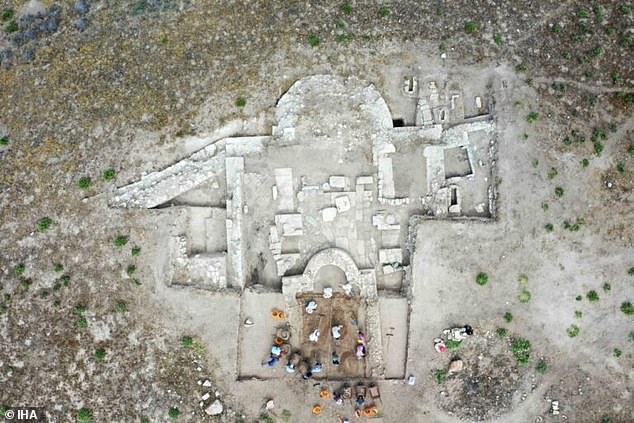
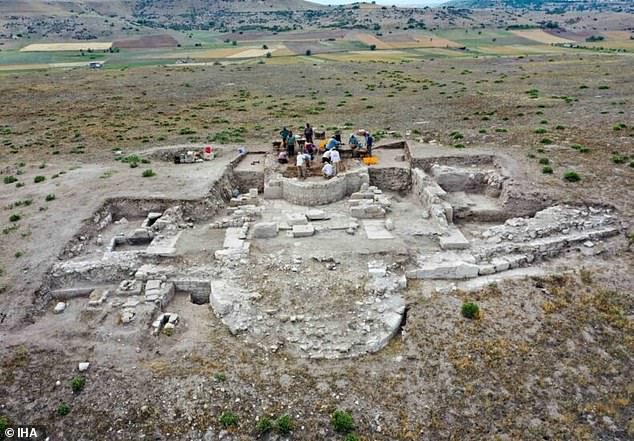
Archaeologists have made a remarkable discovery in the ancient city of Lystra, a site deeply connected to the biblical narrative. This city, where the Apostle Paul performed a miraculous healing of a man born lame, has now revealed a 100-foot-long basilica adorned with gold-gilded mosaics and richly decorated walls. These features are characteristic of late antique craftsmanship, offering a glimpse into the grandeur of early Christian architecture.
The basilica serves as tangible evidence that Lystra was a thriving urban center during the earliest centuries of Christianity. Its existence confirms biblical accounts by demonstrating that Lystra was a real, organized Christian community capable of supporting worship, leadership structures, and the activities described in the Acts of the Apostles. The location of Lystra near modern-day Hatunsaray in central Anatolia aligns with the geographic details mentioned in scripture, reinforcing the historical accuracy of the biblical narrative.

Although Lystra’s significance has long been recorded in the Bible, where it is mentioned eight times, this discovery provides concrete archaeological evidence of the city’s role in spreading Christianity across the region. The basilica likely functioned as both a center of worship and an administrative hub, illustrating how early Christian church organization developed in Anatolia, particularly around Konya, known in ancient times as Iconium.
Biblical Accounts and Historical Significance
Established as a Roman colony under Emperor Augustus, Lystra rose to prominence as one of the leading cities in the ancient region of Lycaonia. According to the New Testament, Paul and his companion Barnabas visited the city during their first-century missionary journeys. The story of the miraculous healing of a lame man in Lystra is recorded in Acts 14:8-10, where Paul calls out to the man, who then jumps up and begins to walk.
This miracle, according to the Bible, was witnessed by many locals who reportedly mistook Paul and Barnabas for the gods Hermes and Zeus. Among other apostles connected to Lystra was Timothy, Paul’s “spiritual son,” who is believed to have been appointed one of the first bishops in the region. Acts 16:1–3 describes how Paul wanted to take Timothy along on his journey and circumcised him because of the Jews in the area.
Insights into the Seljuk Era
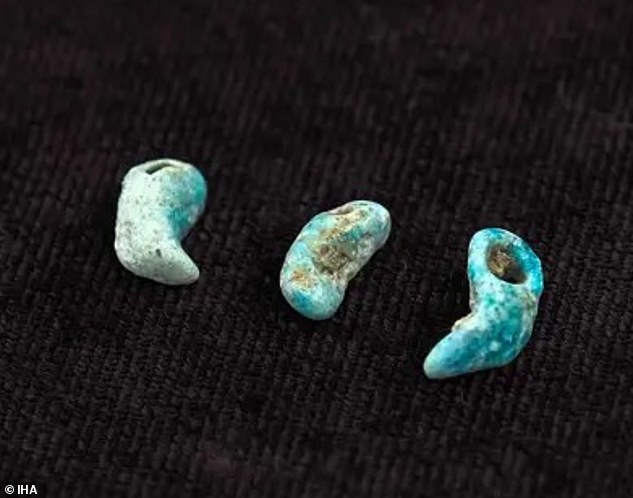
Excavations in the ancient city have also provided new insights into the Seljuk era, a period when the Seljuk Empire dominated a vast territory in Central and Western Asia from the 11th to the 13th centuries. This era saw the introduction of Turkic culture and Islam to Anatolia, as well as a flourishing of Persian culture and arts. Archaeologists uncovered stunning artifacts, including coins and turquoise-colored beads found in children’s graves, suggesting that the site retained spiritual importance well into the 12th to 13th centuries.
These beads are considered precursors to the nazar boncuğu (evil-eye bead), illustrating a period of cultural and religious coexistence between Christians and Seljuk Turks. İlker Mete Mimiroğlu of Necmettin Erbakan University, who led the excavation, noted that the local Christian population did not disappear when the Seljuks came. Instead, they continued their lives under Seljuk rule, within an atmosphere of tolerance.
Cultural and Religious Adaptation
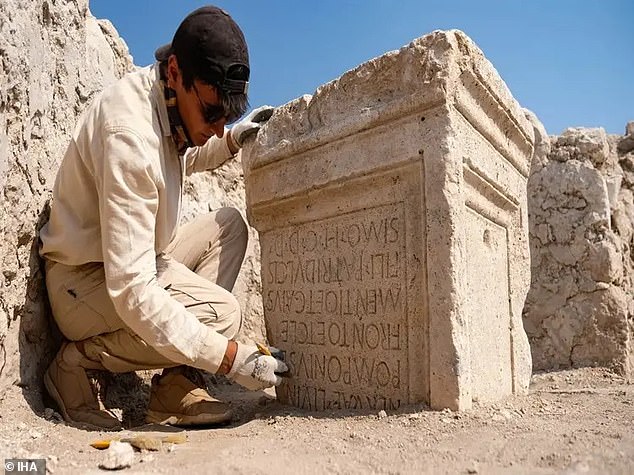
Parts of the basilica were repurposed into smaller chapels, with one altar incorporating a Roman funerary stele. This highlights how successive civilizations adapted the same sacred space for new purposes. The discovery has provided a rare opportunity to connect biblical narratives to archaeological evidence, showing that Lystra was a historical city where early Christian faith and community thrived.
“From the miracle of the lame man to the grand basilica and beyond, the city embodies centuries of devotion, artistry, and cultural exchange,” said Mimiroğlu.
Exploring More Discoveries
Could this newly unearthed colossal structure be the very site of Jesus’ miraculous healing of the blind man in ancient Jerusalem? Could the discovery of early Christian artifacts beneath Khirbet Qana rewrite the history of Jesus’s first miracle in a hidden hilltop haven? What groundbreaking finds reveal the Kharga Oasis as a spiritual hub for early Christians transitioning from pagan beliefs? How do mysterious Christian symbols in Roman ruins uncover Laodicea’s apocalyptic past? Uncovering an ancient world under Thessaloniki: How 300,000 relics, including a Byzantine market, were unearthed!