




The Hidden Struggle of High-Functioning Alcoholism
A hospice nurse shared her personal journey of realizing she had a hidden problem with alcohol. Julie McFadden, who lives in Los Angeles, California, decided to stop drinking at the age of 33 after realizing she had “a thing with alcohol.” However, she found that cutting out alcohol completely made her life worse, which led her to understand she was a “high functioning alcoholic.”
High functioning alcoholics are individuals who can maintain their jobs and responsibilities despite their alcohol use. They often don’t realize they have a problem until it’s too late. Research shows that these individuals can appear to function well in society, but their addiction can still cause significant harm.

According to some estimates, while 75,000 Britons are diagnosed with alcoholism each year, there are approximately 7.5 million people showing signs of alcohol dependence. This indicates a growing concern around the issue of alcohol abuse.
In a video that has been viewed over 1.7 million times, Ms. McFadden shared her story. She said, “I always knew I had a ‘thing’ with alcohol, but I was still functioning pretty well, so who cares, right? Plus, everything else was the problem, not alcohol.”
She continued, “If I just got the right job, if I just moved to the right place, if I just met the right guy, then I wouldn’t drink that much. None of it worked.”
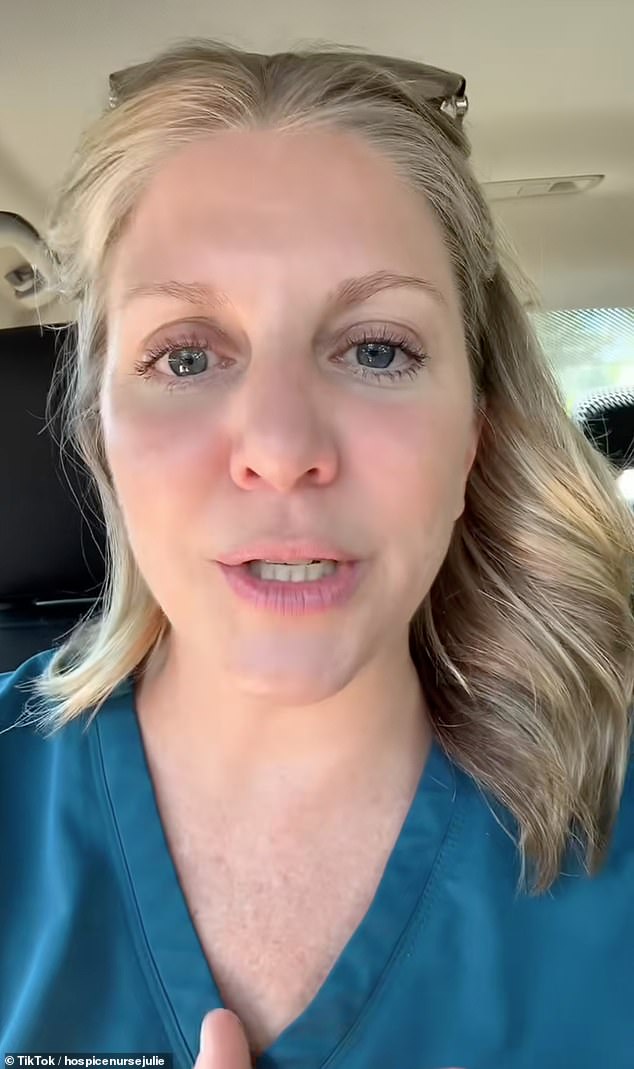
After she stopped drinking, her life seemed to get worse, she explained. “Instead of my life getting better, doing all the things I thought I would do if I quit drinking, my life got smaller,” she added.
“It was harder for me to go out in public and do things, see friends, workout, have hobbies — it was harder for me to do anything. I thought my life was going to flourish. It was the opposite of flourish. I finally did the thing, this amazing thing where I quit drinking. But why isn’t my life better?”
It was only after she opened up about her struggles with friends that she realized she was an alcoholic. “They were not even a close friend, they were an acquaintance, and they were like ‘girl you sound like an alcoholic.’”
She recalled, “I was like ‘what? No.’ She was like ‘No my mum’s an alcoholic. She’s in a 12-step programme. She still goes 30 years after being sober. You need extra help. You need friends. You need to talk to other sober people.’”
“It took a second meeting for me to finally open up and express what was wrong,” Ms. McFadden said. “If you ask for help and are ready for help in a recovery programme you will get it — and that is when my sobriety truly took off.”
She learned more about alcoholism and what it meant to be an alcoholic. “It’s not just about drinking. It’s about thinking.”
Understanding the Risks of Alcohol Consumption
Recent polls indicate that the average Briton drinks roughly 18 units of alcohol a week, which is equivalent to around six pints of 5.2 per cent beer every week or six large glasses of wine. Experts have long warned about the harmful effects of excessive drinking.
Scientists agree that excessive alcohol consumption can permanently damage the liver and lead to various cancers, as well as increase blood pressure. The World Health Organization estimates that alcohol kills three million people worldwide each year.
The NHS recommends that people drink no more than 14 “units” of alcohol—around six glasses of wine or pints of beer—per week. In the US, women are advised to drink no more than seven standard drinks a week, while men can have 14.
Key Points About Alcohol Consumption
- Health Risks: Excessive alcohol consumption can lead to serious health issues, including liver damage, cancer, and high blood pressure.
- Global Impact: Alcohol is responsible for three million deaths annually worldwide.
- Guidelines: The NHS suggests a limit of 14 units per week, while the US sets different limits for men and women.
With the NHS advising limits and experts highlighting that there is no safe level of alcohol consumption, it’s important to consider how risky your alcohol intake might be. Could cutting down to two drinks a week be the lifesaving advice you need?
Why are alcohol-related deaths increasing in the UK, and what steps can you take to avoid becoming a statistic? These questions are becoming increasingly relevant as more people recognize the hidden dangers of alcohol abuse.

