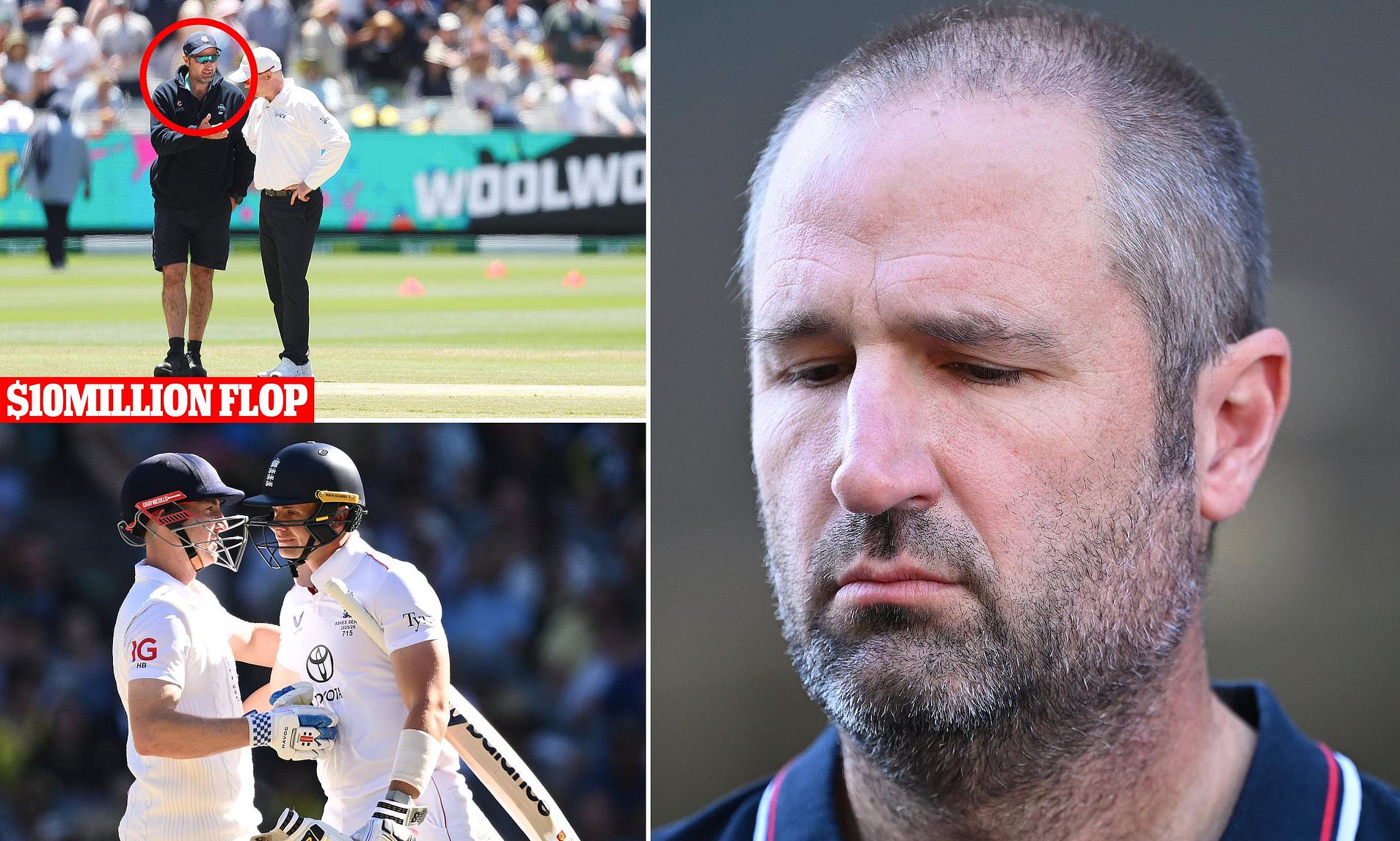

MCG Curator Admits “State of Shock” Over Botched Boxing Day Test Pitch
The head curator of the Melbourne Cricket Ground (MCG), Matt Page, has openly admitted that he and his team made a significant miscalculation in preparing the pitch for the recent Boxing Day Test. The match, which was anticipated to be a thrilling five-day contest, concluded abruptly within two days, leaving fans and Cricket Australia considerably disappointed. Page described himself as being in a “state of shock” following the unprecedented events.
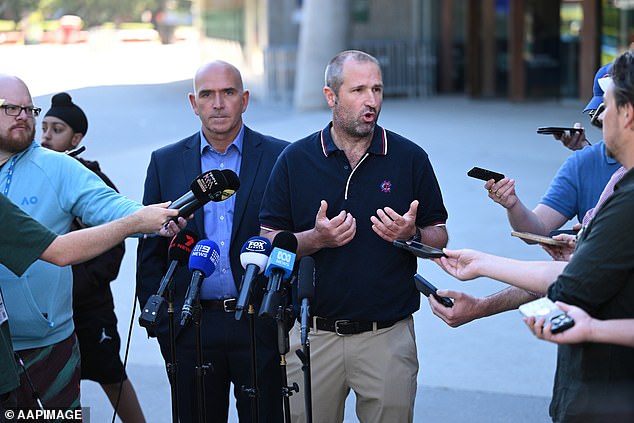
In a highly unusual move for his profession, Page fronted the media on Sunday morning to address the fallout from the farcical scenes in Melbourne. The decision to leave an excessive amount of grass on the pitch, a deliberate choice by Page’s team, effectively robbed spectators of three full days of play and is estimated to have cost Cricket Australia over $10 million in lost revenue.

“I was in a state of shock after the first day, to see everything that happened and 20 wickets in a day, I’ve never been involved in a Test match like it, and hopefully will never be involved in a Test match like it again,” Page stated, reflecting on the dramatic turn of events. He added, “It was a roller-coaster ride for two days to see everything unfold.”
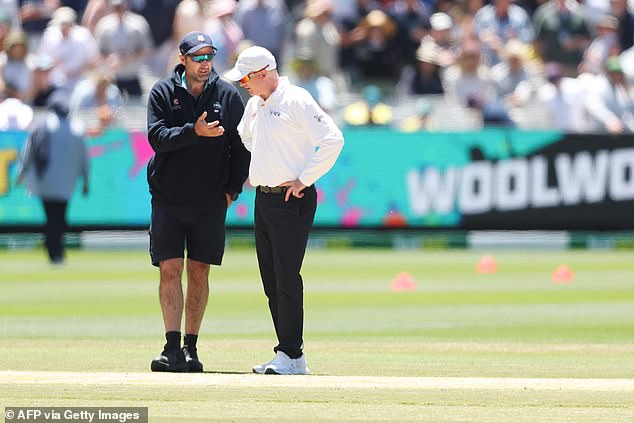
Page defended the decision to maintain 10mm of grass on the wicket, an increase from the 7mm used for last year’s Boxing Day Test against India, which famously went the full five days. His rationale was based on anticipating significant hot weather towards the latter part of the match. “This year we went in with 10mm as we knew we were going to get a lot of hot weather at the back end of the game,” he explained.
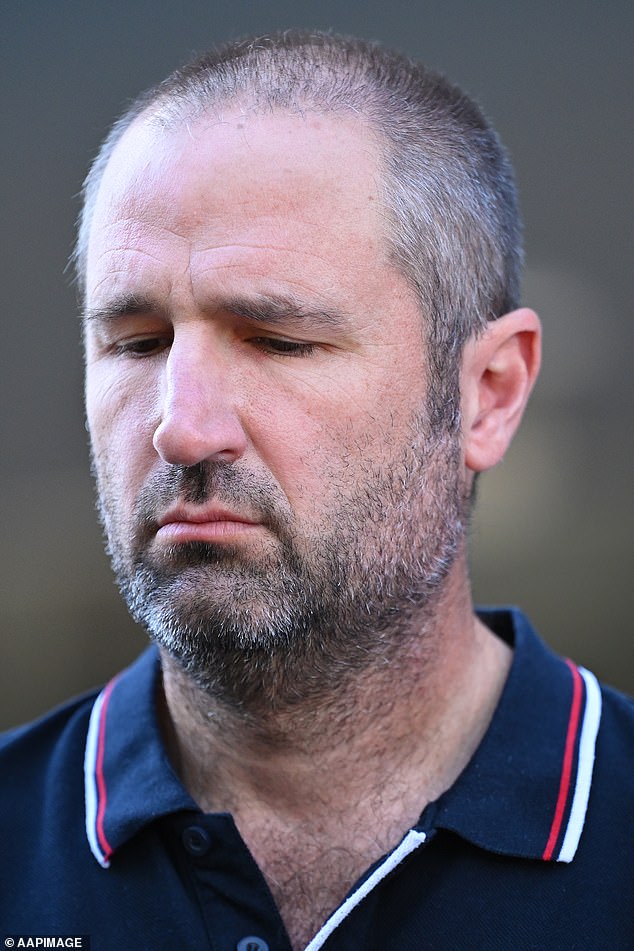
He further elaborated on the groundskeeping philosophy, stating, “We’re really conscious of flat pitches, we don’t want to go back to what we had in 2017 [when it favoured batters far too much]. Our grass is vitally important to what we do.” This statement highlights a proactive approach to avoid pitches that become too conducive to batting, a concern stemming from past experiences.
Despite the widespread criticism of the playing surface, the Melbourne Cricket Club CEO, Stuart Fox, expressed his unwavering support for Page and his team. “Matt and his team have done it before and he’s produced some good pitches, so I’ve got all the faith in the world in Matt and his team,” Fox said on Sunday morning, acknowledging the disappointment but backing the curator’s track record.
Following the second two-day Test of the summer, Australian players were seen signing autographs for fans, a gesture that underscored the disappointment of those who had hoped to witness a more extended match. Cricket Australia is now bracing for a substantial financial blow, particularly after the Ashes opener in Perth also concluded with three days to spare. This marks the first time in 129 years that the same Test series has featured multiple two-day matches.
Millions of dollars in ticket refunds are expected to be issued to patrons who had purchased tickets for day three, a session that was virtually sold out. Prior to the match, Page had expressed his hope of preparing a surface similar to the epic 2024 Test against India, which reached its conclusion in the final session of day five. However, the resulting pitch proved to be a fast bowler’s paradise, rendering spin bowling almost redundant.
The treacherous conditions made batting difficult for both sides, drawing criticism from renowned fast bowlers like Stuart Broad, Glenn McGrath, and Brett Lee, as well as former England captain Michael Vaughan. Even stand-in Australian captain Steve Smith offered his perspective, suggesting a slight adjustment might have yielded a more balanced contest. “Maybe if you took it from 10 to eight mm (of grass), it would have been a nice, challenging wicket, but maybe a little bit more even,” Smith commented. “But groundsmen are always learning and they’ll probably take something from that.”
England captain Ben Stokes, despite securing his country’s first Test win in Australia for 15 years, was candid in his assessment of the pitch, deeming it excessively favourable to bowlers. “Being brutally honest, that’s not really what you want,” Stokes stated. “Boxing Day Test match, you don’t want a game finishing in less than two days. Not ideal.”
The lack of substantial batting performances was evident, with no batter reaching the 50-run mark. Travis Head’s 46 in the second innings stood as the highest individual score, a statistic that highlights the extreme bowling-friendly nature of the pitch. This was the first Test match played in Australia where no batter managed to score a half-century since 1932.
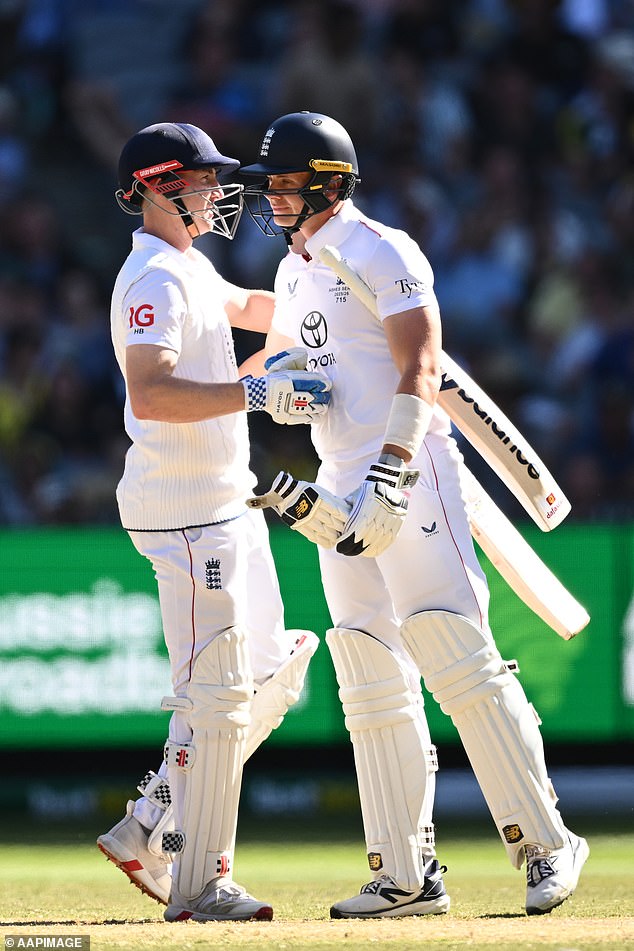
The nature of the pitch led both teams to adopt an aggressive batting approach, as waiting for unplayable deliveries was deemed less effective than taking the initiative. Steve Smith lauded the fearless batting of England’s Harry Brook, who frequently advanced down the pitch and played audacious shots to disrupt the bowlers’ rhythm. Brook’s performance, including a first-innings 41 and an unbeaten 18 in the successful chase, exemplified this strategy.
“Running down the wicket, playing some kind of rogue shots and trying to get the bowlers off their lengths that way,” Smith described Brook’s approach, contemplating whether his own team could have adopted a similar proactive strategy. He acknowledged the inherent risks involved, noting, “Whether we could have been a bit more proactive potentially, and played a few more of those, that’s something we’ll talk about. It’s also a tricky one to do that, you want to try and dig in for your team.”
This rapid Boxing Day Test follows a similar controversy eight years ago when an MCG pitch received a ‘poor’ rating for its lack of action, with only 24 wickets falling over five days in a drawn match. The early conclusion of the current Test grants both Australia and England an additional three days to prepare for the fifth and final Test at the Sydney Cricket Ground (SCG), scheduled to commence on January 4.
Key Takeaways from the MCG Pitch Controversy:
- Curator’s Admission: Head curator Matt Page acknowledged a significant error in pitch preparation, leading to a two-day Test.
- Financial Impact: The shortened match is estimated to have cost Cricket Australia over $10 million.
- Player and Pundit Criticism: Both Australian and English players, along with former cricketers, expressed disappointment with the pitch’s extreme bias towards bowlers.
- Unprecedented Outcomes: The match saw no batter score 50, a first in Australia since 1932, and was the second two-day Test of the summer.
- MCC Support: Despite the outcry, Melbourne Cricket Club CEO Stuart Fox reaffirmed his faith in the curator’s abilities.
- Future Implications: The incident raises questions about pitch preparation standards and potential impacts on fan engagement and revenue in Test cricket.