



A $100 Million Tower Proposal Sparks Controversy in Sydney
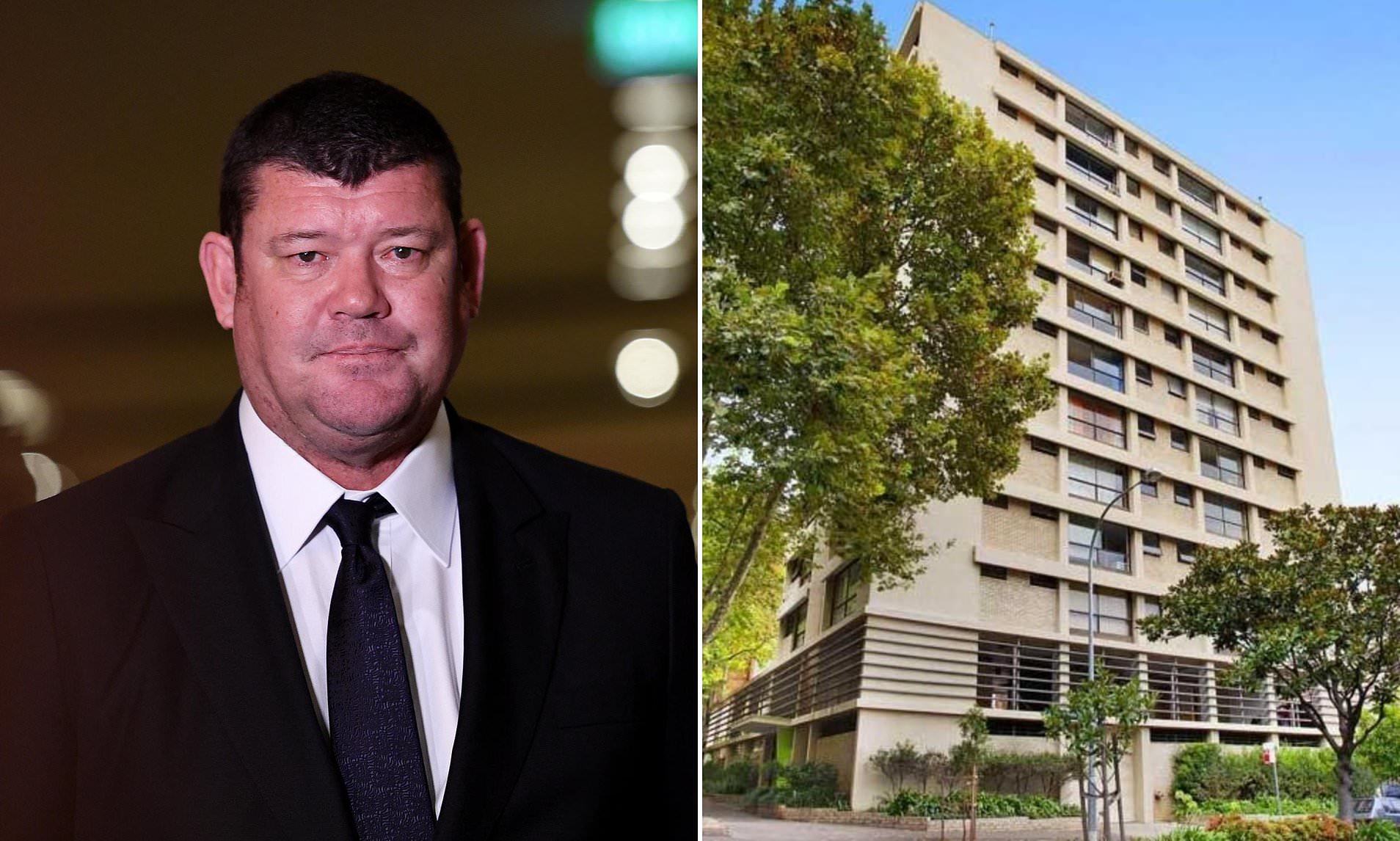
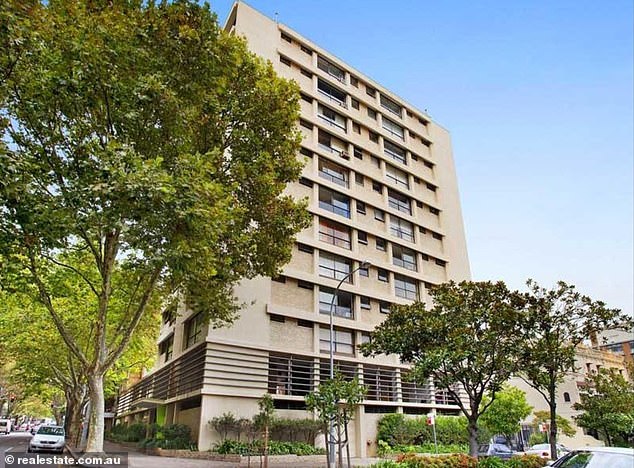
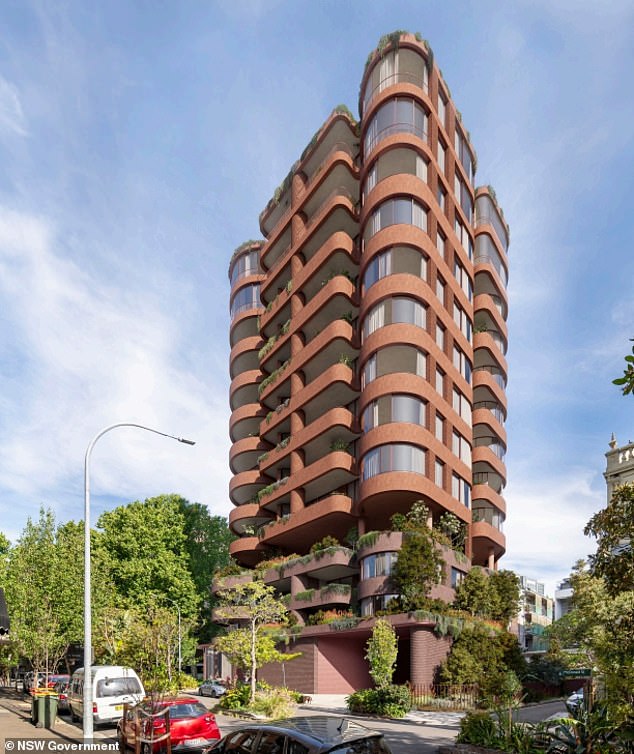
A proposed $100 million luxury apartment complex backed by billionaire James Packer has sparked intense debate among residents of a wealthy Sydney suburb. The development, led by the company Time and Place, aims to construct a 13-storey tower on Macleay Street in Potts Point, an inner-city area known for its high-end properties.
The project includes 34 apartments, parking spaces, and some ground-floor retail areas. Additionally, 15% of the building will be designated as affordable housing, priced approximately 20% below market value. However, local residents argue that the plan threatens to reduce the availability of affordable homes in the region, creating a divide between supporters and opponents of the project.

As of Wednesday, 198 submissions have been submitted to the state government, with only four supporting the proposal in its current form. The development would replace The Chimes complex, which currently houses 80 studios and one-bedroom units along with 27 car spaces. Critics are concerned that the new building would contain fewer than half the number of dwellings compared to the existing structure, with many units likely to be significantly more expensive.
One of the key opponents is the board of the neighboring Macleay Regis building, where James Packer’s sister, Gretel Packer, resides part-time. Their submission highlights the loss of 80 affordable homes, which would be replaced by exclusive apartments aimed at the very wealthy. They also point out that since the introduction of lockout laws in 2014, developers have increasingly targeted apartment blocks in the area to create luxury housing for a select group of residents.
Independent Sydney MP Alex Greenwich also opposes the project, arguing that it undermines the city’s affordability goals. His submission states that the proposal is a “cynical attempt” to exploit housing policies for profit. He claims that the 25 market-priced luxury apartments would not be accessible to the existing residents of The Chimes, including first home buyers, essential workers, and those with low or medium incomes. Even the nine affordable homes would do little to improve overall affordability, as they would likely return to the private market after 15 years.
On the other hand, the developer defended the plan in a report prepared by property consultancy Urbis. The report states that the proposal meets government housing goals by delivering diverse and affordable housing in an accessible location. It emphasizes that the site’s proximity to employment centers, retail areas, open spaces, and social infrastructure (such as schools and hospitals) makes it ideal for development.
The report also addresses concerns raised by residents about potential impacts from adding an extra floor and claims that the tower would complement the surrounding street.
Planning Minister Paul Scully mentioned that the proposal is still in its early stages and highlighted the government’s role in ensuring the inclusion of affordable dwellings. He stated that without the government’s reforms, there was a chance the project might not have included any affordable housing.
The controversy surrounding the project raises important questions about the balance between luxury development and affordable housing in Sydney. As the debate continues, residents and officials alike are closely watching how the proposal evolves and what impact it may have on the city’s housing landscape.

