


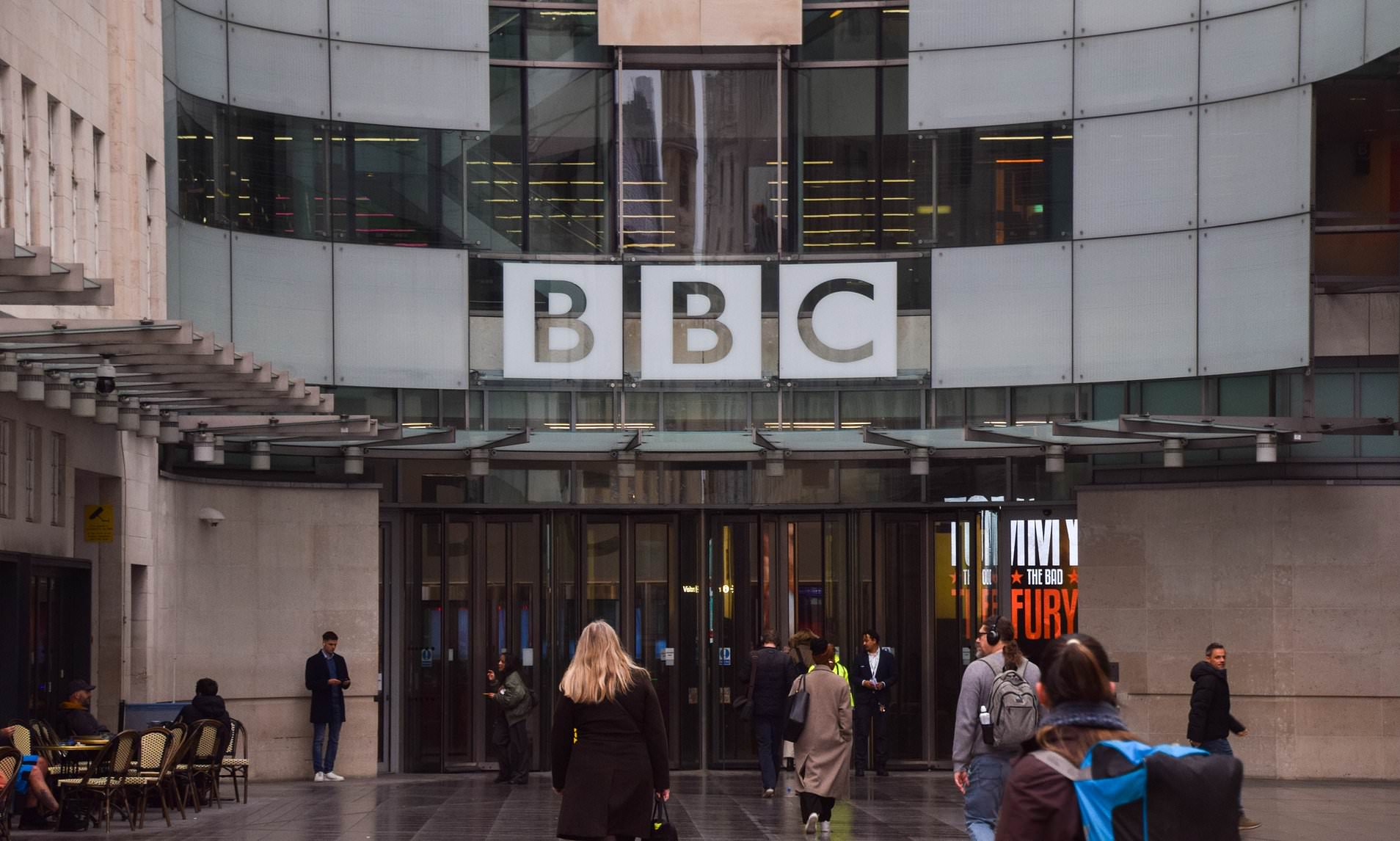

Rethinking BBC Funding: A Proposal to Diversify Revenue Streams
Singapore – The future of the British Broadcasting Corporation’s (BBC) funding model is under intense scrutiny, with government ministers exploring significant reforms aimed at ensuring its long-term sustainability. At the heart of these discussions are proposals that could see a departure from the traditional licence fee model, potentially targeting wealthier households and exploring alternative revenue streams.
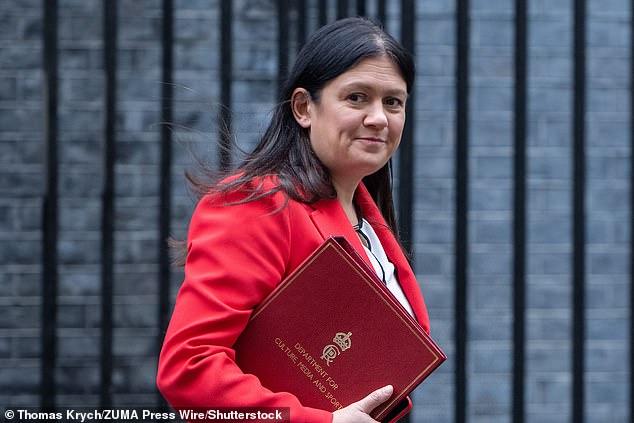
Culture Secretary Lisa Nandy is set to present a series of options in response to growing concerns about declining licence fee payments. Many households are increasingly opting for the convenience and variety offered by popular streaming platforms like Netflix and Amazon Prime, leading to a noticeable drop in licence fee revenue.

Potential Funding Reforms Under Consideration
The government’s proposed reforms, which will be subject to a 12-week public consultation, aim to create a more diversified and robust income for the BBC. Among the key proposals being considered are:
- Progressive Charging: This model would involve households with higher incomes contributing more towards the licence fee, ensuring a fairer distribution of the financial burden.
- Introduction of Advertising: The possibility of incorporating advertisements into BBC programming is being explored as a way to generate additional revenue.
- Subscription Tier System: A tiered subscription model, similar to those used by other media providers, could be implemented, allowing viewers to choose packages based on their preferences and willingness to pay.
These potential changes come at a critical juncture for the BBC, as its current charter is set to expire in 2027. The broadcaster’s total income last year stood at approximately £5.9 billion. Of this, a substantial £3.8 billion was generated directly from the licence fee, which currently stands at £174.50 per year. However, the number of households paying the fee has seen a decline, dropping from 25.2 million in 2020 to 23.8 million presently.
Fortunately, the BBC’s commercial arm, BBC Studios, has been a significant contributor to offsetting this decline. BBC Studios, responsible for producing popular programmes such as “Strictly Come Dancing” and “Doctor Who,” generated an additional £2.2 billion last year, demonstrating the commercial viability of its content.
Leadership Transitions Amidst Funding Talks
The timing of these funding discussions is particularly noteworthy, as they are set to commence next week, ahead of the charter’s expiration. Adding another layer of complexity to the situation is the impending departure of BBC Director-General Tim Davie. He announced his resignation following a controversial incident involving a speech by former US President Donald Trump. The President had threatened legal action against the BBC over the editing of a speech shown in a “Panorama” episode, leading to an apology from the corporation. Negotiations regarding the future funding model are expected to conclude without Mr Davie at the helm.
The BBC has faced a number of other controversies this year, including criticism over the broadcast of anti-Israeli military chants by the punk duo Bob Vylan during the Glastonbury music festival.
The process to appoint Mr Davie’s successor is already underway, with recruitment for his position beginning last month. The aim is to have a new Director-General in place by March, with plans to appoint an interim leader in the meantime.
Internal Scrutiny and Board Allegations
Adding to the internal discourse surrounding the BBC, former newsreader Mishal Husain has raised concerns about potential right-wing bias within the corporation’s board. Ms Husain, who recently departed the BBC after a 26-year career, was responding to accusations of a left-wing bias within the organisation. She asserted that, contrary to these claims, the opposite is true at the board level, suggesting that some members struggle to maintain impartiality.
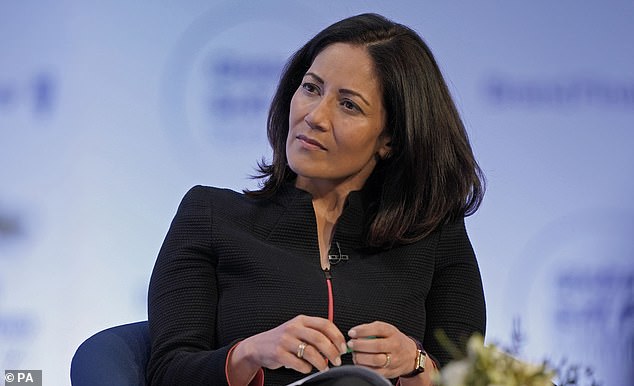
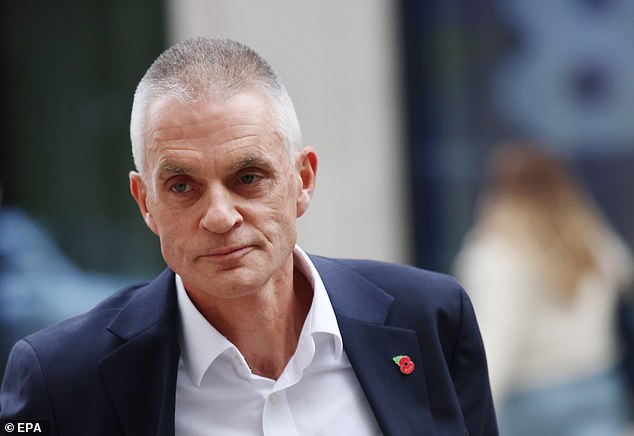
Her comments follow allegations that former Conservative Party spin doctor Sir Robbie Gibb, appointed to the board by Boris Johnson in 2021, was instrumental in a “coup” that led to the resignations of Mr Davie and former head of BBC News, Deborah Turness. Speaking to Radio Times, Ms Husain stated that both Mr Davie and Ms Turness had to contend with board members who were “not impartial.” She emphasised the journalistic principle of leaving personal opinions aside, a standard she believes should also apply to board members.
In response to the proposed funding reforms, the BBC has welcomed the government’s consultation. A spokesperson told The Times that the process “will give the public and the industry an opportunity to have their say on the future of the BBC and shape the UK’s media landscape for the next decade and beyond.” This dialogue is crucial in determining how the BBC will navigate the evolving media landscape and continue to serve its audience in the years to come.

