
A New Chapter for Ben & Jerry’s
New York is witnessing a significant shift in the ownership of the iconic ice cream brand, Ben & Jerry’s. As of November, the company will be under the control of Magnum Ice Cream Co., which is set to be spun off from its current parent company, Unilever, based in London.
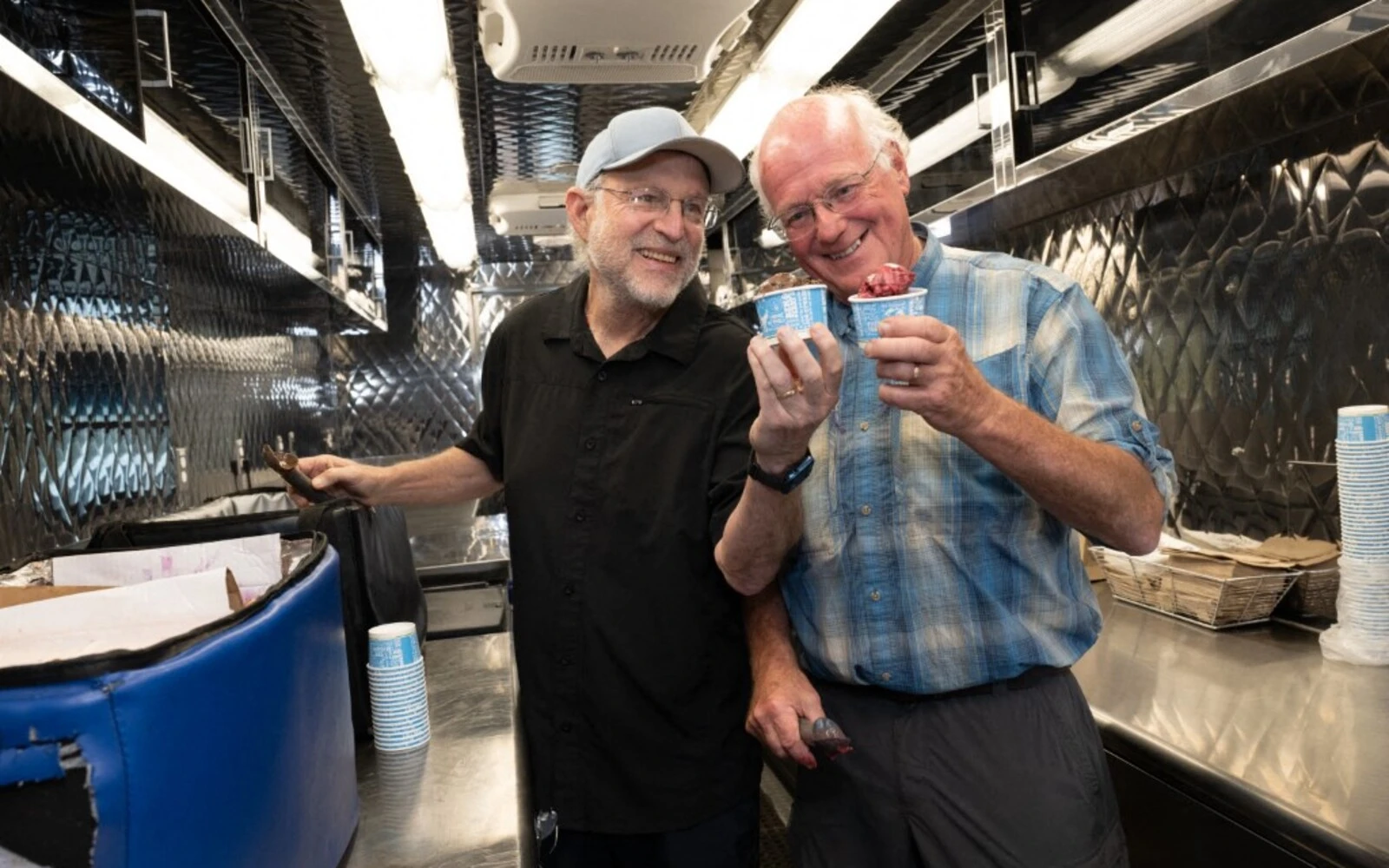
For Ben Cohen, one of the co-founders of Ben & Jerry’s, this change brings a sense of familiarity. He describes it as “meet the new boss, same as the old boss.” Despite the transition, Cohen remains committed to his mission of reclaiming the brand he helped create in 1978.

Cohen has expressed concerns that the ongoing conflict between Ben & Jerry’s and Unilever will persist. He believes that Magnum is restricting the brand’s ability to advocate for progressive causes such as Palestinian rights and U.S. immigration issues.
In a recent lawsuit, Ben & Jerry’s claimed that Unilever violated an agreement that allowed the ice cream maker to maintain an independent board and its social mission. Cohen told Reuters that there is no difference between how Unilever and Magnum are limiting the brand’s voice, noting that both companies have similar tactics.
Magnum responded by stating that they have only reviewed about 2% of the brand’s social media posts over the years. The company emphasized their commitment to working with Ben & Jerry’s teams to craft balanced messages aligned with the original agreement on progressive, non-partisan values.
Unilever and Magnum have previously engaged both co-founders in discussions about strengthening the brand’s values-based position. However, Unilever did not respond to requests for comment.
Peter ter Kulve, who was the former president of Unilever’s ice cream business, is now the CEO of Magnum. According to filings in the lawsuit, he banned the brand from making any statements critical of U.S. President Donald Trump.
Cohen noted that the conflict may intensify after the Magnum spinoff, as Ben & Jerry’s will represent a larger portion of the company’s business. He believes the ongoing conflict is more problematic for Magnum than for Unilever.
Cohen has met with ter Kulve in Vermont, where the company is based, and in Europe. However, efforts to settle the lawsuit have been unsuccessful.
In 2024, Ben & Jerry’s generated approximately €1.1 billion (US$1.28 billion) in revenue, making it the third-largest brand under Magnum, which reported €7.9 billion in revenue during the same period. Unilever, on the other hand, posted revenue of €60.8 billion in 2024.
Cohen is attempting to buy back Ben & Jerry’s for between US$1.5 billion and US$2 billion with a group of investors. However, he claims that Unilever and Magnum are withholding key financial information. He did not disclose the names of the investors.
Magnum stated in a statement that Ben & Jerry’s is not for sale. Cohen remains determined to continue his efforts to reclaim the brand.
He criticized the companies for benefiting from Ben & Jerry’s sales and profitability without supporting the brand’s social mission.
Founded by Cohen and his business partner Jerry Greenfield, Ben & Jerry’s gained national recognition for its whimsically named flavors inspired by 60s-era psychedelia. For example, “Cherry Garcia” was named after the Grateful Dead’s lead guitarist, Jerry Garcia. Another flavor, the discontinued “Wavy Gravy,” was named after the entertainer-peace activist who made announcements at the Woodstock music festival in 1969.
Cohen and Greenfield sold the brand to Unilever in 2000. Greenfield recently stepped down from his role as brand ambassador in protest against Unilever’s actions.
The tensions between Ben & Jerry’s and Unilever escalated in 2021 when the brand decided to stop selling in the West Bank. This decision highlighted the ongoing struggle between the brand’s values and its corporate owners.