



The Antarctic Circumpolar Current: A Vital Ocean Conveyor
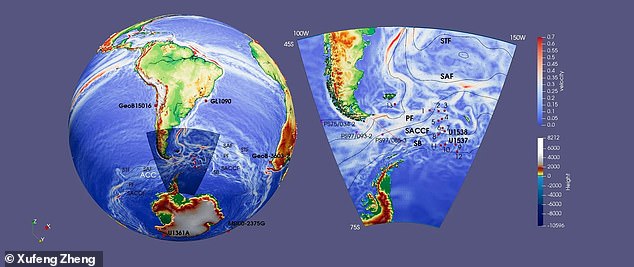
The Antarctic Circumpolar Current (ACC) is the largest ocean current in the world, stretching across the globe and connecting the Atlantic, Pacific, and Indian Oceans. It is five times stronger than the Gulf Stream and 100 times larger than the Amazon River. This powerful current plays a critical role in regulating the Earth’s climate by transporting heat, dissolved carbon, and nutrients around the planet.
However, a recent study has revealed that this vital system is experiencing a significant slowdown. Scientists from the University of Bonn analyzed core samples and found that the ACC is now running three times slower than it was 130,000 years ago. If this trend continues, it could lead to severe consequences for the global climate and ecosystems.

Understanding the ACC’s Role
The ACC is driven primarily by westerly winds, which allow the current to circulate around Antarctica. This circulation helps distribute heat and nutrients across the oceans, influencing regional temperatures and supporting marine life. Without the ACC, the global climate system would be significantly disrupted.
Dr Bishakhdatta Gayen, an associate professor at the University of Melbourne, warned that if the ACC “engine” breaks down, there could be more climate variability, with greater extremes in certain regions, and accelerated global warming due to a reduction in the ocean’s capacity to act as a carbon sink.
How the ACC Has Changed Over Time
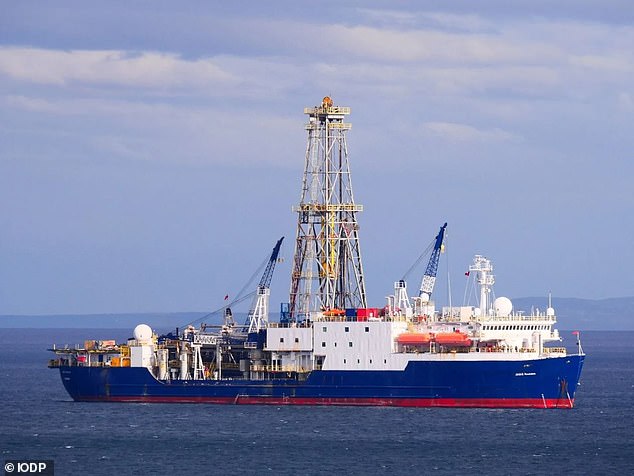
For many years, the changes in the ACC’s speed and position have remained unclear. However, researchers from the University of Bonn have shed light on this mystery by analyzing sediment samples collected in the Scotia Sea north of Antarctica. Their findings show that during the second-to-last warm period, roughly 130,000 years ago, the ACC was more than three times faster than it is today.
While the exact reason for this slowdown is still unknown, the researchers suggest that differences in Earth’s orbit around the sun may be a contributing factor. The Earth’s elliptical orbit and axial tilt change over time, affecting the intensity of solar radiation and, consequently, wind patterns that drive the ACC.
What Is the Antarctic Circumpolar Current?
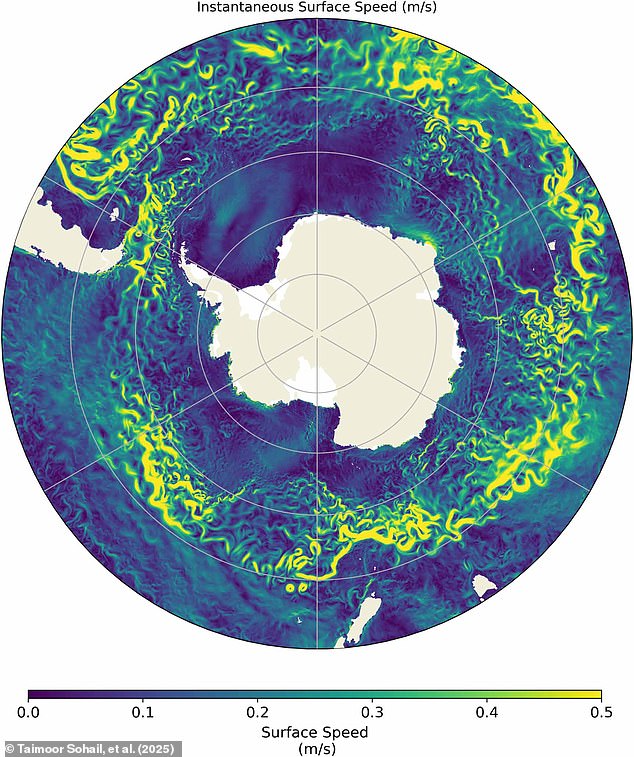
The ACC is the largest ocean current in the world, moving 173 million cubic metres of water every second in an unbroken ring around Antarctica. It flows from east to west, connecting the Atlantic, Pacific, and Indian Oceans. This unique circulation allows the ACC to transport heat, dissolved carbon, and nutrients between the oceans, playing a crucial role in maintaining the stability of the global climate and weather systems.
Scientists believe that the ACC helps regulate the Earth’s climate by creating a pattern of radiation intensity from the sun that influences wind speeds and, therefore, the speed of wind-driven currents like the ACC. This could explain why the current was much faster 130,000 years ago, even though the climate appeared similar to today’s.
Human Impact on the ACC
In addition to natural factors, human activity is also contributing to the slowdown of the ACC. Researchers from the University of Melbourne used Australia’s fastest supercomputer to simulate how the ACC will respond to a warming climate. Their findings suggest that human-caused climate change could slow the ACC by an additional 20% by 2050.
This is a surprising result, as scientists previously thought that the ACC would become faster as the planet warmed. Warmer air typically produces faster winds, and warm water is less dense. However, the simulations showed that the melting of ice shelves in Antarctica is having a significant impact on the ACC.
As ice melts, it releases large amounts of cold, fresh water into the oceans. This fresh water fills the deep oceans and counteracts the effects of ocean warming, leading to a slower current.
Consequences of a Slower ACC
If the ACC continues to slow down, it could have dramatic and devastating effects on the global climate. The ACC helps circulate nutrients around Antarctica, which supports fish populations that global fisheries rely on. It also acts as a barrier, preventing warm water and invasive species from reaching Antarctica.
If this barrier weakens, more warm water could reach the Antarctic sea ice, accelerating ice melt and further slowing the current. This could lead to widespread disruption of global climate patterns and reduce the oceans’ ability to help regulate world temperatures.
The Antarctic Ice Sheet contains around 90% of the Earth’s fresh water and has the potential to cause massive increases in sea levels if it melts. While researchers do not believe the ice sheet will disappear anytime soon, even modest accelerations in sea level rise could be catastrophic for the 230 million people who live within three feet of the high tide line today.

