
Discovering the Potential of Stevia in Hair Growth
A recent study has revealed that a natural sweetener commonly found in various food and beverage products may hold the key to promoting hair growth. This sweetener, known as stevia, is widely used in over 40,000 products globally. It contains compounds called steviosides, which are responsible for its sweetness.
Australian researchers have discovered that when these compounds are combined with minoxidil, a popular over-the-counter hair loss treatment, they could potentially enhance hair regrowth. Minoxidil, also known as Rogaine, is a widely used and affordable treatment in the United States, with an estimated 40 million Americans using it annually.

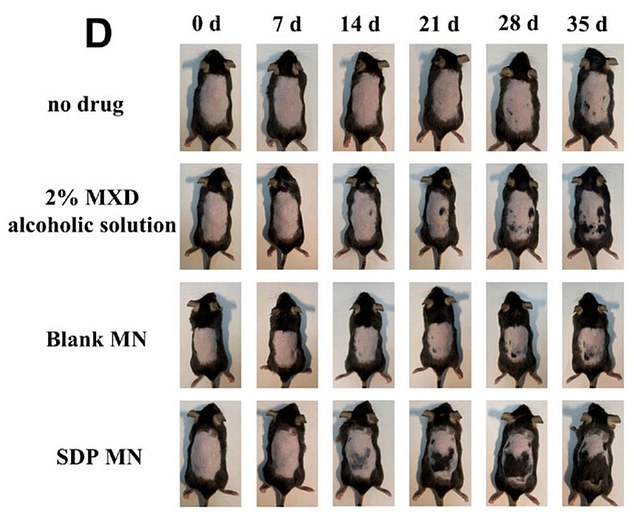
In experiments conducted on mice, scientists applied a microneedle patch infused with a combination of minoxidil and steviosides to the animals’ bald backs daily for a month. The results showed that this mixture triggered new hair growth across 67.5% of the mice’s backs by the end of the experiment. In contrast, mice treated with the standard two percent minoxidil solution without steviosides only experienced regrowth over 25% of the bald area.
Dr. Lifeng Kang, a pharmacist at the University of Sydney who led the research, stated: “Using stevioside to enhance minoxidil delivery represents a promising step toward more effective and natural treatments for hair loss, potentially benefiting millions worldwide.”
Although the exact mechanism by which stevia extracts promote hair growth is not yet clear, researchers suggest that it might be due to the ability of steviosides to help the body absorb more of the minoxidil, thereby increasing the drug’s effectiveness.
How Minoxidil Works
Minoxidil works by stimulating blood flow to hair follicles on the scalp, prolonging their growth phase, and encouraging new strands of hair to grow. It is typically applied topically as a gel or foam. However, due to poor skin absorption, users must apply the drug twice a day, often for six months or more, before seeing results.
The drug is generally safe but can cause side effects such as swelling in the hands and feet, chest pain, increased facial and body hair growth, and nausea and vomiting. Oral administration of minoxidil allows for better absorption into the bloodstream, but some patients avoid this option due to concerns about potential side effects, including unwanted hair growth in other parts of the body.
Several small studies have indicated that patients using oral minoxidil are about twice as likely to experience hypertrichosis compared to those using the topical version. While both forms are equally effective, some research suggests that the oral version may be more effective due to higher absorption rates.
Enhancing Absorption of Topical Minoxidil
Researchers have previously attempted to improve the absorption of topical minoxidil by adding alcohol and propylene glycol to the medication. However, this has led to side effects such as itching, rash, and dandruff.
In the new study published in the journal Advanced Healthcare Materials, the team tested four treatment groups on mice with bald backs. These groups included no drug, a two percent MXD alcoholic solution, a blank microneedle patch, and a microneedle patch containing minoxidil and steviosides.
Microneedle patches have been shown to help reverse hair loss by boosting blood flow to bald areas, causing some hair follicles to regrow. In the group receiving the microneedle patch with minoxidil and steviosides, the researchers observed significant hair growth by day 14, with the area continuing to expand rapidly by day 35. No side effects were recorded during the study.
Further research is needed to confirm these findings in humans. The study was conducted on mice, and experts caution that the effects of stevia extracts mixed with minoxidil in humans are not yet clear. Consuming more products containing stevia is unlikely to prompt extra hair growth.
Other Developments in Hair Loss Treatments
Stevia is used in many diet sodas, including Coca-Cola Zero Sugar, Zevia, and zero-sugar water drops. It is also found in ice creams, protein bars, and as a sugar alternative for coffee and tea.
While stevia is largely considered safe, animal studies have suggested it could cause an imbalance in the gut microbiome, raising the risk of immune system problems. Some studies have also linked its use to depression.
Hair loss affects a significant portion of the population, with estimates suggesting that by age 35, about two-thirds of men will experience some form of hair loss, and this number rises to 85% by the age of 50. Among women, more than 50% will experience notable hair loss at some point in their lives.
New Breakthroughs in Hair Regrowth
Recent developments in hair loss treatments include a new medication called PP405, which has shown promising results in triggering hair regrowth within eight weeks. In a phase 2a trial, participants using a gel containing PP405 saw hair begin to regrow by week eight, with 31% of users experiencing a greater than 20% increase in hair density.