
A Glimpse Inside Sizewell B Nuclear Power Plant
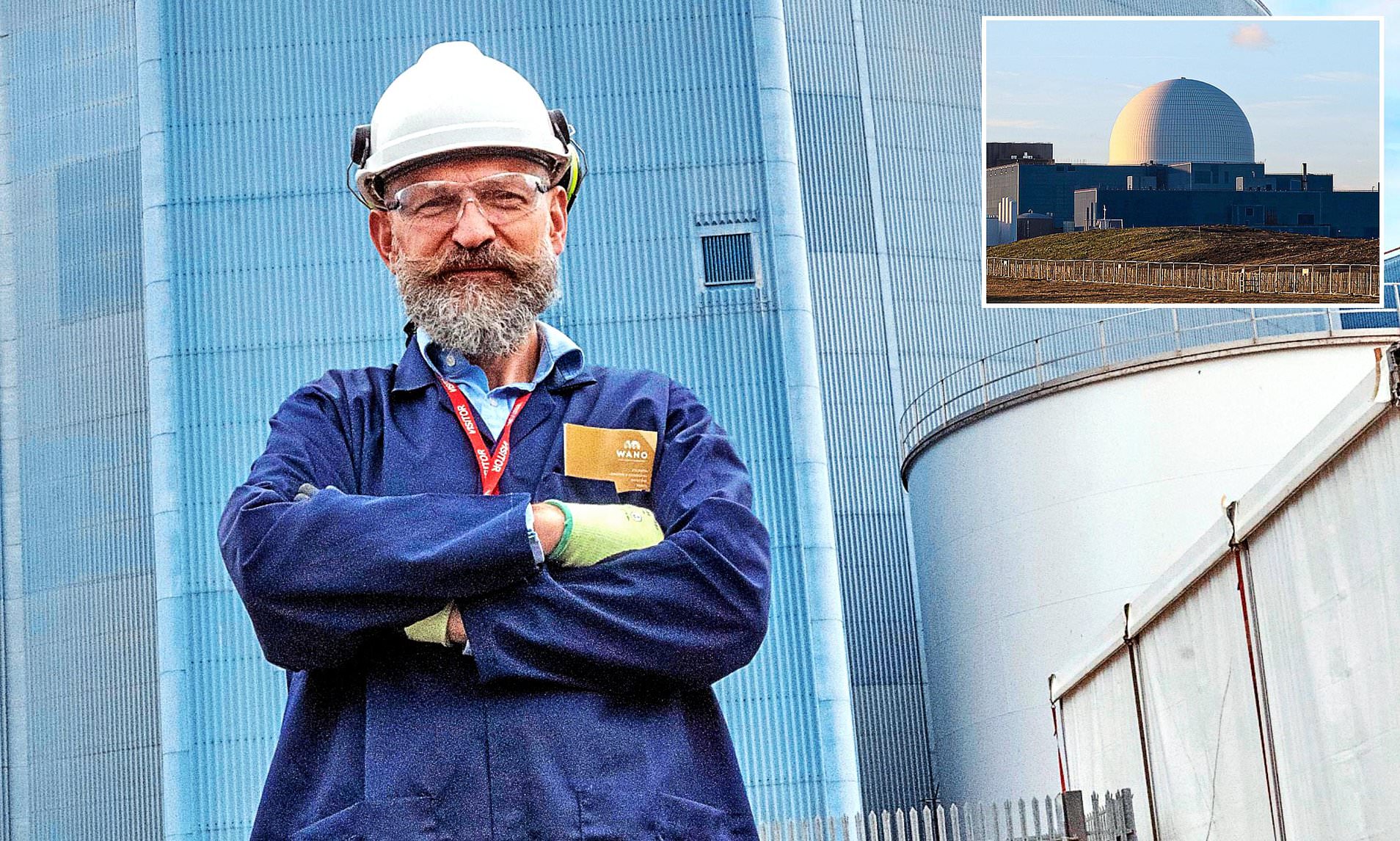
The Sizewell B nuclear power plant, located along the Suffolk coastline, is a massive structure that stands as a testament to modern engineering. Its white dome is larger than that of St Paul’s Cathedral and is designed to withstand a plane collision, which is essential given that it houses the UK’s only pressurised water reactor. This reactor splits uranium atoms to generate nuclear energy, making it a critical part of the country’s energy infrastructure.
John, our photographer, and I were not allowed inside the facility initially. However, after passing through strict security checks and donning safety gear such as coats, shoes, hard hats, earmuffs, and goggles, we were granted access to the turbine hall. As we entered, Chris O’Shea, 52, the chief executive of Centrica, the parent company of British Gas, sprinted ahead up what seemed like an endless set of stairs to the top of the building.

O’Shea, with his exuberant beard reminiscent of an Edwardian dandy, claims his inspiration is Ron Burgundy, the fictional newsreader from the film Anchorman. His marathon-running background explains his quick ascent. He is a strong advocate for nuclear power, a stance that has shifted from previous leadership at Centrica.
“Ten years ago, people thought nuclear was a dying technology, but there has been a renaissance,” O’Shea states. In the summer, he announced that Centrica would take a 15% stake in the new Sizewell C plant being built next to Sizewell B. The project is estimated to cost £40 billion.
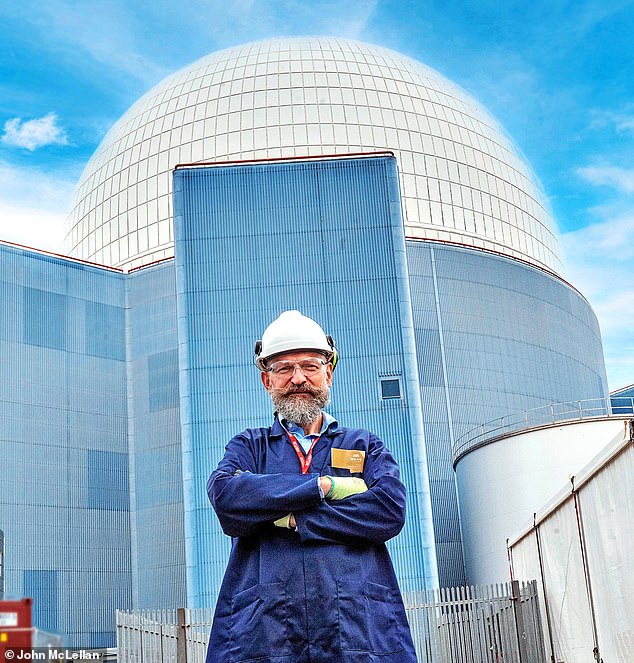
“Sizewell C will probably run for 100 years,” O’Shea says. “The person who will take the last electron it produces has probably not been born. We are very happy to be the UK’s largest strategic investor.”
This shift marks a departure from previous Centrica leaders who avoided new nuclear projects due to risks and uncertain returns. O’Shea explains, “We tried to sell our share of the nuclear power stations we own today, but personally, I didn’t understand it. I thought it was a flawed strategy.”
He believes that investing in nuclear power is part of a broader strategy to invest in UK energy infrastructure. “It will result in more stable revenues for the company and lower prices for customers,” he adds. This is especially relevant in an energy market known for its volatility.
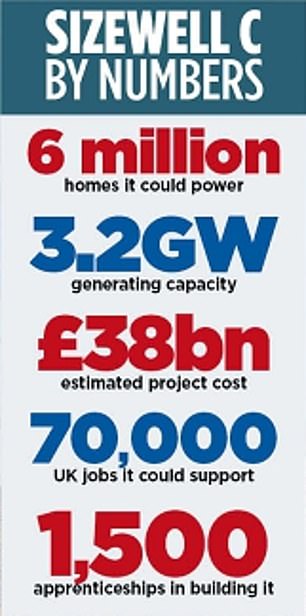
O’Shea acknowledges the risks that deterred his predecessors, but he argues that a government-backed financial model ensures reliable returns. Despite this, nuclear power remains controversial. Local groups oppose the construction, citing environmental concerns and questioning the economic benefits. Critics also highlight the potential for catastrophic accidents and the challenge of managing radioactive waste.
Sizewell is part of a broader program of investments in UK energy infrastructure, including liquefied natural gas (LNG), hydrogen storage, and gas from the Irish Sea. O’Shea’s bold approach contrasts with the general reluctance to invest in the UK.
When he took over as CEO in 2020, the business was in poor financial and operational shape. “A radical overhaul was required,” he recalls. Now, the company is in a better position to invest.
Major initiatives include a £200 million stake in the LNG terminal at Isle of Grain in Kent. The belief is that LNG, with fewer greenhouse gas emissions than other fossil fuels, will play a significant role in the UK’s future energy mix.
O’Shea is also hopeful about plans to develop the Rough gas storage facility in the North Sea, which he re-opened in 2022. The project involves a £2 billion investment to create the world’s largest gas storage facility, potentially creating 5,000 jobs.
He is also backing a £10 billion plan to build the UK’s first advanced modular reactors in partnership with X-energy of the US. The project, set in Hartlepool, aims to create 2,500 jobs in a town with high unemployment.
O’Shea’s journey from a council estate in Glenrothes to becoming a CEO is marked by perseverance. After struggling to secure a training contract with an accountancy firm, he eventually found his footing. He feels it is a duty for bosses to help young people start their careers, and Centrica is committed to creating one new apprenticeship for every day of this decade.
There is a down-to-earth quality to O’Shea, who turned down six-figure bonuses in three of his years as CEO to support customers. His total package in the most recent financial year was £4.3 million.
Funding Sizewell C costs consumers about £1 a month on their home energy bill, but in the long term, it could deliver savings of £2 billion a year across the British electricity system. It also reduces reliance on undemocratic regimes, as seen with Russia before its invasion of Ukraine.
“I do worry about the ability of people to afford the basic essentials in life,” O’Shea says. “Rent or mortgage, council tax, food, energy, water, transport – it is a real worry and something we as a country have to figure out how to solve.”
Centrica investors have seen their shares rise by more than 300% since O’Shea took over. The question now is whether his investments in Britain will indeed lead to lower energy costs and higher growth. Each of us has a big stake in the answer.