
The Evolution of ChatGPT: A New Era in Digital Interaction
ChatGPT is no longer confined to its original role as a text-based AI. It’s now “coming out of its box,” with some experts suggesting that our online activities could one day be filtered through it. This shift marks a significant change in how we interact with digital services.
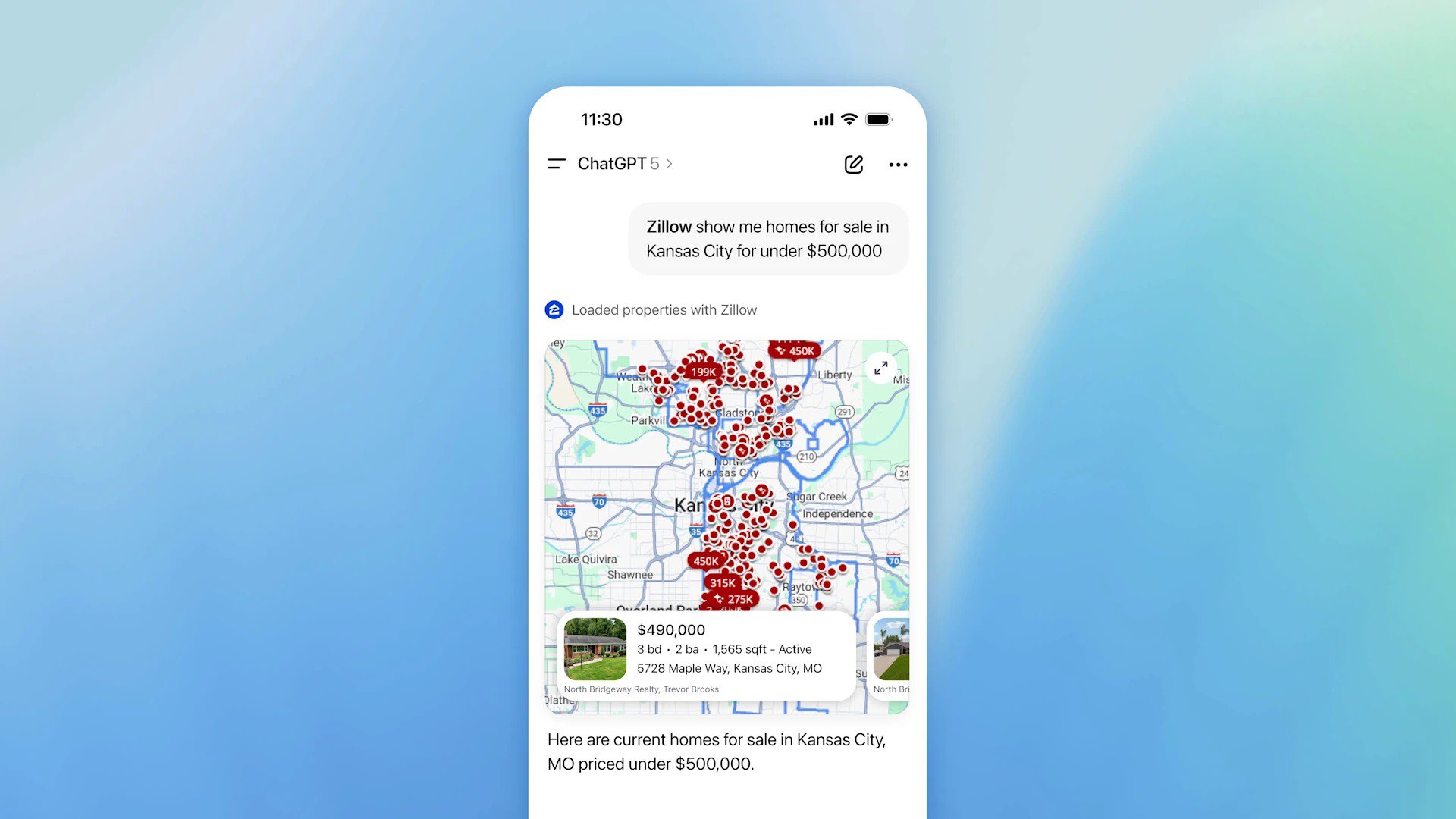
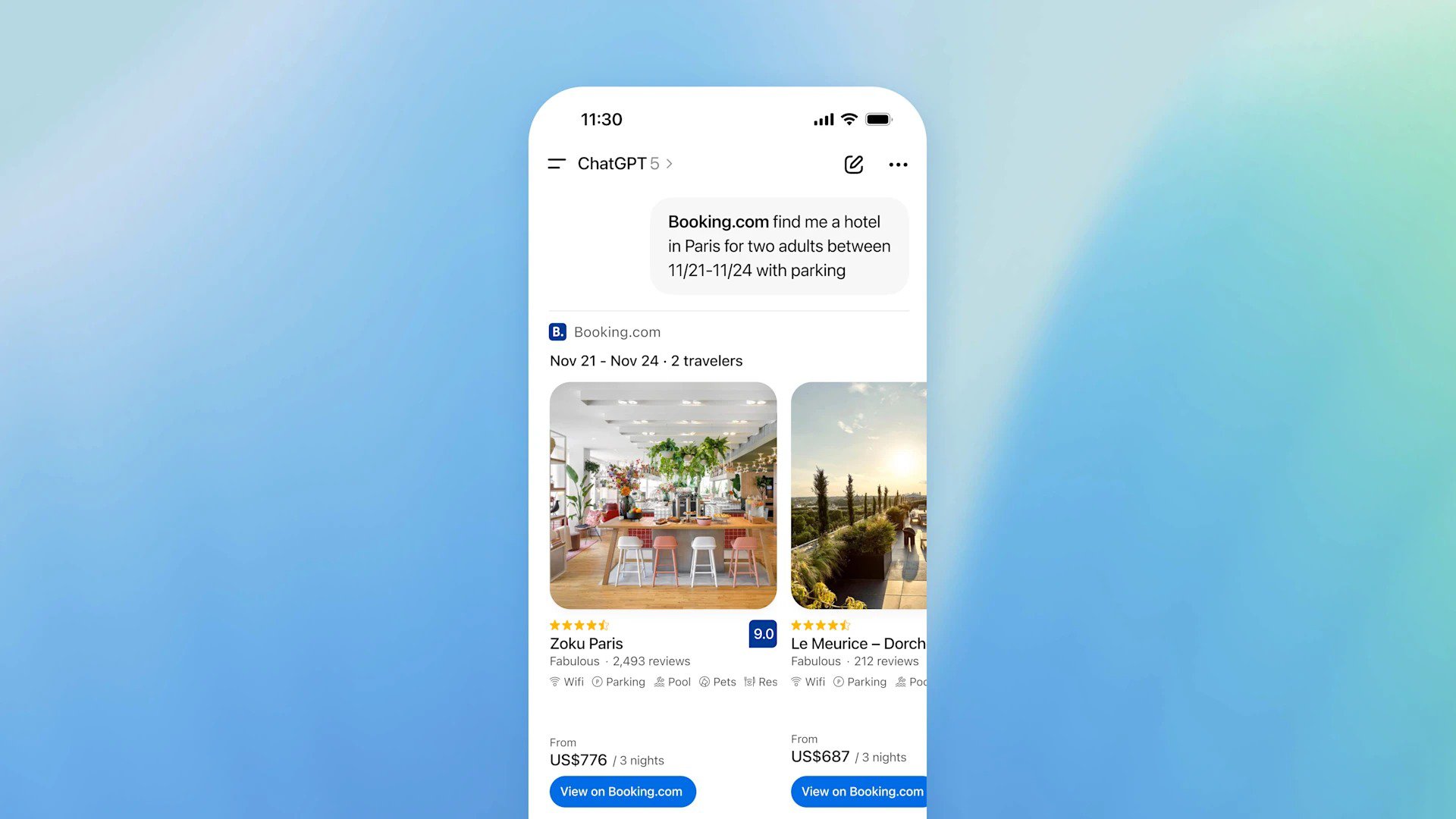
OpenAI recently announced that users can now engage with other apps like Spotify, Booking.com, and Expedia without leaving the chatbot. This development has sparked immediate discussions about the potential for ChatGPT to evolve into a browser or operating system. Instead of visiting websites and filling out forms manually, users might simply tell the AI what they need.

Jonathan Aitken, an expert in AI and robotics at Sheffield University, believes this future is possible but not imminent. He highlights the concept of a “black hat” scenario where AI becomes a central entity that does everything. However, he notes that such a transition would face considerable resistance from individuals who prefer to maintain control over their digital lives.
Despite these concerns, the idea of an “everything” app isn’t entirely far-fetched. Elon Musk has already expressed ambitions to make X a hub for payments, messaging, and commerce, similar to WeChat in China. For now, the focus remains on enabling users to interact with apps and websites in new ways. For instance, booking a holiday could involve telling the AI what you want within its ecosystem instead of navigating standalone travel sites.
Dr. Aitken observes that within his university, ChatGPT has become a go-to resource for students, though many peers remain skeptical. Some may avoid using it due to concerns about energy usage or the underlying models. He doubts that everyone will adopt ChatGPT exclusively, leading to the disappearance of the web.
Potential Risks and Concerns
If ChatGPT were to act like an operating system, allowing users to interact through speech rather than clicking buttons, it might not necessarily be beneficial. From a systems analysis perspective, a single point of failure is a significant risk. Dr. Aitken warns that relying too heavily on a centralized AI could lead to vulnerabilities.
OpenAI has also introduced tools for developers to make their services compatible with ChatGPT. Depending on demand, companies might prioritize their AI offerings over traditional websites. However, Dr. Aitken cautions that users could become frustrated if they lose the ability to access platforms like Booking.com directly.
Another concern is the potential for biased results when AI filters information. Users might not realize that certain options are being excluded, especially when financial stakes are involved. Dr. Aitken emphasizes that the issue lies not in what the AI presents but in what it omits.
Transparency and Control
Describing ChatGPT as a “black box that chucks out answers,” Dr. Aitken points out that even developers struggle to understand how the AI generates responses. With billions of parameters influencing decisions, tracing the reasoning behind each answer is nearly impossible.
Using the example of searching for a holiday, he explains that multiple travel firms might use ChatGPT as a platform. The question then becomes which one the AI prefers and why. This lack of transparency raises concerns about fairness and user awareness.
Dr. Aitken advises users to remain skeptical of the answers provided by AI and to conduct their own research. He also highlights the hidden cost associated with increased reliance on AI, particularly the energy required to produce solutions.
In August, reports indicated that ChatGPT uses 148 million liters of water daily to cool data centers. Asking it 20-50 questions consumes around 500ml of fresh water, underscoring the environmental impact of AI technologies.
Expanding App Integration
Currently, ChatGPT supports apps such as Spotify, Canva, Zillow, Figma, Expedia, Booking.com, and Coursera. More services, including AllTrails, DoorDash, Instacart, Khan Academy, OpenTable, Peloton, Target, The Fork, Thumbtack, Tripadvisor, and Uber, are set to join soon.
OpenAI stated that this is just the beginning of app integration within ChatGPT, aiming to bring new utility to users and opportunities for developers.