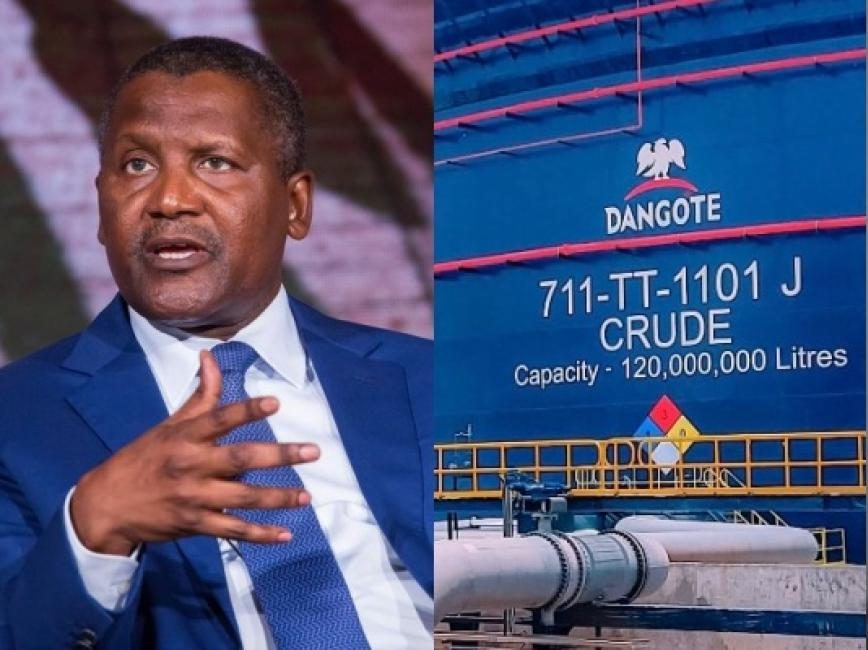

Dangote Refinery Slashes Petrol Price, Industry Calls for Increased Crude Supply
The Nigerian petroleum landscape is experiencing a significant shift as the Dangote Petroleum Refinery has implemented a substantial reduction in its petrol gantry price. This move, which saw the price of Premium Motor Spirit (PMS) drop from N828 to N699 per litre, has been met with a mix of appreciation from consumers and a plea from local refineries for greater crude oil allocation.
The price cut, announced on Friday, comes just days after the Dangote refinery assured Nigerians of ample fuel availability to prevent queues during the festive Yuletide season. Industry insiders suggest that this latest reduction could push pump prices down to as low as N750 per litre, marking the lowest point since Nigeria fully deregulated its petroleum sector in 2024.

This development has been described as a “shocker” by petroleum marketers who are still engaged in importing PMS. It is not the first time the Dangote refinery has been accused of strategically lowering prices, with previous instances noted when imported fuel shipments were en route to Nigeria. Data from Petroleumprice.ng indicates that while Dangote has set its ex-depot price at N699, other traders are still quoting prices above N800 per litre. Hammed Fashola, the Vice President of the Independent Petroleum Marketers Association of Nigeria (IPMAN), confirmed the price cut on Friday.
While Dangote refinery officials have unofficially confirmed the development, it’s understood that the refinery has faced scrutiny from regulators. Some marketers had previously reported the 650,000-barrel-per-day facility to the regulator, questioning its authority to dictate price reductions to filling stations. Consequently, the refinery has reportedly been cautious about being perceived as a price-setting entity.
Local Refineries Commend Dangote, Urge Government Support
In response to the price reduction, the Crude Oil Refineries Association of Nigeria (CORAN) has lauded the Dangote Petroleum Refinery for its recent success in boosting domestic PMS refining and for implementing the significant decrease in the ex-depot price of petrol. CORAN highlighted that this achievement, occurring as Nigerians prepare for the festive season, offers much-needed relief to households and businesses nationwide.
In a statement issued by its spokesman, Eche Idoko, CORAN expressed pride in the Dangote refinery’s continued leadership in Nigeria’s refining sector. The association stated that the recent price slash not only demonstrates operational excellence but also underscores the refinery’s commitment to alleviating the economic strain caused by high fuel costs.
“Achieving this at such a critical time further underscores the refinery’s heart for the Nigerian people,” the statement read. CORAN specifically celebrated Aliko Dangote, the Chairman of the Dangote Group, along with the refinery’s management and staff, for their “laudable feat.” The association commended their resilience, innovation, and dedication for setting a benchmark for the nation’s refining ambitions.
CORAN also extended its gratitude to President Bola Tinubu for his administration’s support for domestic refineries, particularly through ongoing reforms and policy initiatives aimed at enhancing Nigeria’s energy security. The association urged the Presidential Team on Energy and Petroleum Resources to maintain their commitment to the domestic refining sector.
A Call for Sustained Reforms and Crude Allocation
CORAN firmly believes that Nigeria’s modular and mega refineries are pivotal to unlocking broad-based economic growth by 2026. To solidify these gains, the association appealed to the Presidency to continue with oil and gas sector reforms with renewed vigour. Key areas of focus include:
- Ensuring Adequate Feedstock Supply: A consistent and sufficient supply of crude oil to local refineries is crucial for sustained operations and price stability.
- Providing Fiscal Incentives: Attractive fiscal policies are needed to encourage further investment in the domestic refining industry.
- Protecting the Domestic Refining Industry: The sector should be recognized and protected as a strategic national asset.
The association noted that this is the first time since the administration of the late President Umaru Yar’Adua that Nigerians are witnessing a notable reduction in fuel prices during a festive period, coupled with assurances of availability and zero scarcity. CORAN described this moment as both historic and encouraging.
The association urged the Dangote refinery to maintain this positive momentum and its commitment to national energy stability. Furthermore, CORAN encouraged all its member refineries to persevere through current challenges, stating, “The future of the African petroleum market is ours to shape, and together, we will build a strong, competitive, and sustainable petroleum ecosystem for Sub-Saharan Africa.”
Market Dynamics and the Future of Fuel Pricing
The Dangote refinery’s consistent price reductions have been a point of contention for importers and depot owners. In September, the Depot and Petroleum Product Marketers Association of Nigeria (DAPPMAN) voiced opposition to the Dangote refinery’s plan to lower petrol pump prices. DAPPMAN’s Executive Secretary, Olufemi Adewole, argued that portraying these price cuts as purely patriotic gestures overlooked their timing and market impact.
Adewole explained that price reductions were often strategically implemented when other importers had significant fuel cargoes at sea or in storage, leading to price shocks that undermined fair competition and placed financial strain on fellow market participants, including Dangote’s domestic customers. This, he contended, contradicted claims of prioritising Nigerians and burdened domestic businesses operating on thin profit margins.
Despite these concerns from some industry players, ordinary Nigerians have largely welcomed the Dangote refinery’s efforts to make fuel more affordable. Many have expressed hopes for further price reductions. The Dangote refinery’s pricing strategy is expected to pressure other marketers, including the Nigerian National Petroleum Company Limited (NNPC), to follow suit with their own price adjustments.
Historically, before the Dangote refinery commenced petrol production, the NNPC was the sole arbiter of fuel prices in Nigeria. As the primary importer of petrol, particularly during the era of fuel subsidies, the NNPC’s pricing decisions dictated the market. However, the emergence of the 650,000-barrel-per-day Dangote refinery, which is currently the only operational petrol-producing refinery in the country, appears to have shifted this influence.
Petrol prices had surged dramatically to around N1,200 per litre last year following the NNPC’s complete removal of subsidies. The Dangote refinery’s subsequent price cuts have been instrumental in bringing prices down to their current levels. While consumers have applauded these reductions, fuel marketers have reported significant losses due to the volatile market conditions.