
Dollar Maintains Strength Amid Global Uncertainty
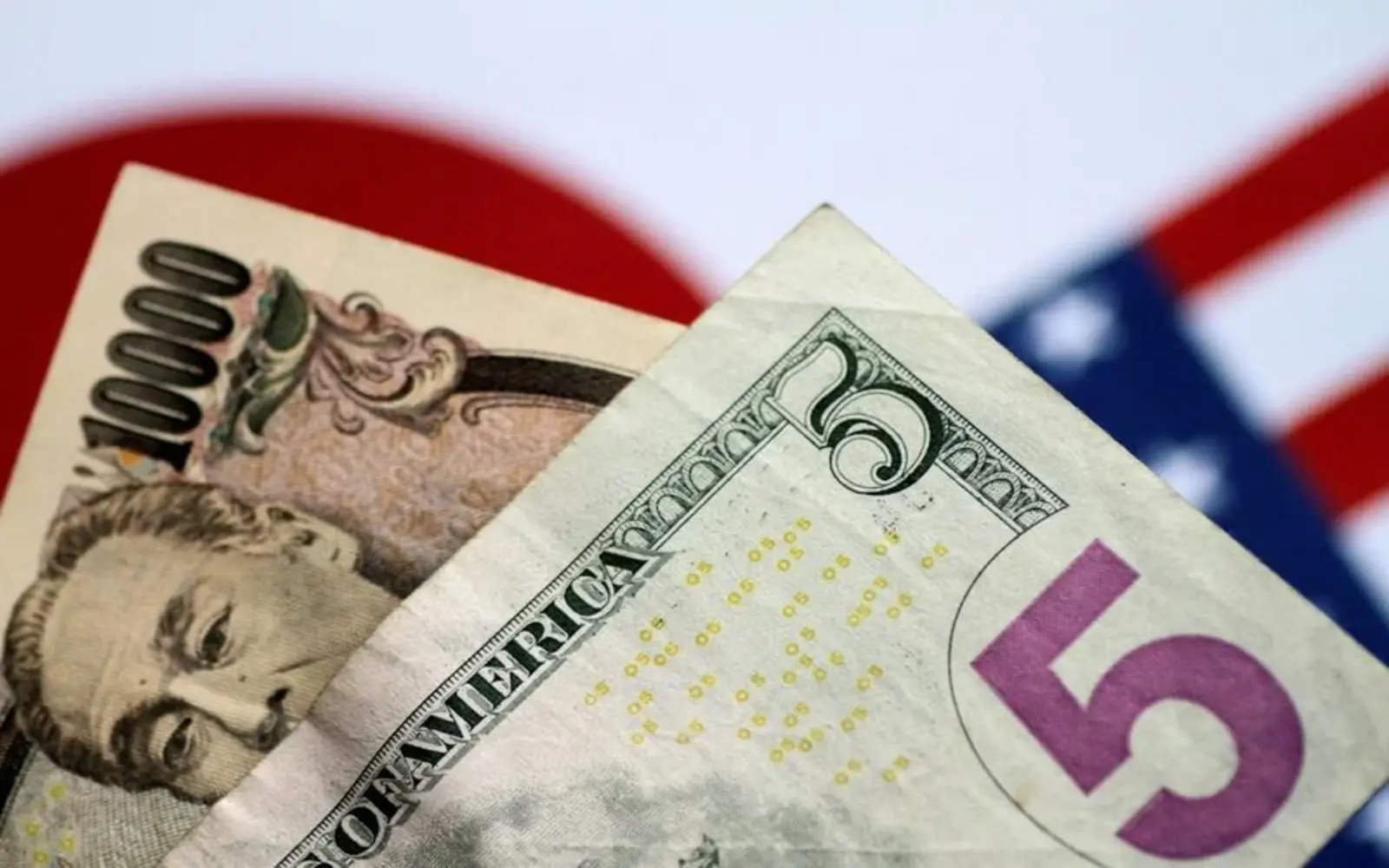
The US dollar remained stable on Thursday, showing signs of its strongest week in almost a year. This resilience was largely driven by the weak Japanese yen, which has been under pressure due to political shifts within Japan’s ruling party.
This week, global markets have faced challenges from political instability in both Japan and France, along with an ongoing US government shutdown. These factors have contributed to a lack of investor confidence, prompting many to seek safer assets like gold.

The yen experienced significant fluctuations after Sanae Takaichi was chosen as the leader of Japan’s Liberal Democratic Party. She is now positioned to become the country’s first female prime minister, leading to speculation about potential increases in government spending and more accommodative monetary policies.
As of the latest data, the yen was slightly stronger at 152.49 per dollar, following a drop to an eight-month low of 153 per dollar earlier in the day. The currency has lost over 3% for the week, marking its worst performance since September 2024.
Carol Kong, a currency strategist at Commonwealth Bank of Australia, noted, “The increase in dollar/yen has been quite relentless, and it seems like nothing can stop it from rallying.” She added that the confirmation of Takaichi as PM and the upcoming October BOJ meeting could be key factors influencing the yen’s weakness, especially if Takaichi continues to support dovish fiscal and monetary policies, and the BOJ signals no near-term interest rate hikes.
European Currencies Face Challenges
The euro also faced constraints due to France’s deepening political crisis following the unexpected resignation of Prime Minister Sebastien Lecornu and his government. However, French President Emmanuel Macron is expected to appoint a new prime minister within the next 48 hours.
The euro last traded 0.09% higher at US$1.1639, reversing three consecutive days of losses. Despite this, it remains nearly 0.9% lower for the week.
The movements in the yen and euro have provided support for the dollar, which has risen more than 1% for the week. Other currencies have remained subdued as a result.
Sterling increased by 0.07% to US$1.3413, recovering from a two-week low in the previous session. The Australian dollar was up 0.11% at US$0.6594, while the New Zealand dollar edged 0.1% higher to US$0.5792. This followed a drop in the previous session when the Reserve Bank of New Zealand cut interest rates by 50 basis points, signaling concerns about the economy’s fragile state and leaving the door open for further easing.
Against a basket of currencies, the dollar remained relatively unchanged at 98.77.
Federal Reserve’s Outlook
Federal Reserve officials agreed during their recent policy meeting that risks to the US job market had increased enough to justify a rate cut. However, they remain cautious about high inflation and continue to debate how much borrowing costs are affecting the economy, according to minutes from their September meeting released on Wednesday.
Kong commented, “The Fed meeting minutes, as expected, really signalled caution by policymakers about future interest rate cuts.” She added, “I think markets are still comfortable with pricing two more rate cuts by year-end. That’s also our base case, and we didn’t really see markets change their mind off the back of the minutes.”
A prolonged US government shutdown could leave the Fed without critical economic data for its October meeting, making it difficult to make informed decisions. Despite this, investors continue to anticipate around 44 bps of rate cuts by December this year.