



Delays and Challenges in Implementing Post-Brexit Biometric Checks at Dover
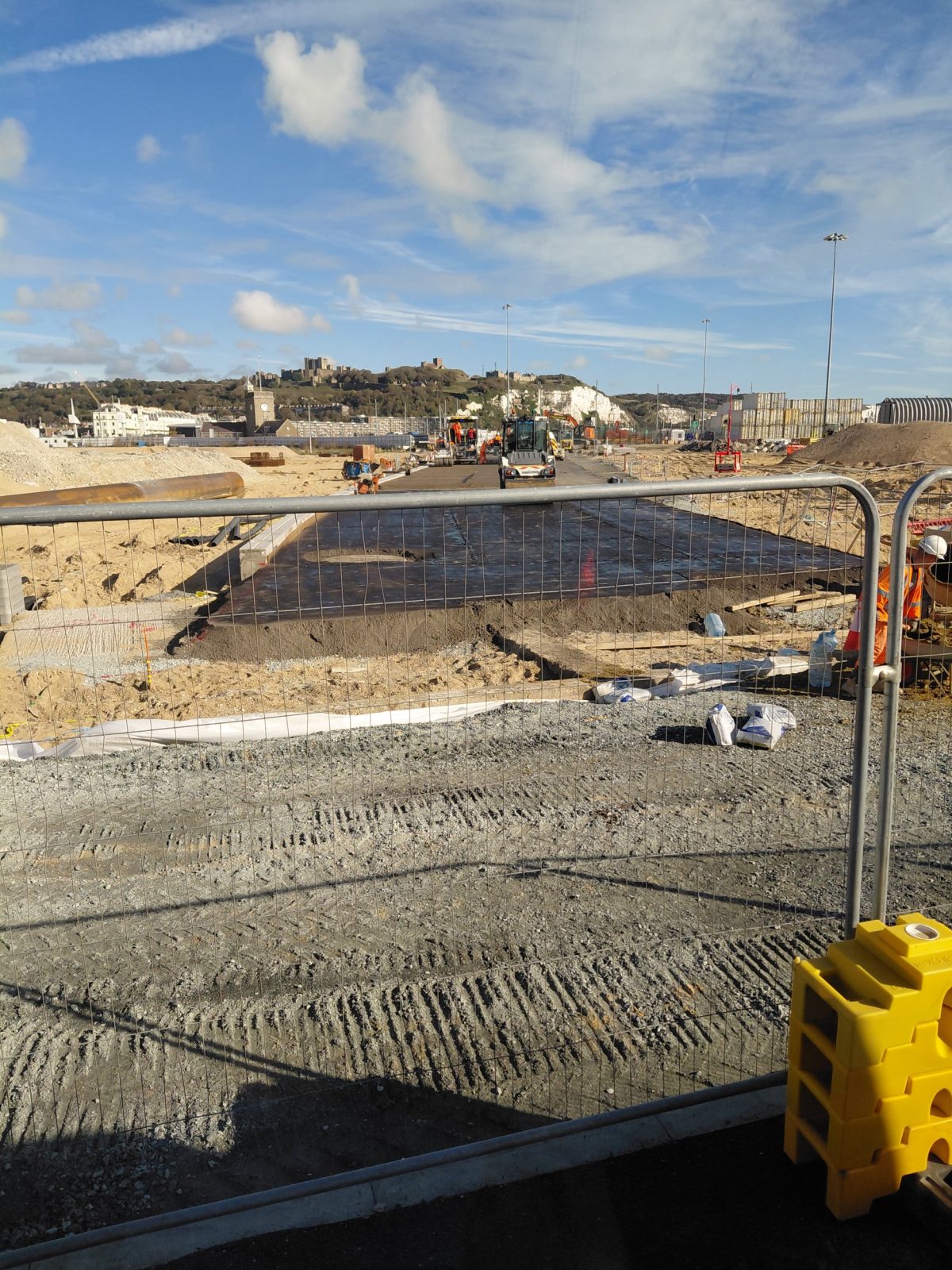
With less than a month until the rollout of post-Brexit biometric checks for travelers at Dover, the infrastructure required to support these new procedures is still under construction. The Entry/Exit System (EES), which will introduce fingerprint scans for non-EU citizens entering Europe’s Schengen area, has faced numerous delays and technical issues.
The EES system is set to begin its first phase on 12 October at 5pm. Initially, it will apply to coach and freight travelers at Dover, with car passengers undergoing the same checks from 1 November. However, the implementation has encountered significant challenges, including an IT glitch that may prevent the kiosks from functioning properly when they are launched.

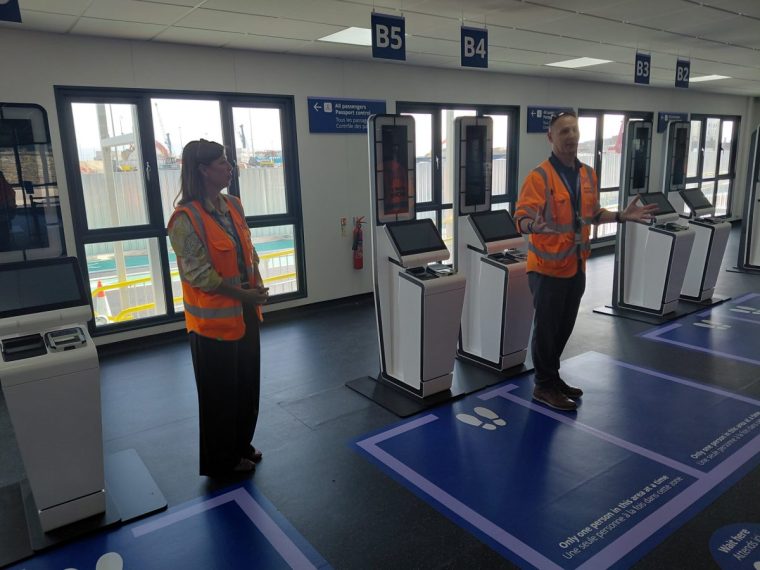
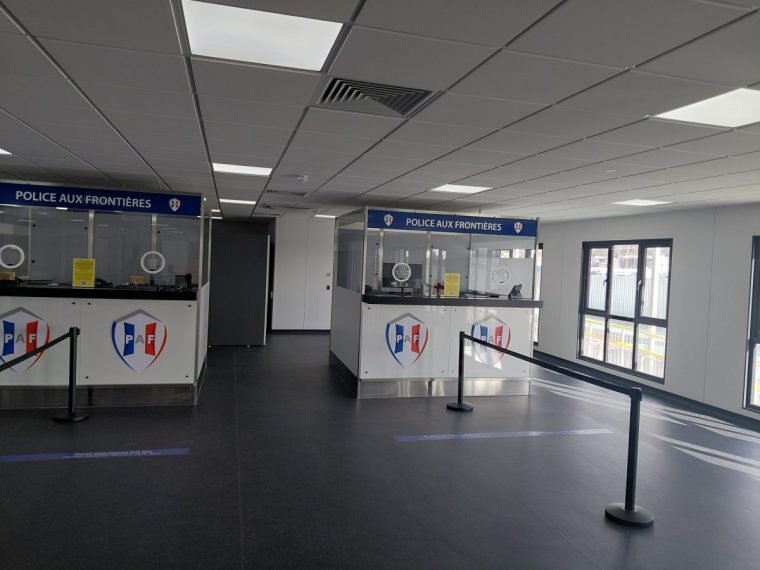
At the Western Docks, kiosks have been installed to scan passports, fingerprints, and take photographs of travelers before they cross the French border. For coach passengers, both EES and Police aux Frontières (PAF) checks will be conducted in the same building. However, due to technical issues, the kiosks may not be operational, leading to potential disruptions in the process.
Doug Bannister, chief executive of the Port of Dover, stated that the port intends to go live for coaches on Sunday. He emphasized that the EU has stressed a gradual and phased implementation. This means that the initial phase will focus on passport data before introducing the biometric element.
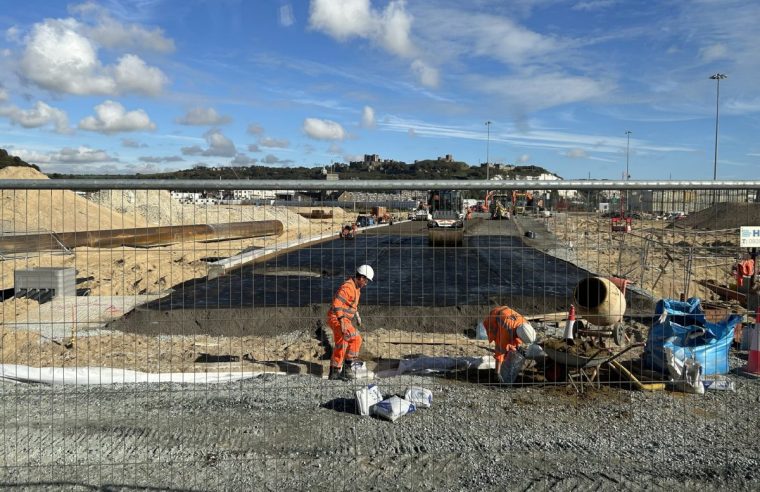
Kent council leaders previously warned that the EES could lead to 14-hour queues and cause chaos on the roads, potentially impacting national food supplies. Despite these concerns, officials at Dover appear confident that measures such as a holding facility for 350 cars will reduce congestion.
However, the average time for EES checks at Dover is estimated to be six minutes per car, with an additional minute for PAF checks. This is nearly six times longer than the current manual passport stamping process, which takes between 30 seconds and one minute.
The phased rollout of EES over the next six months will see French authorities requiring at least 10 per cent of passengers to be checked initially. The Port of Dover claims it is ready to handle all passengers from the start. During a recent tour of the facilities, however, the kiosks were not operational, and a demonstration of their functionality was not carried out.
How the Checks Work
Passengers will be asked whether they have enough money to fund their trip, travel insurance, and a place to stay upon arrival. French border guards will then review any irregularities. Coach passengers enter a building where their EES checks are conducted before moving to an adjacent French border post. Freight travelers will be checked by French border authorities at a separate location at the Eastern Docks.
In total, there will be around 84 EES kiosks overall, with 72 dedicated to car passengers. The new system’s first real stress test is expected during the Easter holidays, when the full system will be rolled out.
Mr Bannister stated that the facilities have been designed to handle peak volume days on a busy summer day. He added that the goal is to ensure people can get processed through as quickly and smoothly as possible while avoiding queuing or congestion on the external road network.
“All of this has arisen since we’ve left the European Union. So what we’re doing is trying to respond in the best way that we possibly can,” he said.
He also mentioned that while there is a “growing understanding” among the British public about the EES, it is not yet “pervasive.” When asked why some of the facilities for cars were not yet ready, he explained that the port had to meet European requirements for handling 10 per cent of registrations from the start. Additionally, reclaiming land from the sea took time to create the necessary capacity for the facilities.

