
Rising Minimum Wage Sparks Concerns Among Businesses
A significant increase in the minimum wage is expected to be recommended, adding to the challenges faced by businesses already struggling with rising employment costs. This development comes as firms continue to deal with the financial pressures of higher wages and other operational expenses.
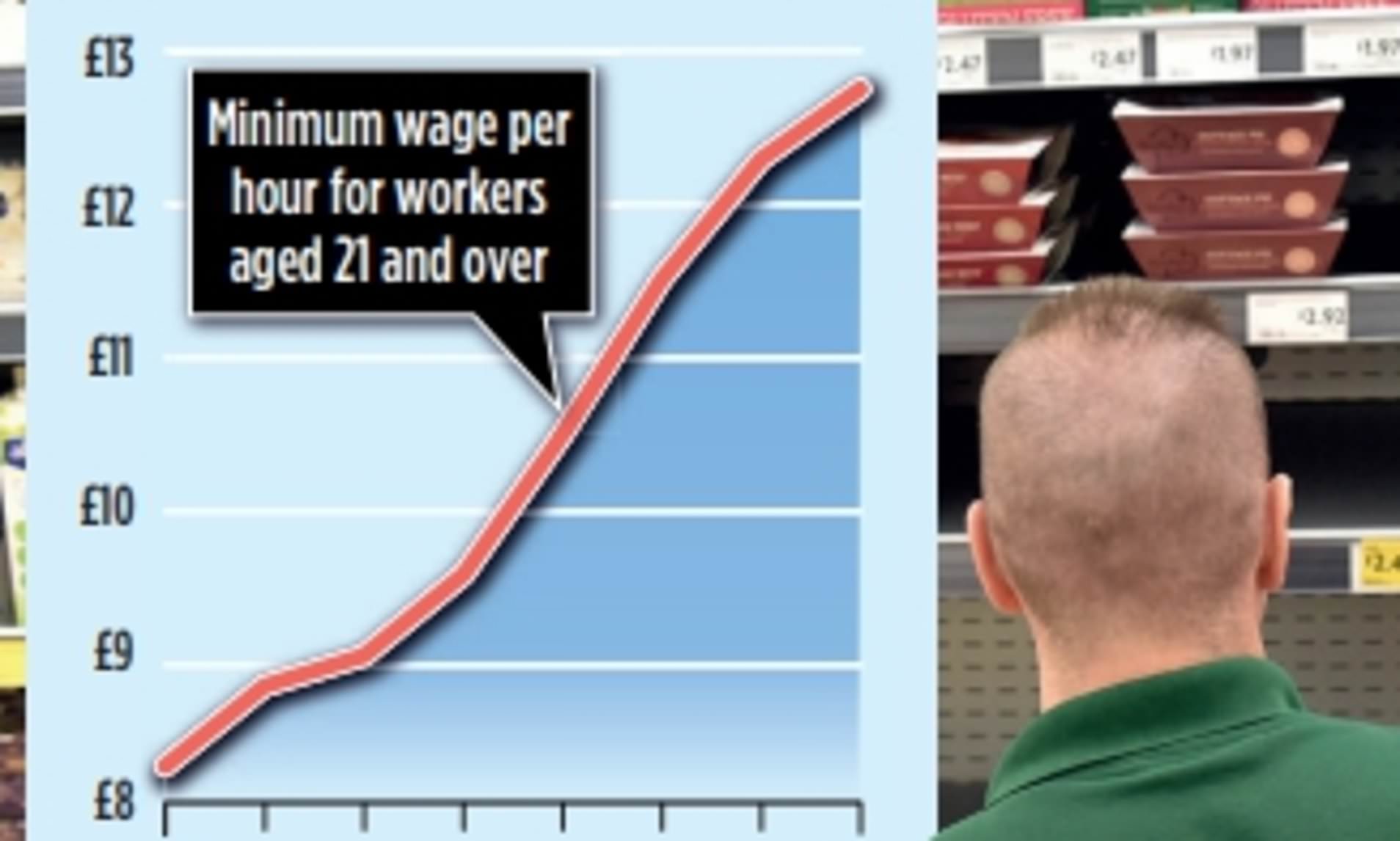
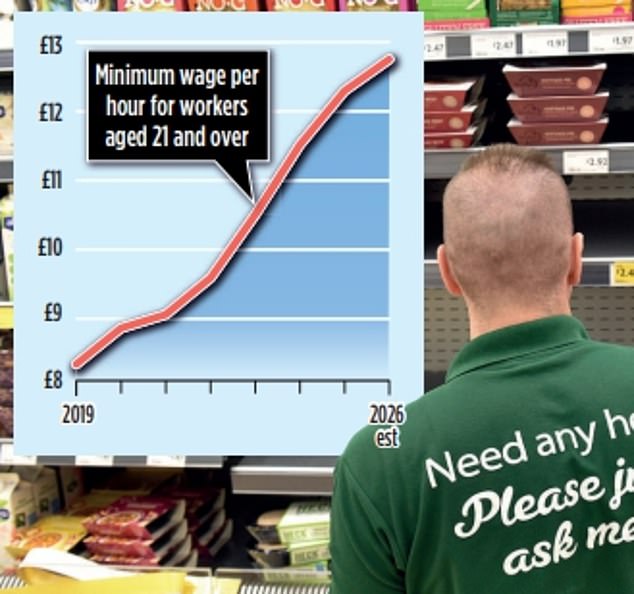
The current minimum wage, also referred to as the national living wage, stands at £12.21 per hour for workers aged 21 and above. However, the Low Pay Commission, an independent body responsible for setting the rate, is set to advise the Chancellor that this amount should rise to approximately £12.71 from April next year. This represents a 4.1% increase, which is slightly above the current inflation rate measured by the Consumer Prices Index (CPI), currently at 3.8%. Experts predict that inflation may decrease in the coming year as food and energy prices stabilize.

In addition to this recommendation, the Low Pay Commission will also consider whether the proposed £12.71 hourly rate should be extended to workers aged 18 to 20. Currently, those individuals receive £10 per hour. Around 1.9 million workers are paid at or below the current £12.21 rate, while 16- and 17-year-olds who have left school and apprentices are entitled to a minimum of £7.55 per hour.
This potential expansion of the minimum wage could place additional strain on businesses, especially after they were impacted by a £25 billion increase in employers’ National Insurance Contributions in last year’s Budget. Furthermore, business rates are anticipated to rise for thousands of companies.
Andrew Goodacre, chief executive of the British Independent Retailers Association, emphasized the need for a cautious approach. He stated that shop owners aim to pay their staff fairly but noted that the national living wage has increased by 27% over the past three years—far outpacing inflation. Goodacre suggested that many independent retailers would prefer next year’s increase to align with the projected inflation rate, which is expected to decline by April.
While he did not comment on the specifics of the latest recommendation, Goodacre highlighted the importance of balancing fair wages with the sustainability of businesses. The Low Pay Commission has a mandate to ensure that the minimum wage does not fall below two-thirds of average earnings. Previous projections suggest a range for the new minimum wage between £12.55 and £12.86 per hour.
Additional Pay Boost for Workers
Separately, nearly half a million workers are set to receive a substantial pay increase following a 6.7% rise in the ‘real living wage’. This voluntary rate, adopted by 16,000 companies, will increase to £13.45 per hour, with a higher rate of £14.40 per hour in London.
Employers who have committed to paying the living wage, including major organizations such as Nationwide Building Society, KPMG, and Aviva, have until May next year to implement the raise. This adjustment is based on the cost of essential living expenses and aims to provide a more realistic standard of living for employees.