
The Growing Crisis of Economic Inactivity in the UK
Sir Charlie Mayfield, the former head of John Lewis, is set to address a pressing issue facing the UK: the rising number of people who are not working due to sickness or disability. His report, Keep Britain Working, is expected to be released this week and will highlight the alarming trend of young people dropping out of the labor market, often due to mental health challenges.
The report is anticipated to emphasize the growing concern over the increasing number of individuals being signed off work due to ill-health. This has raised fears of a “sick note culture” that could undermine economic growth, which is already struggling to gain momentum. The combination of lost productivity and higher benefit costs poses significant challenges for the Chancellor as she prepares for the Budget, with a substantial financial shortfall to address.

Mayfield is likely to argue that meaningful work can have positive effects on health and well-being, helping to prevent isolation and enhance self-esteem. He is expected to stress the harmful impact of inactivity on both the economy and individuals, who often face financial and psychological difficulties. The report, supported by the Government, is expected to reveal that economic inactivity caused by sickness has worsened in the UK compared to other similar countries.
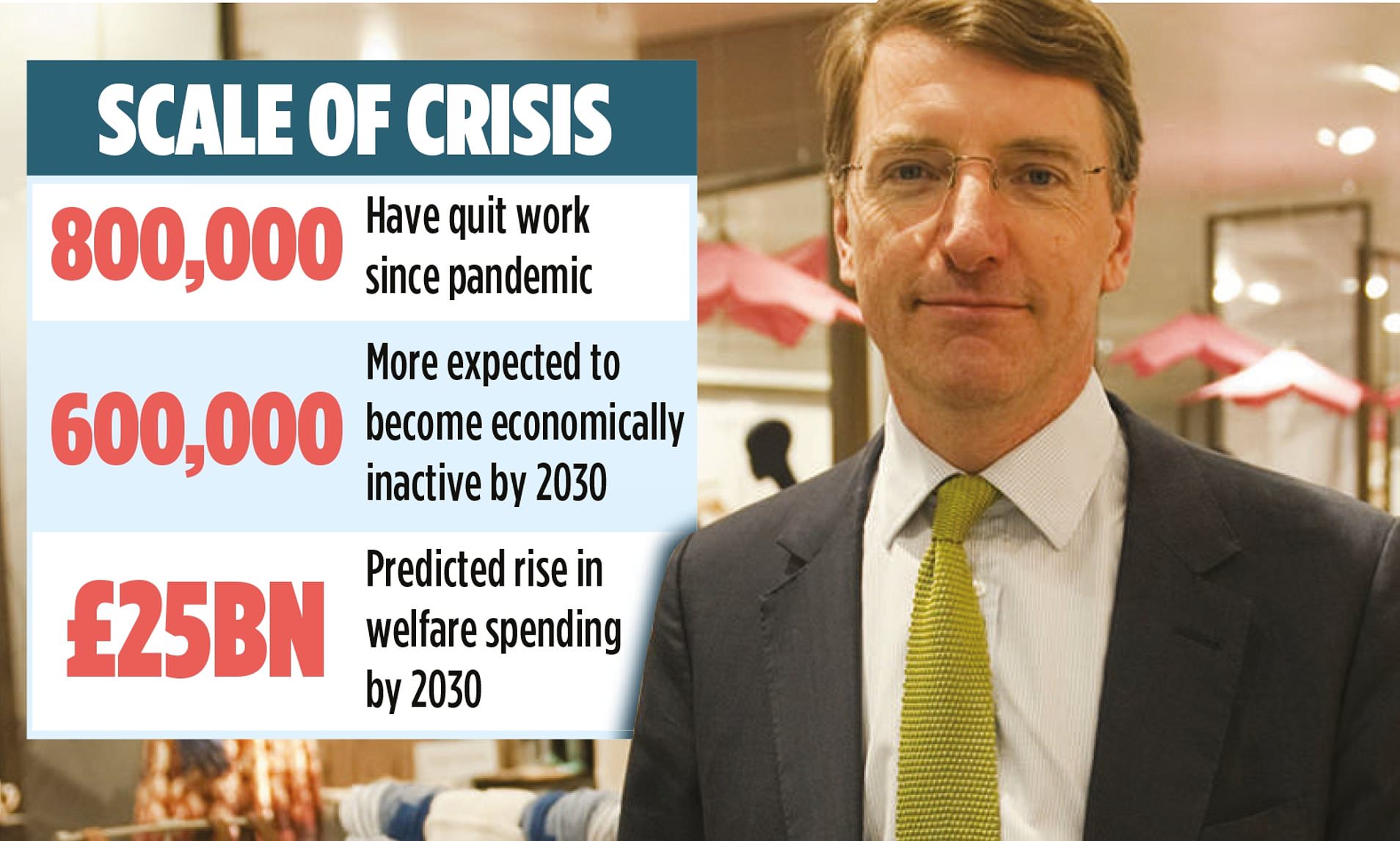
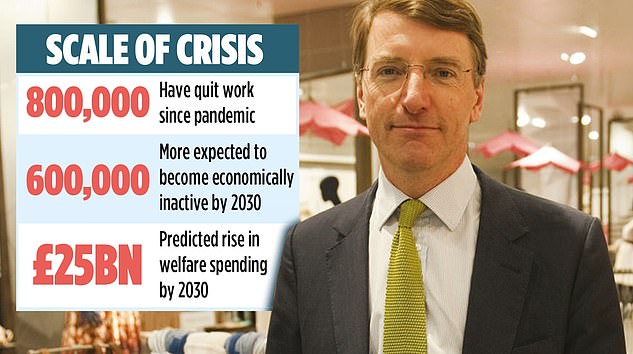
If current trends continue, an additional 600,000 people could become economically inactive over the next four years, adding to the nine million who have already left the labor market. The growth in working-age health and disability benefits is projected to increase welfare spending by £25 billion between now and 2029-30.
Since the pandemic, the number of people who have completely exited the workplace due to sickness and disability has increased by 800,000. During the same period, two million more people reported having health conditions that limit their ability to work, marking an increase of over 30%. The most significant rise is among young people aged 16 to 34, with numbers up by 1.2 million or 77%. Of these, 530,000 young people cited mental health-related issues as their main condition.
While the reasons behind the decline in mental health among young people remain unclear, potential factors include the influence of social media and the ongoing effects of the pandemic. The report is expected to draw attention to long waiting times for NHS support for mental health issues. There are also extended delays for those suffering from musculoskeletal problems, which are a major cause of absence among older workers.
Mayfield’s recommendations will focus on existing best practices among employers. Expected measures include protocols for maintaining contact with employees who are off sick, reducing the likelihood of them becoming disconnected from the workplace.
A Call for Action from Ruth Sunderland
Ruth Sunderland highlights the urgency of the situation, calling it a national tragedy. Sir Charlie Mayfield is set to bring attention to the scale of the problem the UK faces regarding sickness and disability among working-age individuals. The rapid increase in the number of young people whose careers are being affected by mental health issues is a crisis in the making.
Employers have a crucial role to play in combating this “sick note culture” that negatively impacts everyone. Companies that support employees through periods of illness and assist those with disabilities can make a significant difference. However, payroll costs are rising due to the Chancellor’s recent increases in National Insurance and the minimum wage.
If the Government is genuinely committed to keeping Britain working, the Chancellor should reconsider imposing additional taxes on jobs. The time for action is now, as the economic and social consequences of inactivity continue to grow.