
Rail Fares to Be Frozen for the First Time in 30 Years
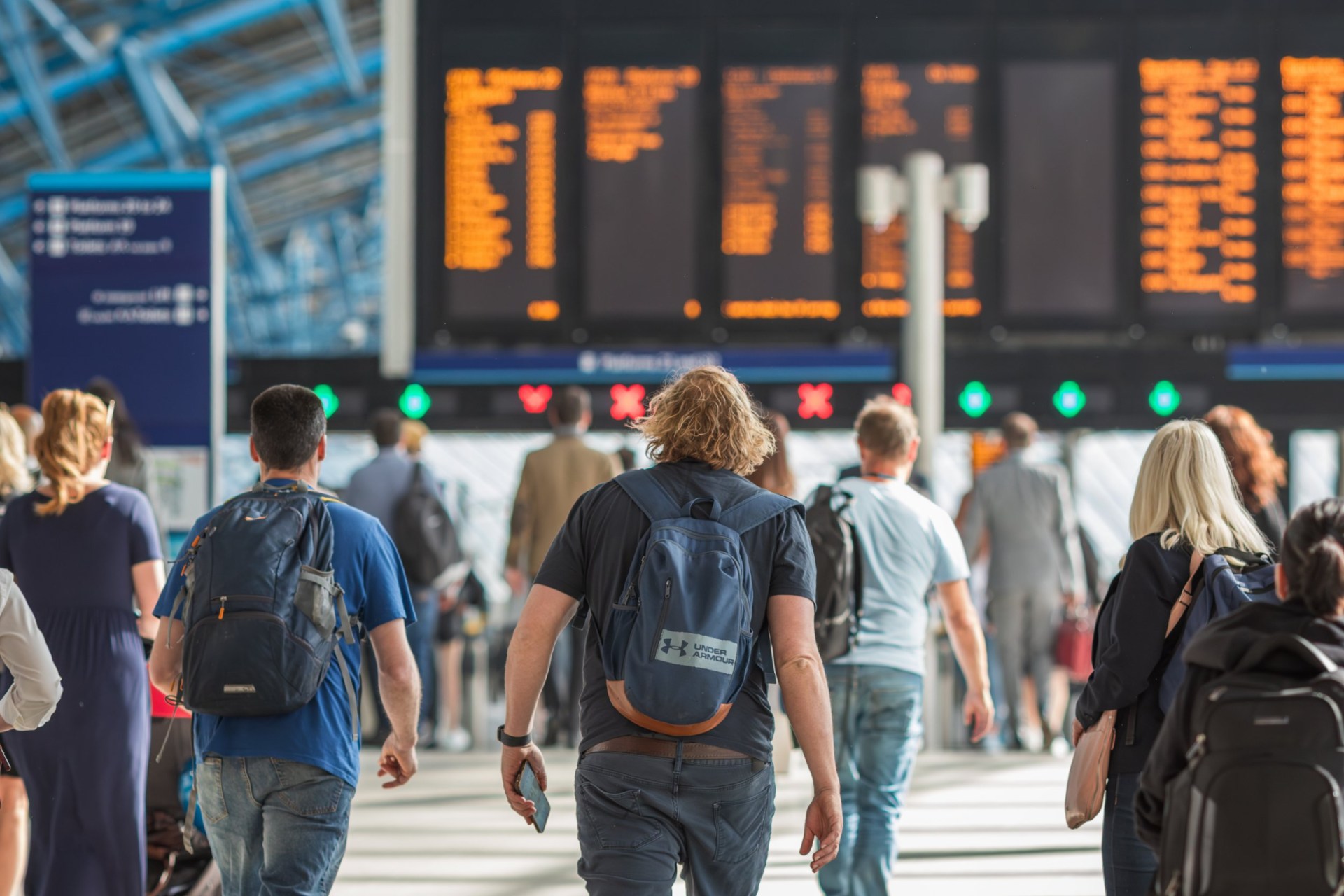
Rail fares in England are set to be frozen for the first time in three decades, a move aimed at easing the financial burden on commuters and helping them cope with rising living costs. This decision marks a significant shift from previous trends, where ticket prices have steadily increased over the years, prompting passengers to book trips months in advance to secure lower rates.
For many, the cost of train travel has become a major concern. Some have even opted to avoid trains altogether, choosing to fly instead if it proved to be more affordable. However, the government has now announced plans to freeze ticket prices as part of its upcoming Budget, which is expected to bring relief to millions of travelers.

Government Capping of Train Fares
Most train fares in England are currently capped by the government, limiting how much operators can charge for tickets such as day singles and returns. This regulation ensures that fare increases remain within certain limits. The recent announcement means that passengers will not pay a penny more on season tickets, peak returns for commuters, or off-peak returns between major cities. This is expected to save travelers hundreds of pounds annually.
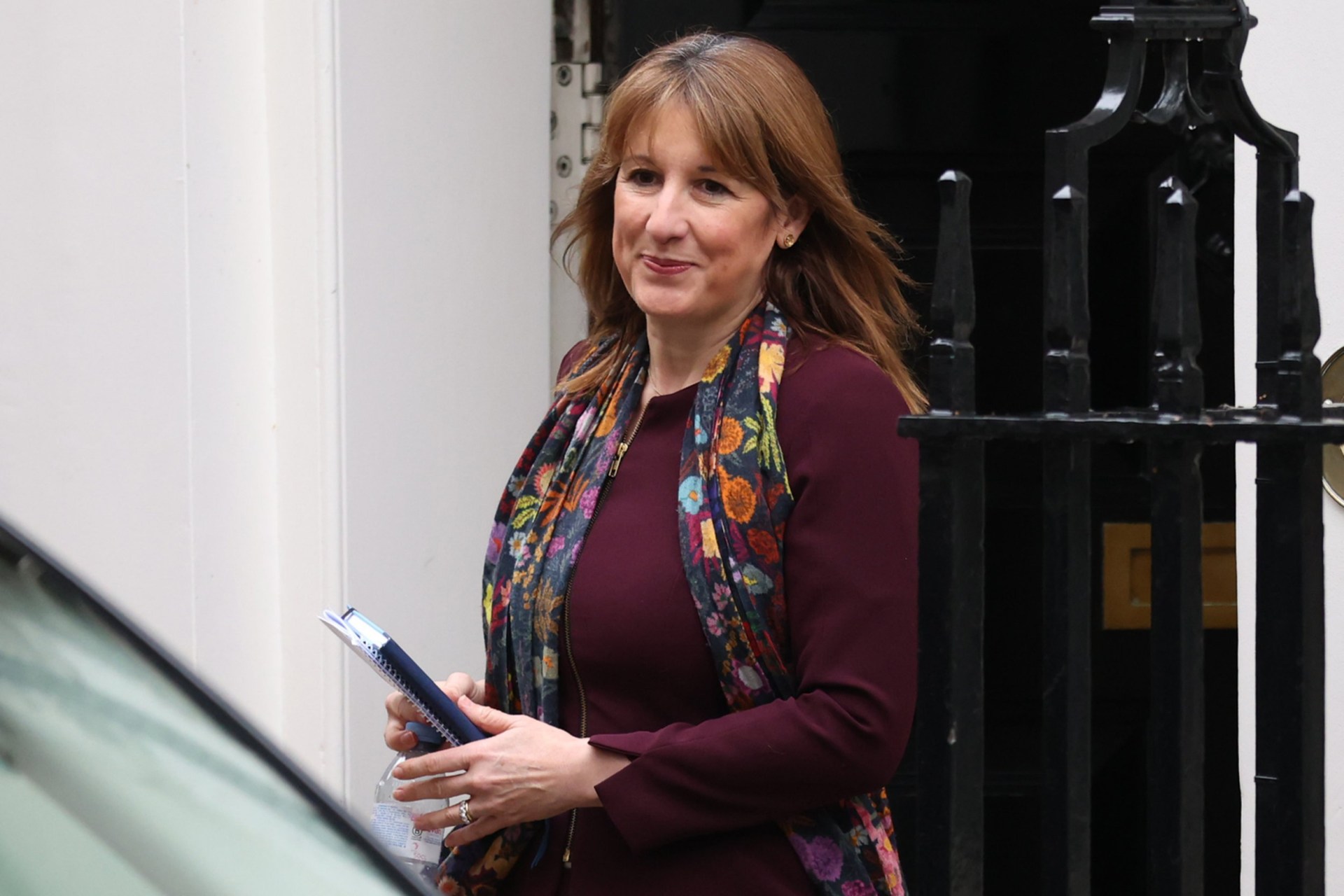
Commuters traveling on more expensive routes could see savings exceeding £300 per year under the new plan. Chancellor Rachel Reeves emphasized the importance of this decision, stating that freezing rail fares would ease pressure on household budgets and make commuting more manageable for families and individuals alike.
Potential Savings for Commuters
The Treasury highlighted that commuters on some of the busiest routes could experience significant savings. For example:
- A typical commuter traveling from Bradford to Leeds using flexi-season tickets could save £57 per year.
- Those traveling from Milton Keynes to London could save £315 annually.
- Commuters traveling from Woking to London might save £173 each year.
Transport Secretary Heidi Alexander also commented on the benefits of the fare freeze, noting that it would help millions of passengers save money and ensure that commuters on more expensive routes keep more of their earnings. She added that this measure is part of broader efforts to rebuild Great British Railways into a system that the public can rely on.
Impact on Travel and Public Perception
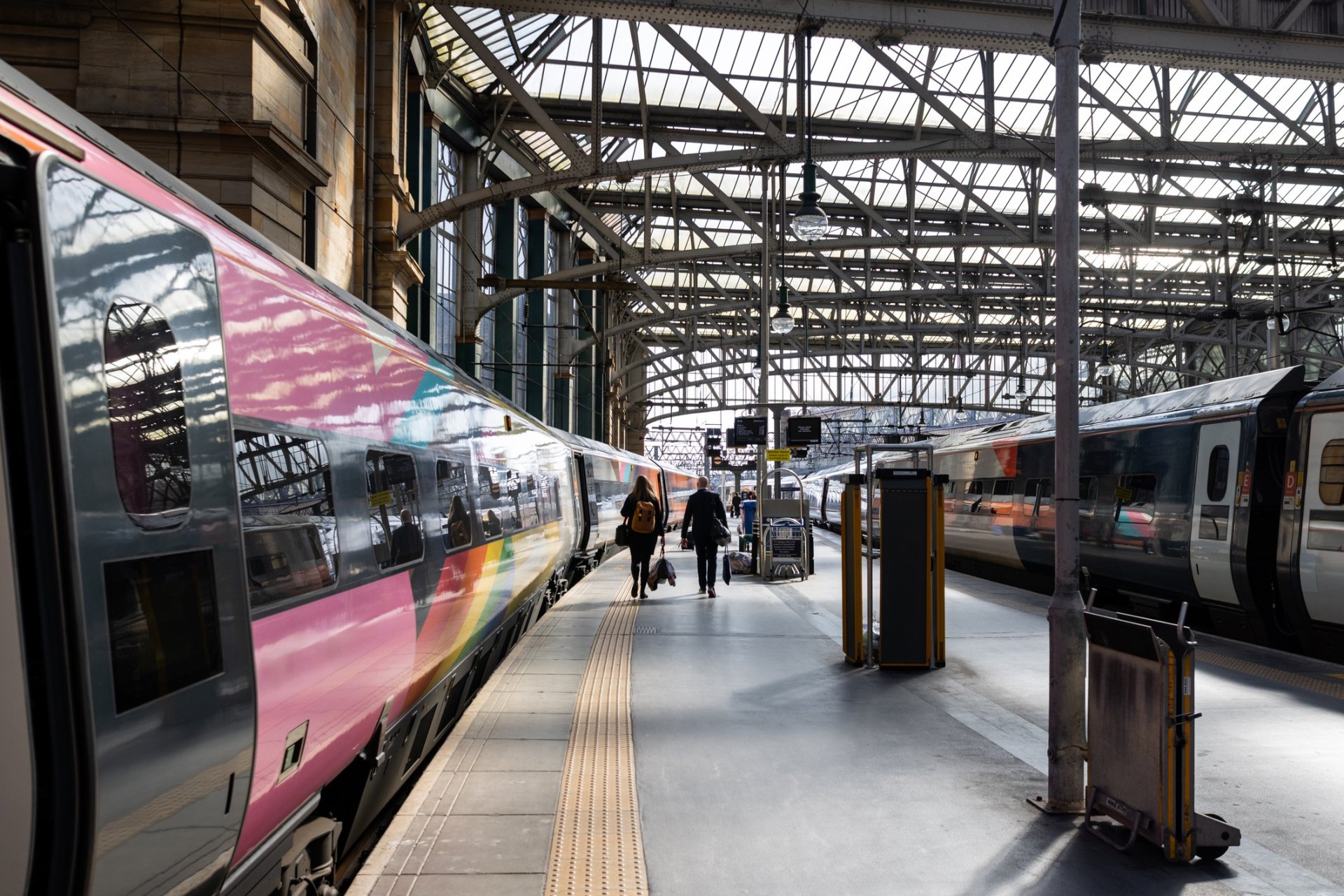
The fare freeze will apply to all regulated fares, including season tickets, peak returns, and off-peak returns between major cities. According to the Treasury, this could affect over a billion passenger journeys across England. Ben Plowden, CEO of the Campaign for Better Transport, welcomed the announcement, stating that cost is the top concern for train travelers.
He said: “We know that cost is the number one concern for people wanting to travel by train, so it is very welcome that fares will be frozen next year as we have been calling for.”
Plowden also noted that the freeze could encourage more people to use trains, reducing traffic congestion on roads and benefiting the environment and local communities. He emphasized that affordability is one of the government’s six objectives for the reformed railways, and this move shows that passenger affordability is being prioritized.
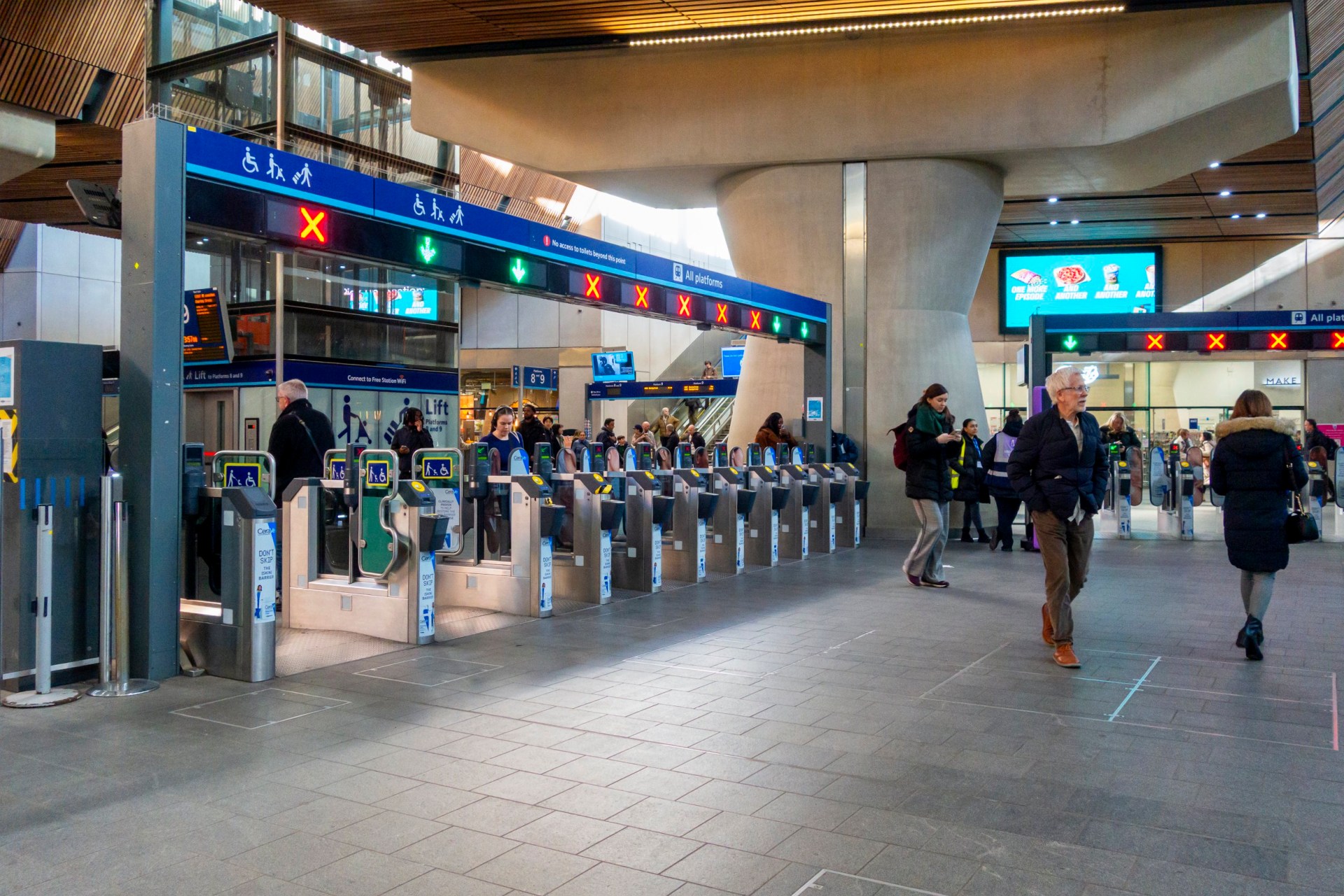
Recent Trends in Rail Fares
The announcement comes after new rail fares were introduced across England and Wales on March 2, with new Scotrail fares taking effect from April 1. Data from the Office of Rail and Road revealed that fares have risen by 5.1% this year, outpacing the 3.2% increase in the Retail Prices Index (RPI) between March 2024 and March 2025.
Regulated ticket prices increased by 4.5%, slightly below the 4.6% cap in England and Wales. In Scotland, they rose by 3.8% in April. Fares in London and the South East, which account for nearly half of all fare revenue, increased by 5.2% compared to 2024. Long-distance and regional fares saw increases of 5.4% and 4%, respectively.
Labour has criticized the previous government for allowing a series of strikes under the Conservatives, which disrupted journeys and caused losses of £850 million in rail revenue.
Political Reactions
The Conservative Party welcomed the announcement but argued that the government was “late to the platform.” Shadow transport secretary Richard Holden stated that the Conservatives had kept fares in check with below-inflation rises and consistently opposed further hikes to protect commuters.
Alex Robertson, CEO of the watchdog Transport Focus, acknowledged the difficulty of balancing railway funding between fares and public subsidies. He called the fare freeze a positive step forward, saying it was particularly welcome given the challenges involved.
As the government moves forward with its plans for the reformed railways, the freeze on rail fares represents a key moment in addressing the concerns of passengers and ensuring that train travel remains an affordable option for all.