
Addressing Menstrual Hygiene Challenges in Ghana
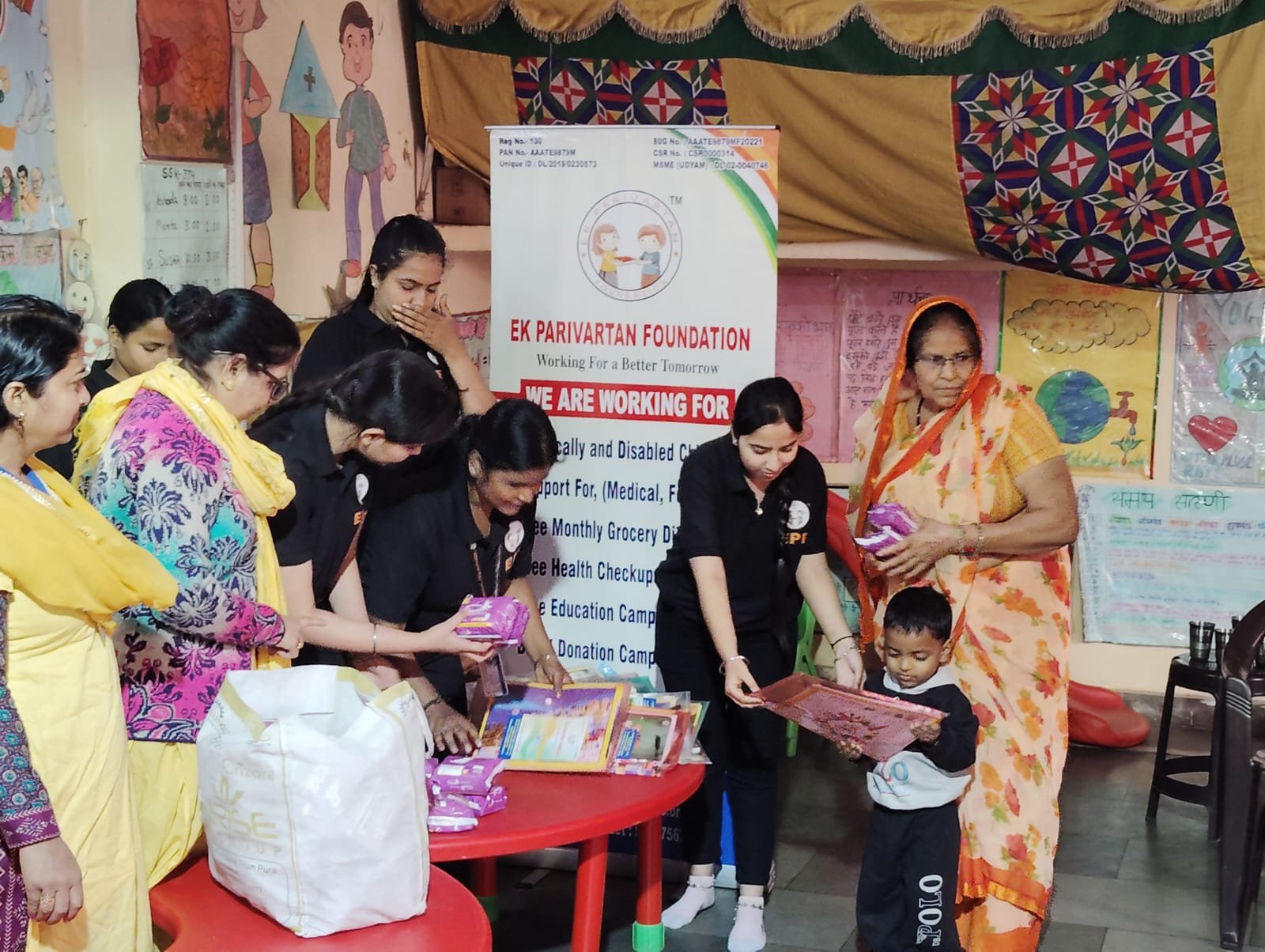
The Ghana Education Service (GES) has made significant strides in addressing menstrual hygiene challenges among schoolgirls by distributing over 6.6 million sanitary pads nationwide. This initiative is part of a broader effort to ensure that no girl misses school due to her menstrual cycle, thereby promoting her overall well-being and dignity.
According to a statement issued by the GES, the distribution of 6,607,095 sanitary pads was carried out across all 16 regions of the country. The initiative aims to tackle the issue of menstrual hygiene and provide girls with the necessary resources to maintain their health and continue their education without interruption.

This action aligns with the global observance of the International Day of the Girl Child, which took place on October 11. On this day, the GES joins the international community in commemorating the importance of supporting girls’ growth, education, and empowerment.
This year’s theme for the International Day of the Girl Child is: “The Girl I am. The change I lead: Girls on the frontlines of crises.” It highlights the role of girls in leading change during challenging times and emphasizes the need for collective responsibility in supporting their development.
The initiative also reflects the Government of Ghana’s commitment to providing free sanitary pads to all schoolgirls, from basic to second cycle levels, on a monthly basis throughout their schooling. This intervention is a crucial step towards improving menstrual hygiene, promoting gender equality in education, and safeguarding the health and confidence of adolescent girls.
The statement from the GES assured all schoolgirls of its continuous support and reiterated its dedication to building an inclusive and equitable education system that responds to the needs of every learner. It encouraged girls to remain focused on their studies and take full advantage of the opportunities provided to them.
In addition, the GES expressed its gratitude to the Ministry of Education for its tireless efforts in operationalizing this life-changing initiative for schoolgirls across the country. This collaboration underscores the importance of partnership in achieving meaningful progress in the lives of young girls.
Key Points of the Initiative
- Scale of Distribution: Over 6.6 million sanitary pads have been distributed to schoolgirls nationwide.
- Regional Coverage: The initiative covers all 16 regions of Ghana.
- Government Commitment: The government has pledged to provide free sanitary pads to all schoolgirls on a monthly basis.
- Educational Focus: The initiative supports girls in maintaining their education without interruption due to menstrual cycles.
- Partnership Efforts: Collaboration with the Ministry of Education has been instrumental in implementing the program.
Impact on Girls’ Lives
The distribution of sanitary pads is more than just a practical solution; it is a powerful statement about the value of girls’ education and their right to a healthy, dignified life. By ensuring access to menstrual hygiene products, the GES is helping to break down barriers that prevent girls from attending school regularly.
This initiative also contributes to the broader goal of gender equality in education. When girls have access to the necessary resources, they are more likely to stay in school, perform better academically, and pursue higher education and career opportunities.
Moreover, the program fosters a sense of confidence and self-esteem among girls. Knowing that they have the support they need to manage their menstrual health allows them to focus on their studies and personal growth without fear or embarrassment.
Looking Ahead
As the GES continues to implement this initiative, it is essential to monitor its impact and make adjustments where necessary. This includes gathering feedback from schoolgirls, educators, and parents to ensure that the program meets the evolving needs of the community.
Additionally, raising awareness about menstrual hygiene and the importance of using sanitary products can help reduce stigma and promote open discussions about this critical aspect of health and education.
By investing in the health and education of girls, Ghana is taking a significant step towards creating a more equitable and empowered society. The success of this initiative will depend on sustained efforts, collaboration, and a shared commitment to the well-being of all girls.