
The Power of Meaningless Brand Names
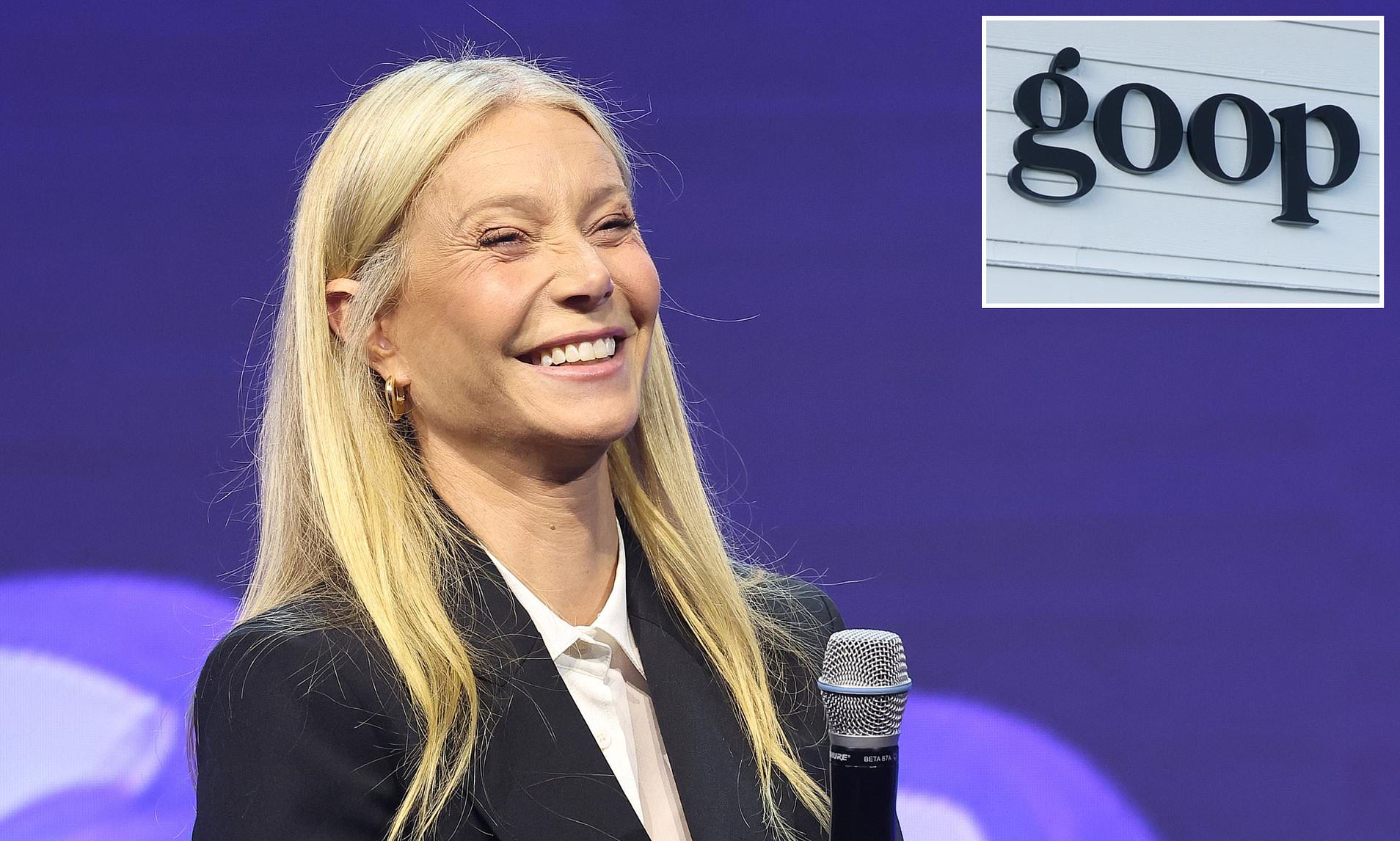
When Gwyneth Paltrow launched her lifestyle brand Goop, it was met with a lot of ridicule. However, the name might have played a crucial role in its early success. According to recent research, giving a company a name that lacks clear meaning can actually help it gain an advantage over competitors.
Researchers from the University of Virginia, along with academic institutions in France and Spain, found that brands with “non-semantic” names—such as Google, Xerox, or Etsy—create a mental itch that makes people more curious and more likely to invest in or buy products. This curiosity can translate into higher initial funding for startups.

The study analyzed 6,487 crowdfunding campaigns for technology companies across 22 countries. It revealed that brands with non-semantic names attracted an average of 17.12% more funding, which equates to around £13,000 more than those with semantic names like Red Bull or Zoom.
In another experiment, participants were asked how much they would pay for a subscription to an AI device named either Brownie or a nonsense name made up of the same letters, such as Wbonire. The results showed that people were willing to pay about 30% more for the device when it had a meaningless name.

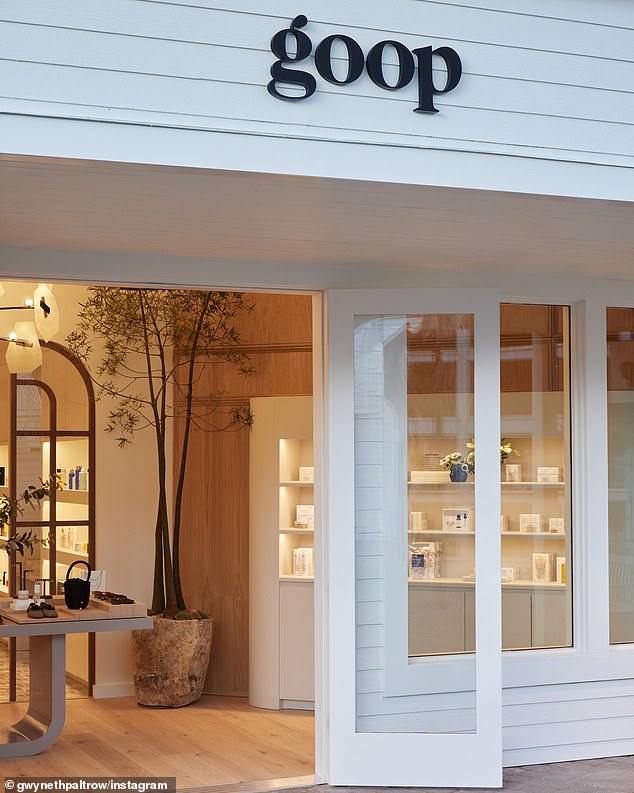
According to the researchers, non-semantic names can help foster strong brands. Goop, for instance, is a combination of Paltrow’s initials and what she claims she was told in 2008—that internet companies with a double ‘o’ in the name are more successful. Other examples include Häagen-Dazs, which was created by founder Reuben Mattus to sound European, and Etsy, where co-founder Robert Kalin wanted a nonsense name.
Why Non-Semantic Names Work
There are several reasons why non-semantic names may be more effective:
- Curiosity: A name that doesn’t immediately convey meaning can spark curiosity in potential customers.
- Memorability: Nonsense names are often easier to remember and stand out in a crowded market.
- Flexibility: These names allow for greater brand flexibility, as they aren’t tied to a specific product or service.
This approach has been used by many well-known brands. For example, Google started as a playful name for a search engine, while Xerox was chosen for its uniqueness and ease of pronunciation. Etsy, on the other hand, was designed to sound like a place where people can find unique items.
The Future of Branding
As the digital landscape continues to evolve, the importance of branding will only grow. Companies that can create a strong, memorable identity are more likely to succeed in the long run. Whether it’s through a meaningful name or a cleverly crafted nonsense name, the key is to connect with the audience in a way that resonates.
Goop’s journey from being ridiculed to becoming a multi-million-dollar brand highlights the power of branding. While some may question its legitimacy, there’s no denying that its name has played a significant role in its success.
Conclusion
The research suggests that non-semantic names can be a powerful tool for startups and established brands alike. By creating a sense of mystery and curiosity, these names can attract more attention and investment. As more companies experiment with unconventional branding strategies, the future of marketing looks more exciting than ever.